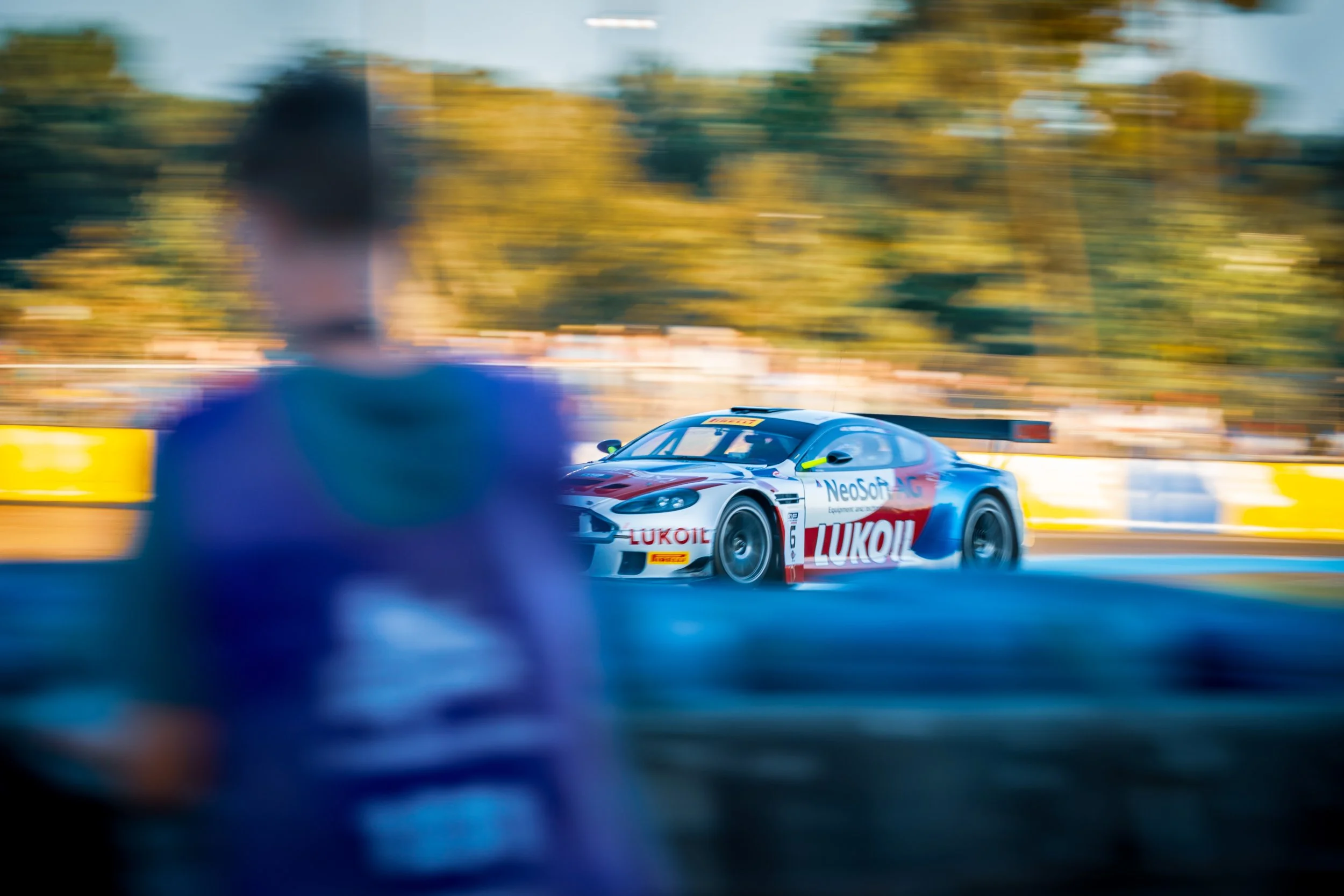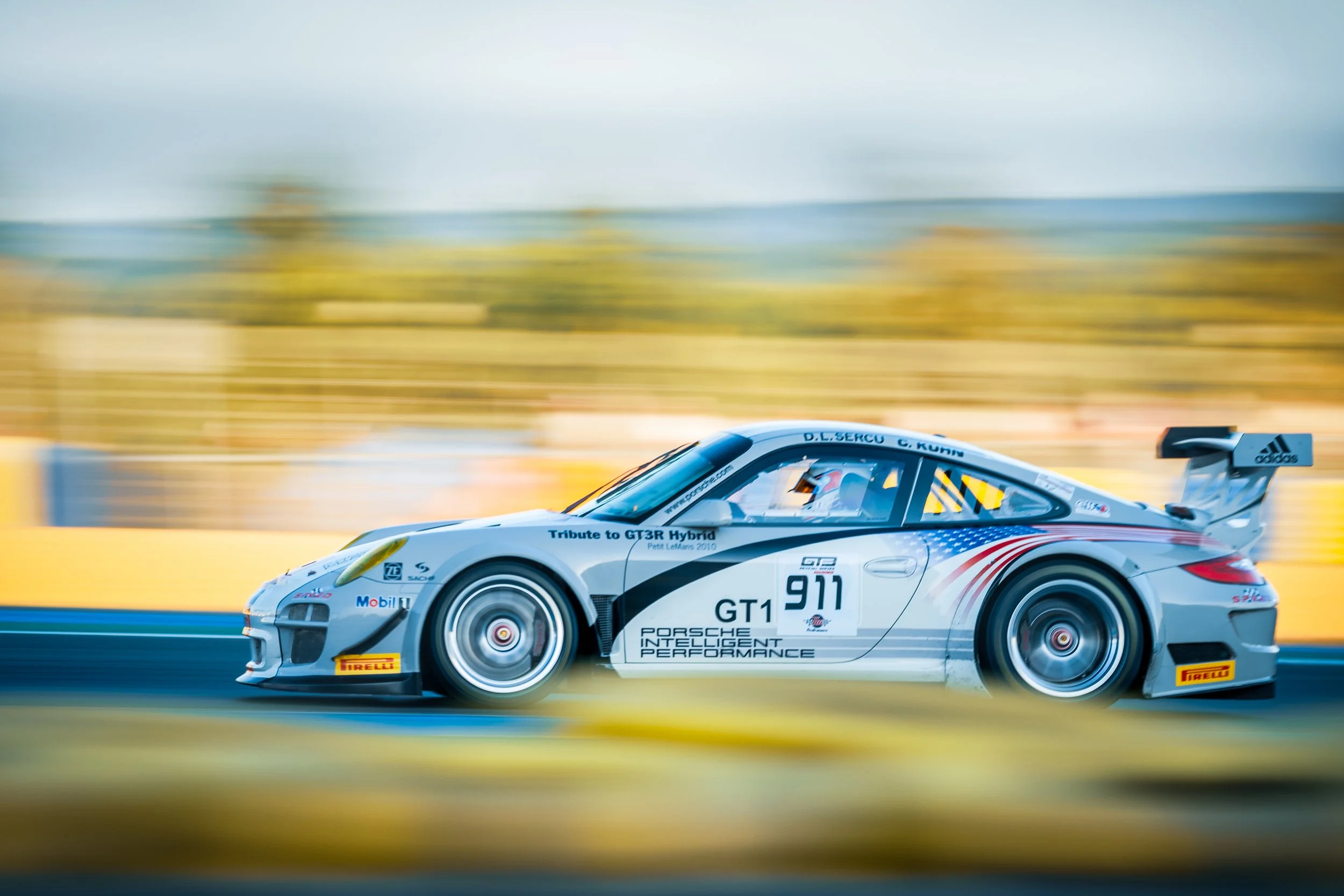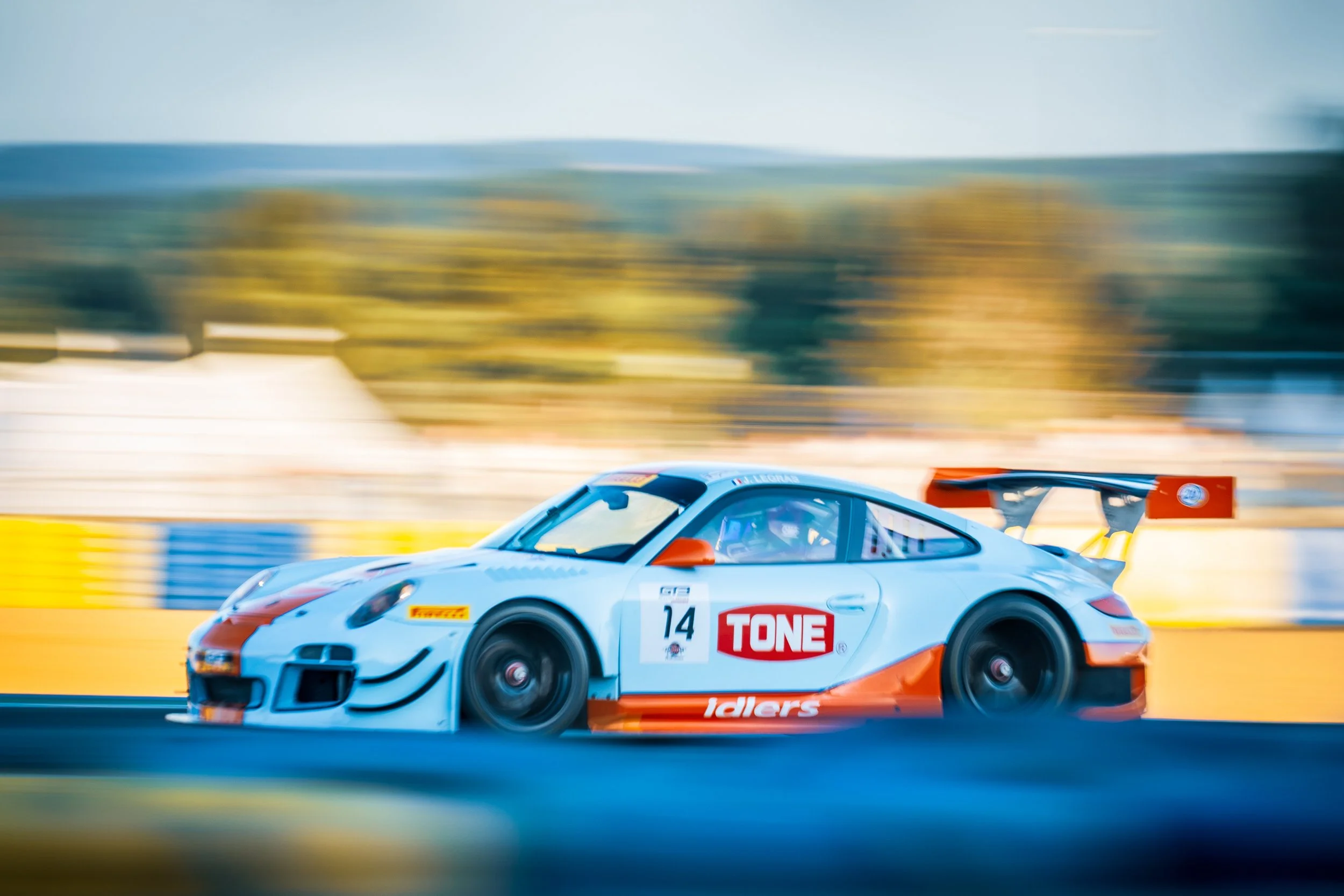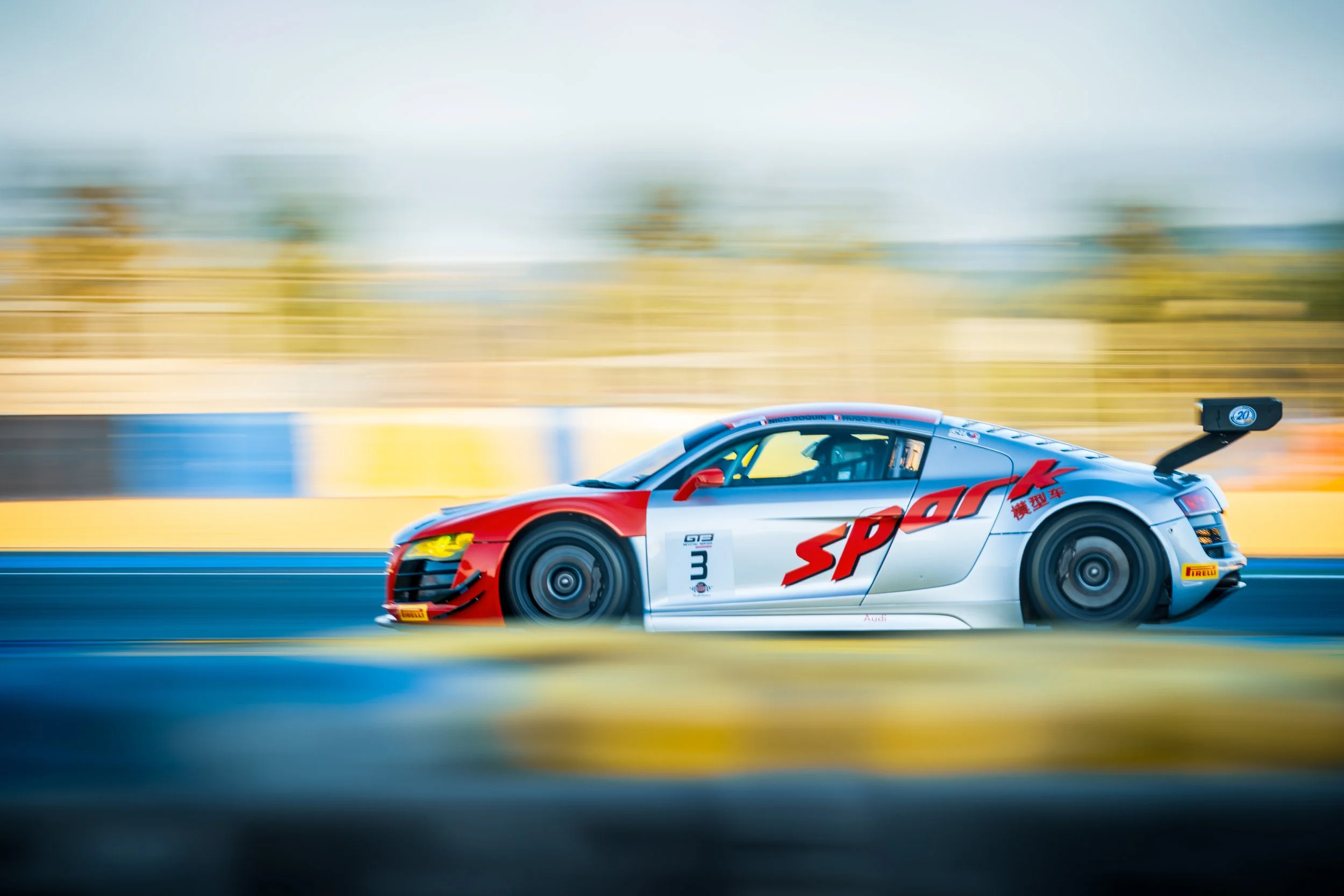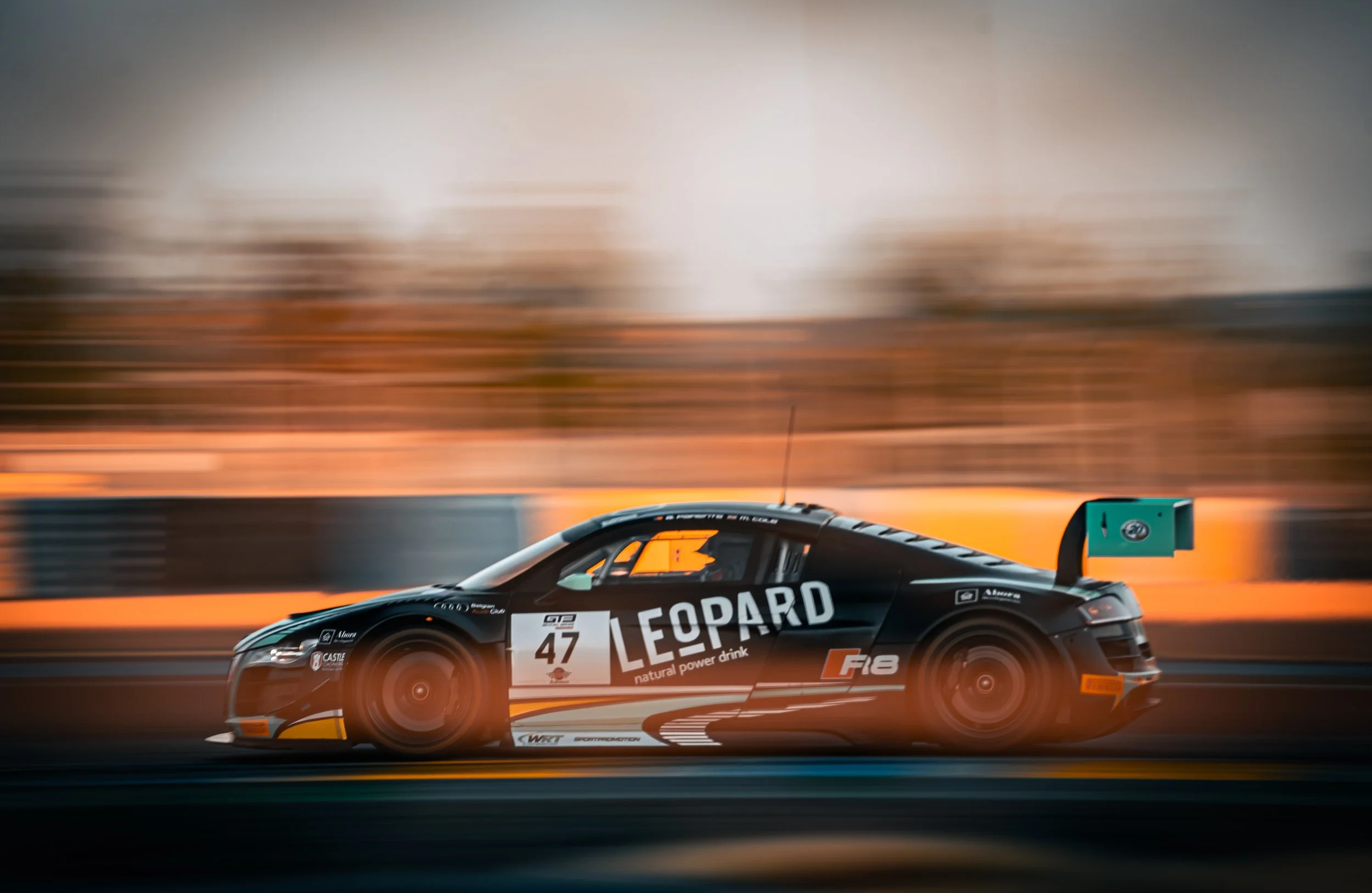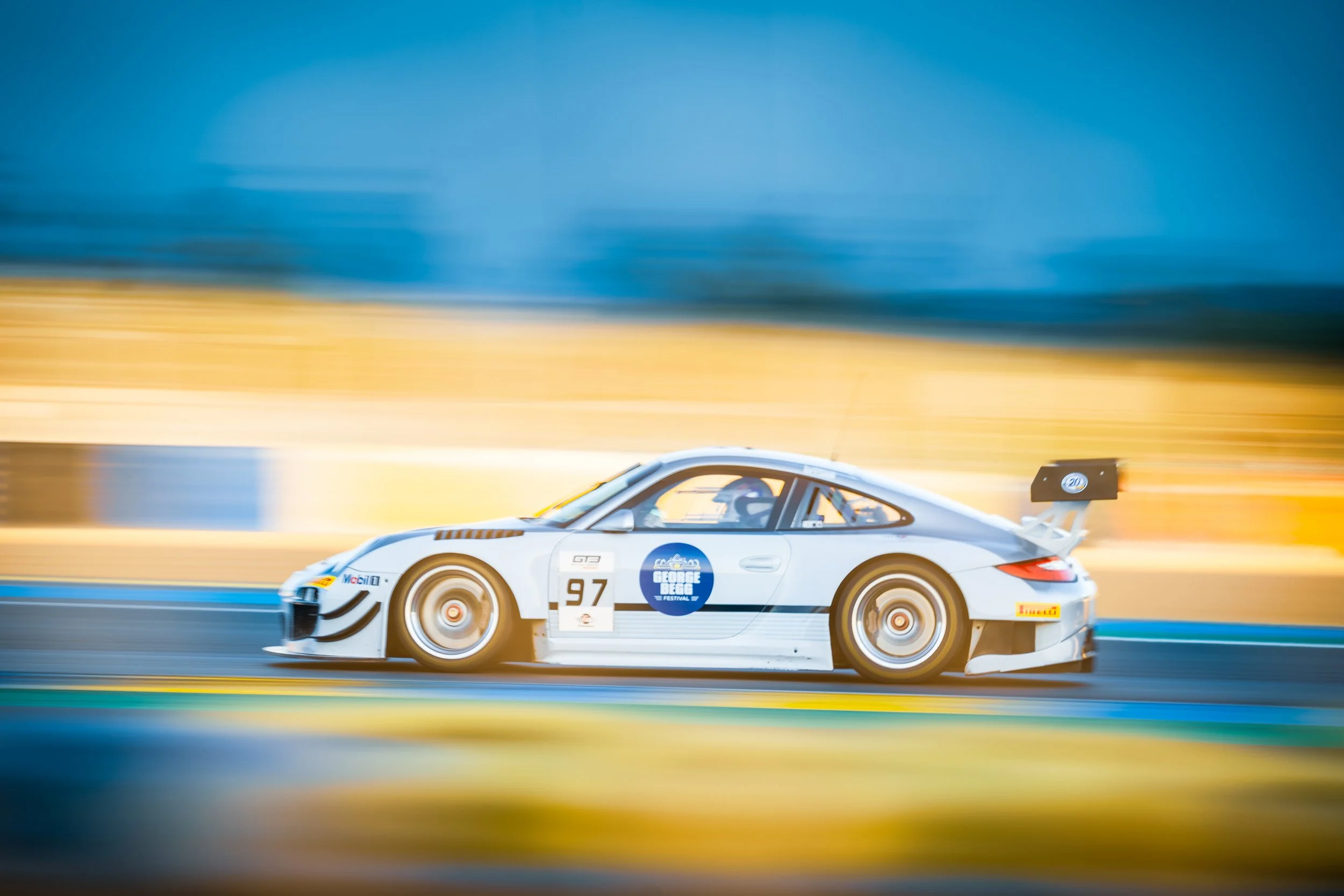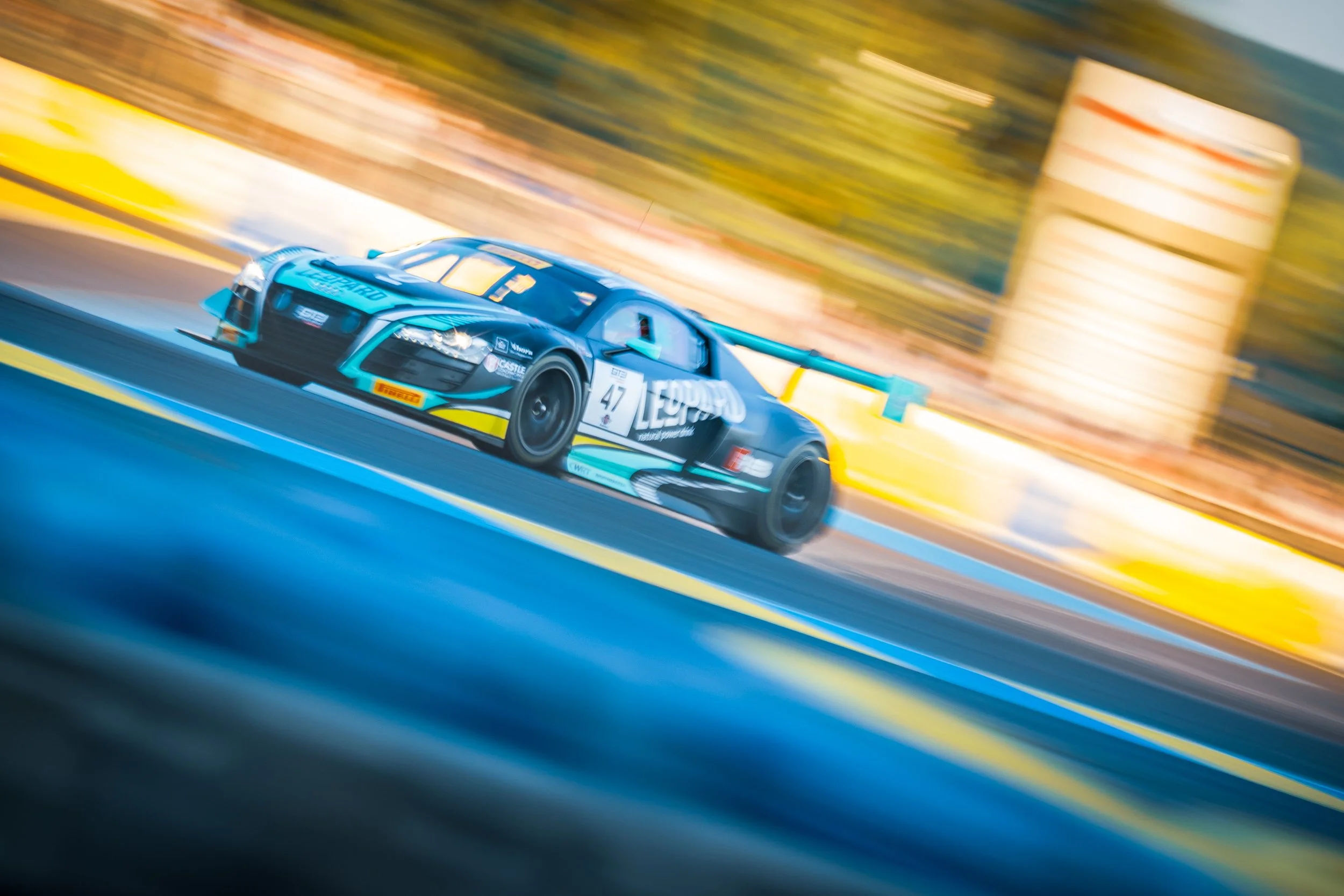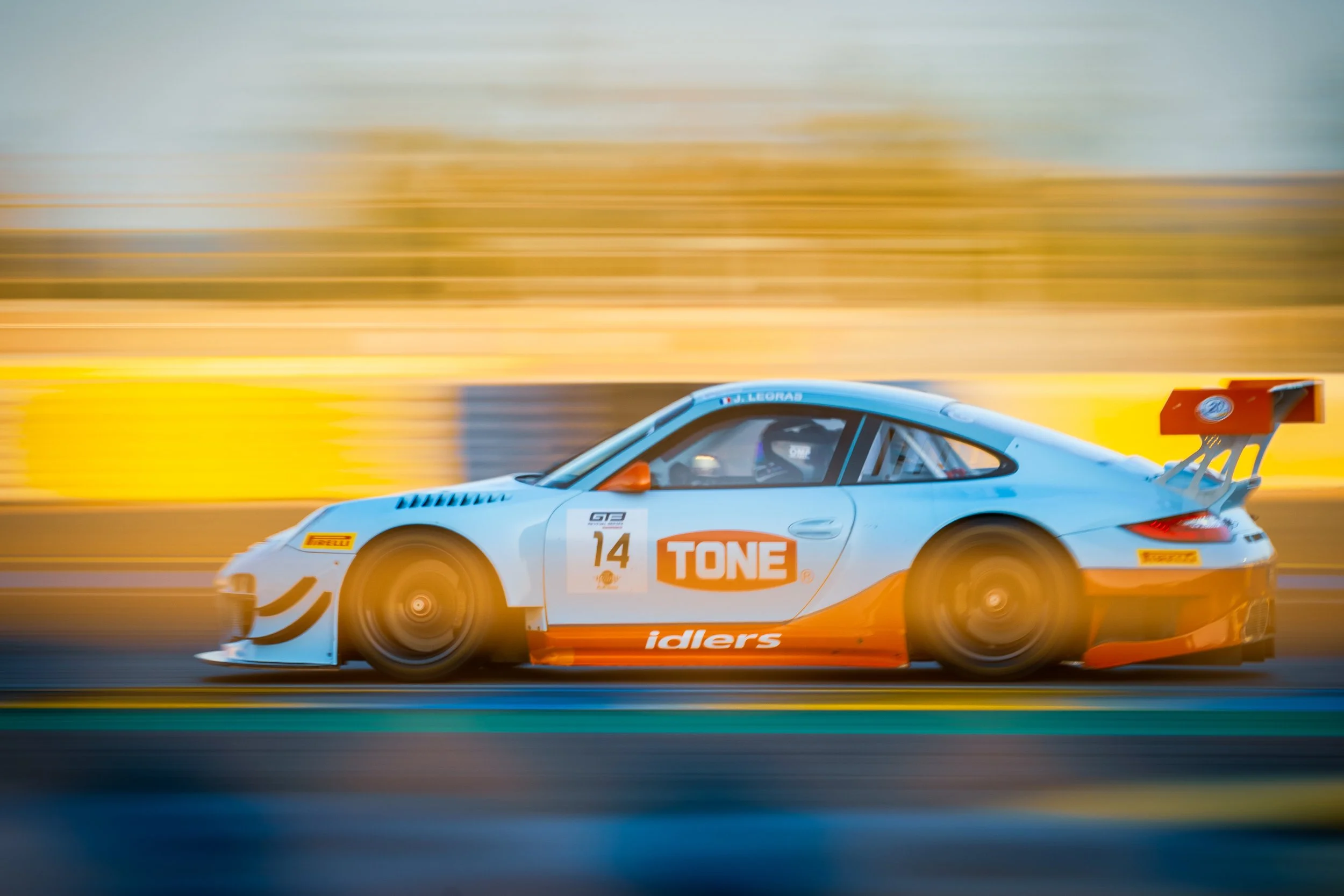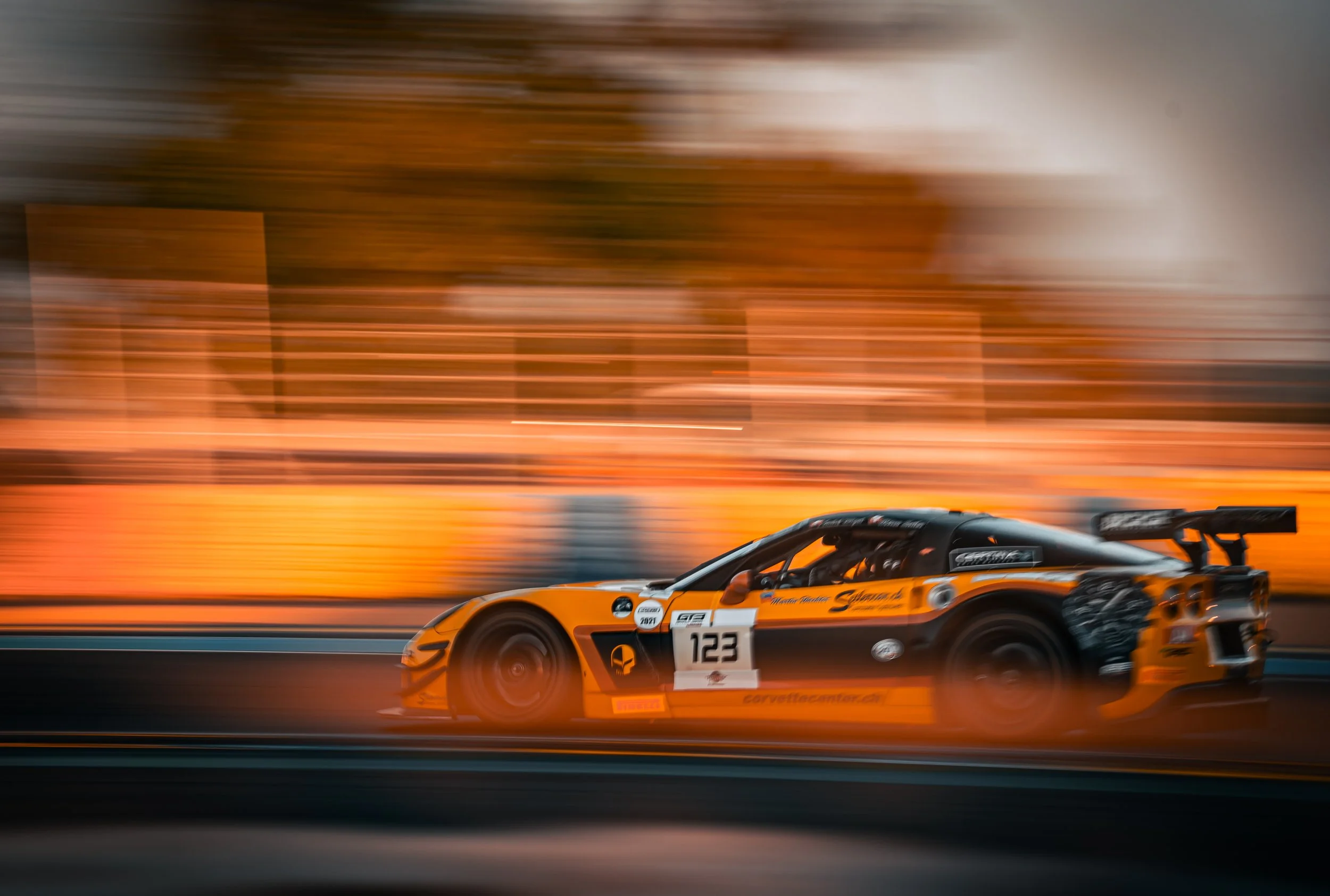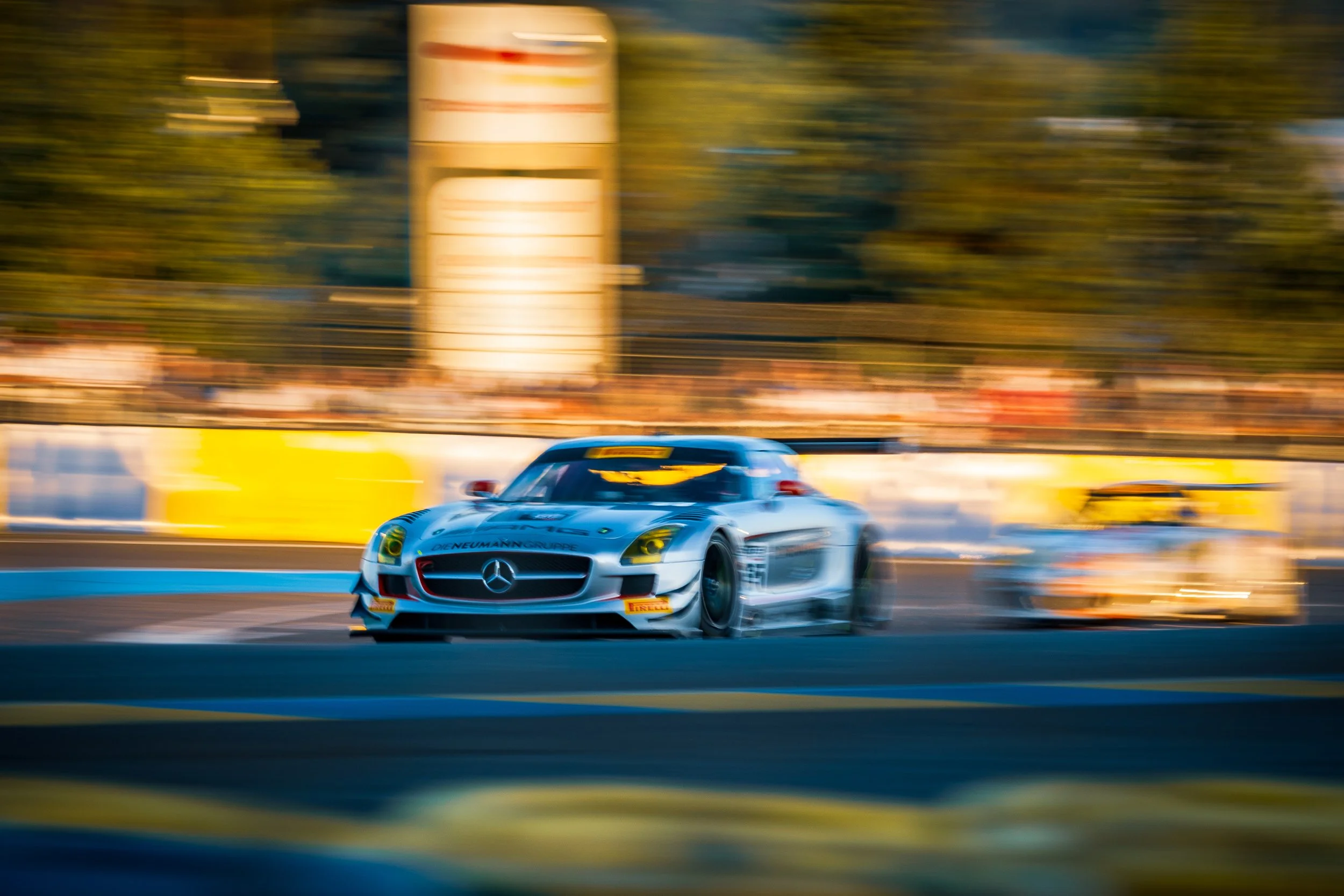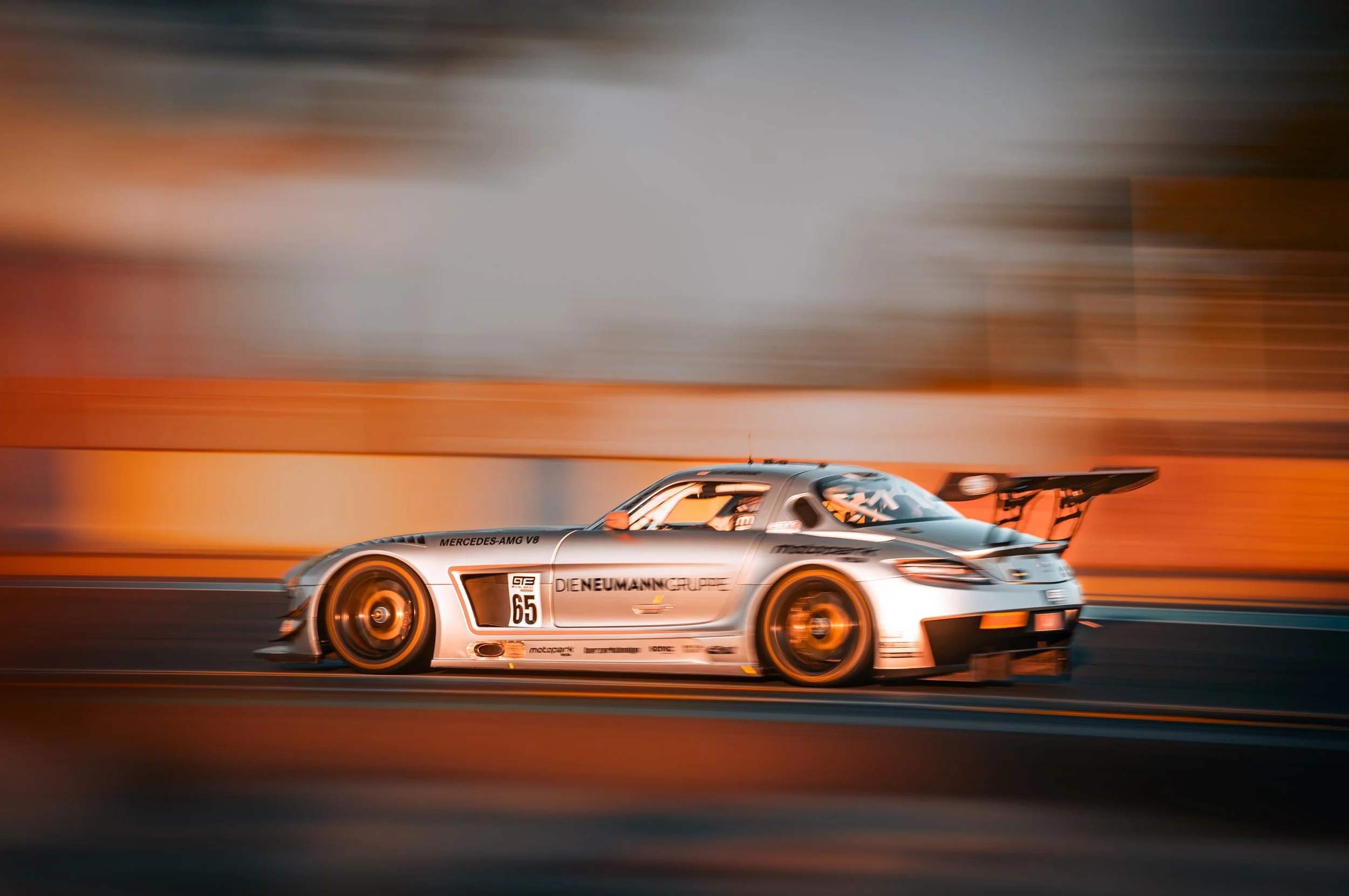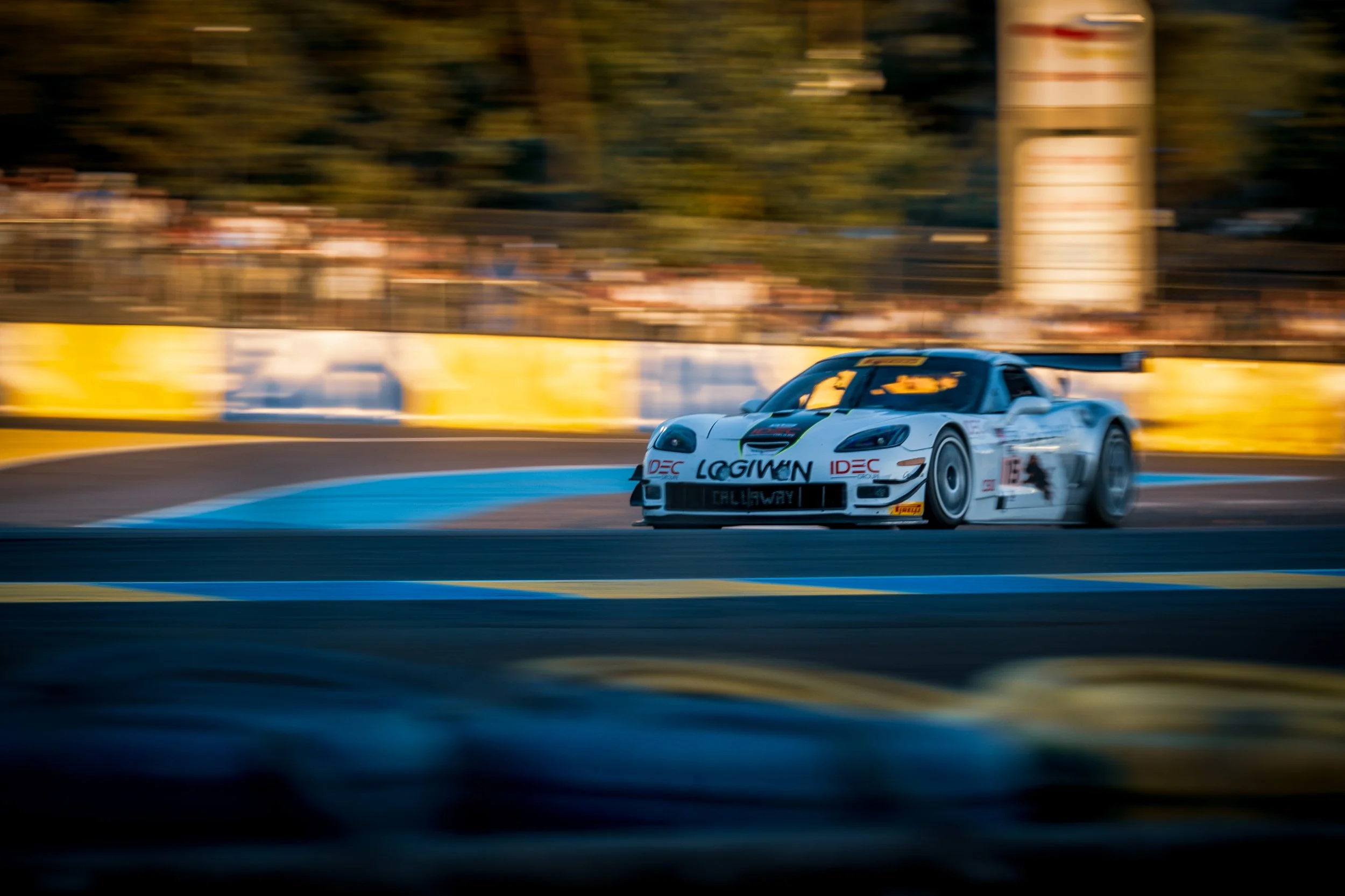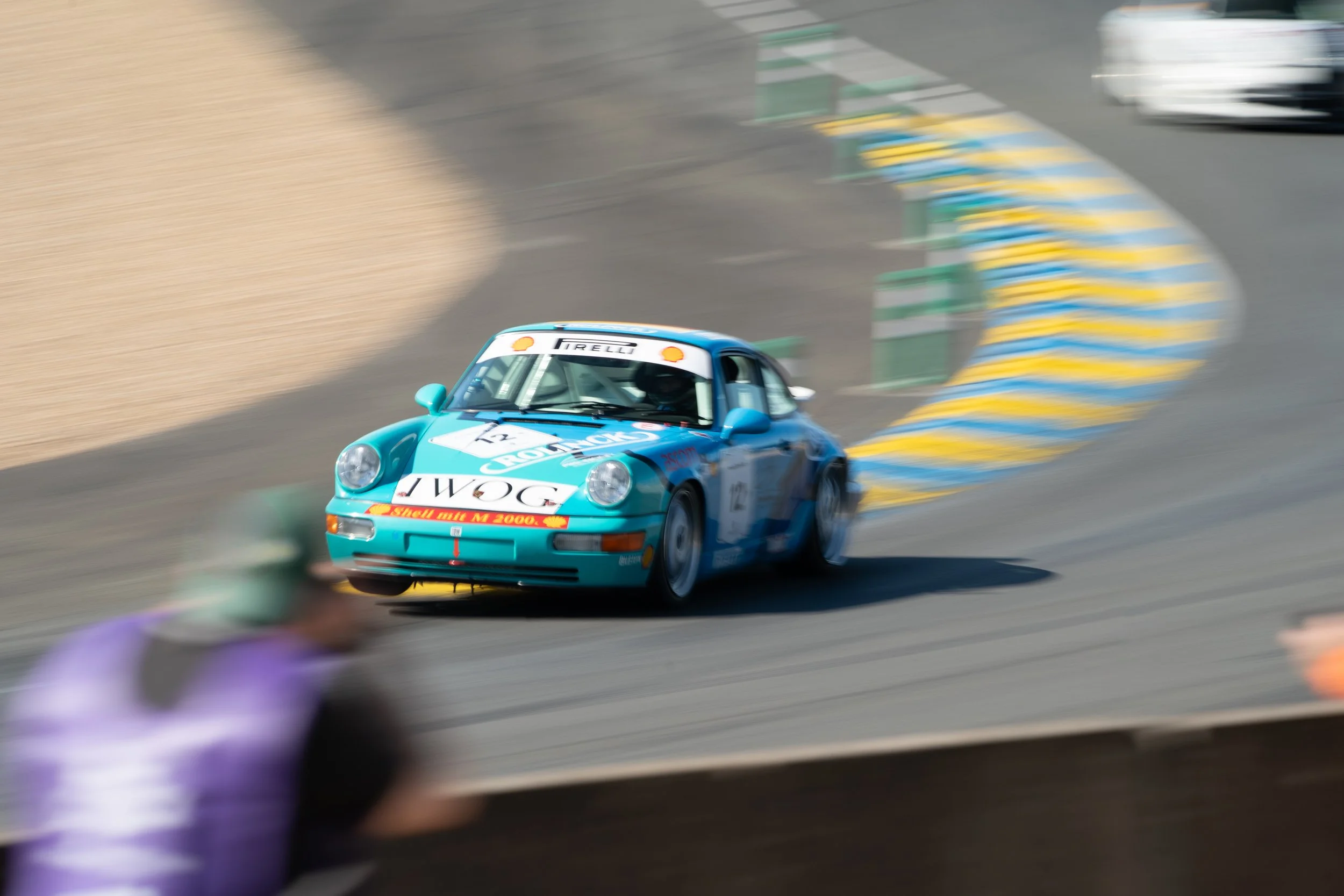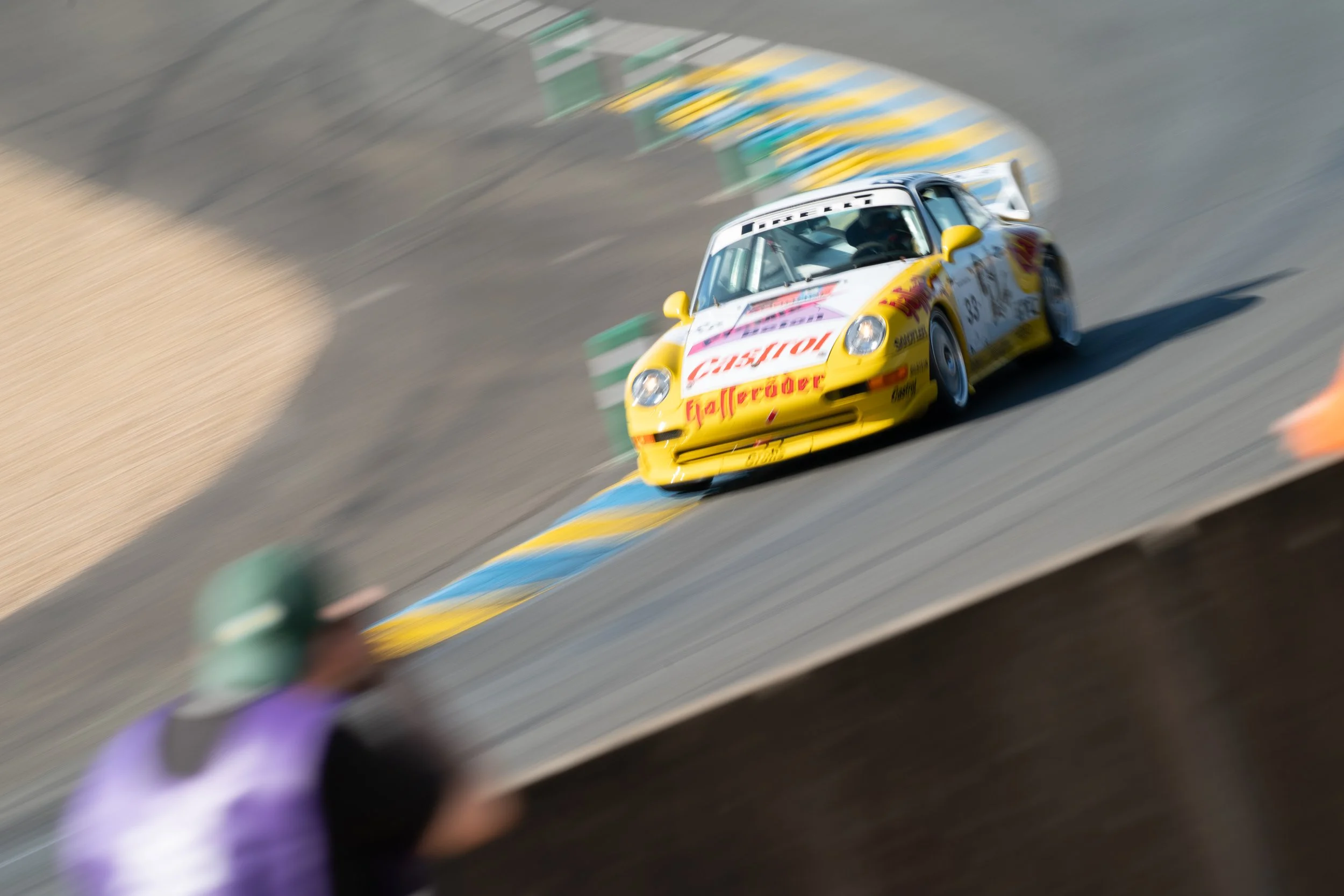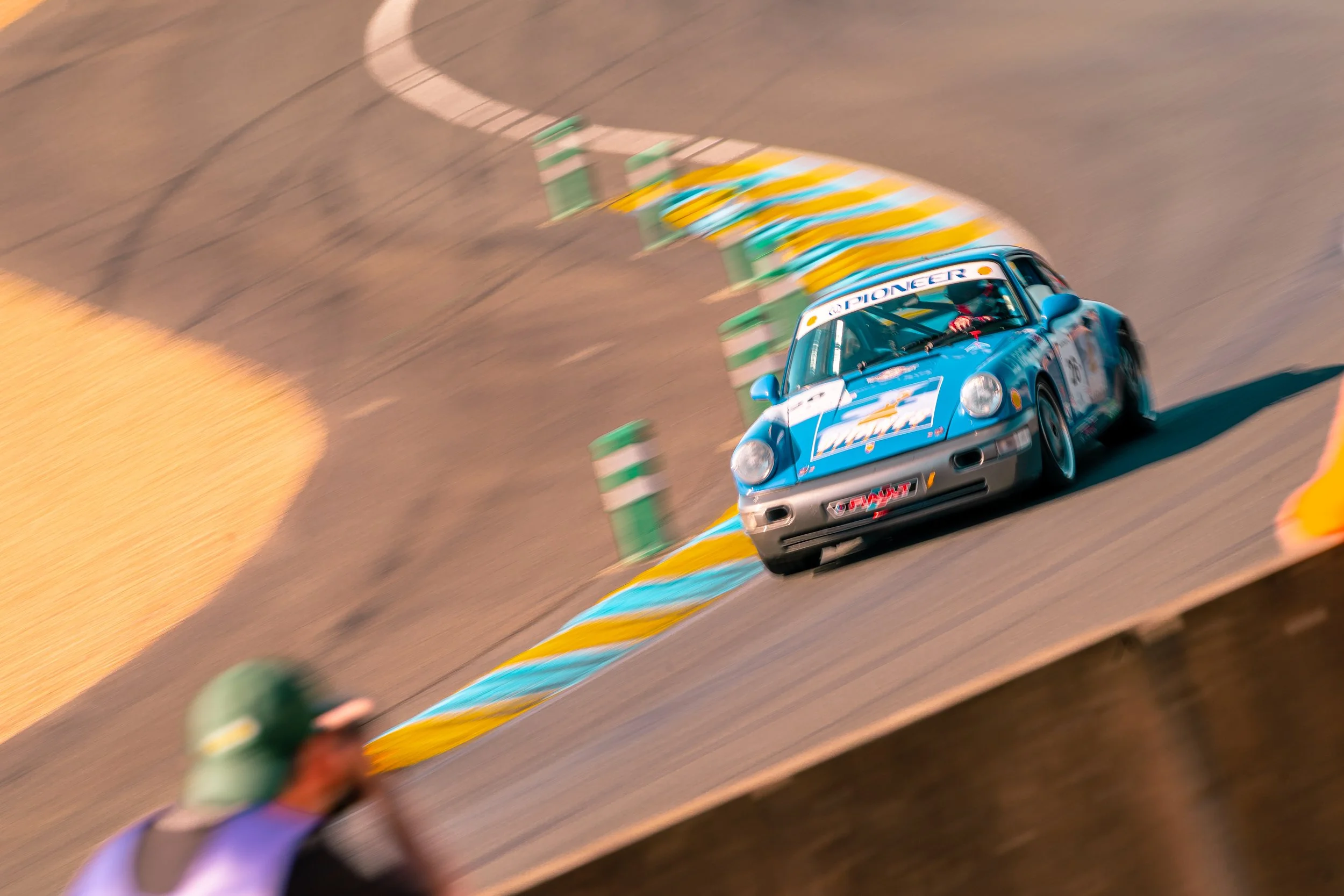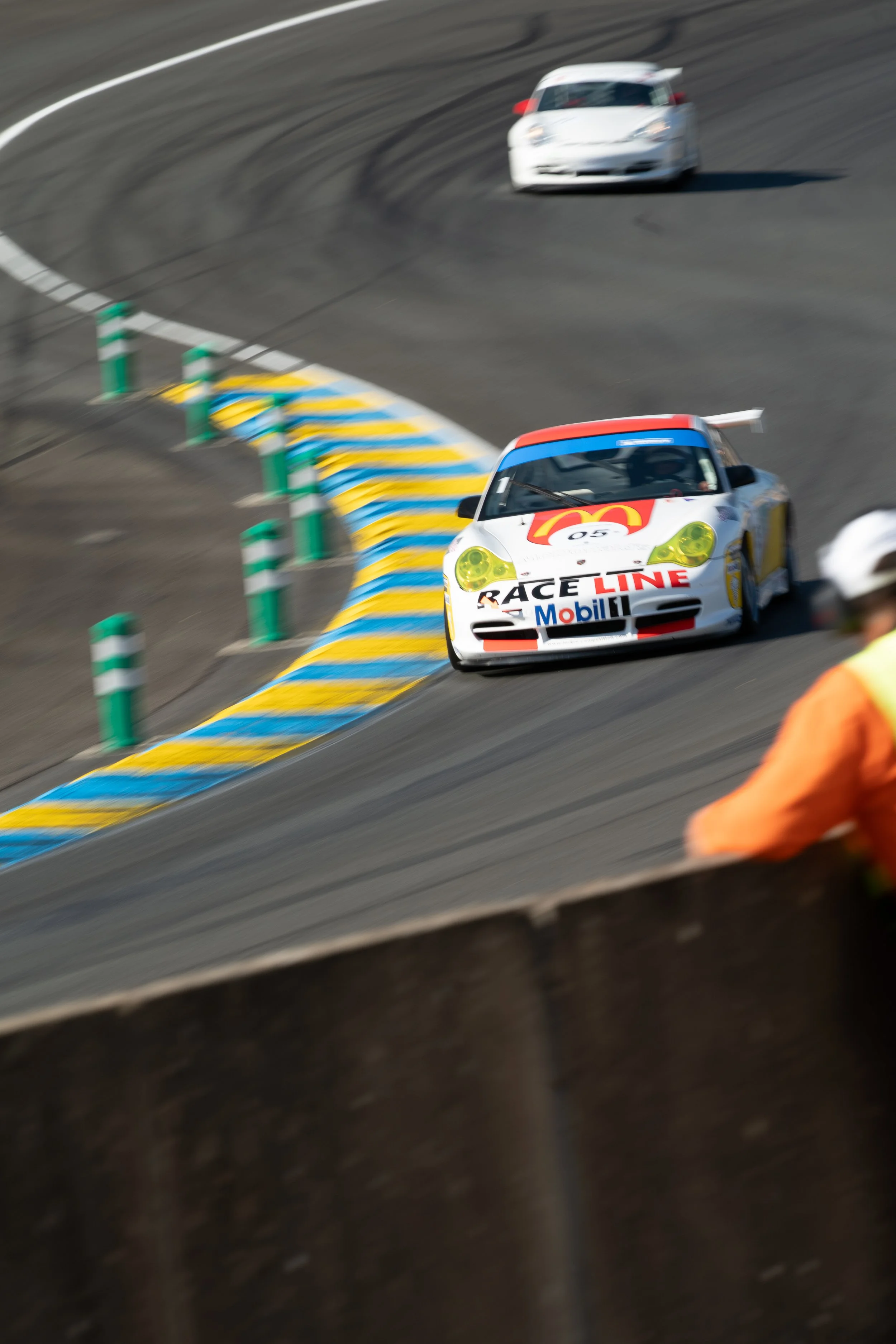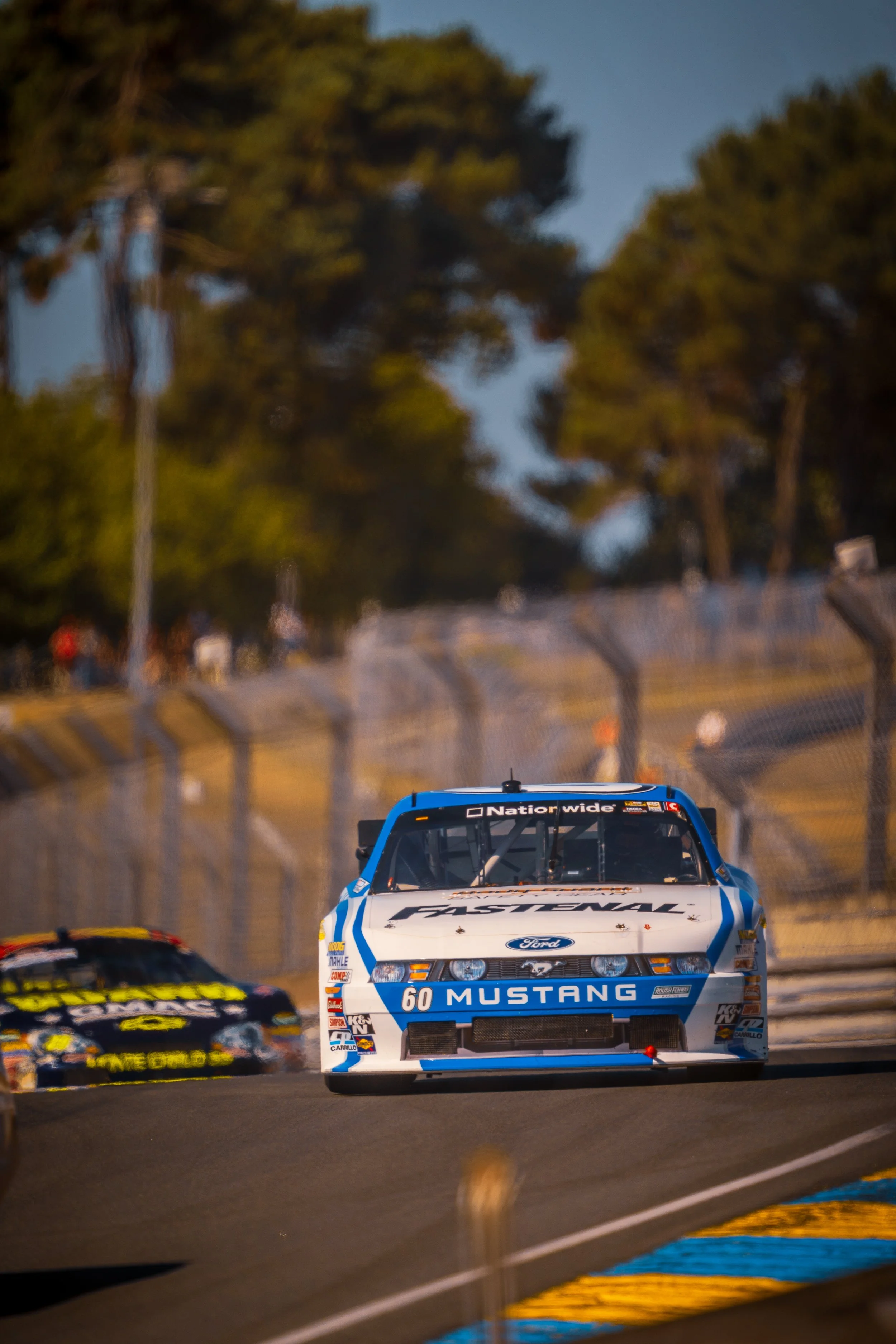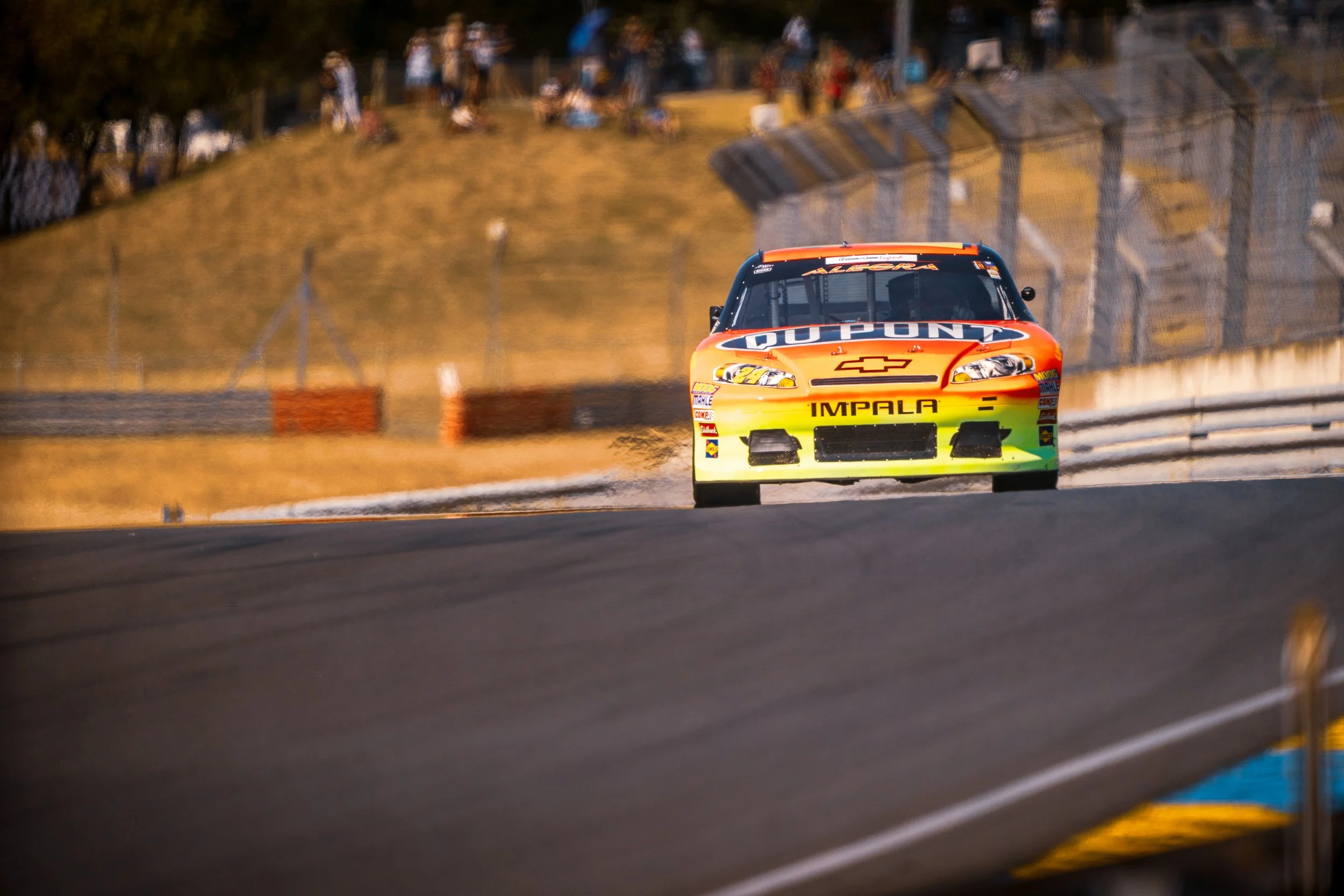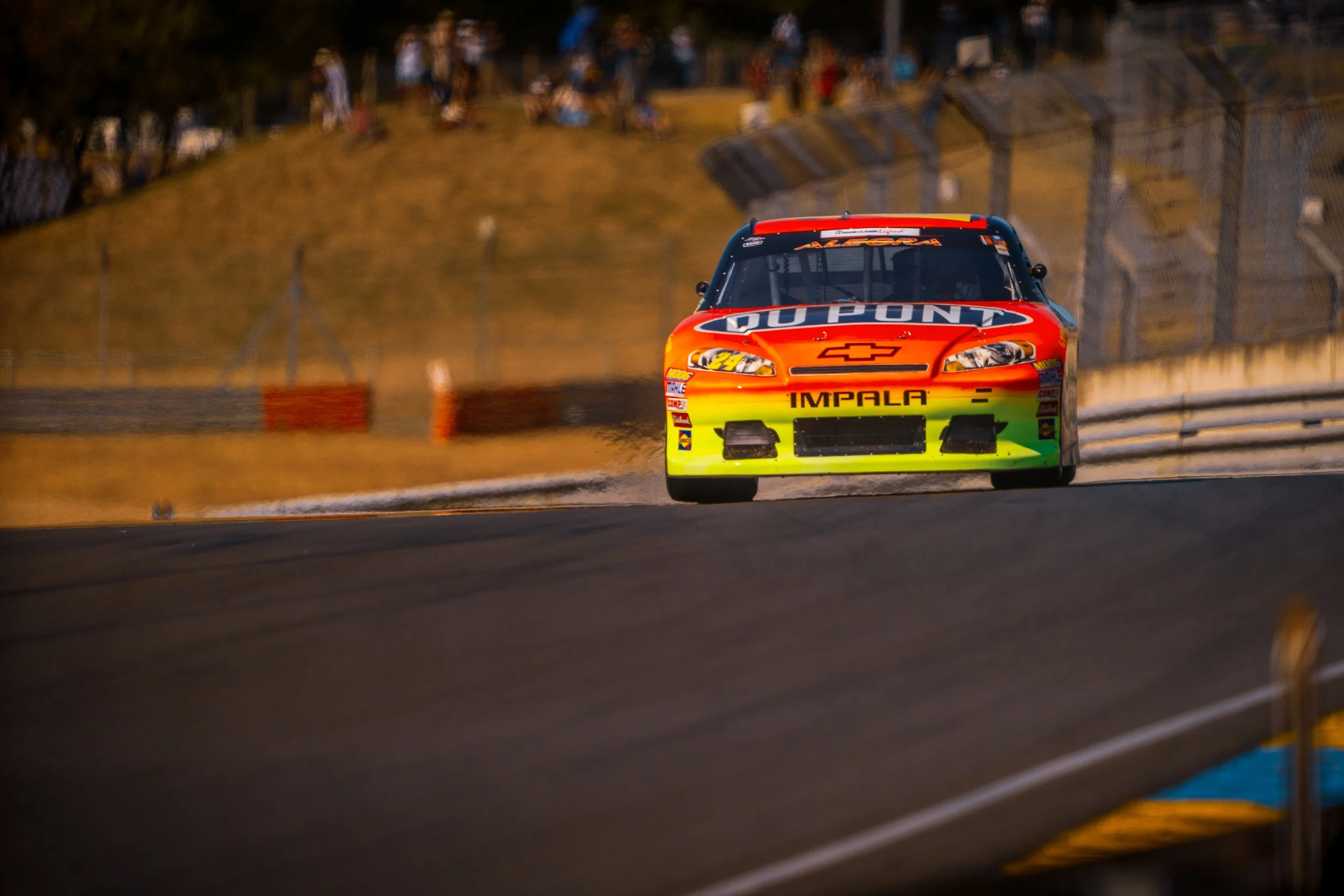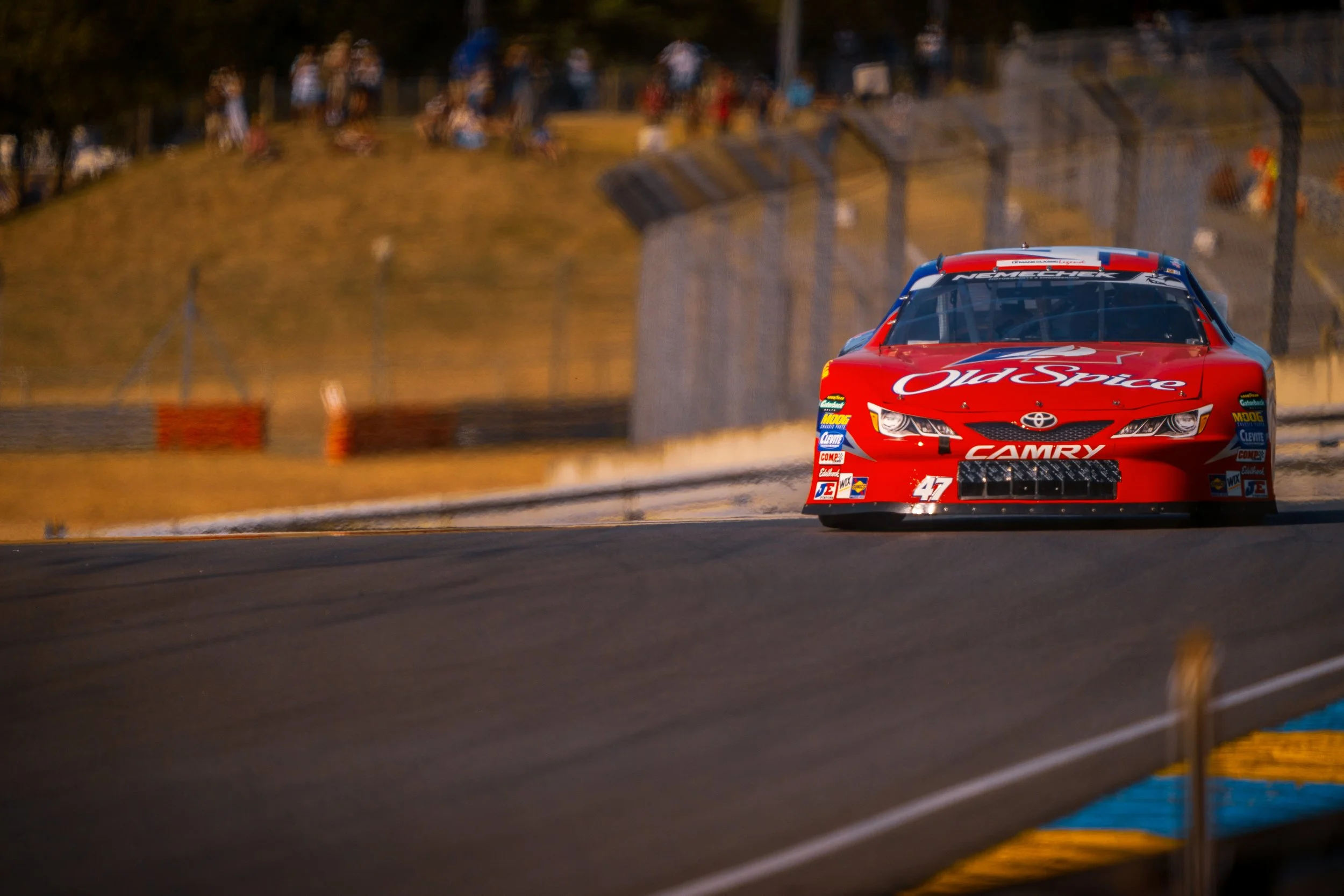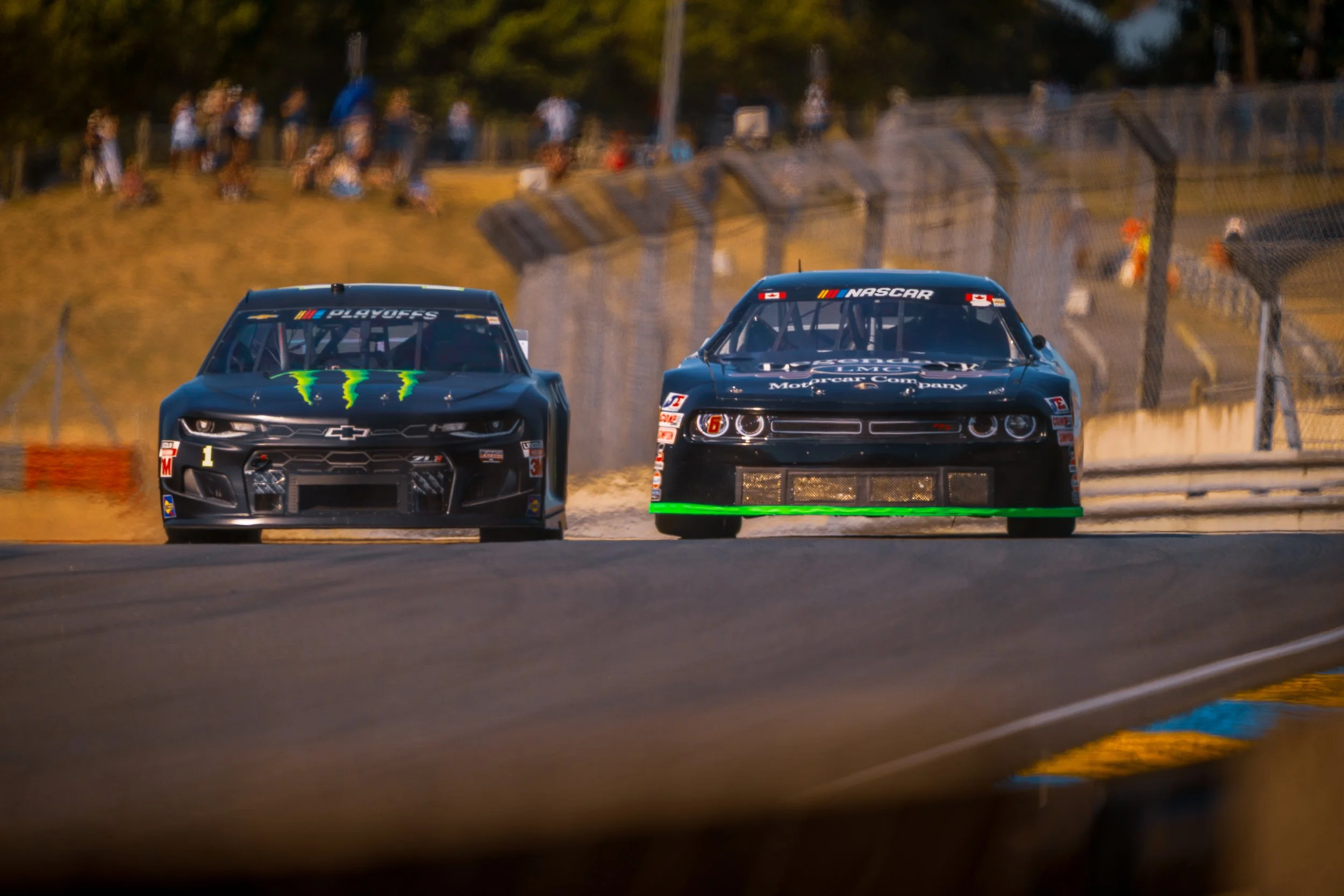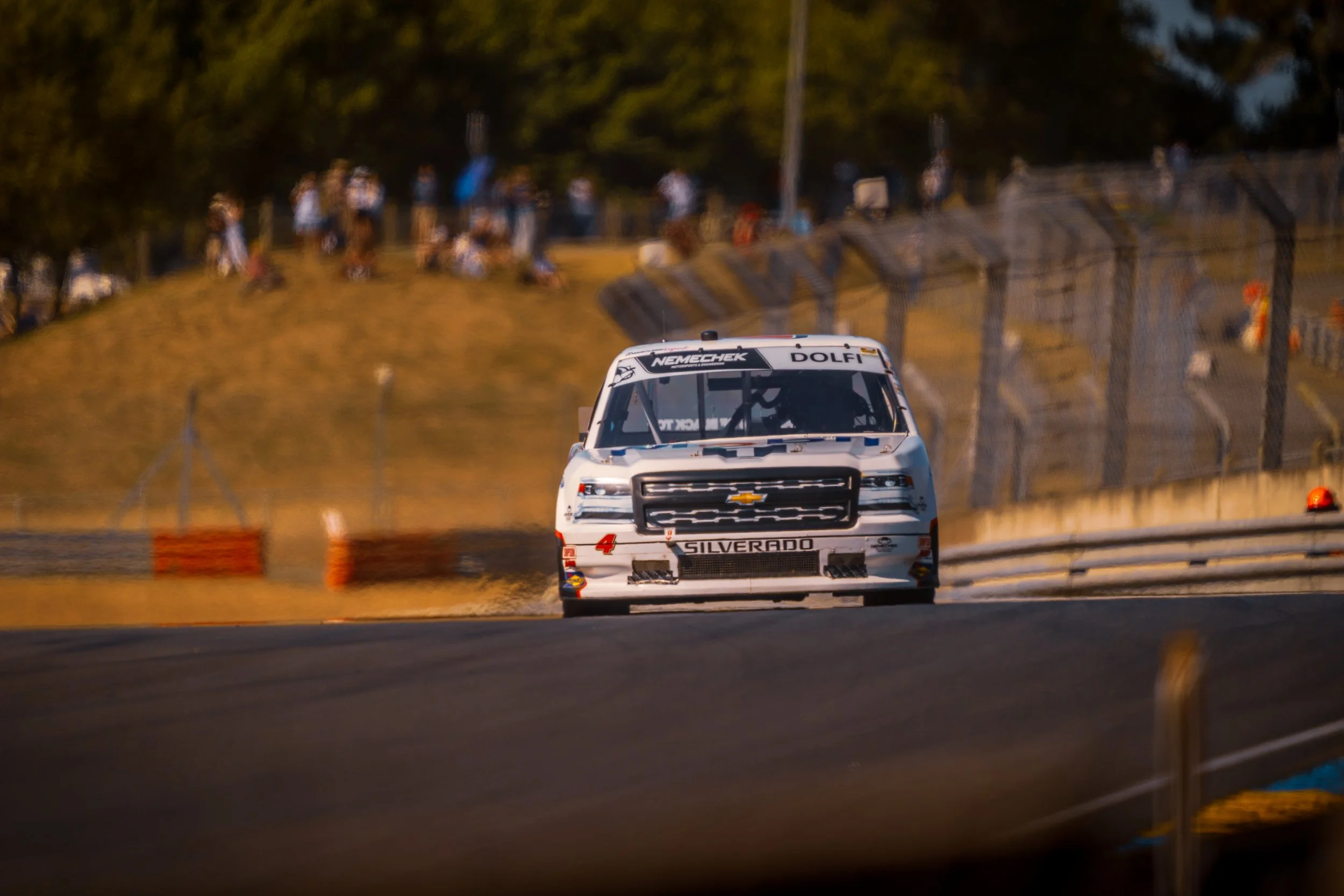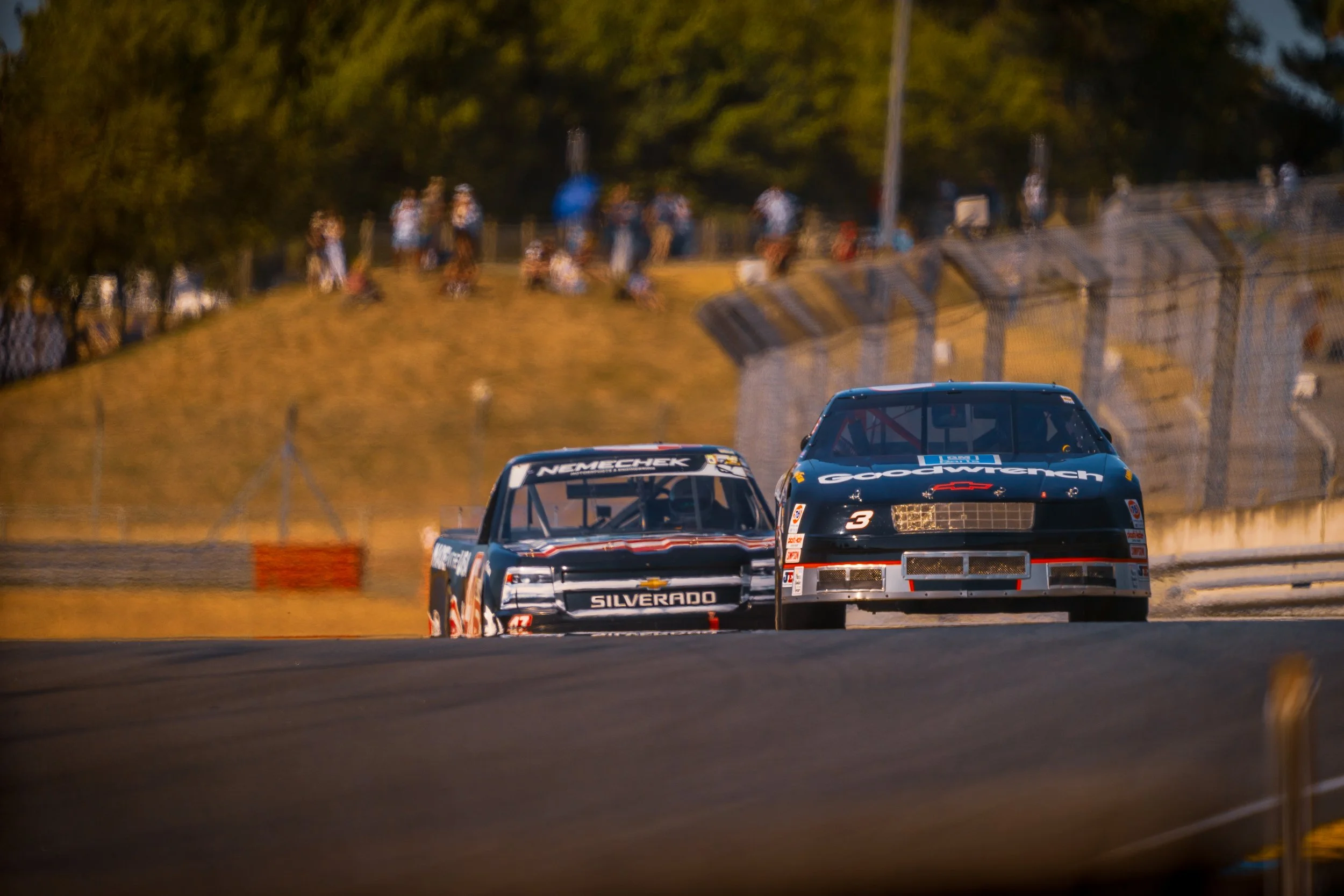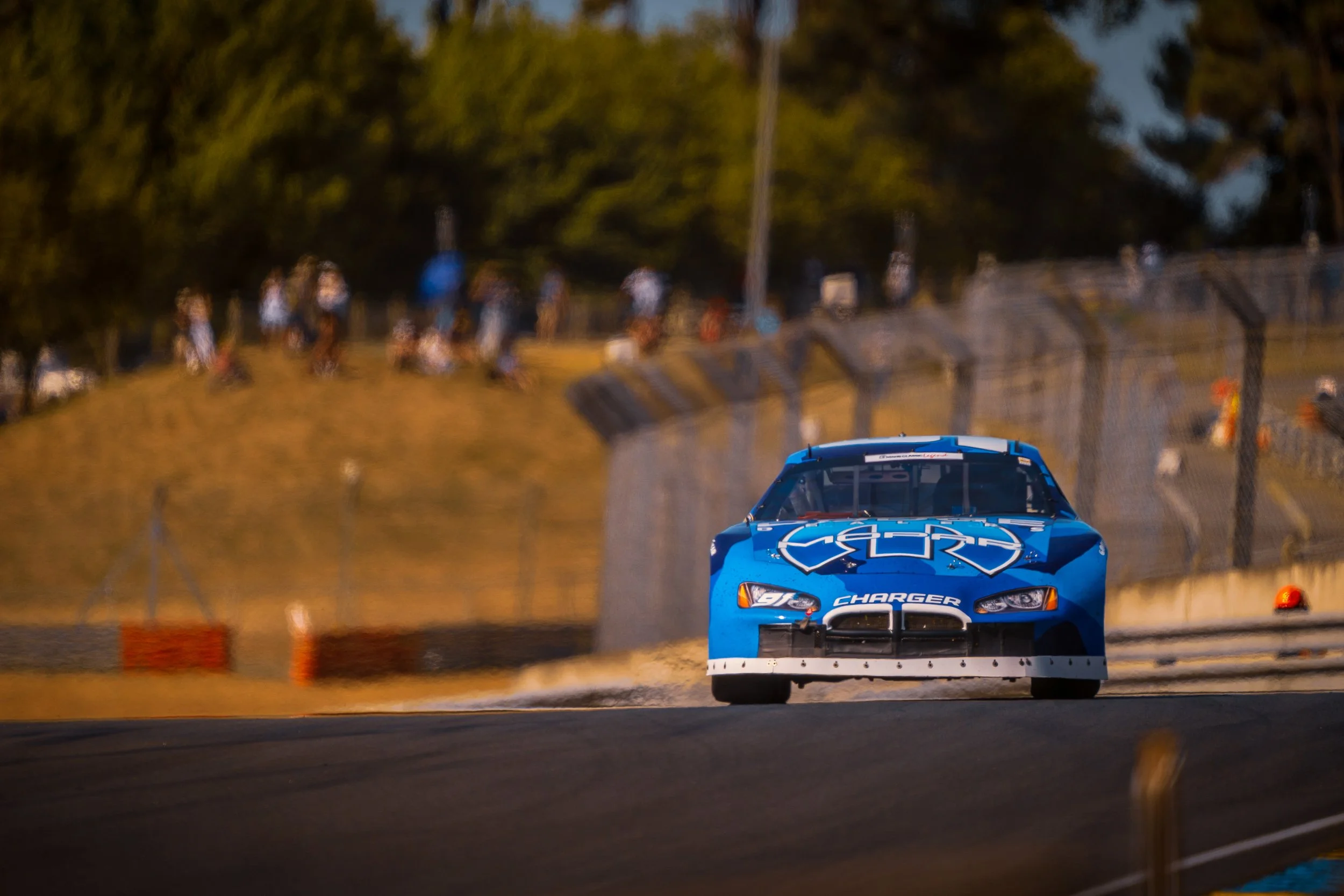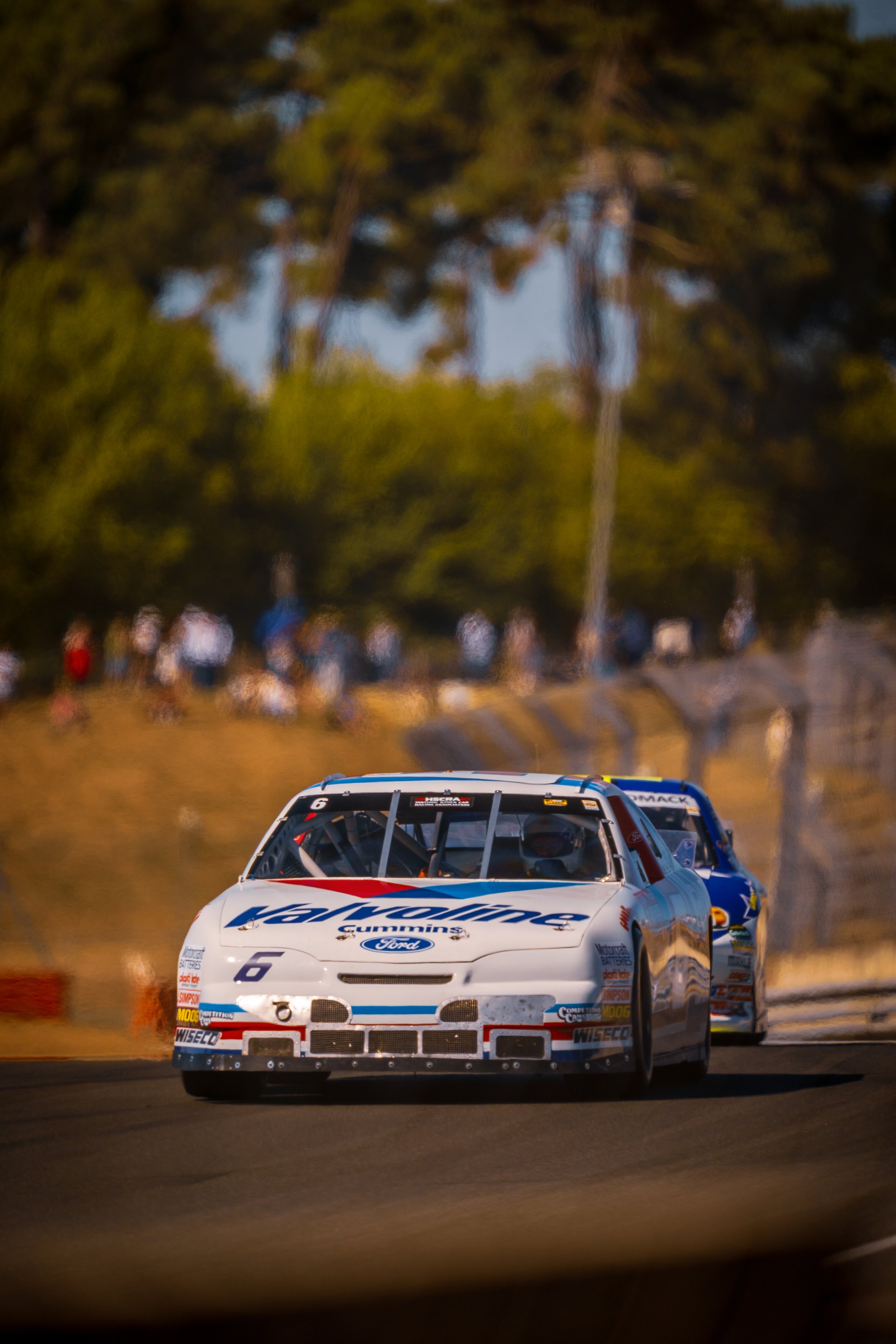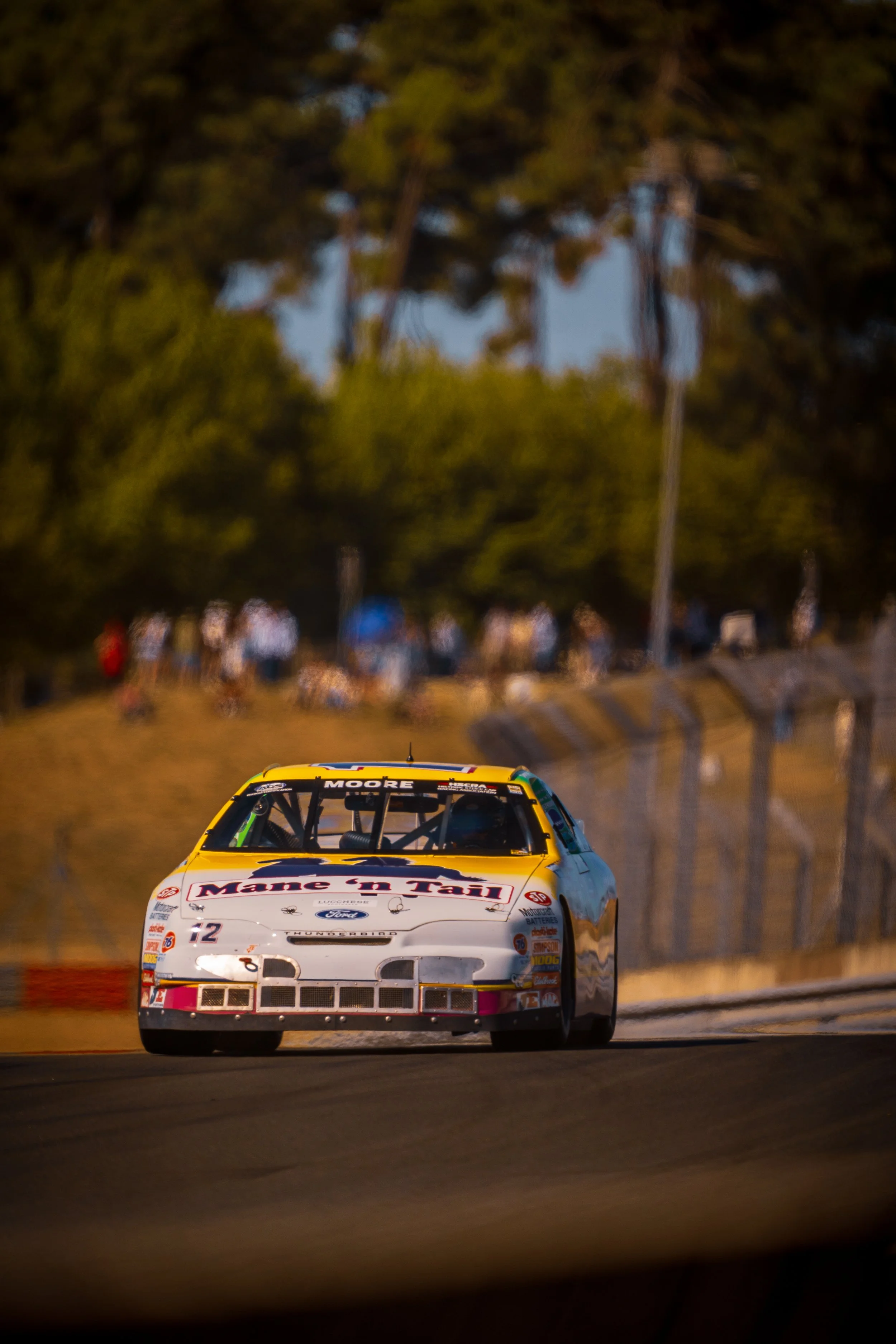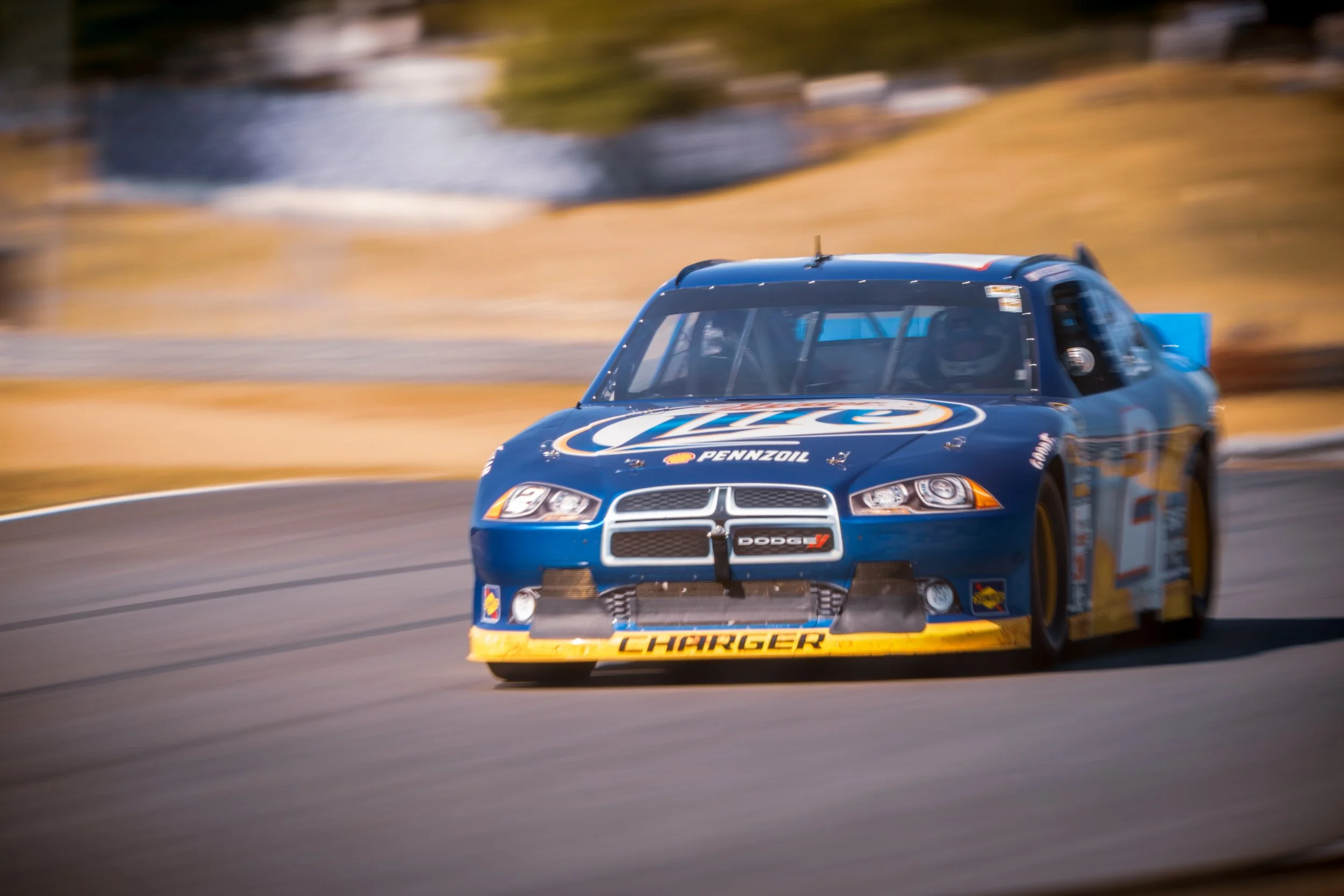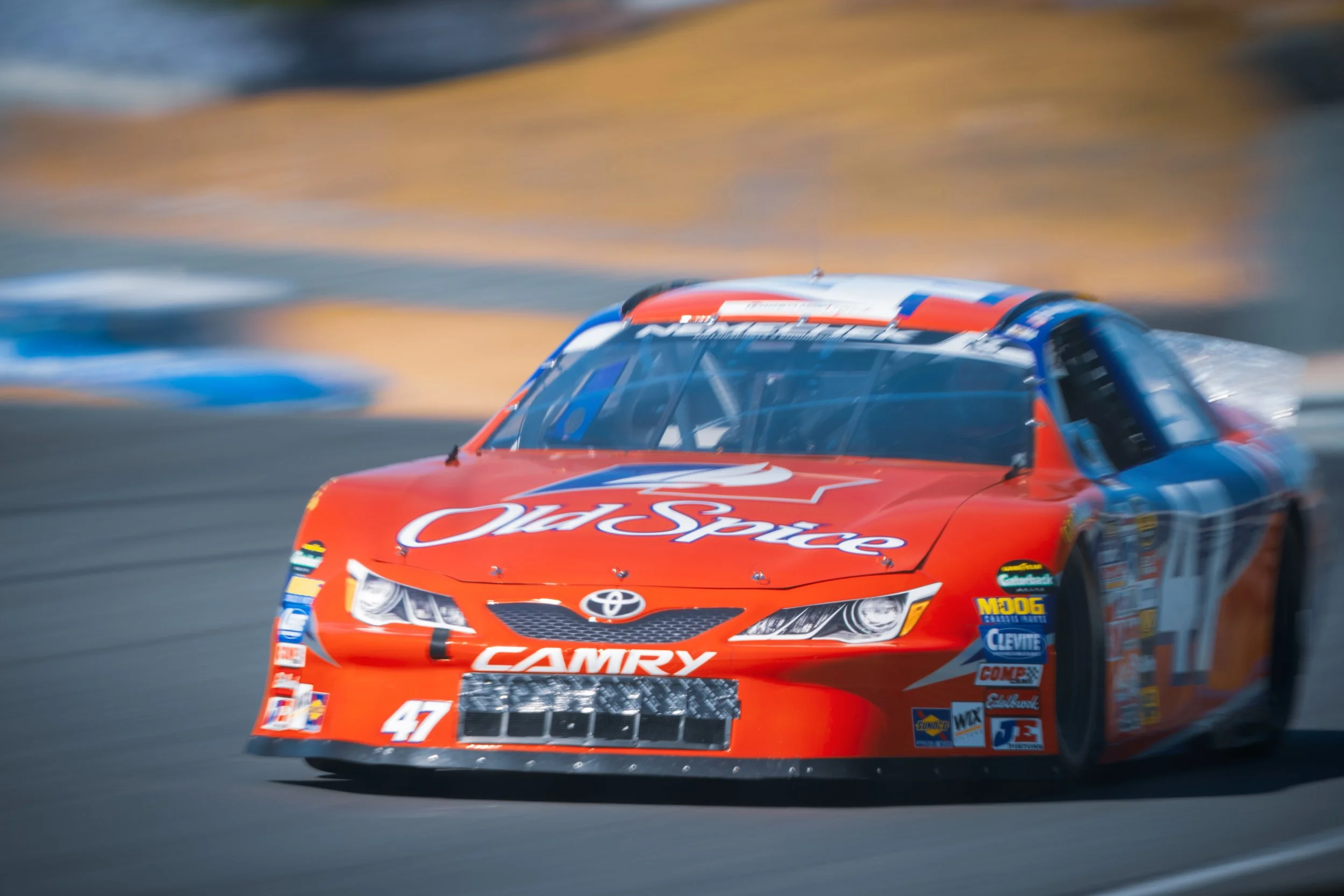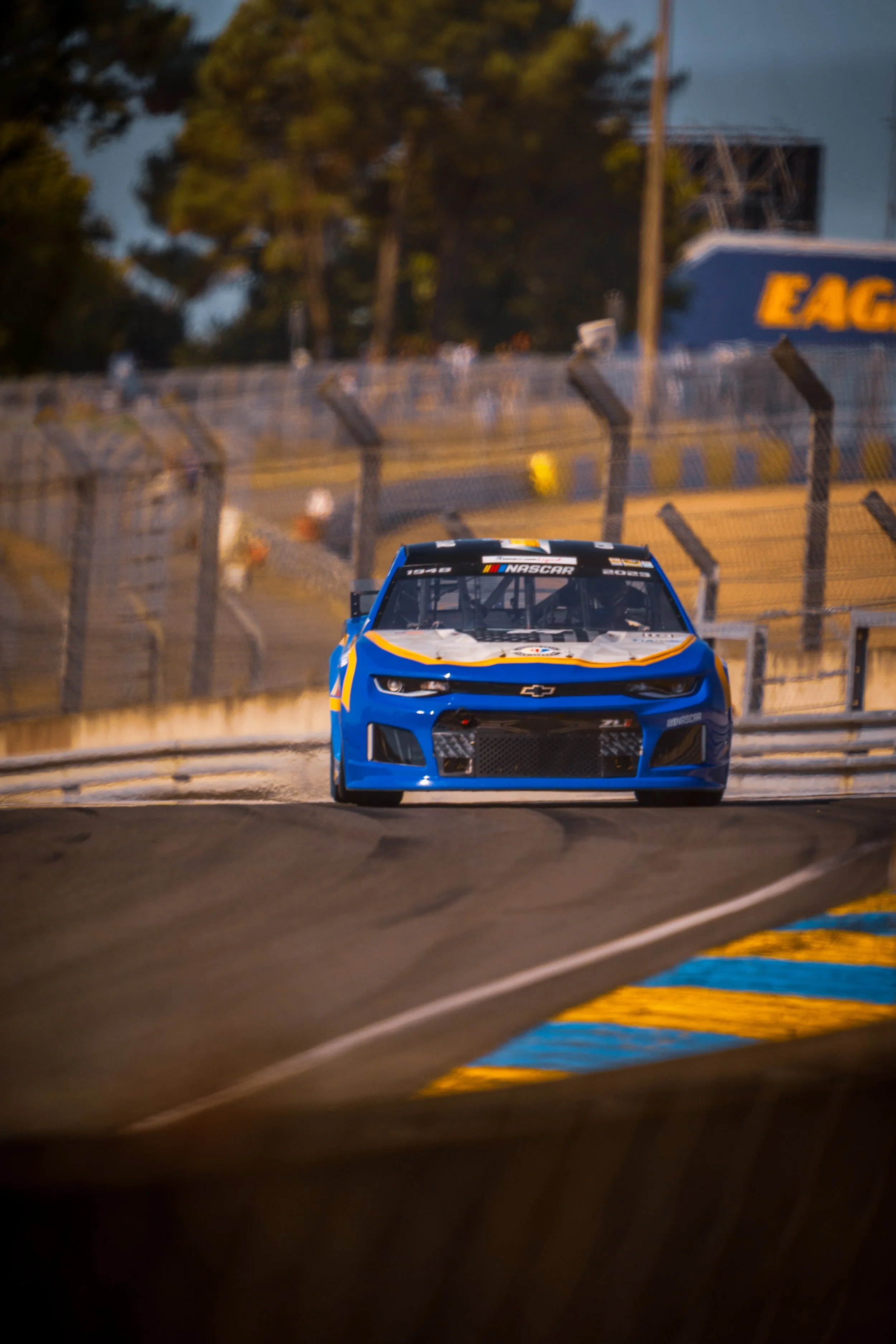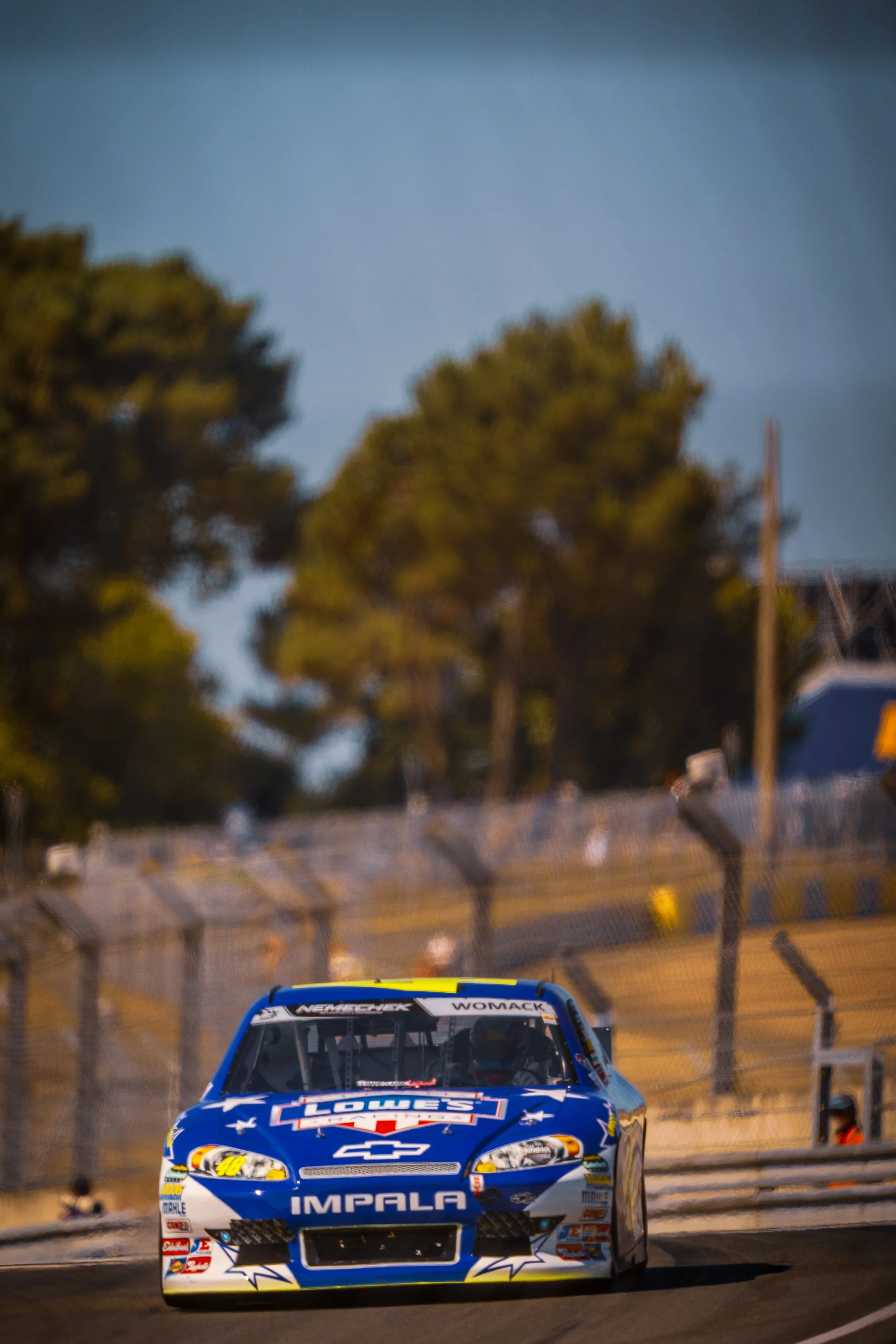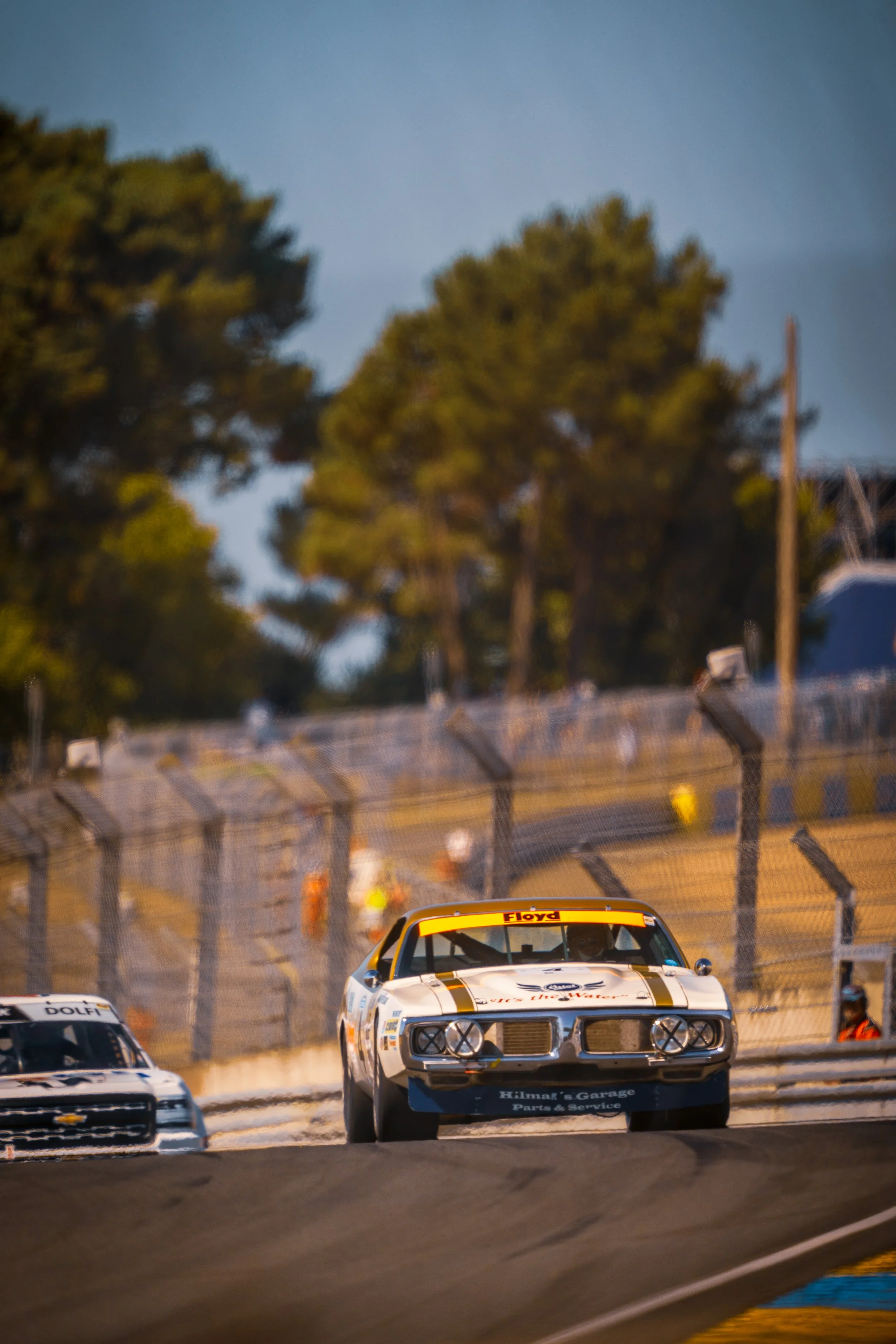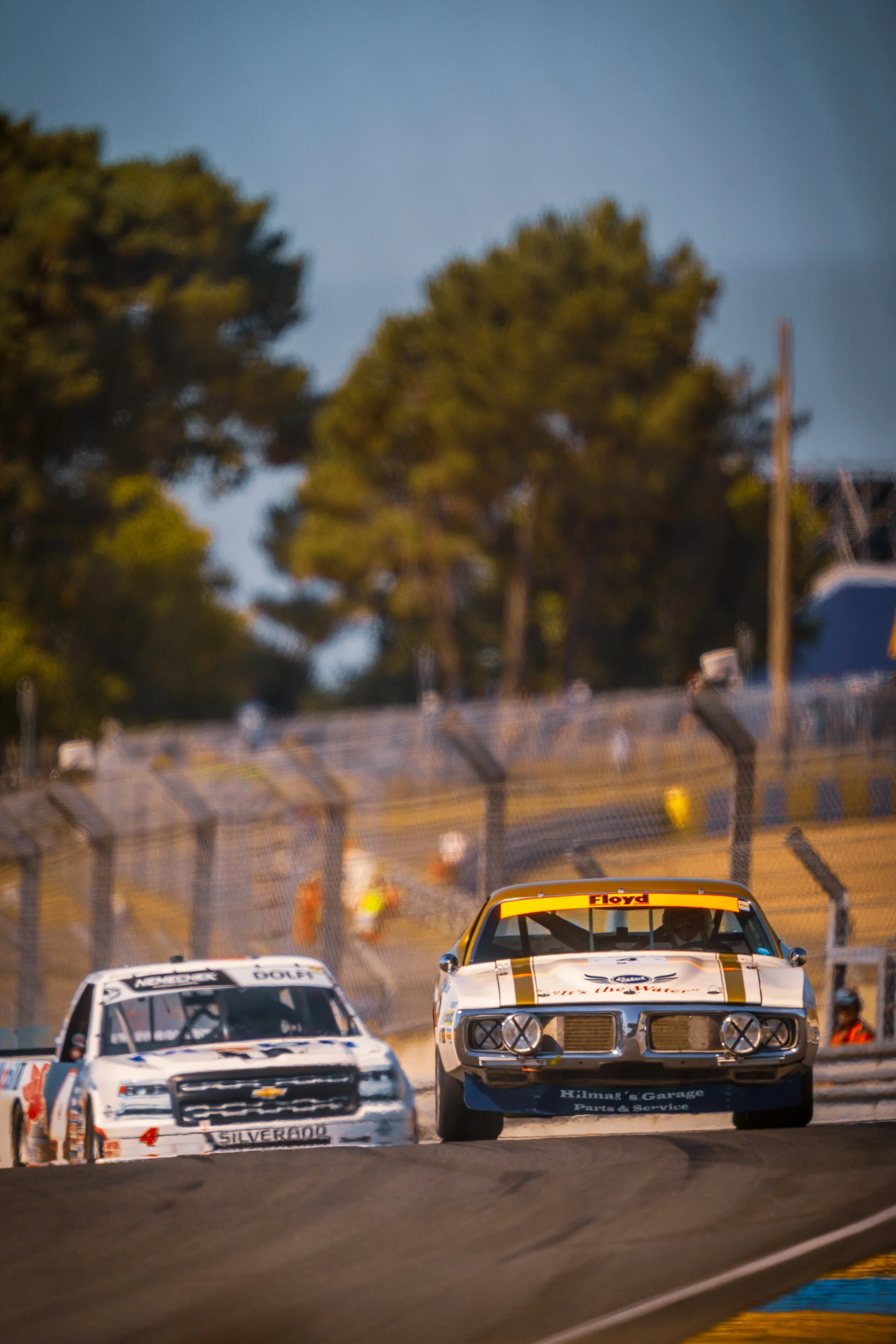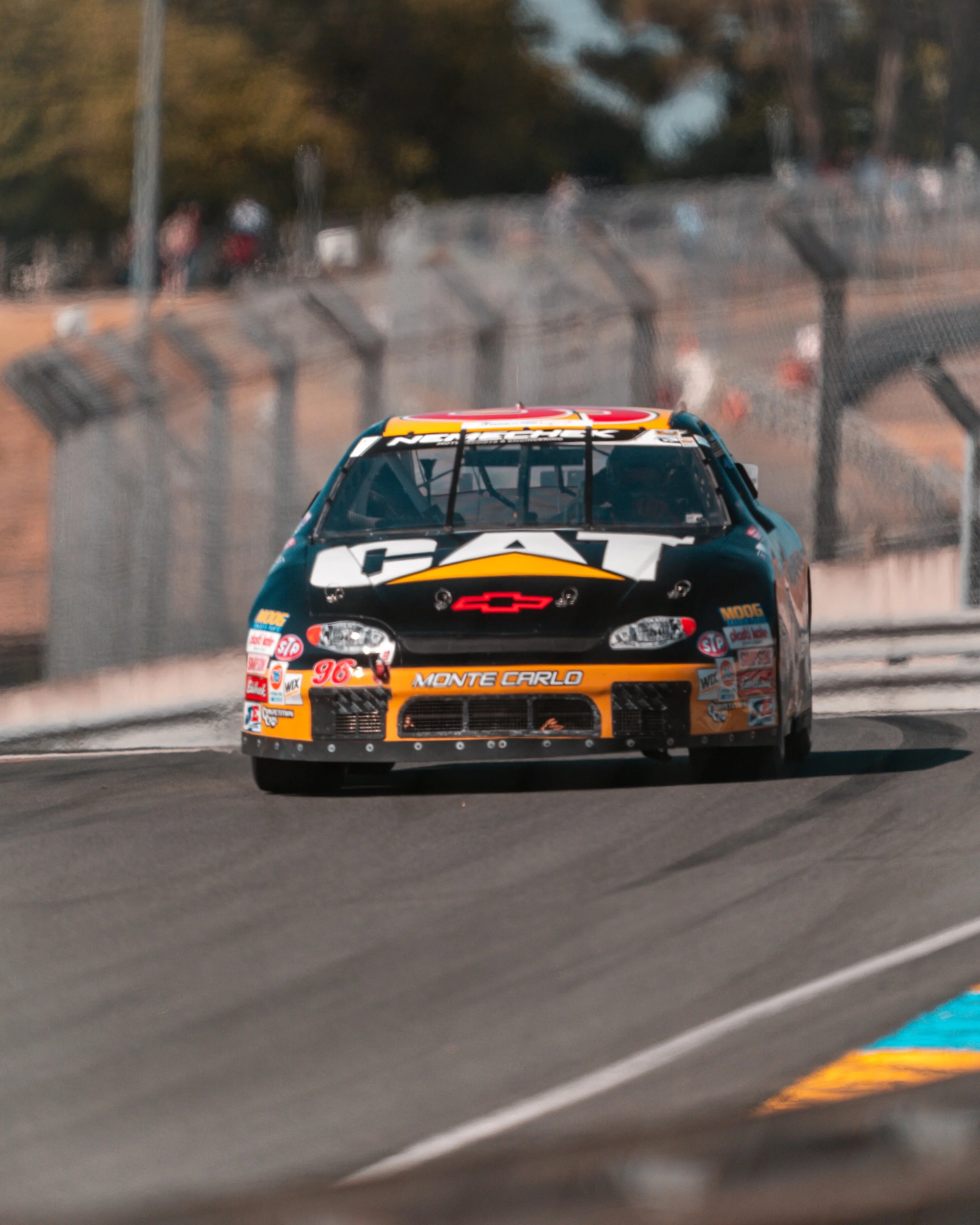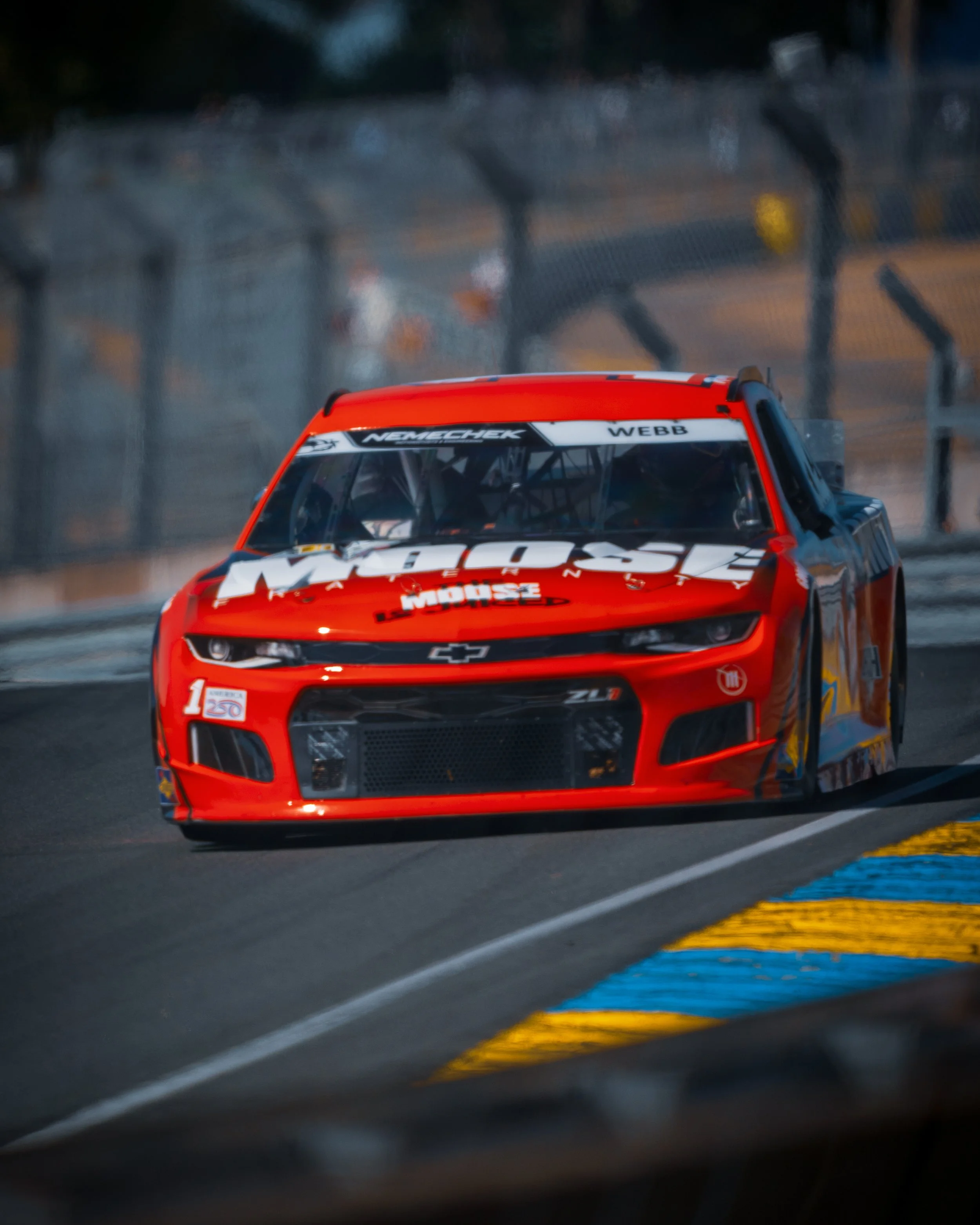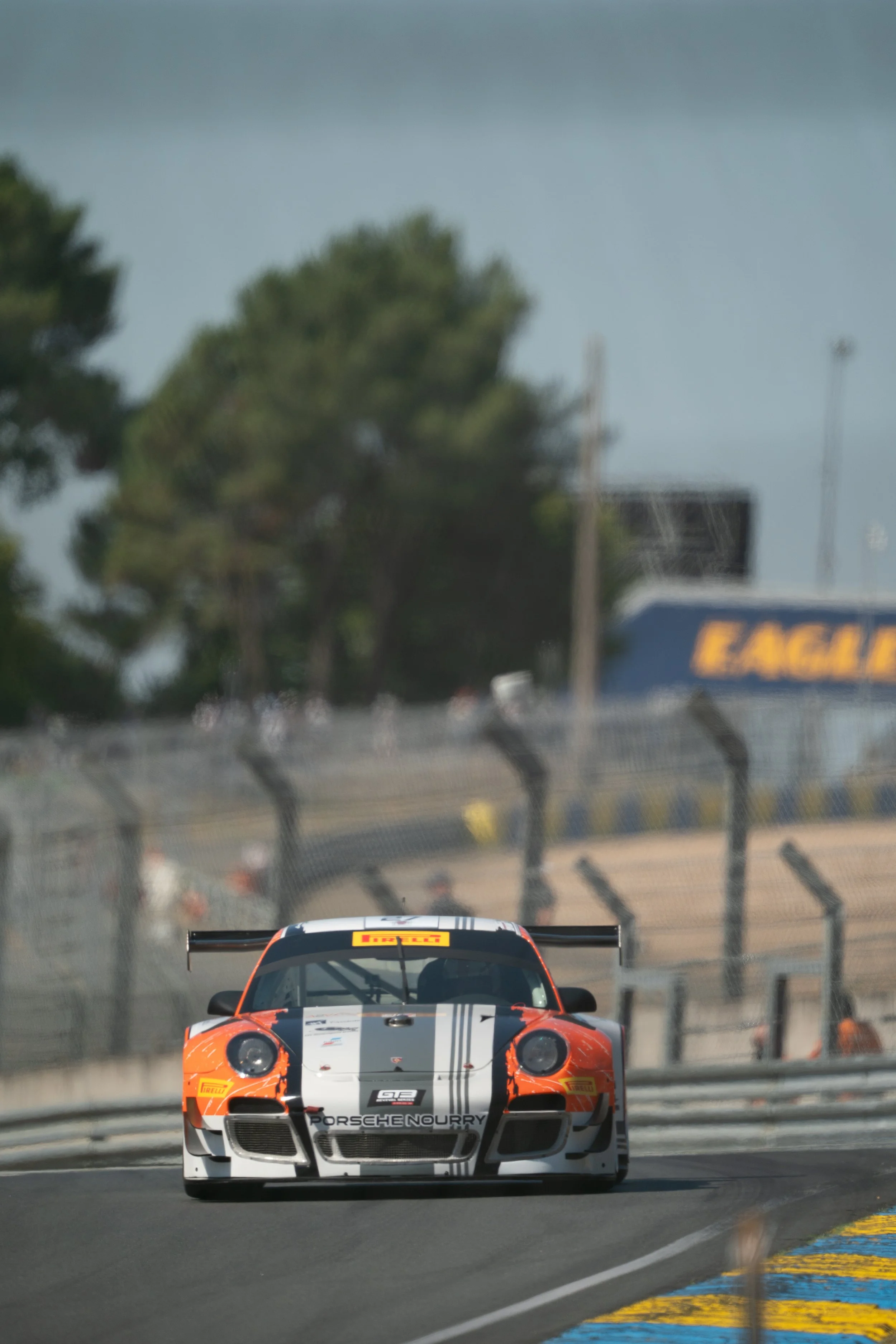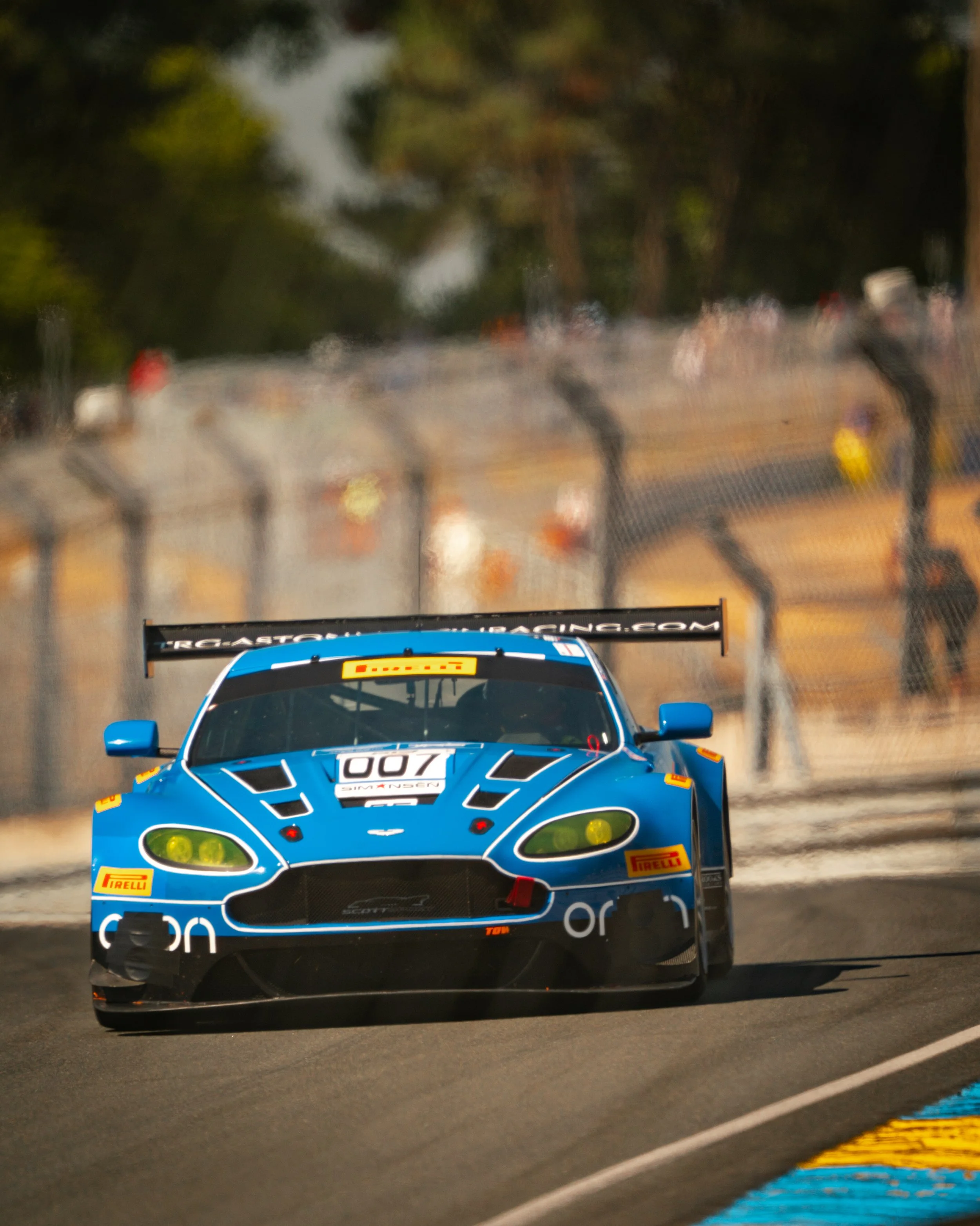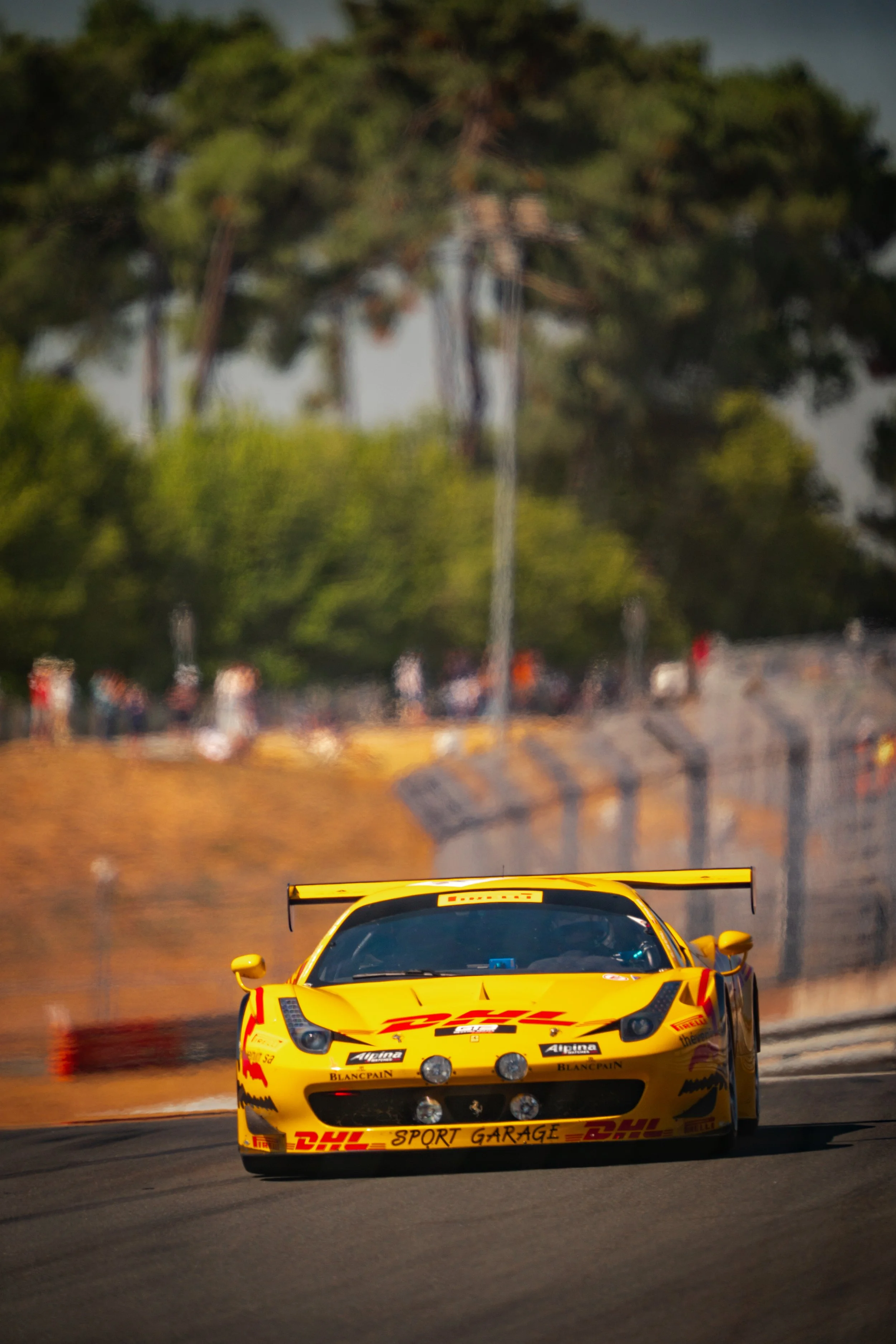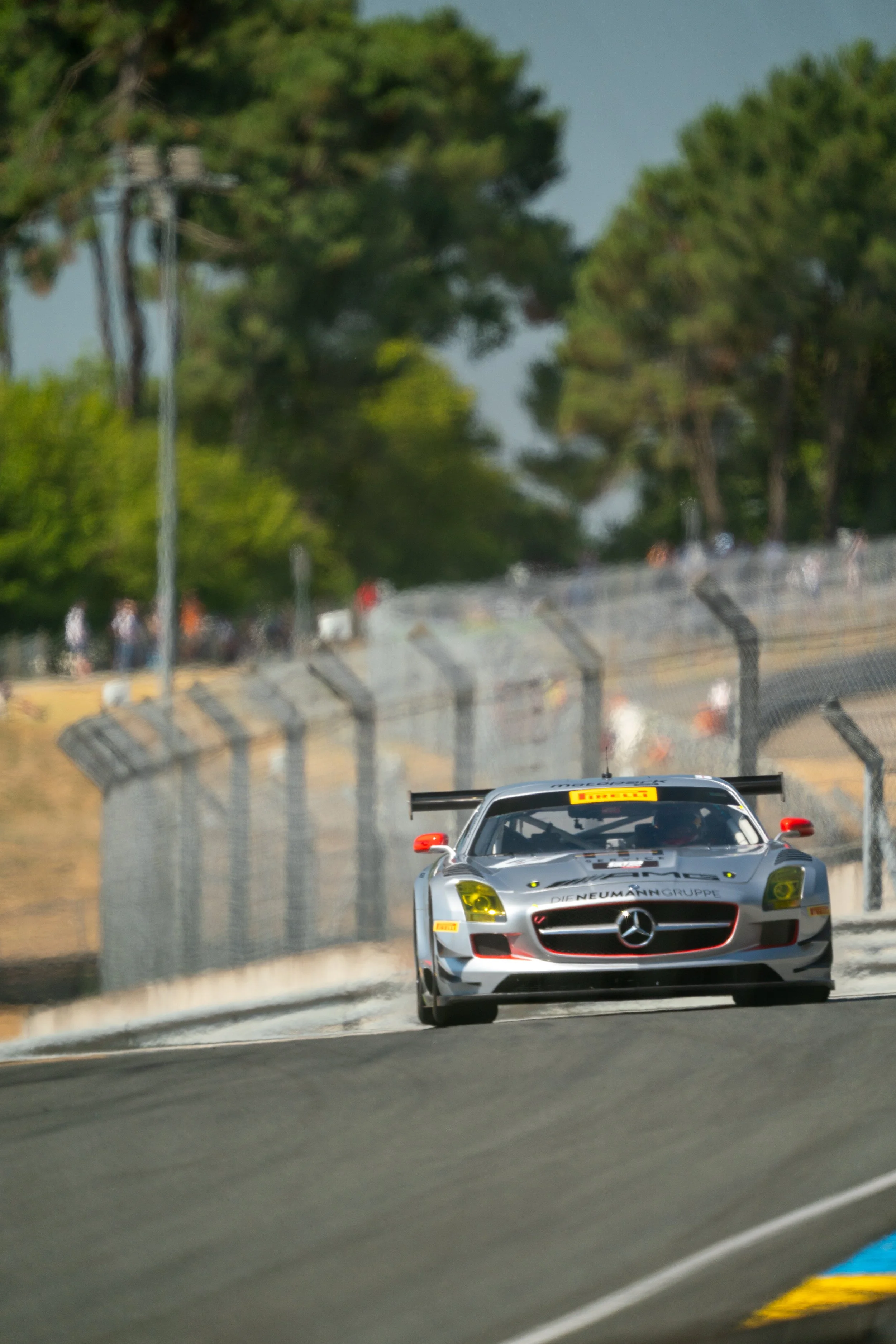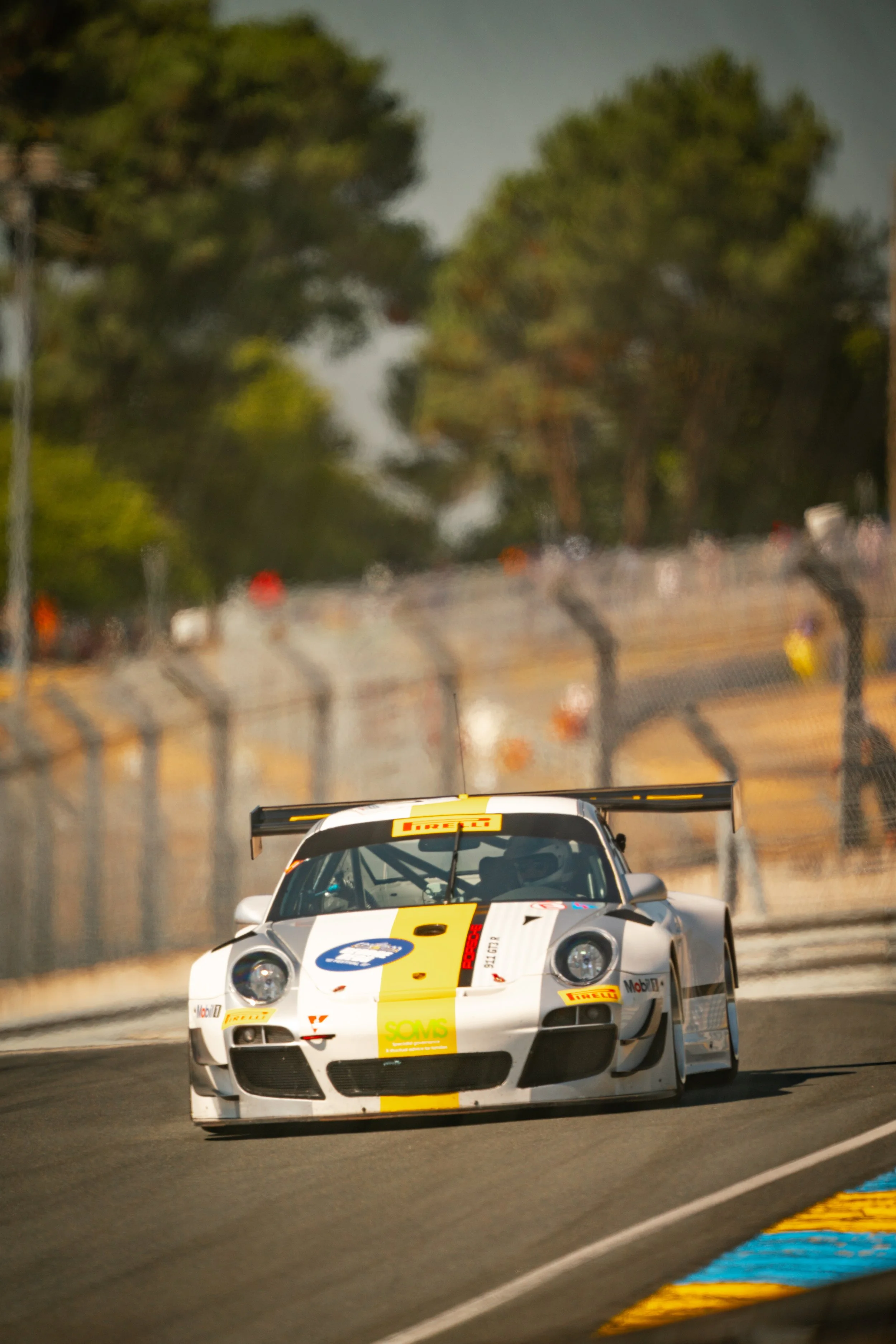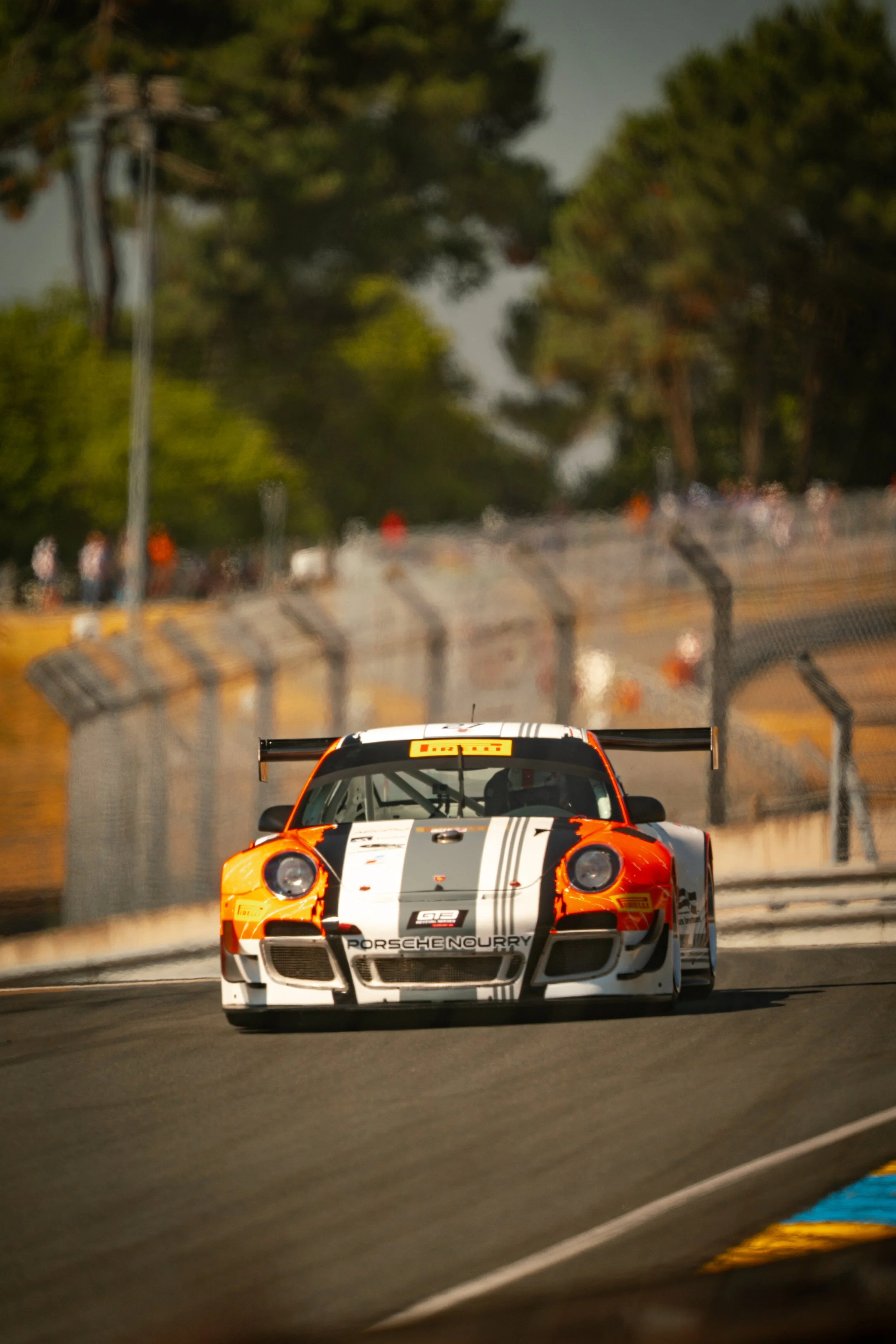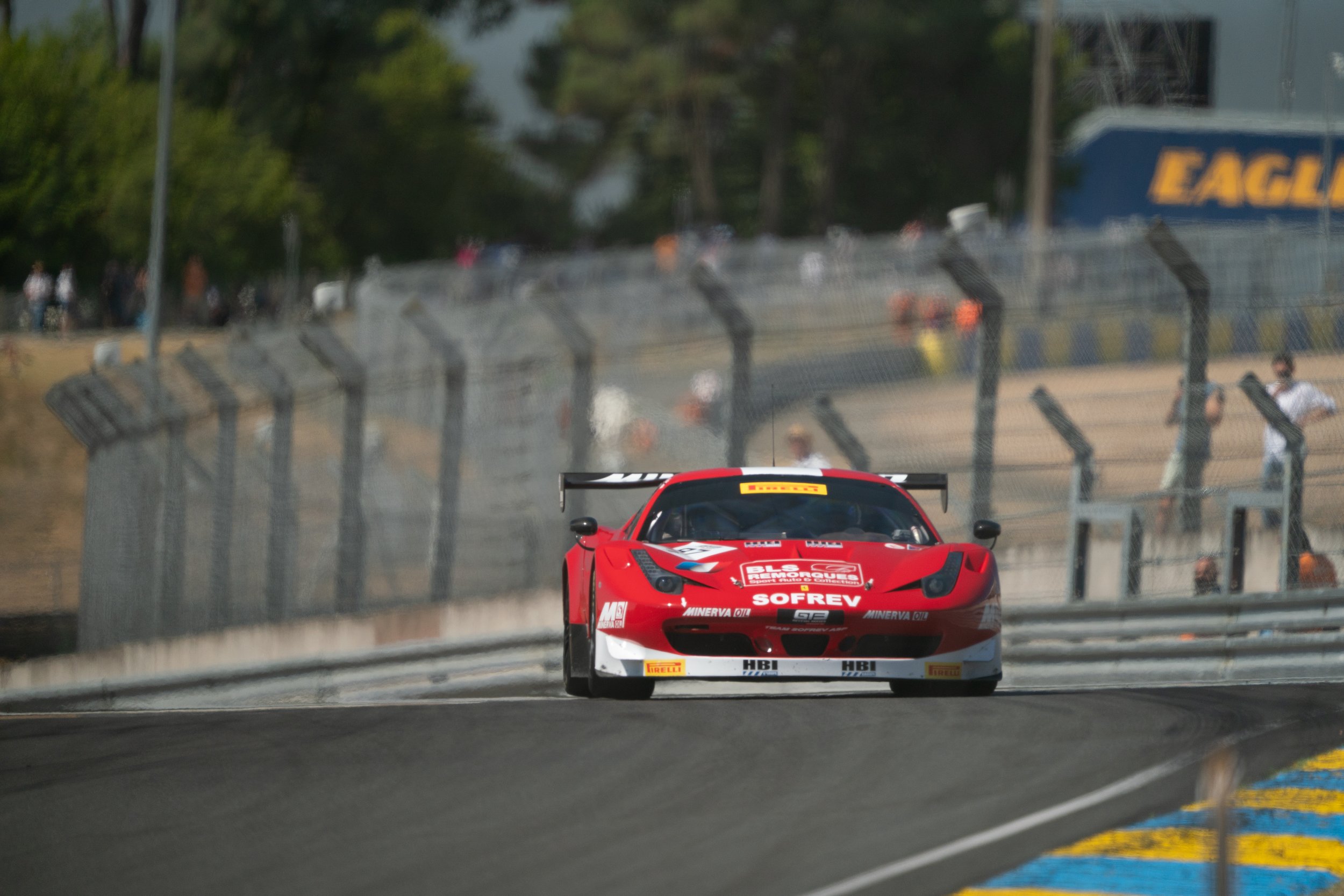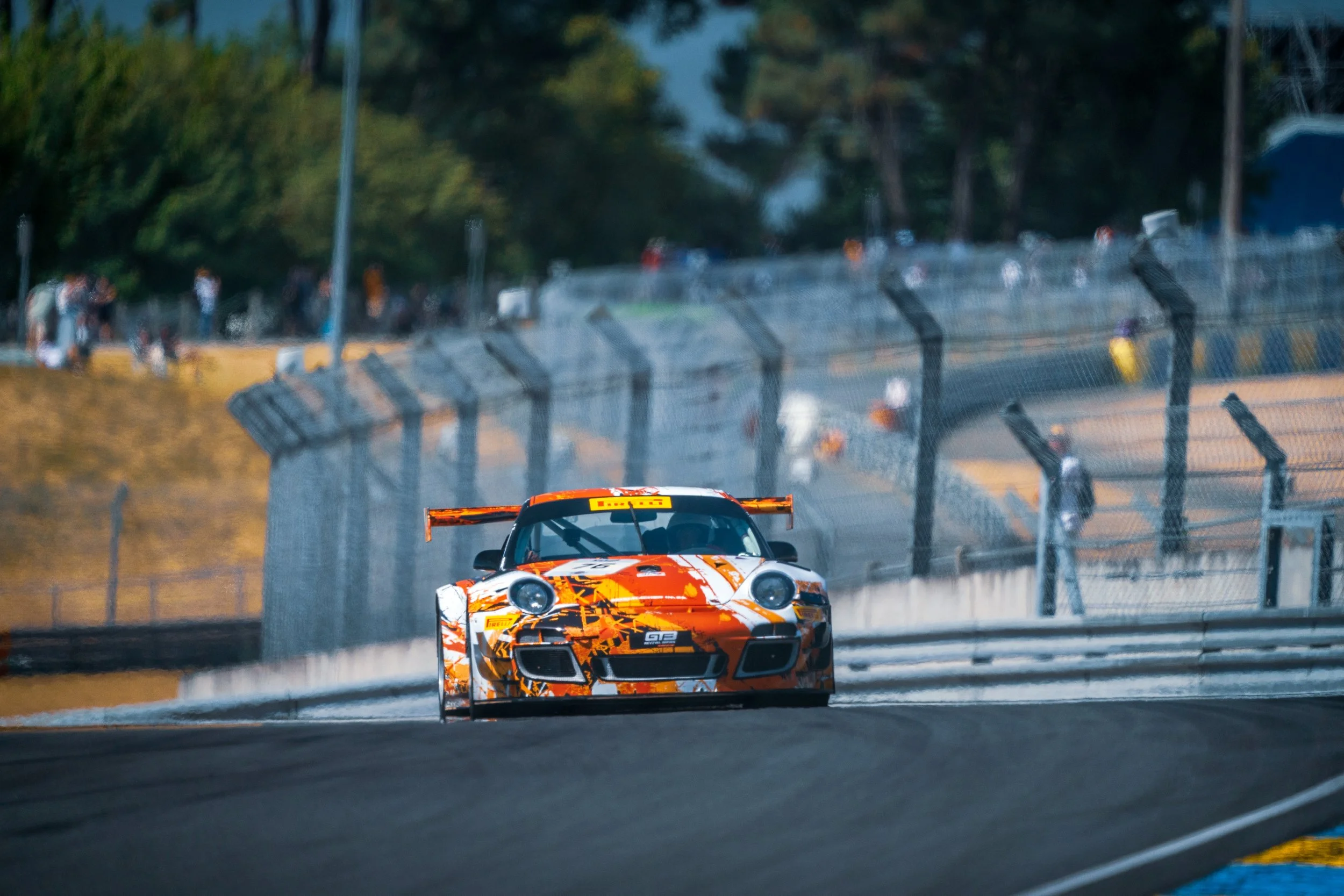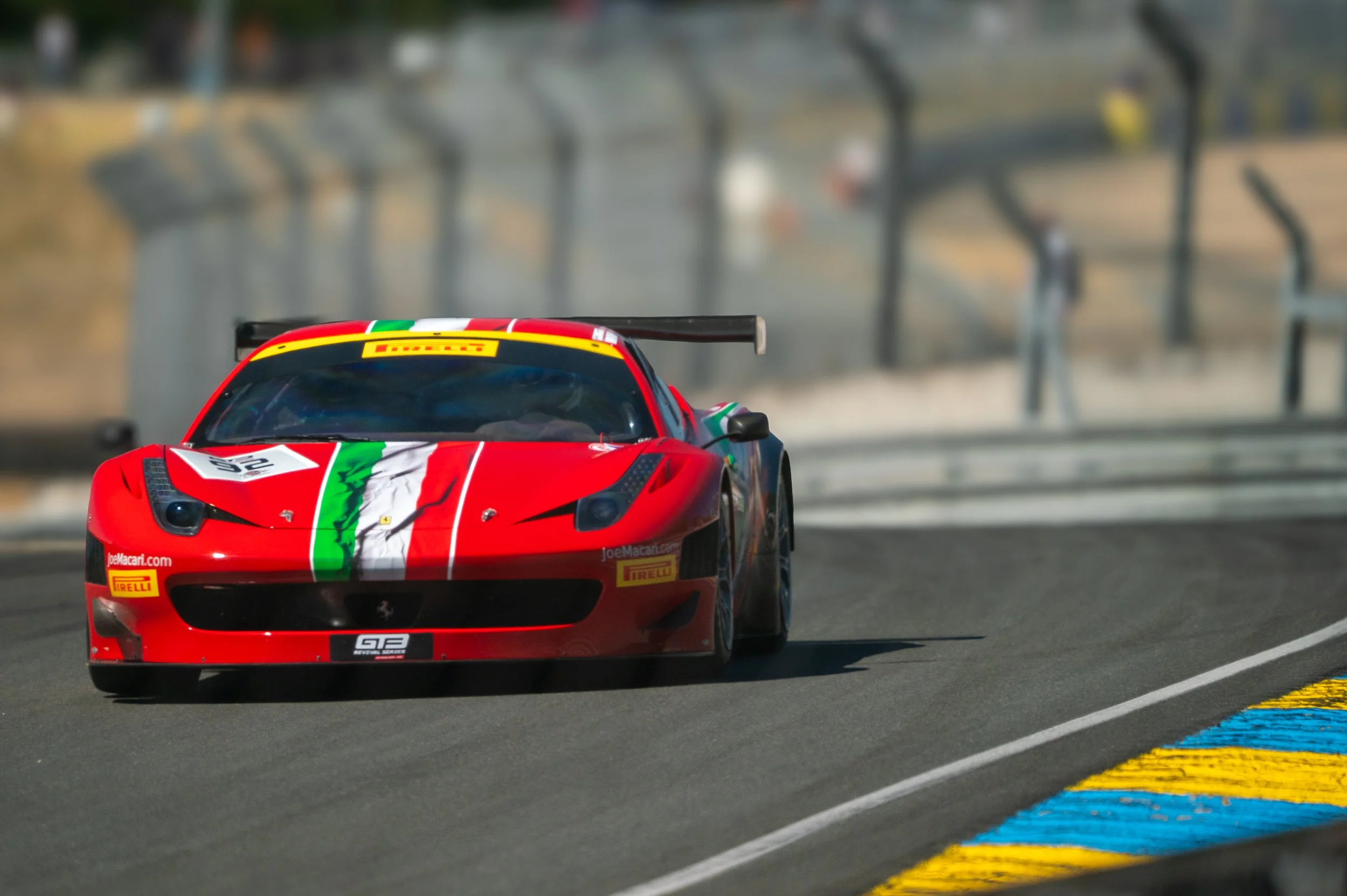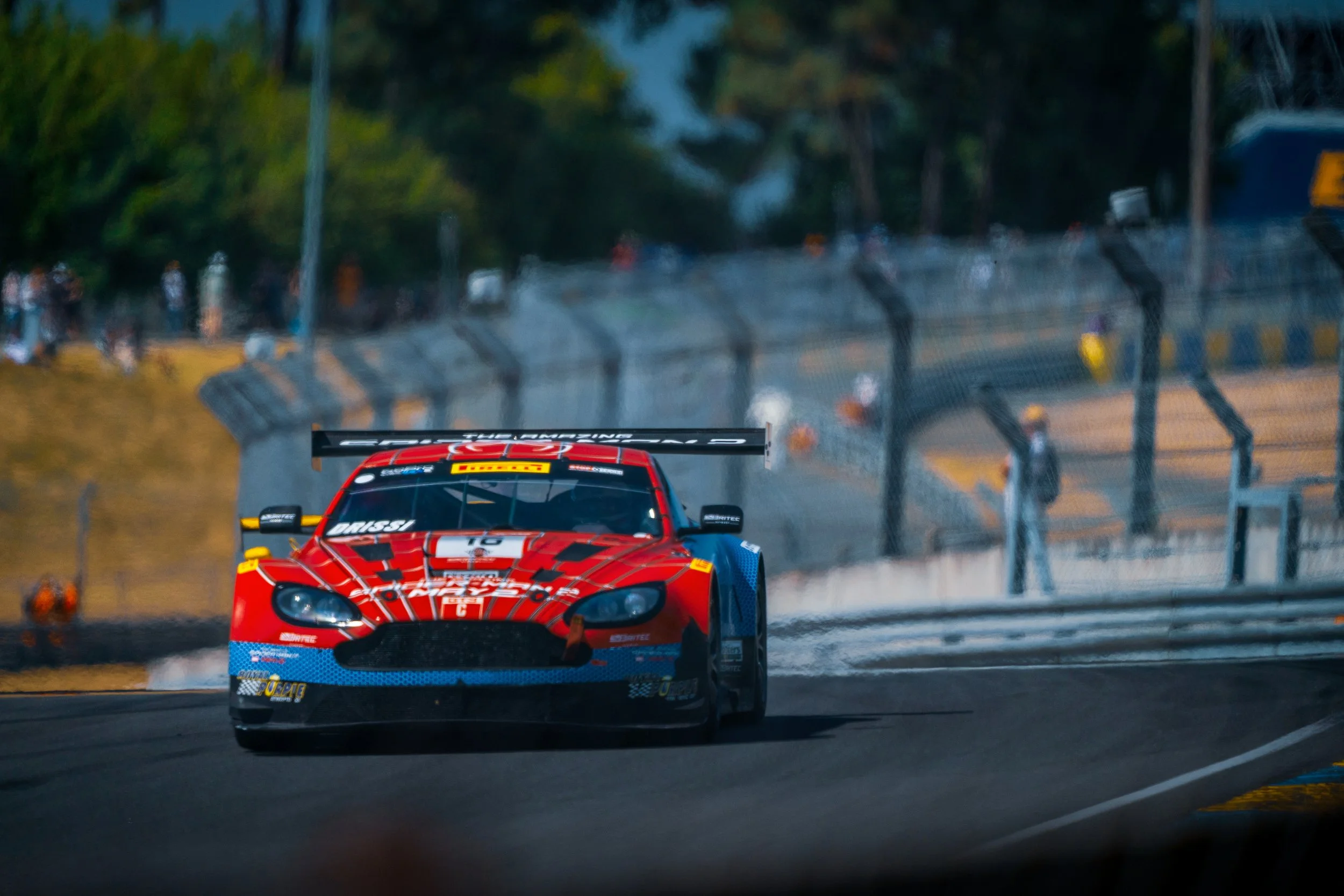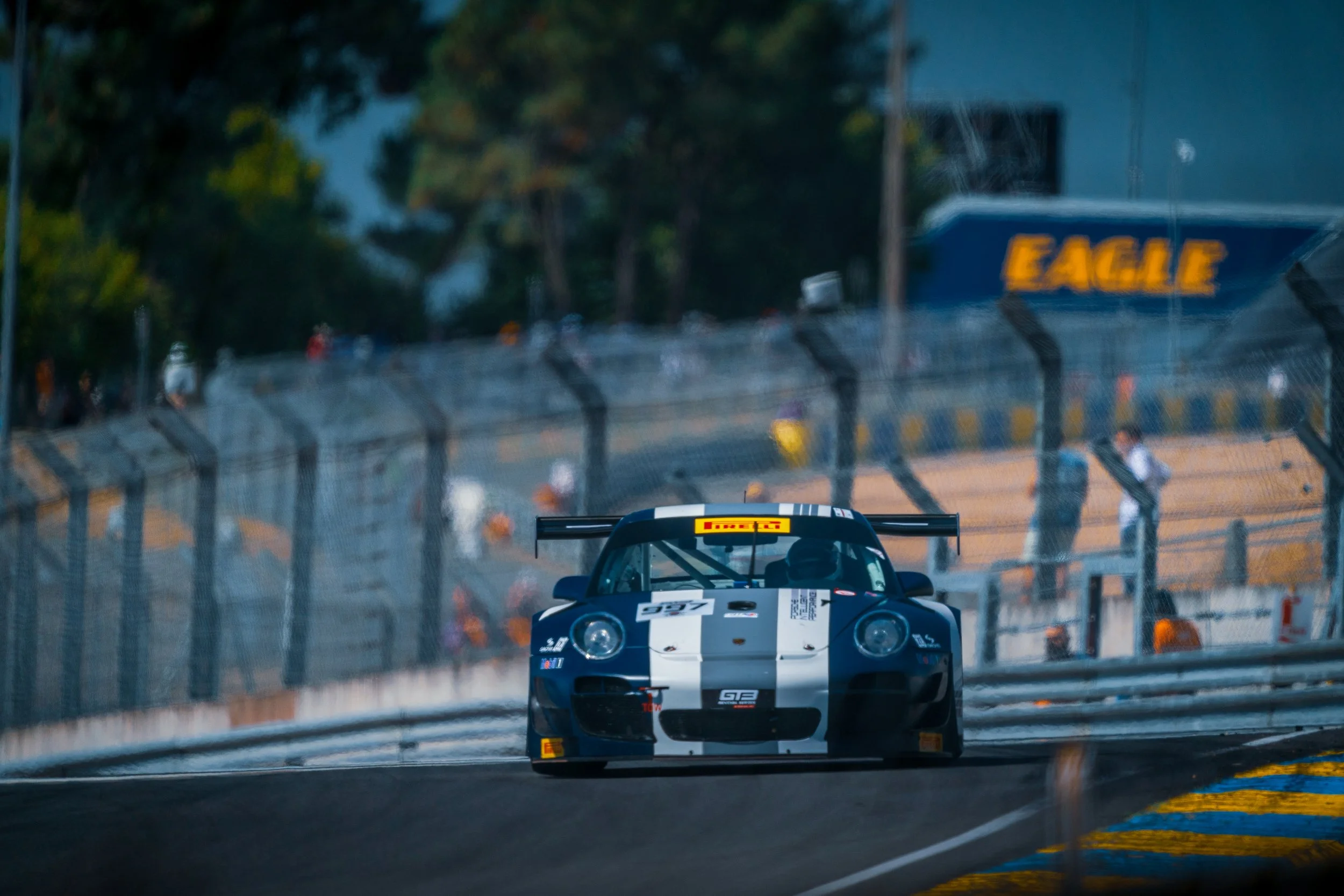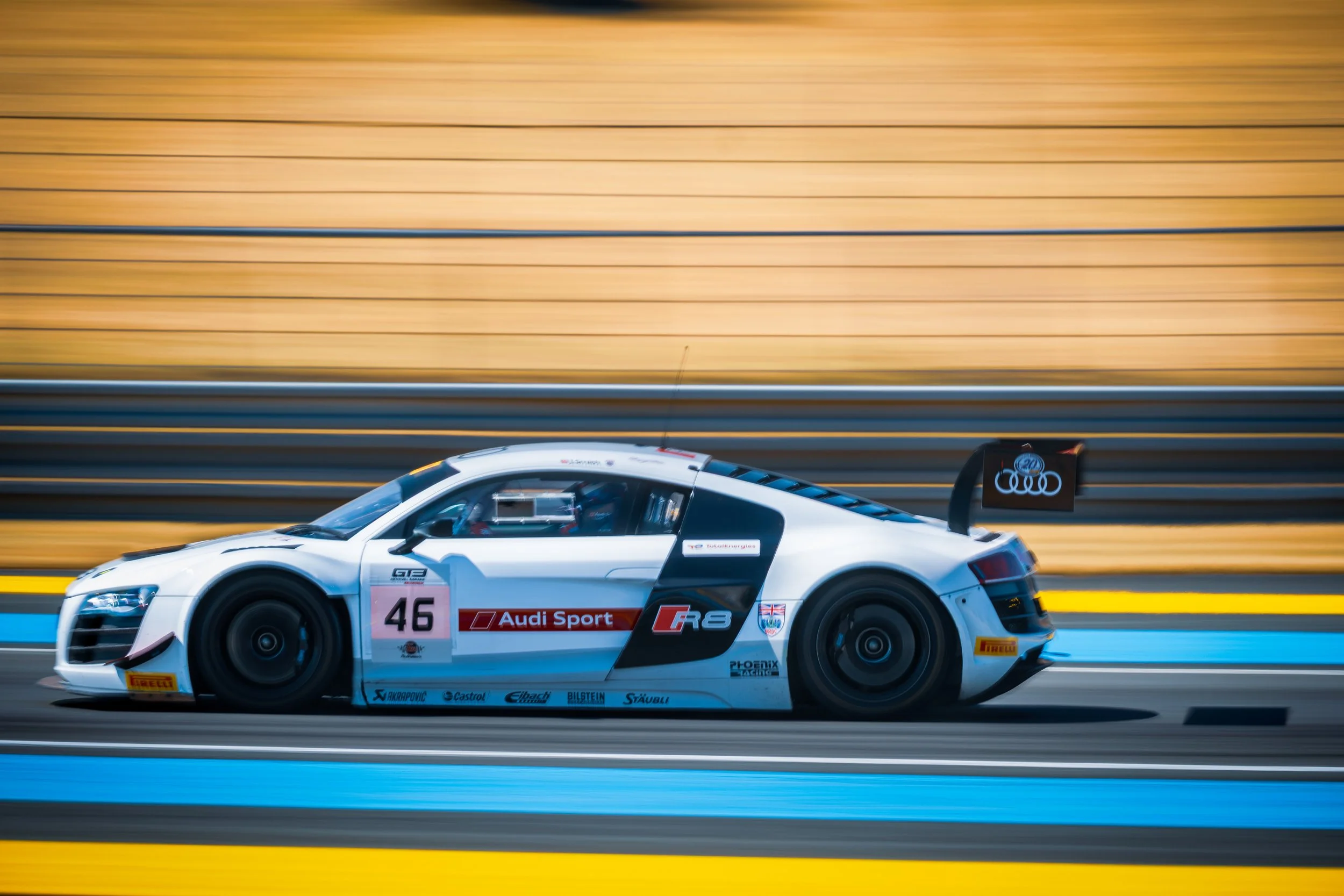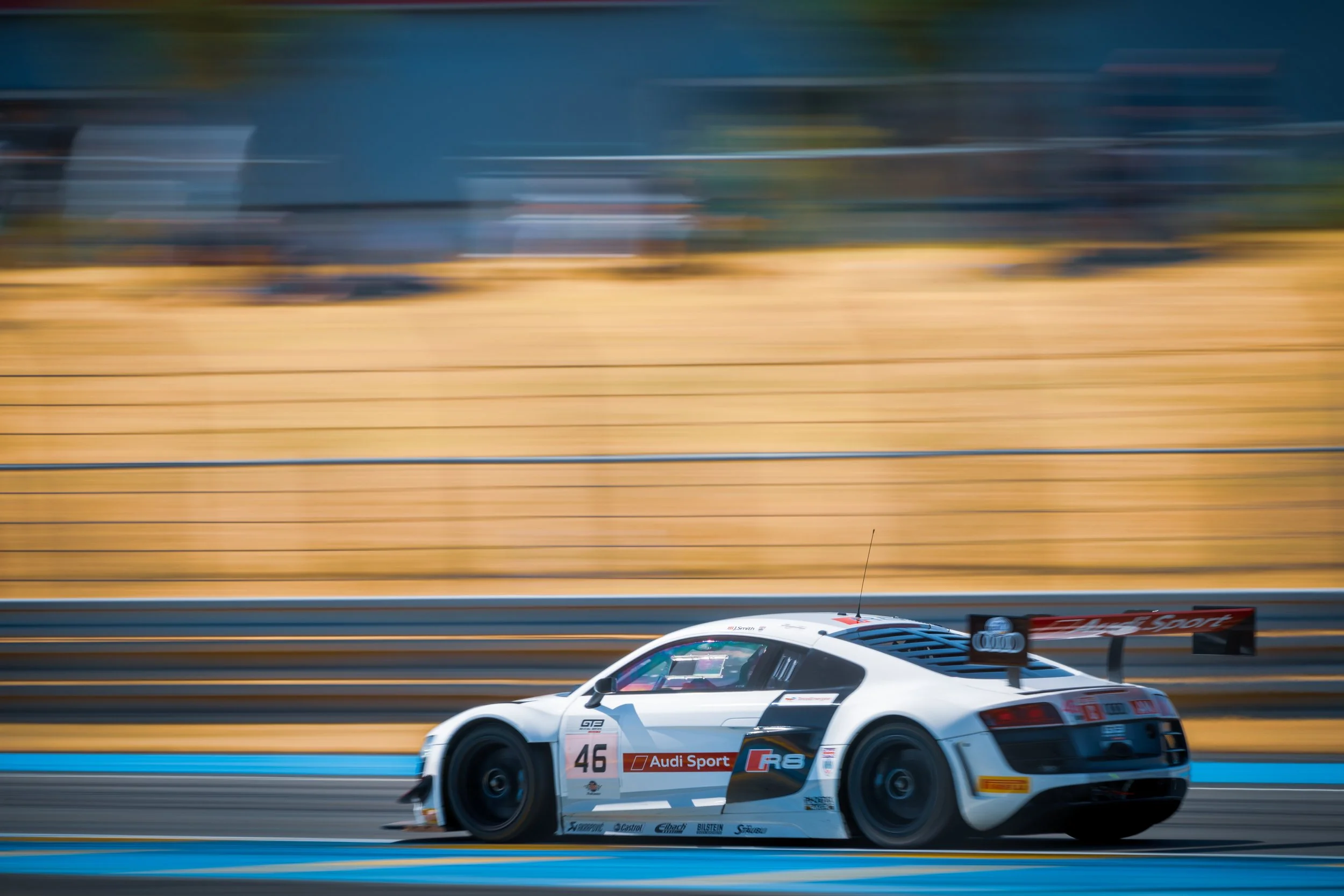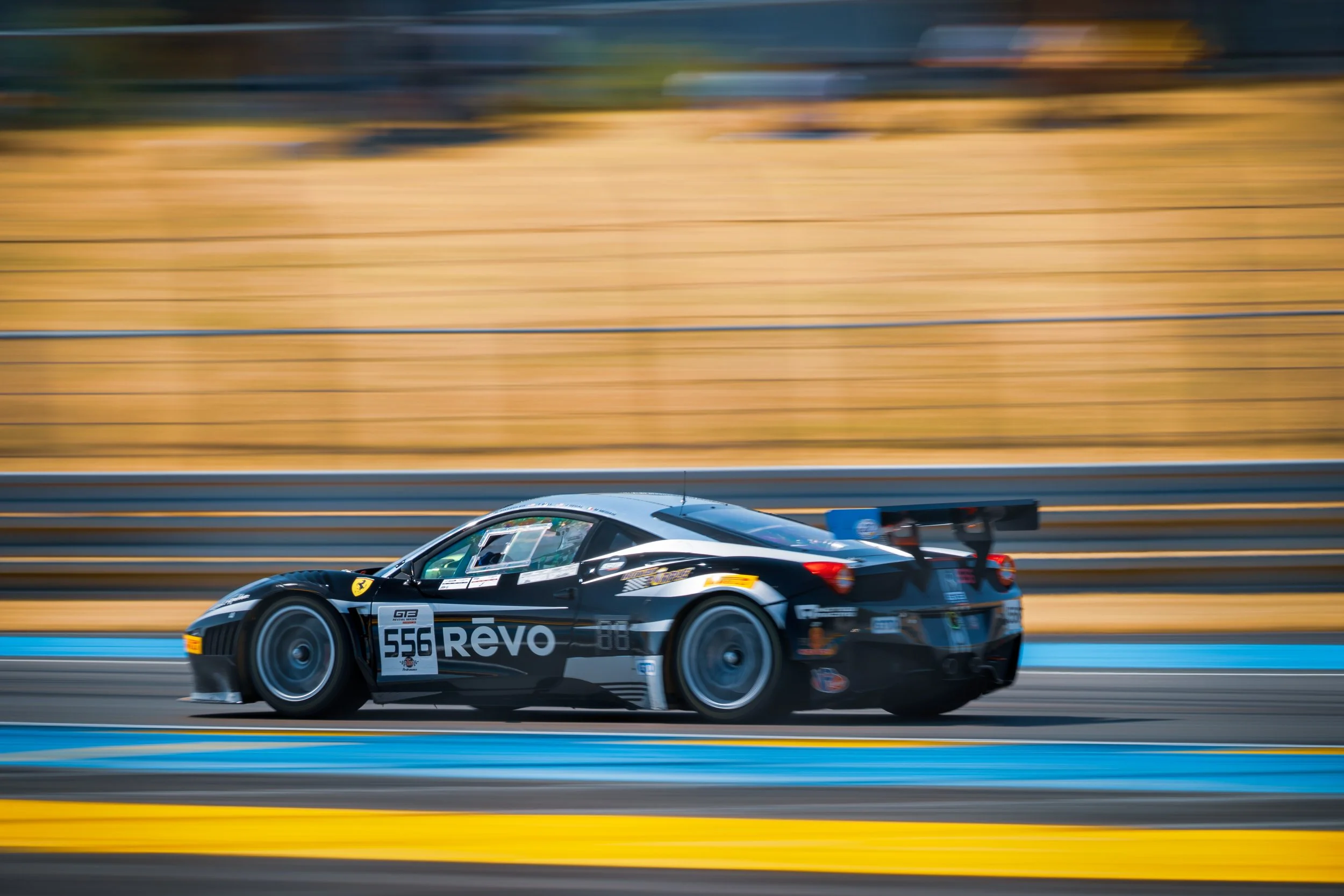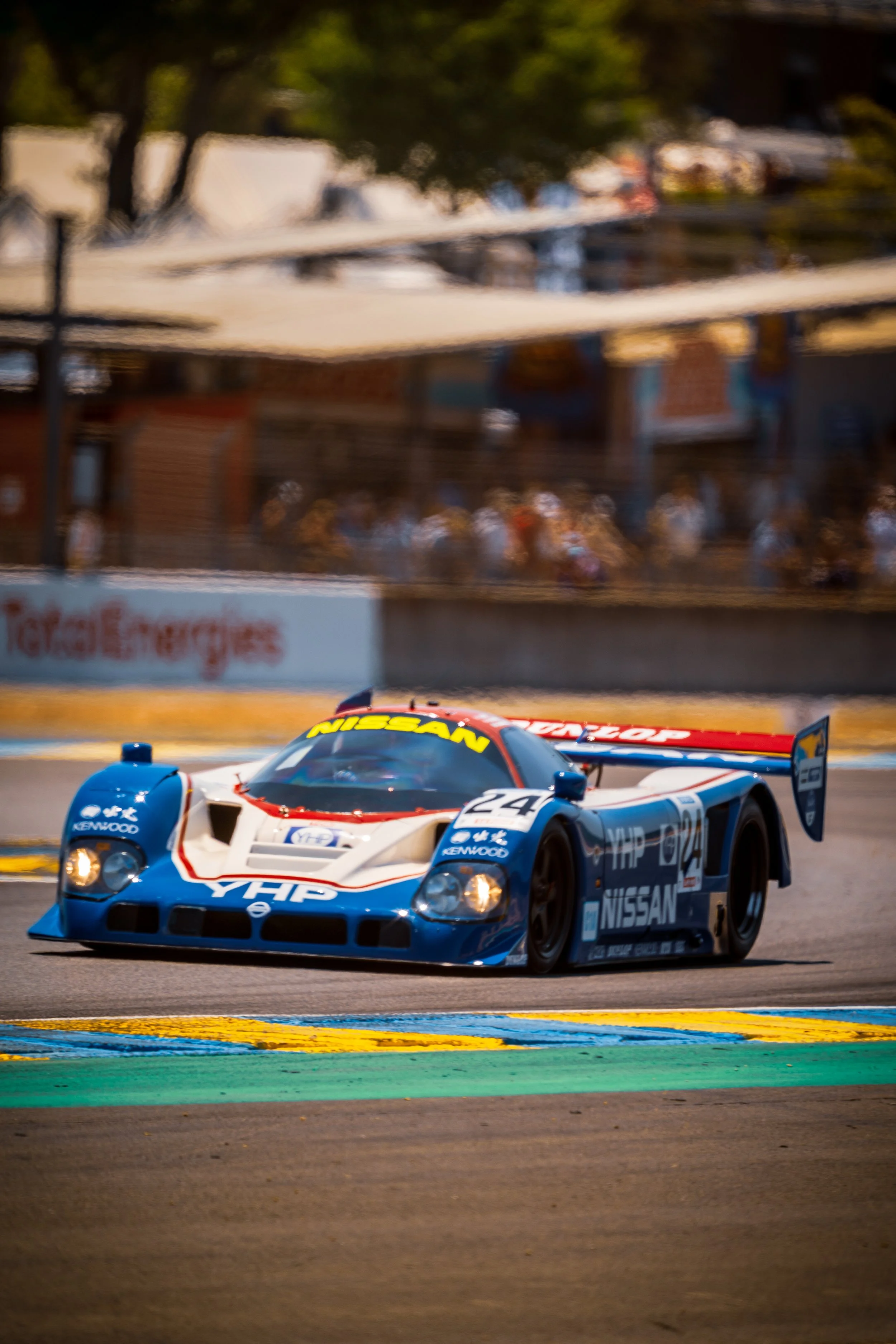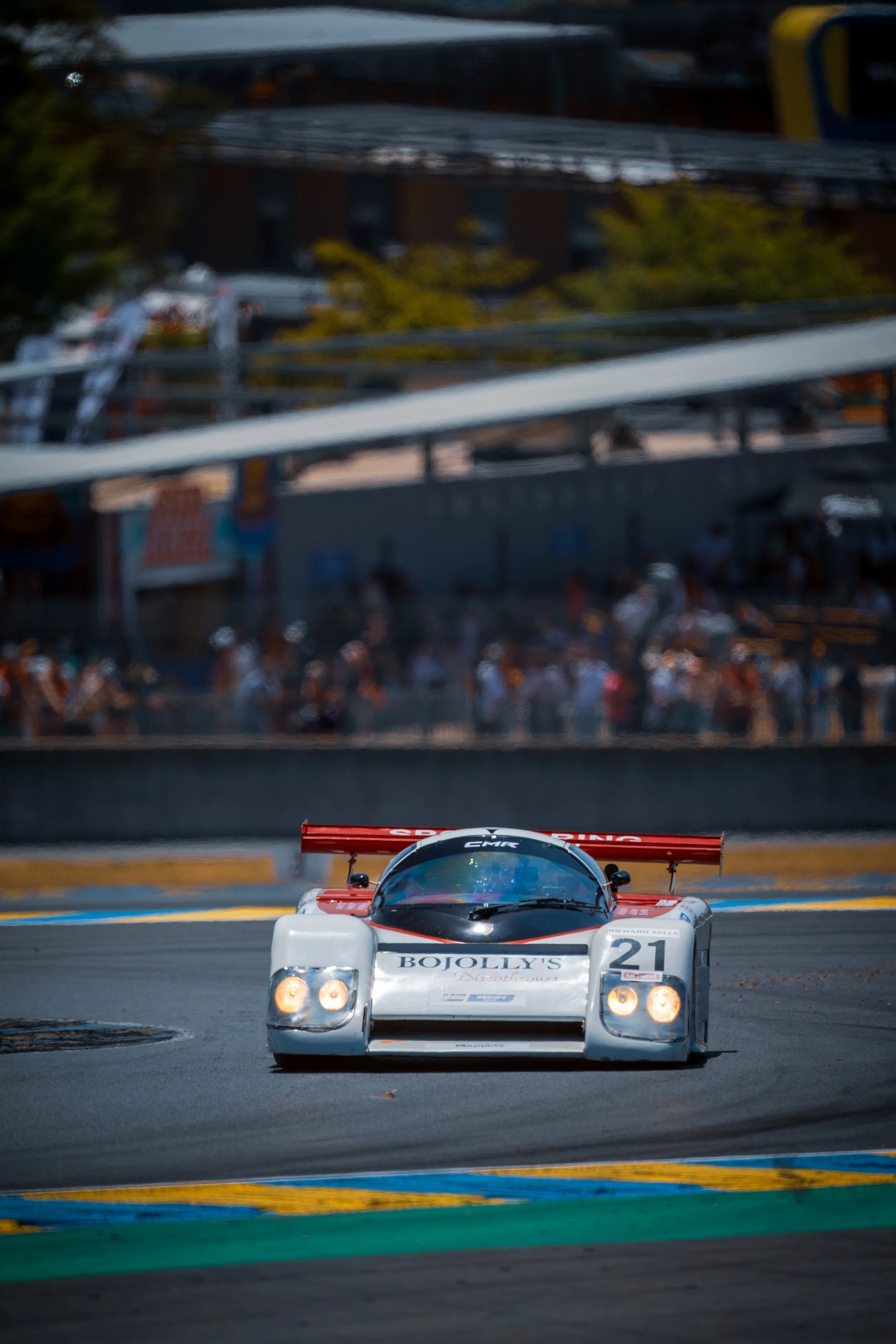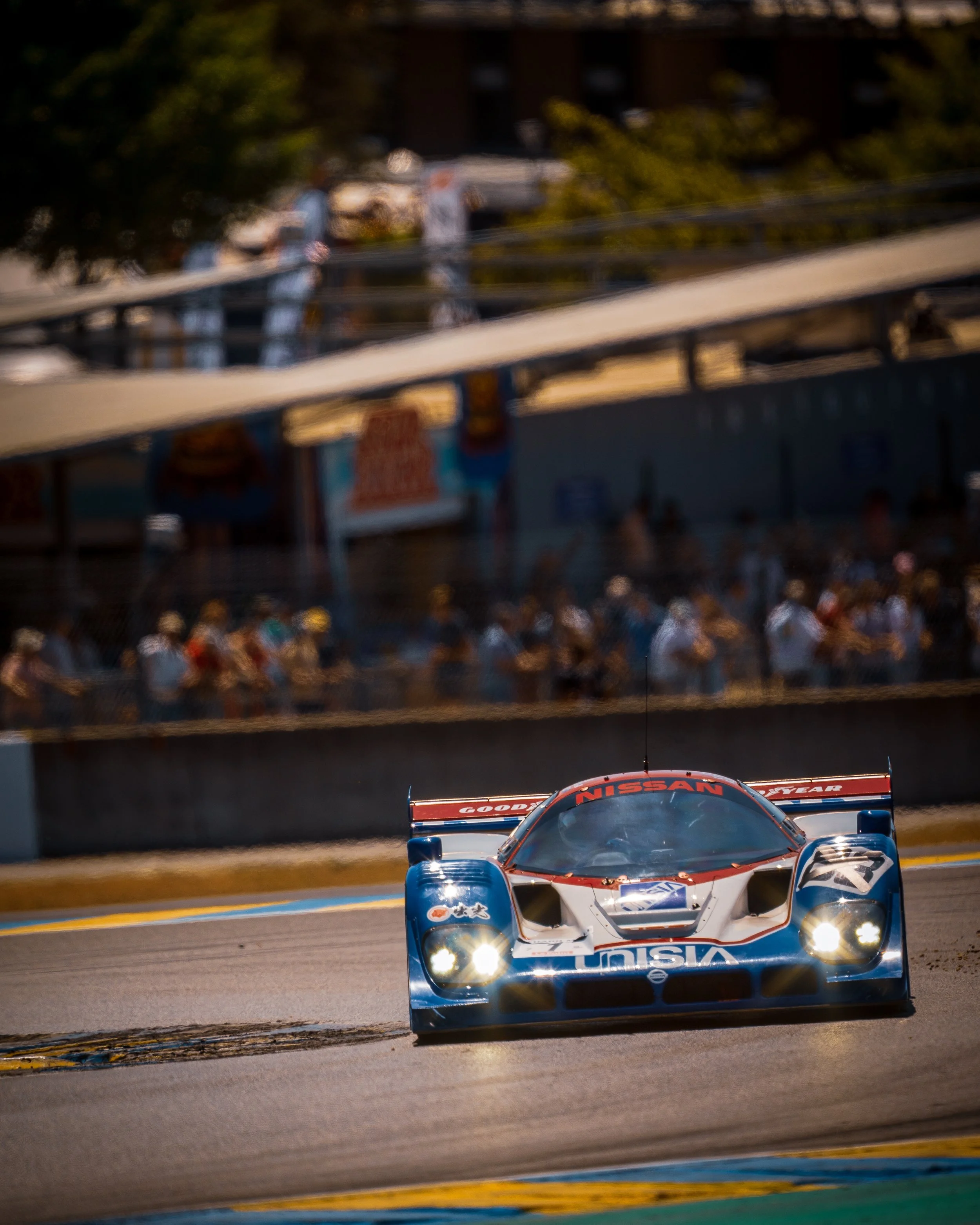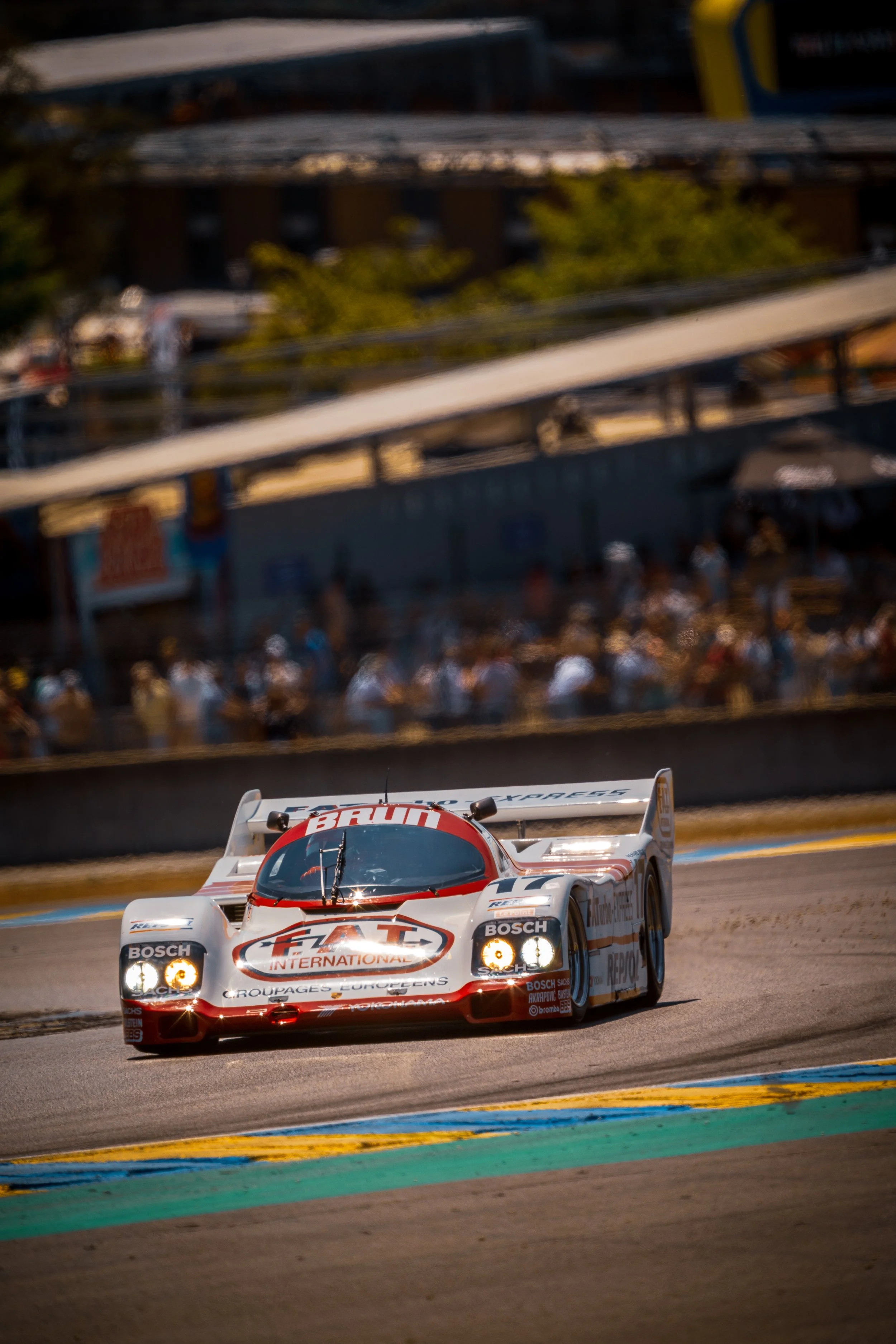
A Pilgrimage for Purists
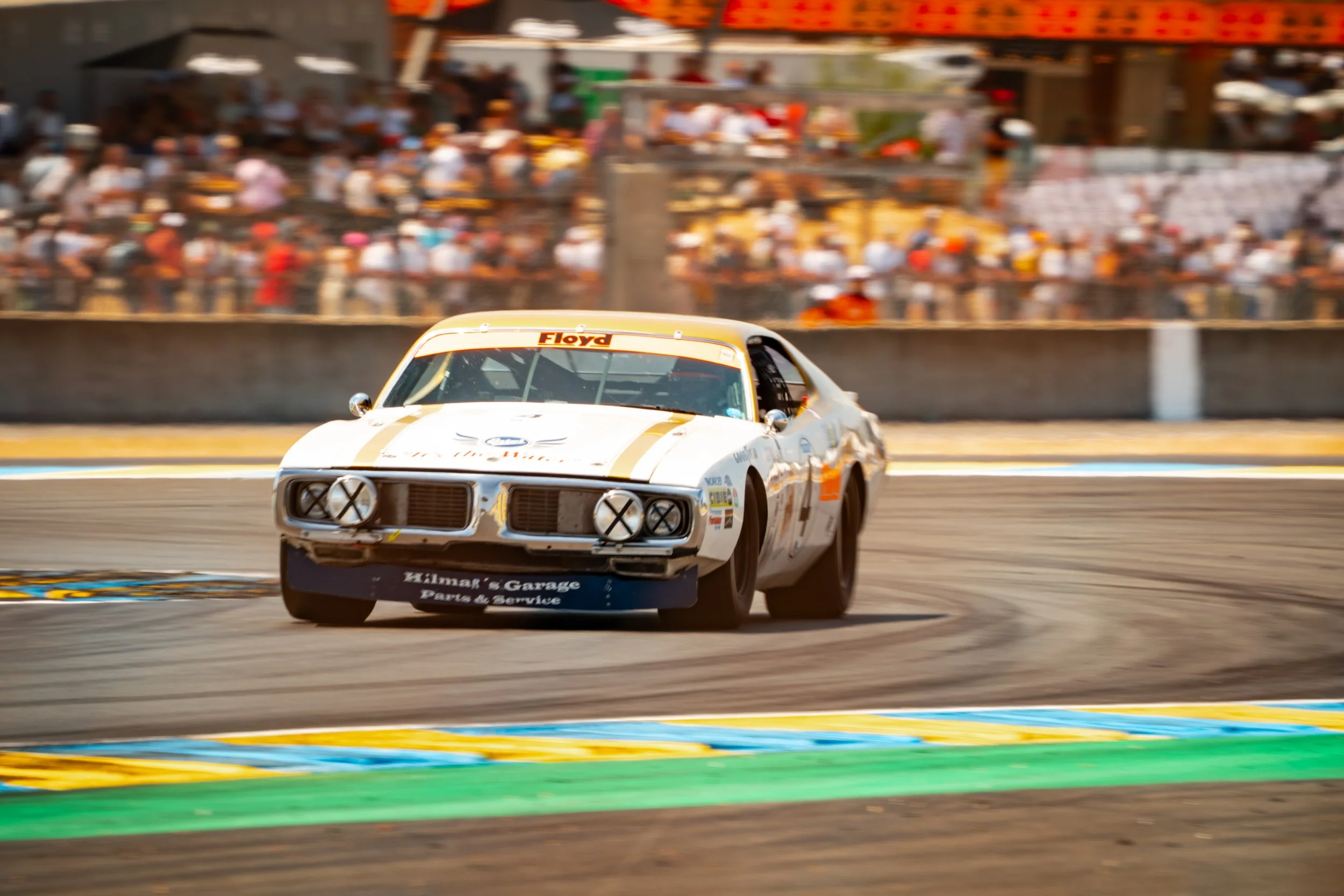
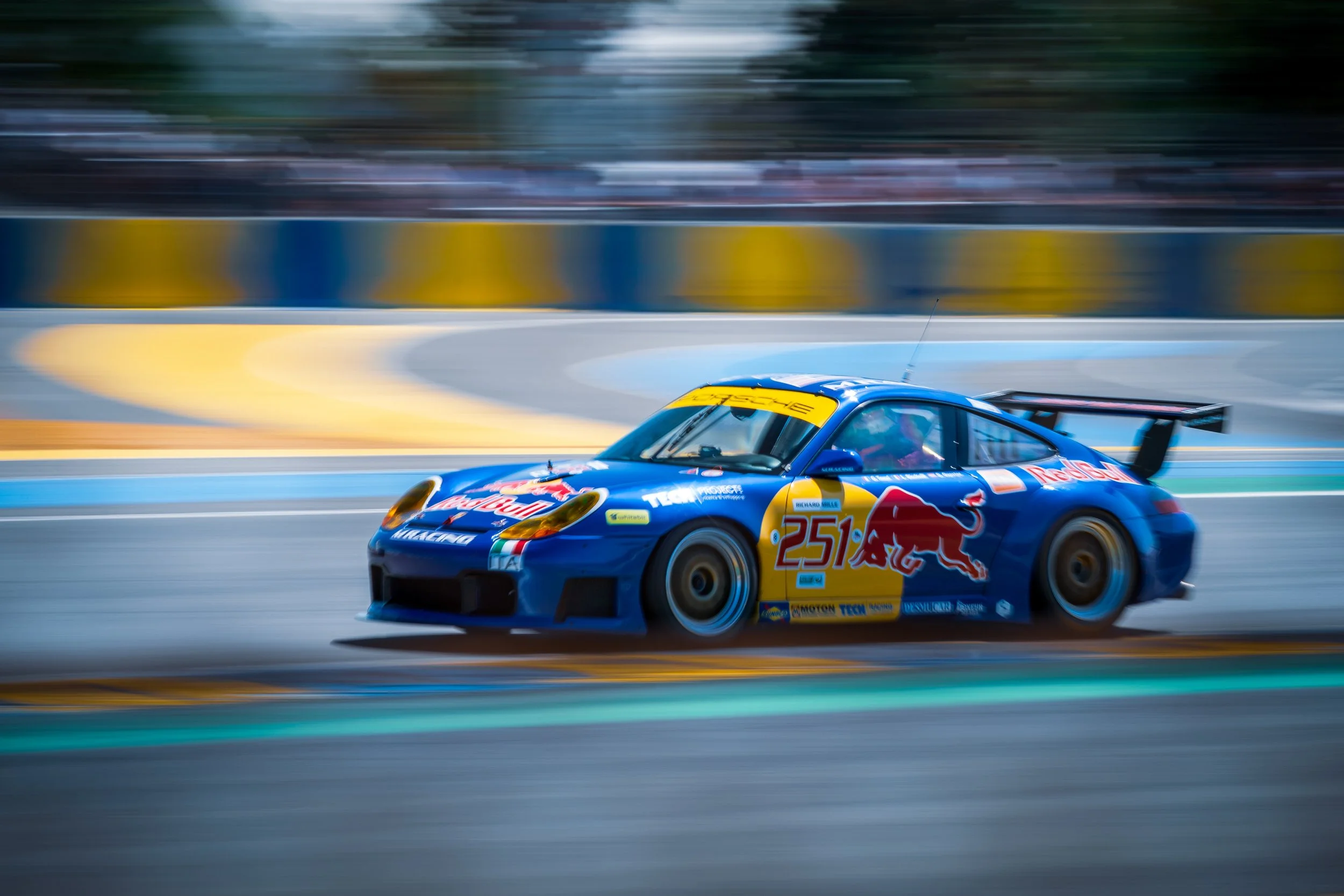
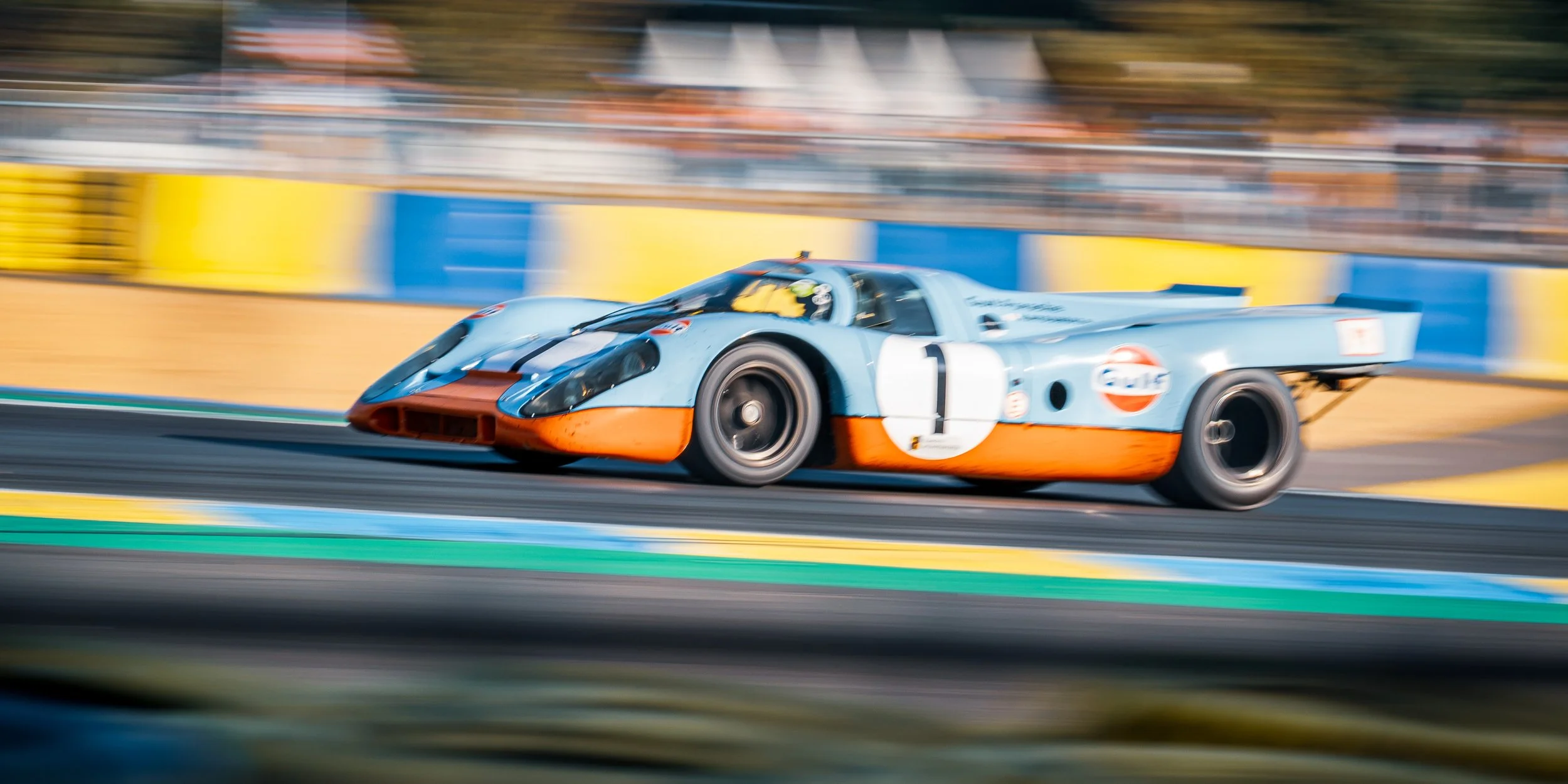
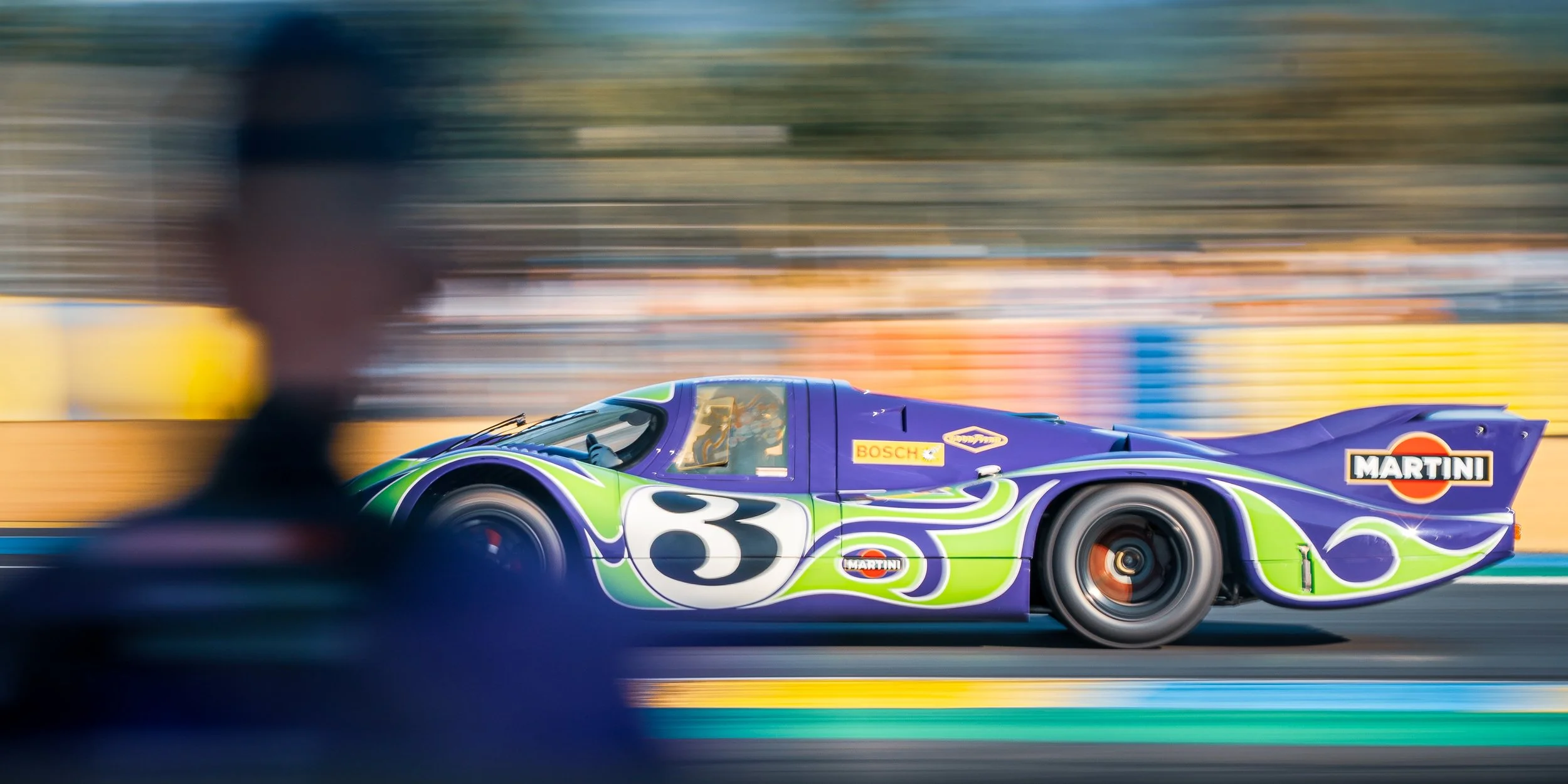
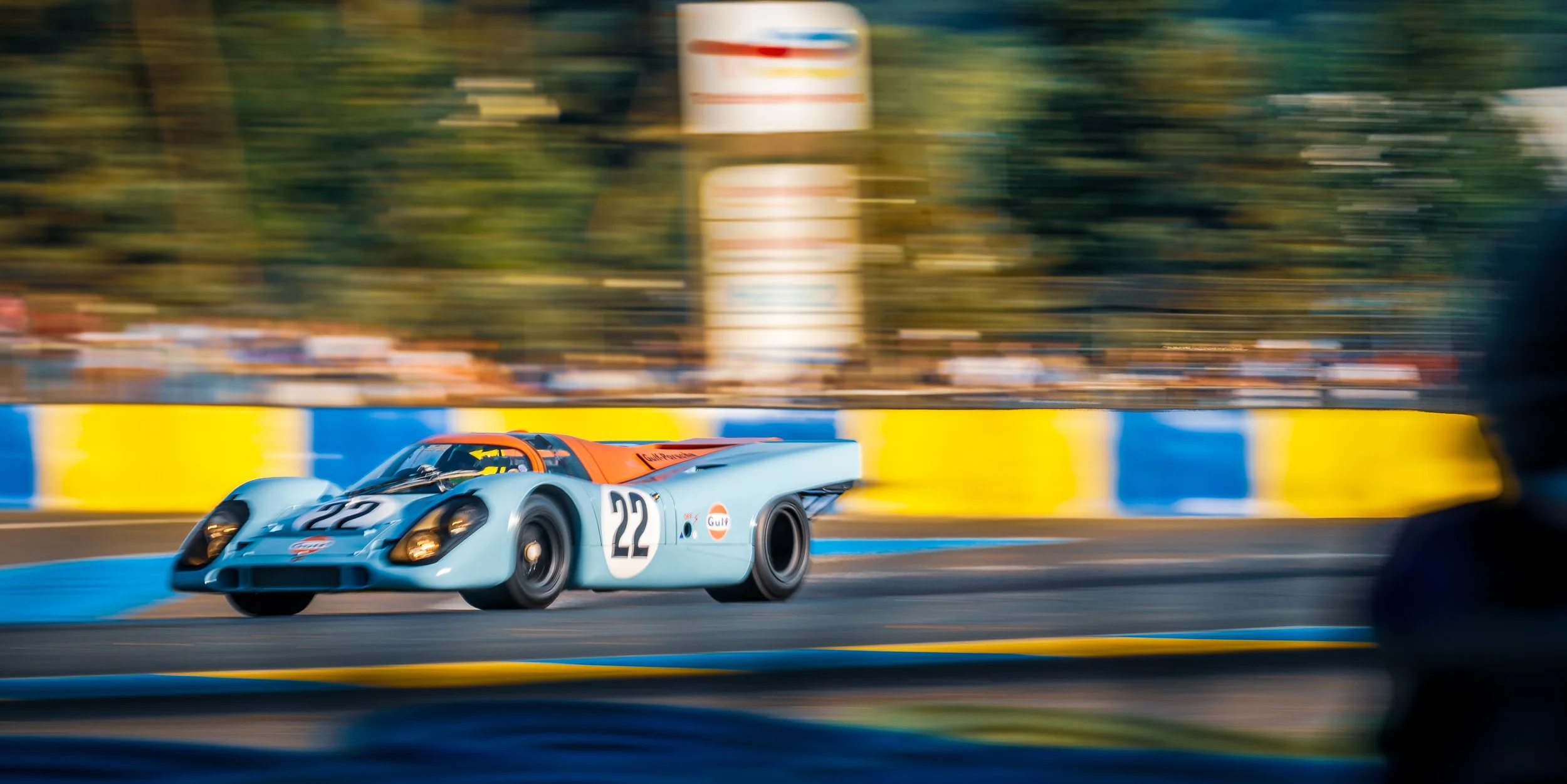
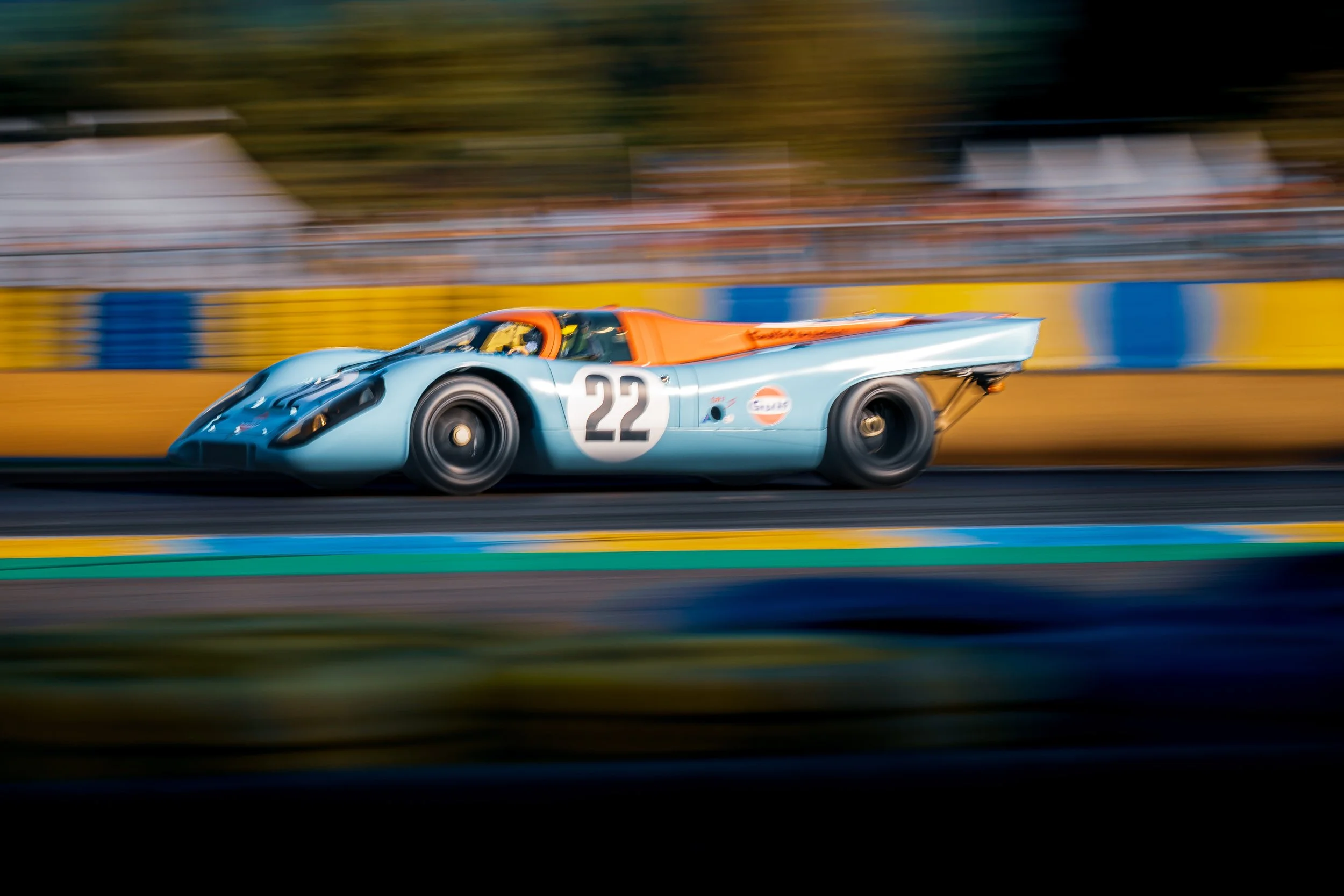
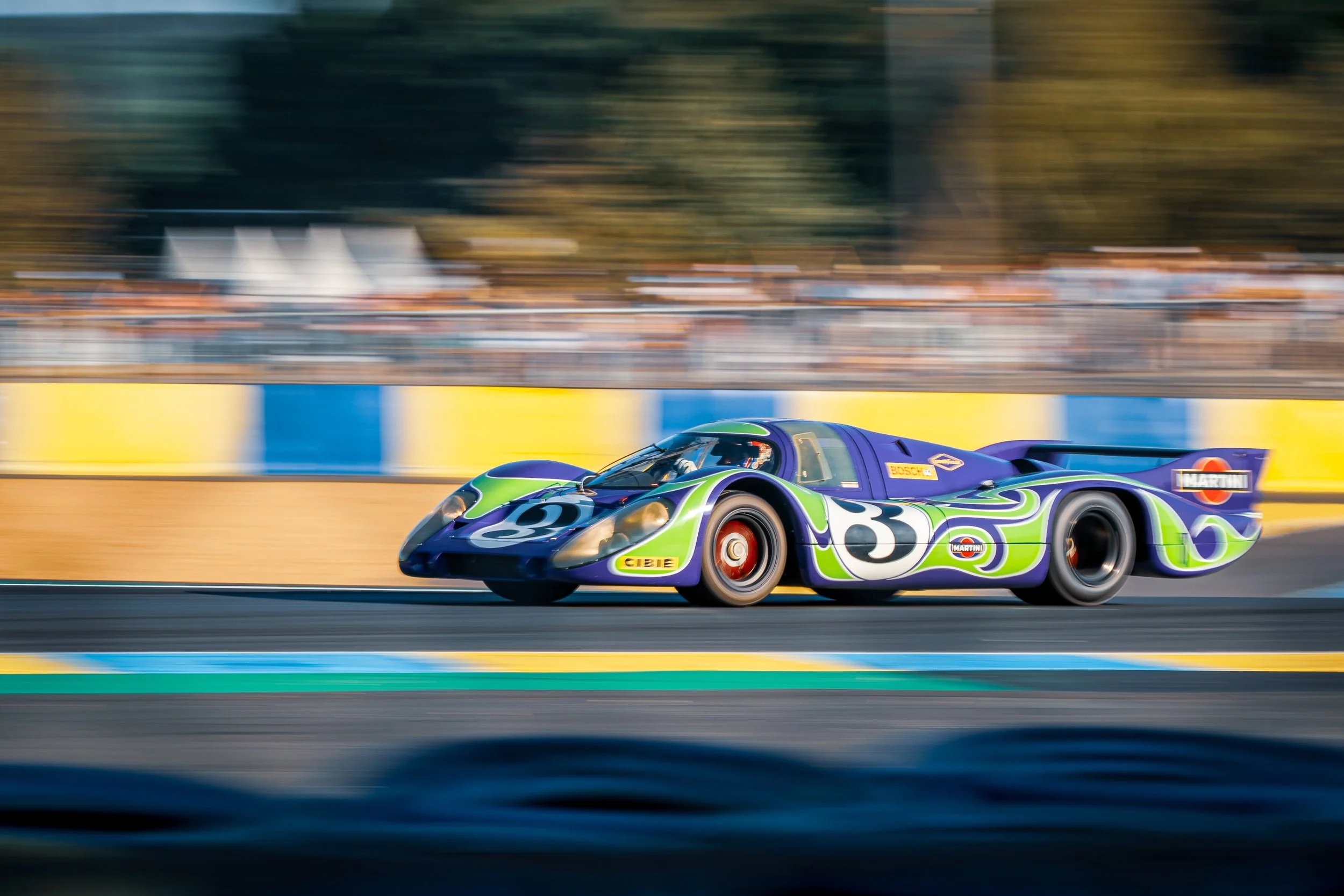
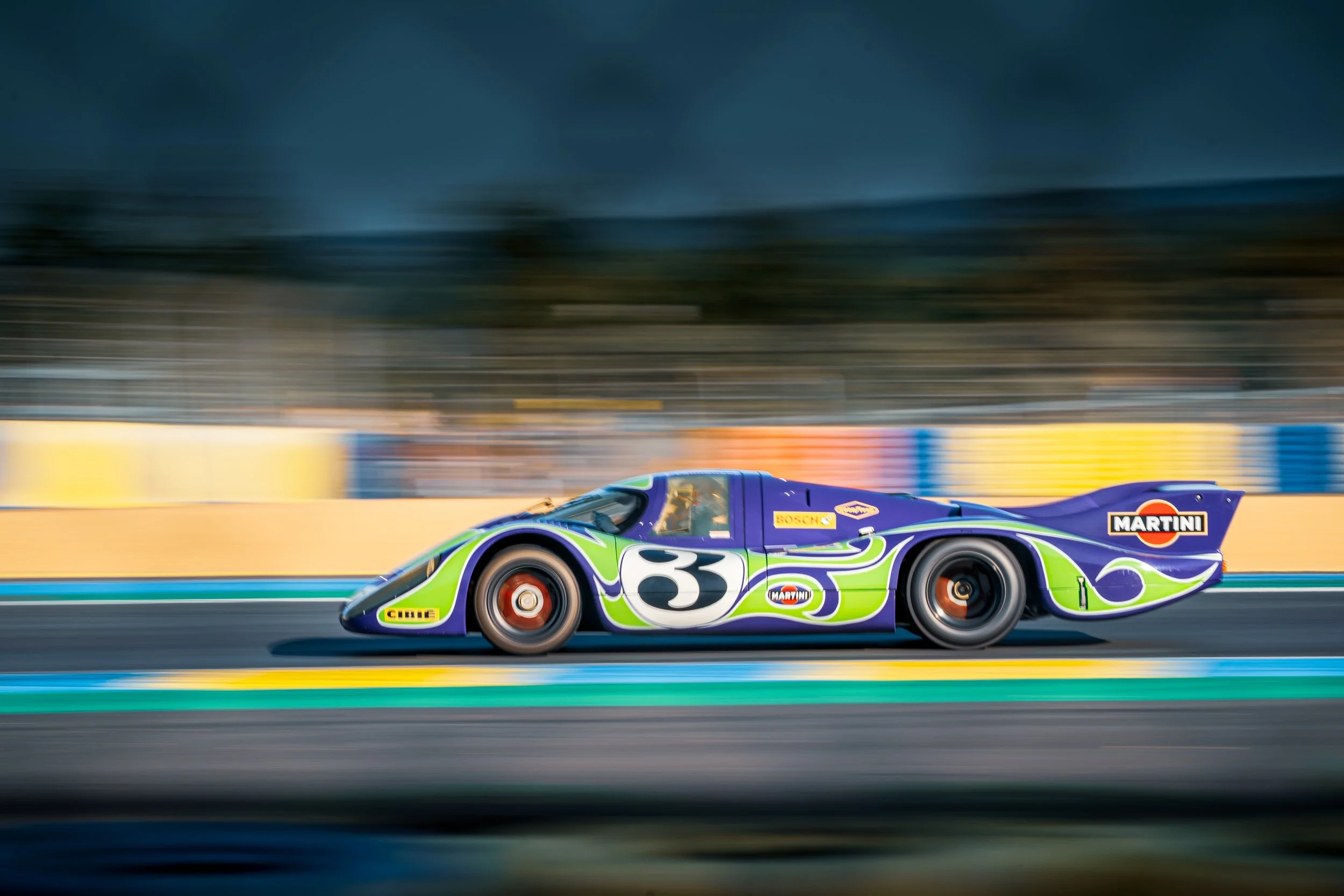
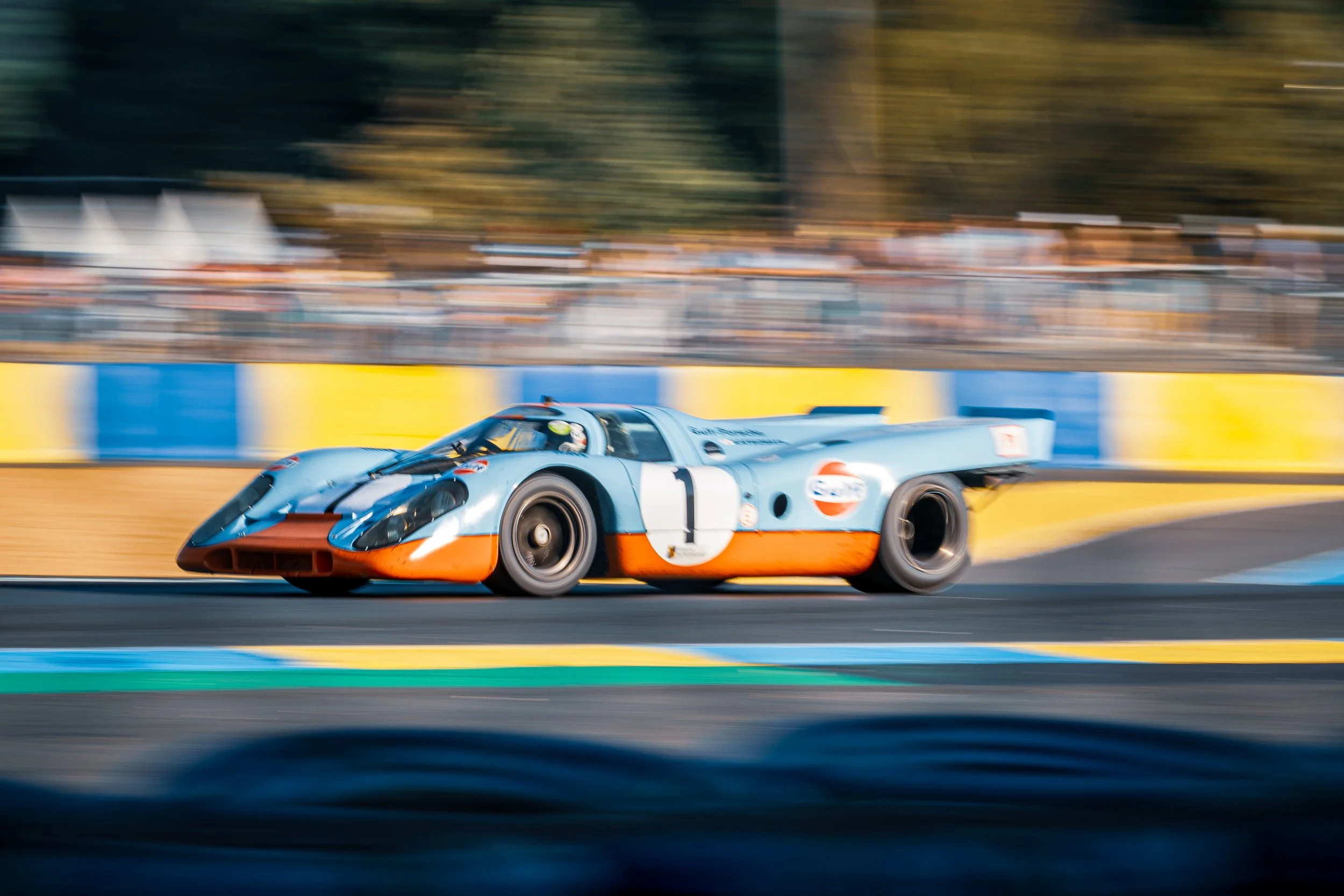
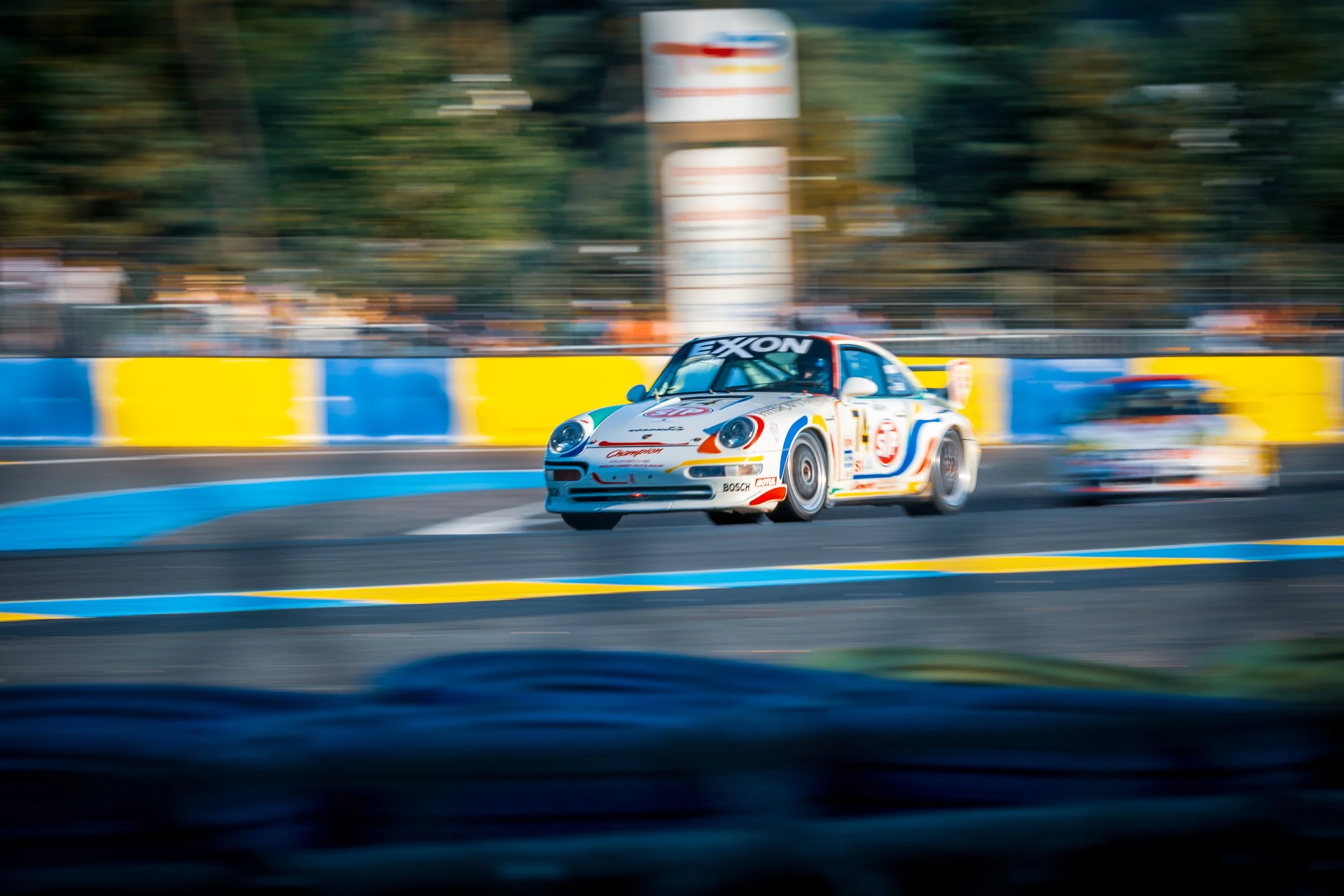
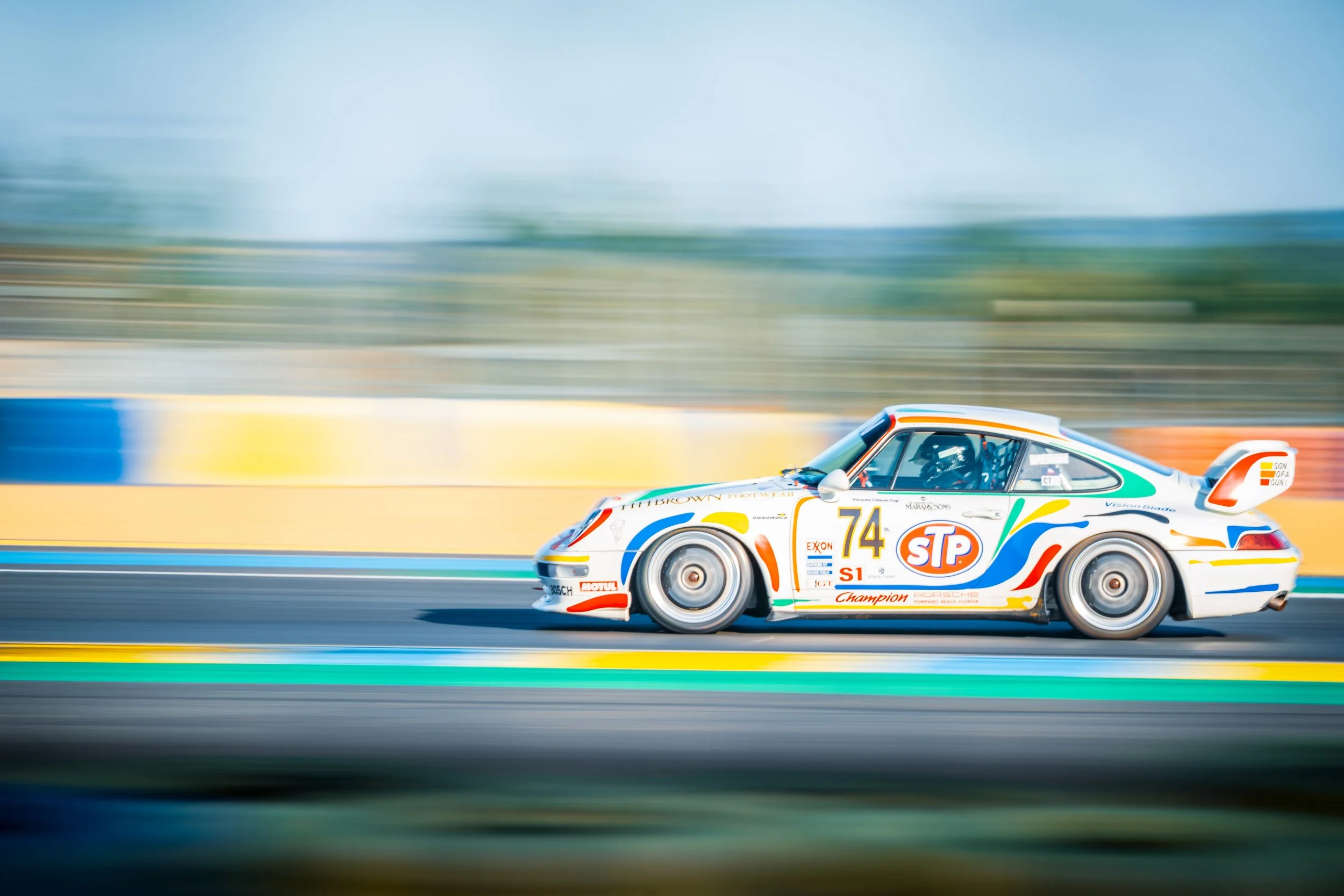
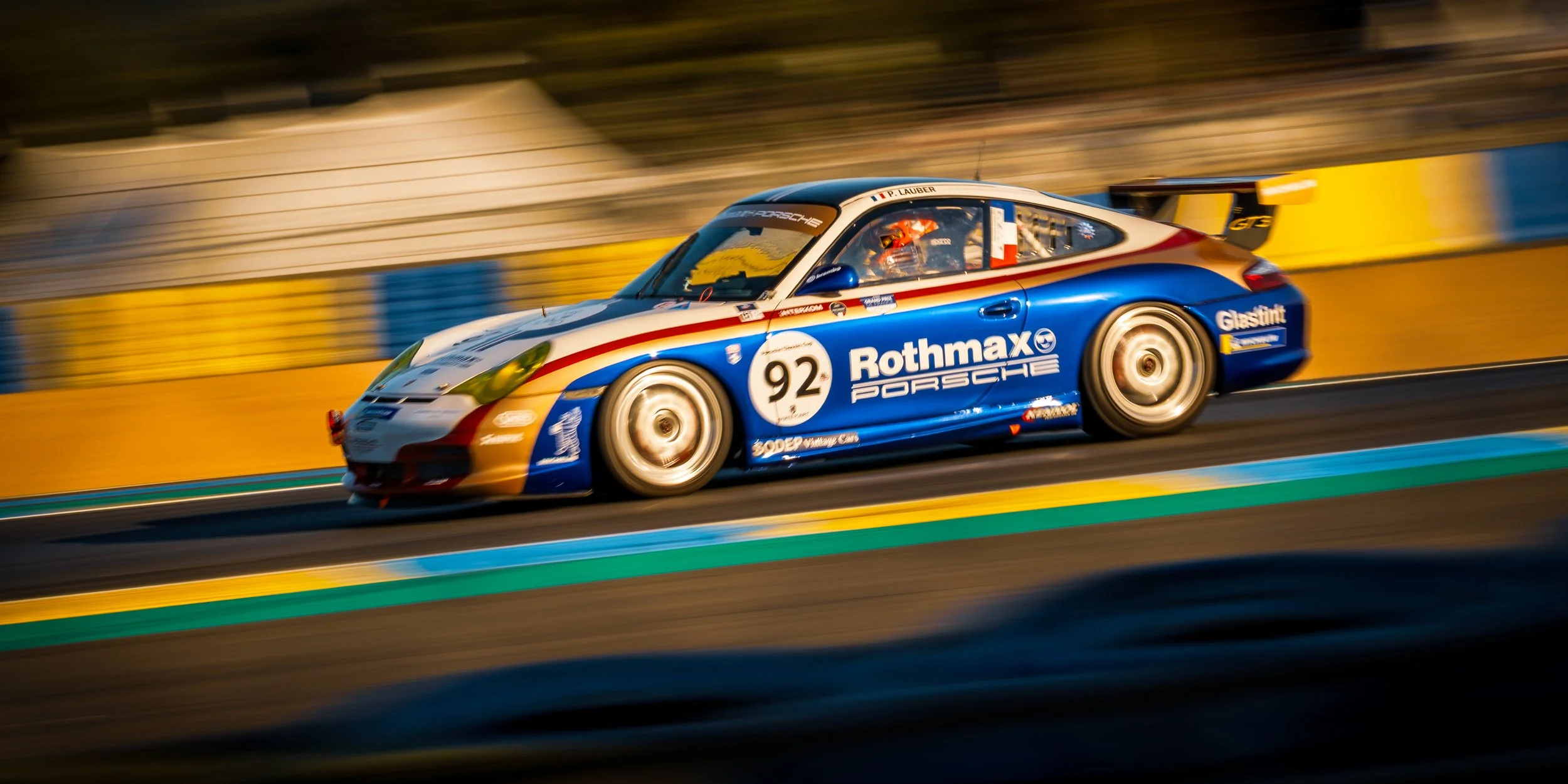
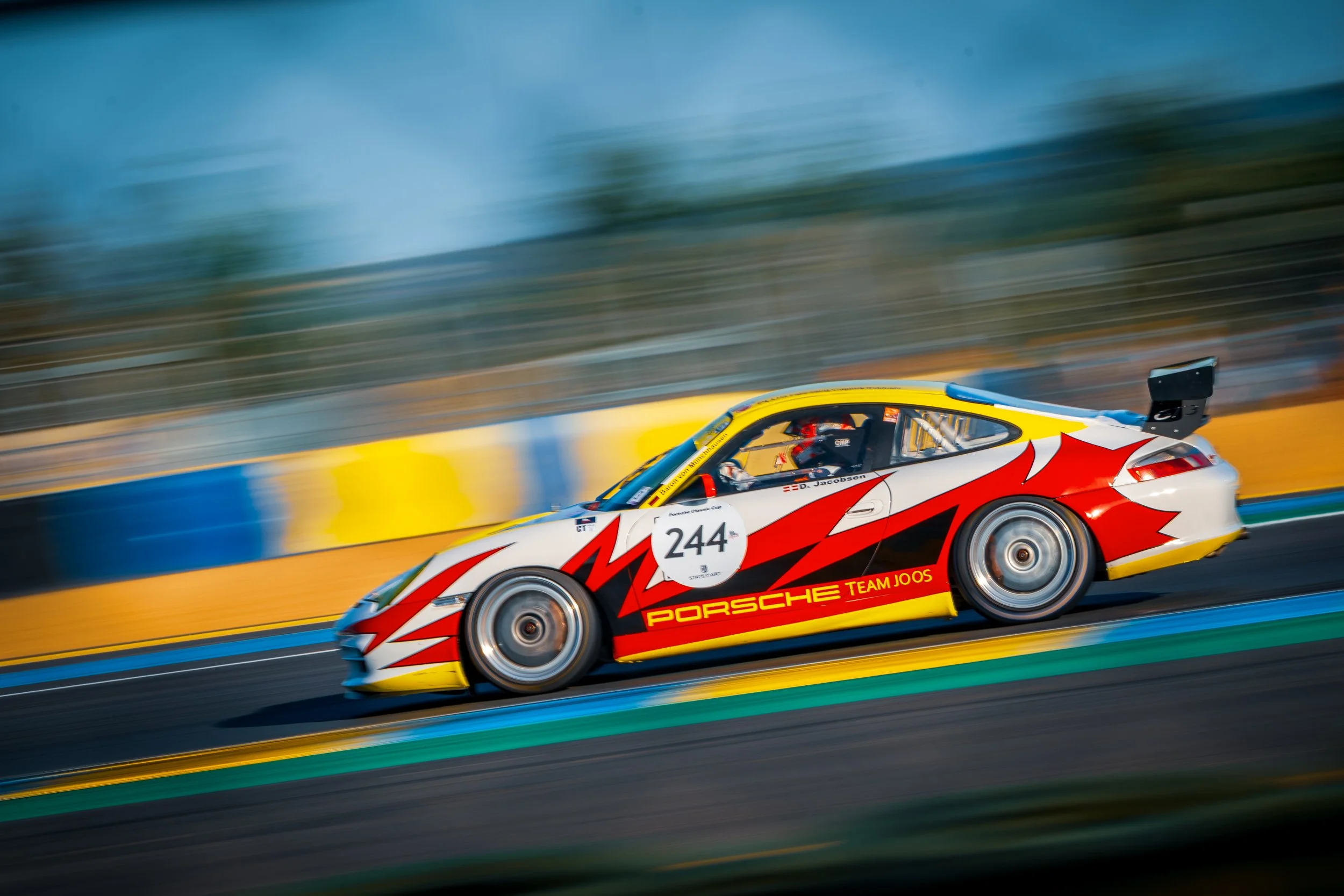
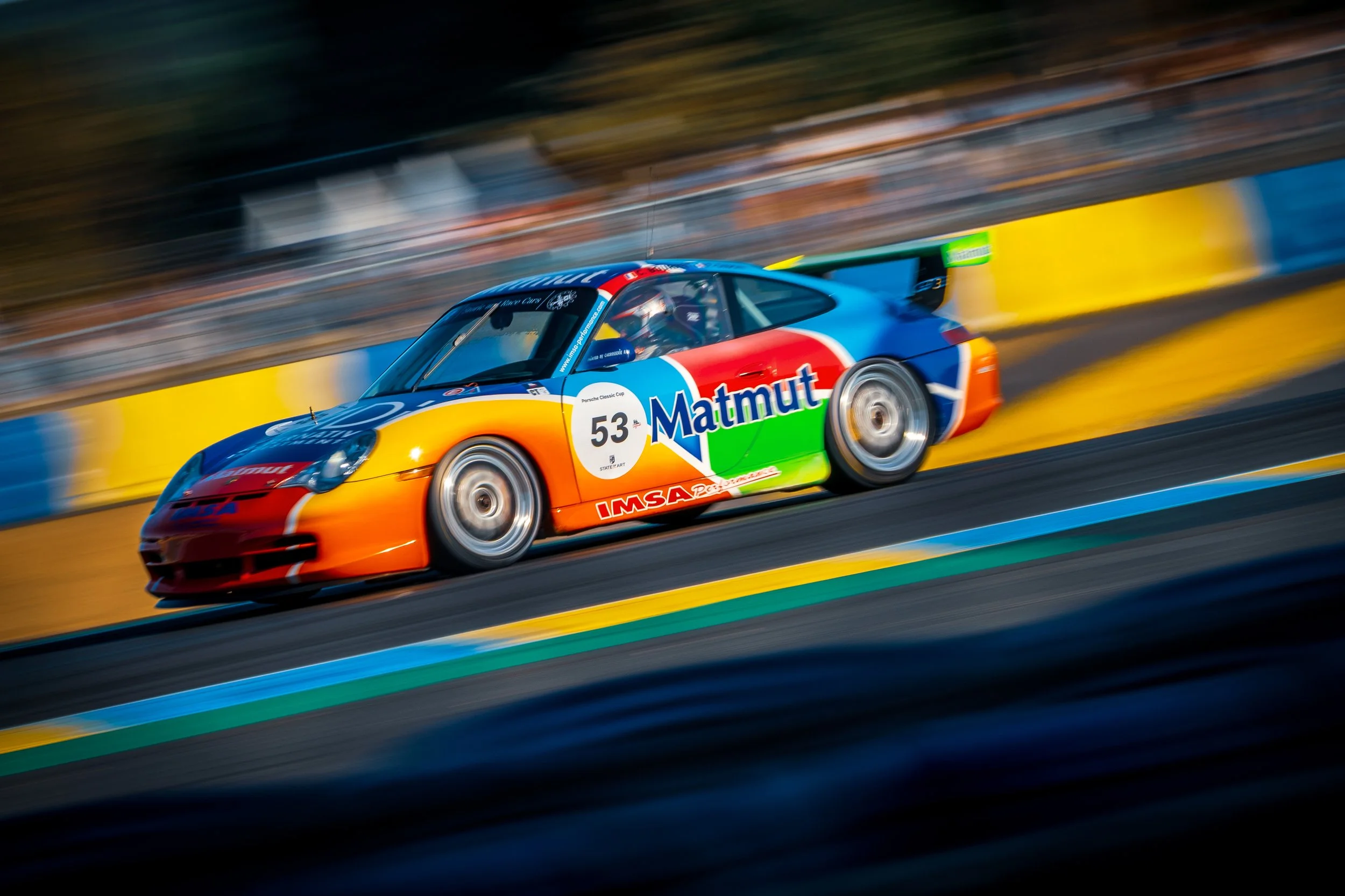
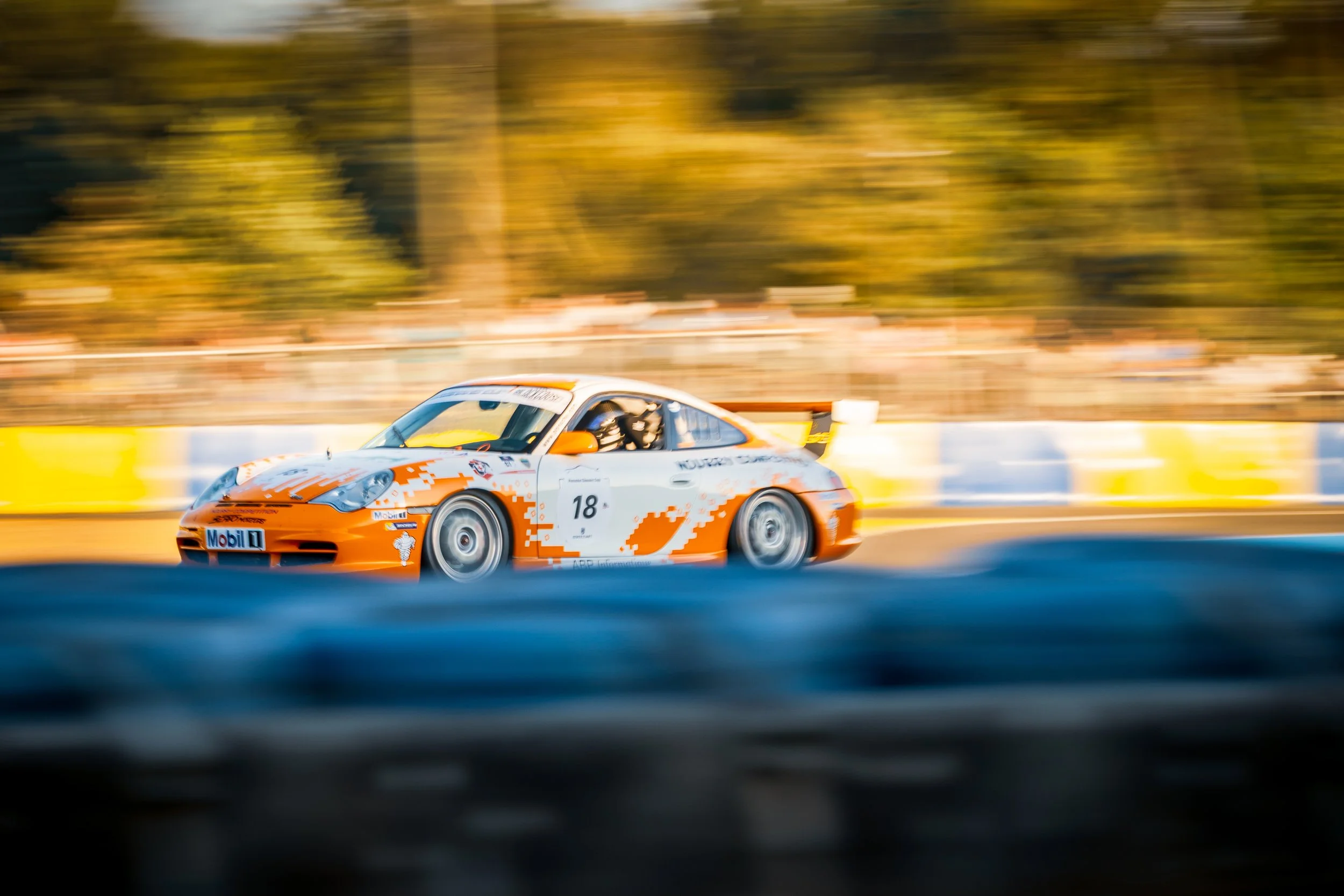
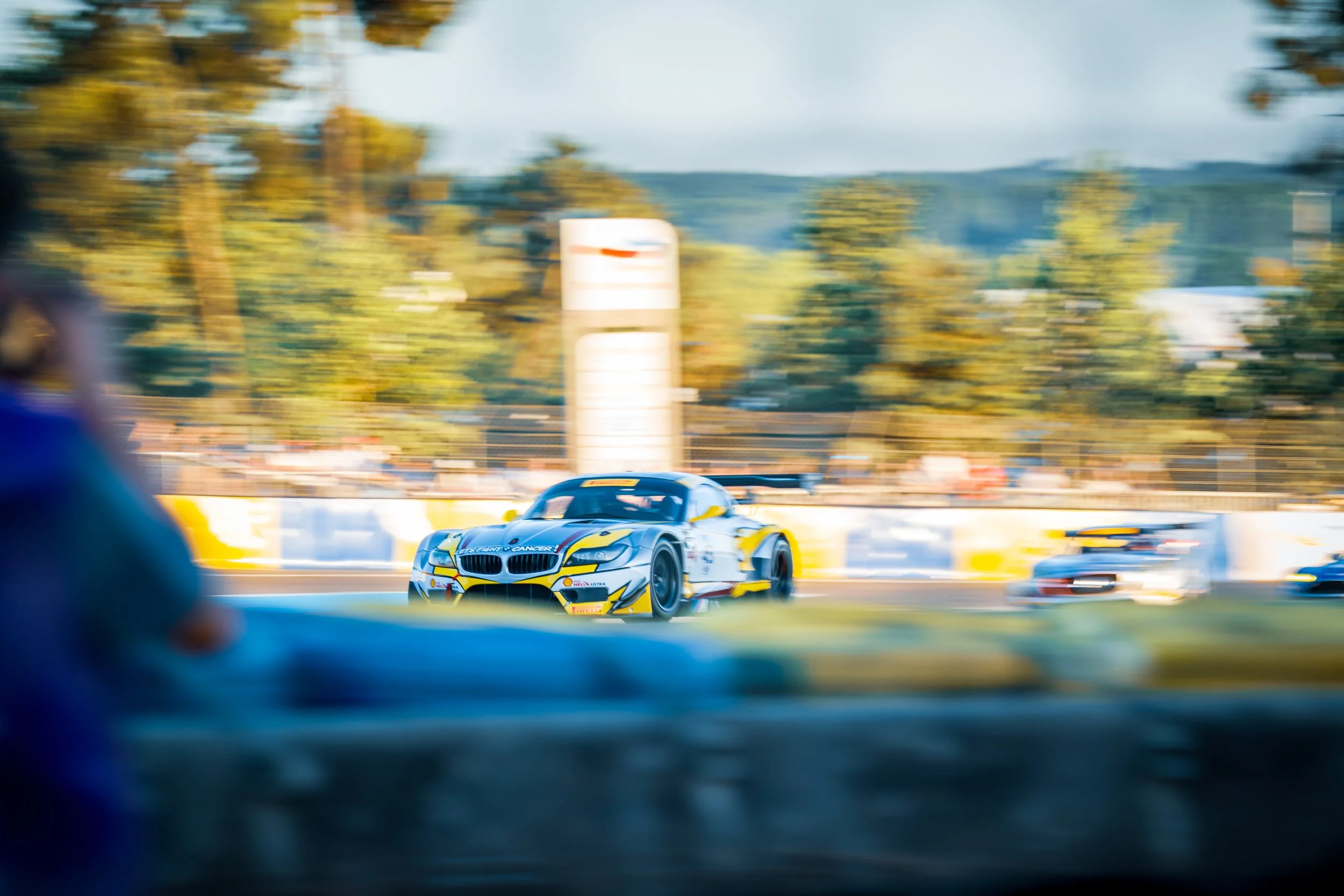
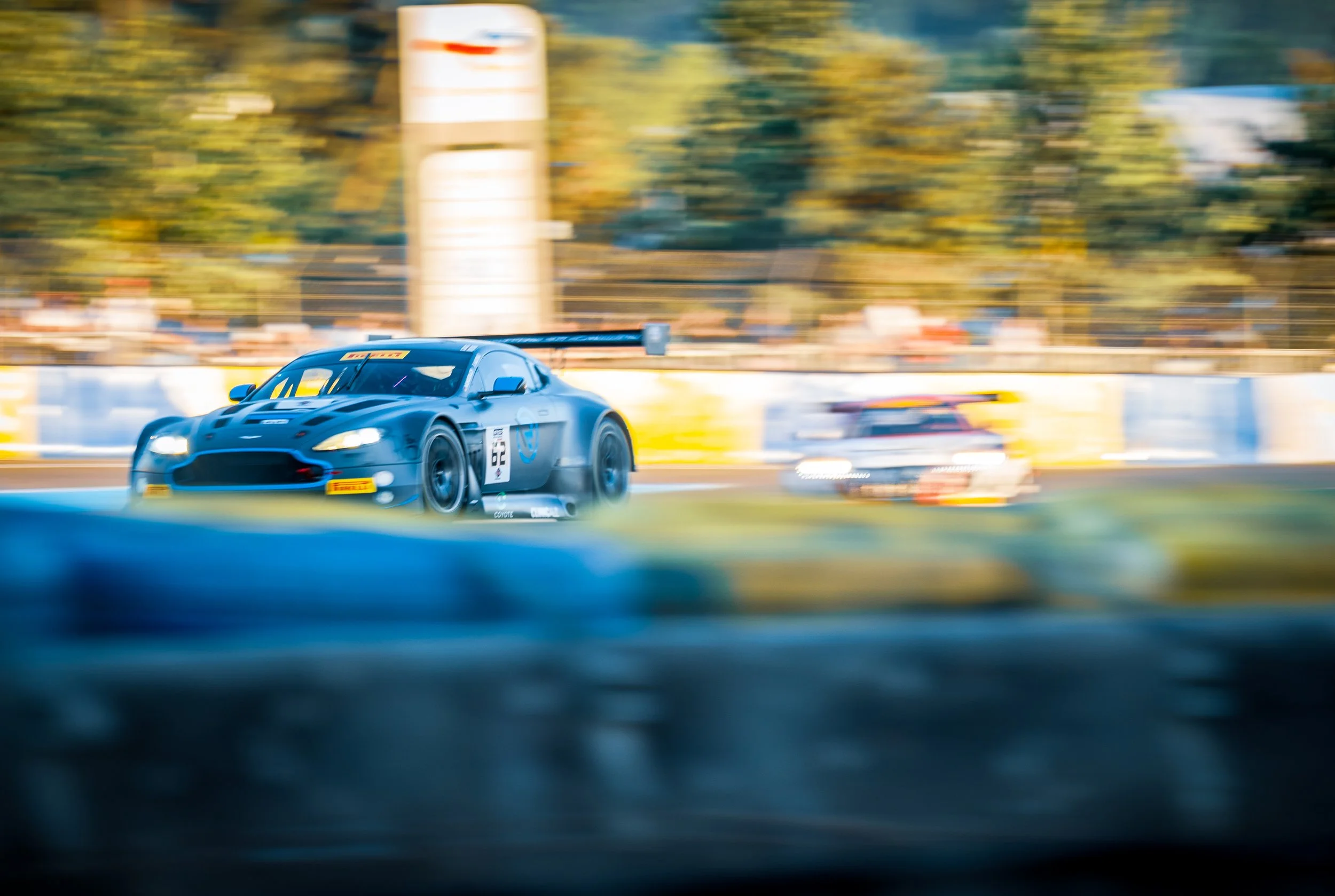
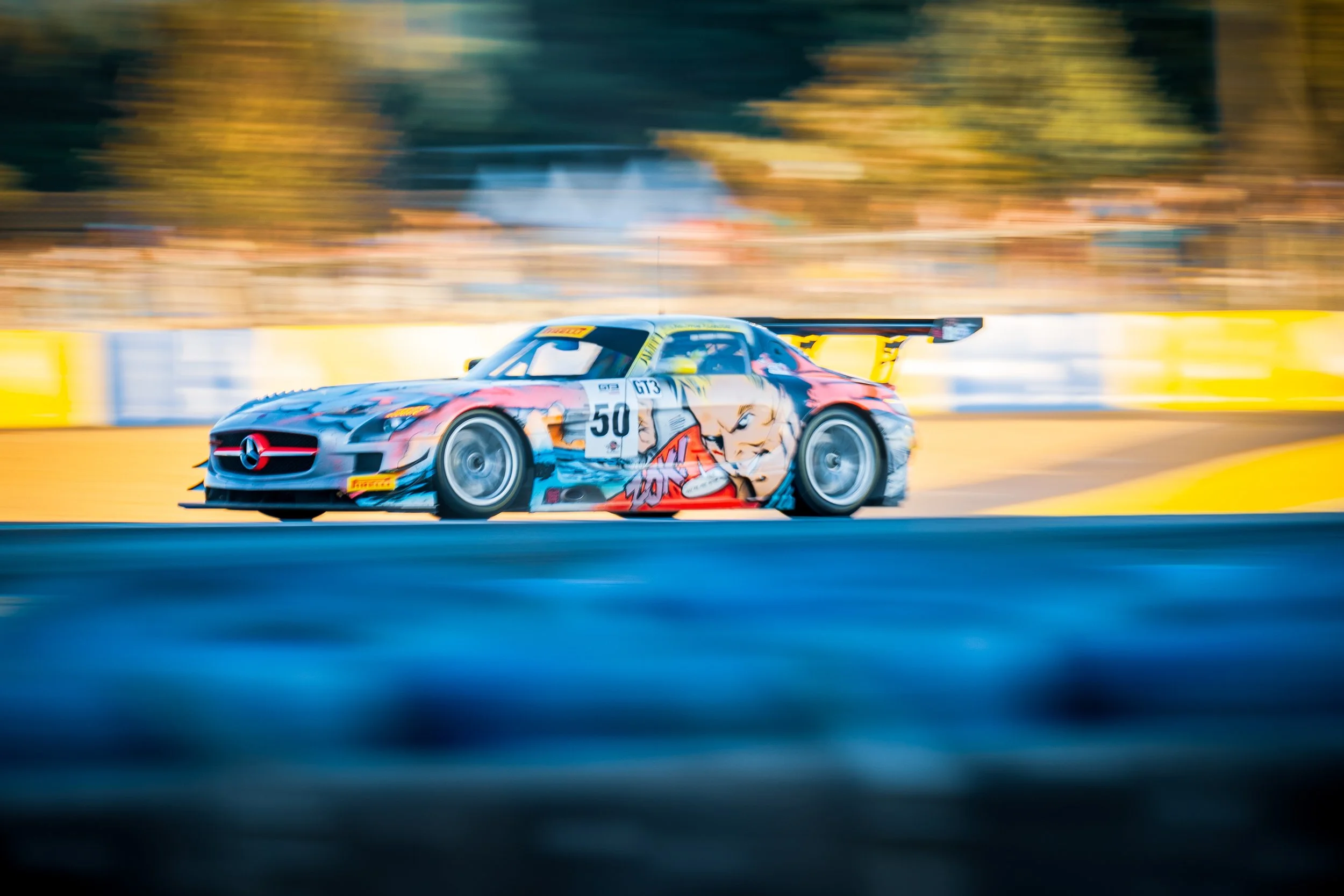
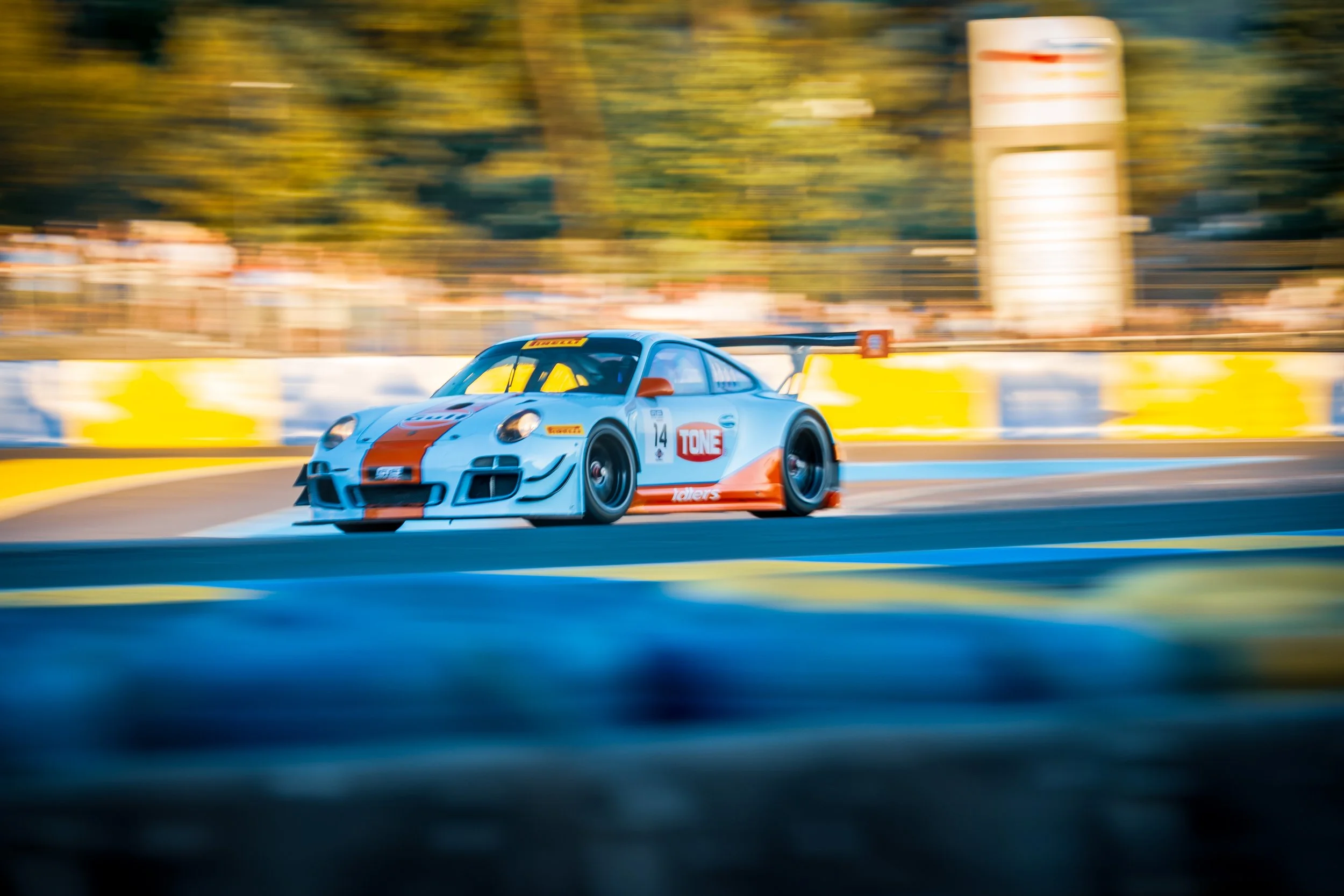
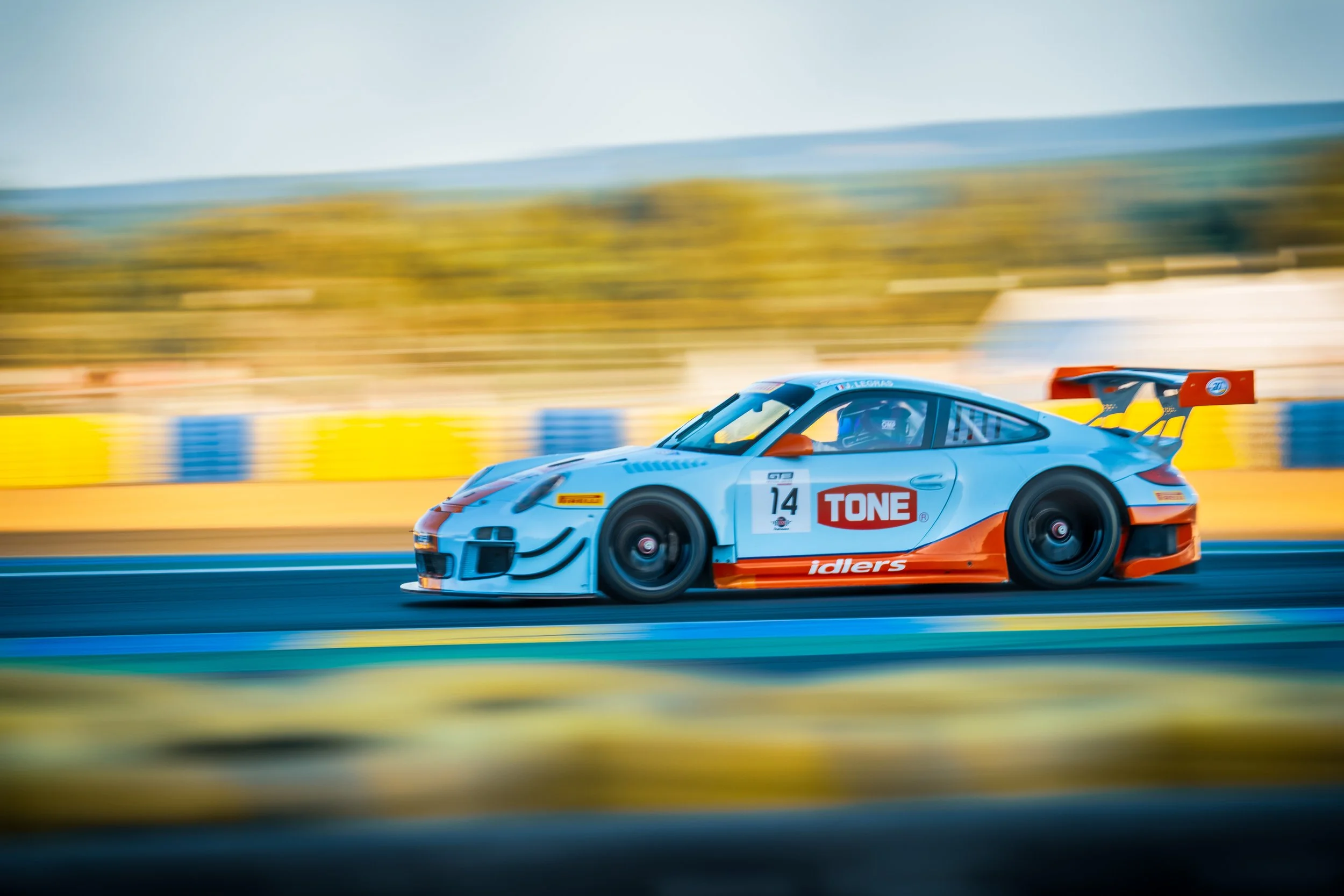
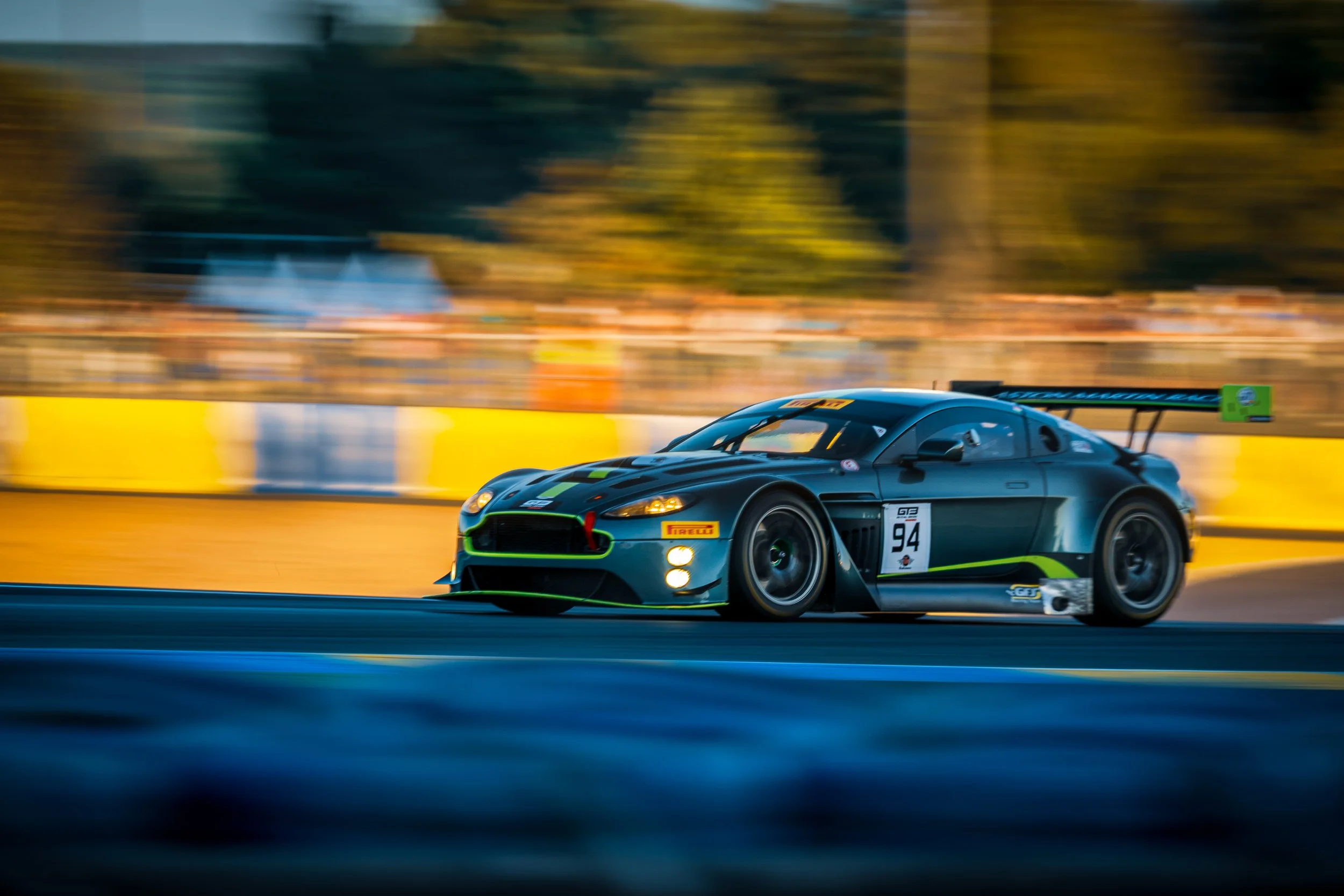
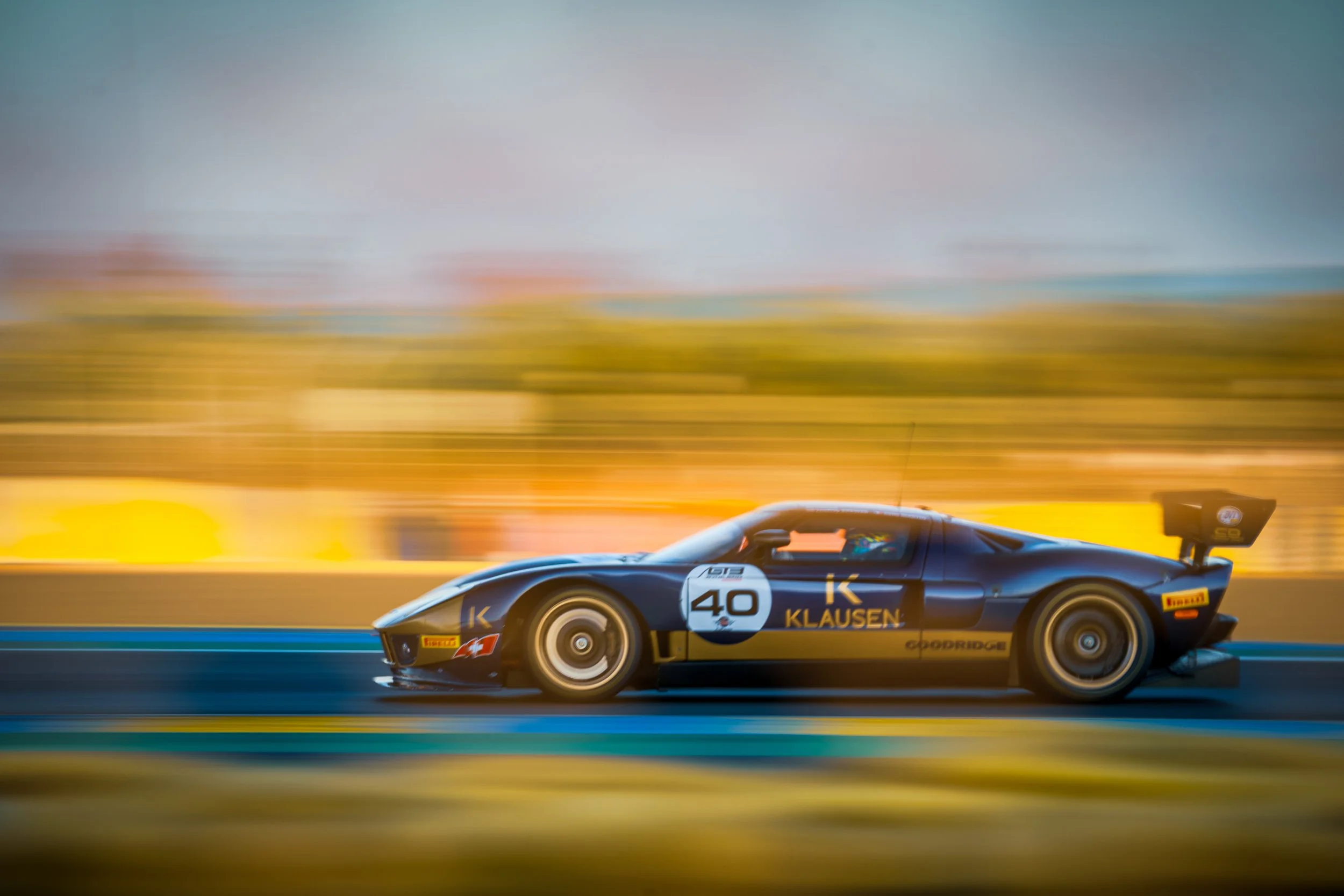
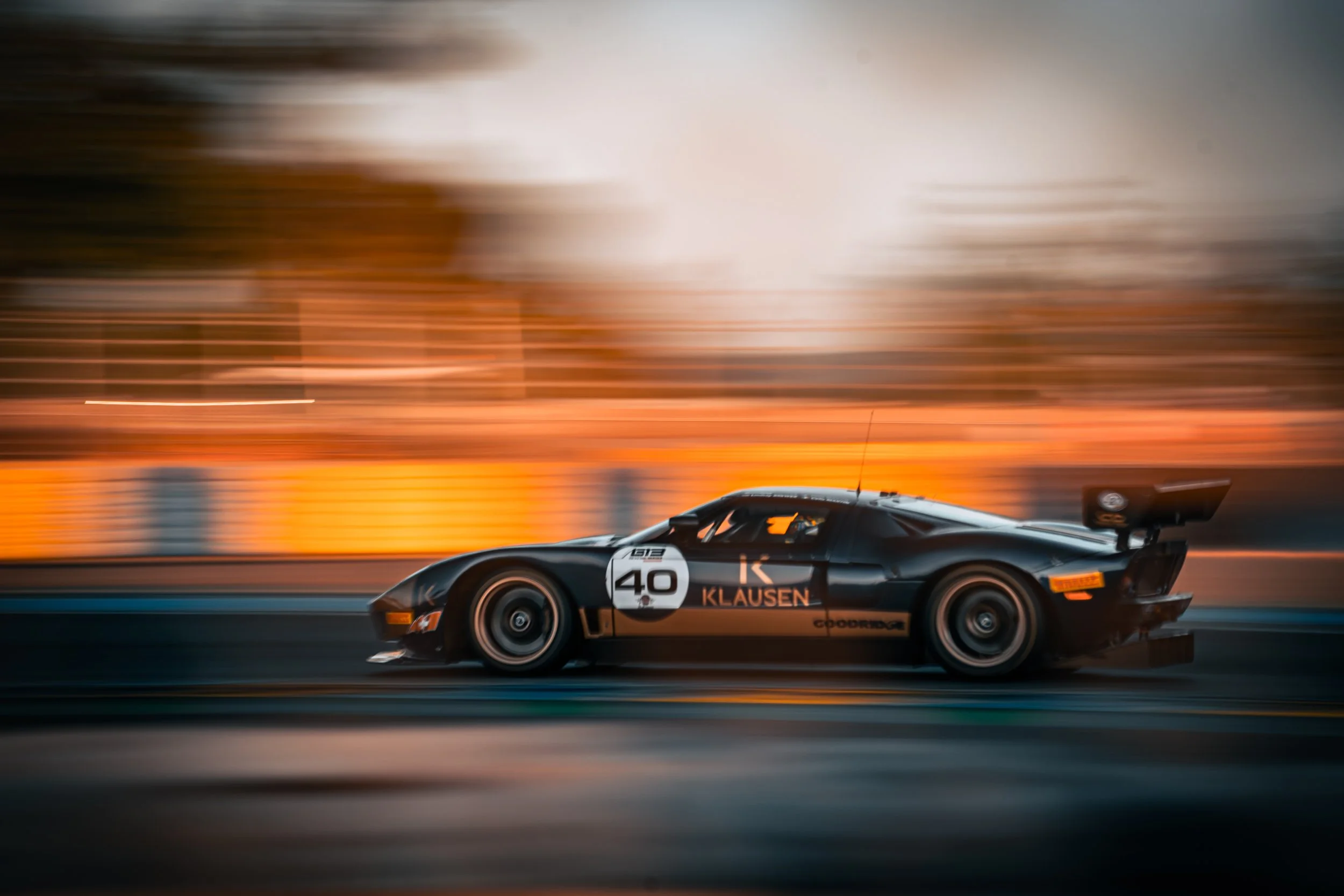
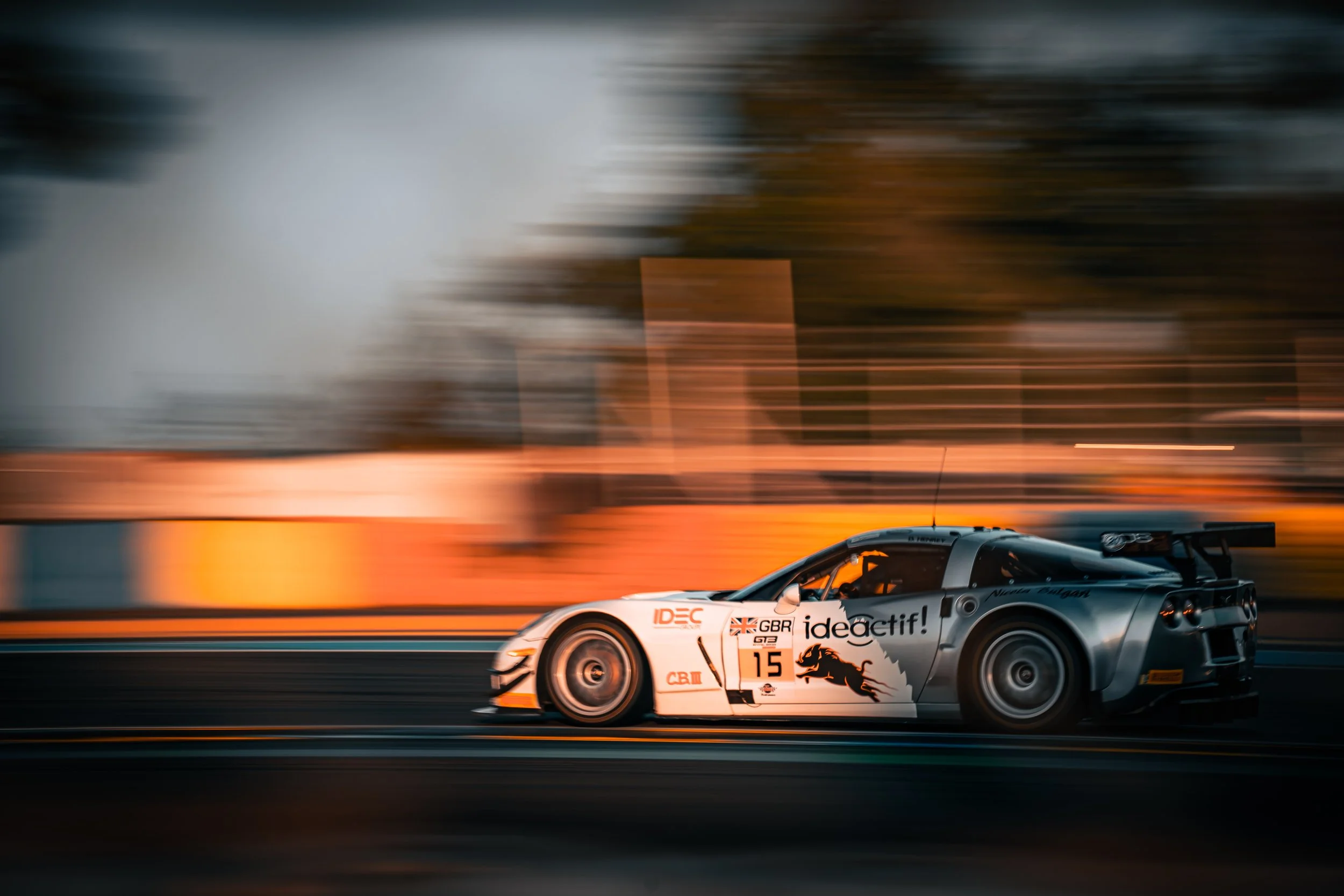
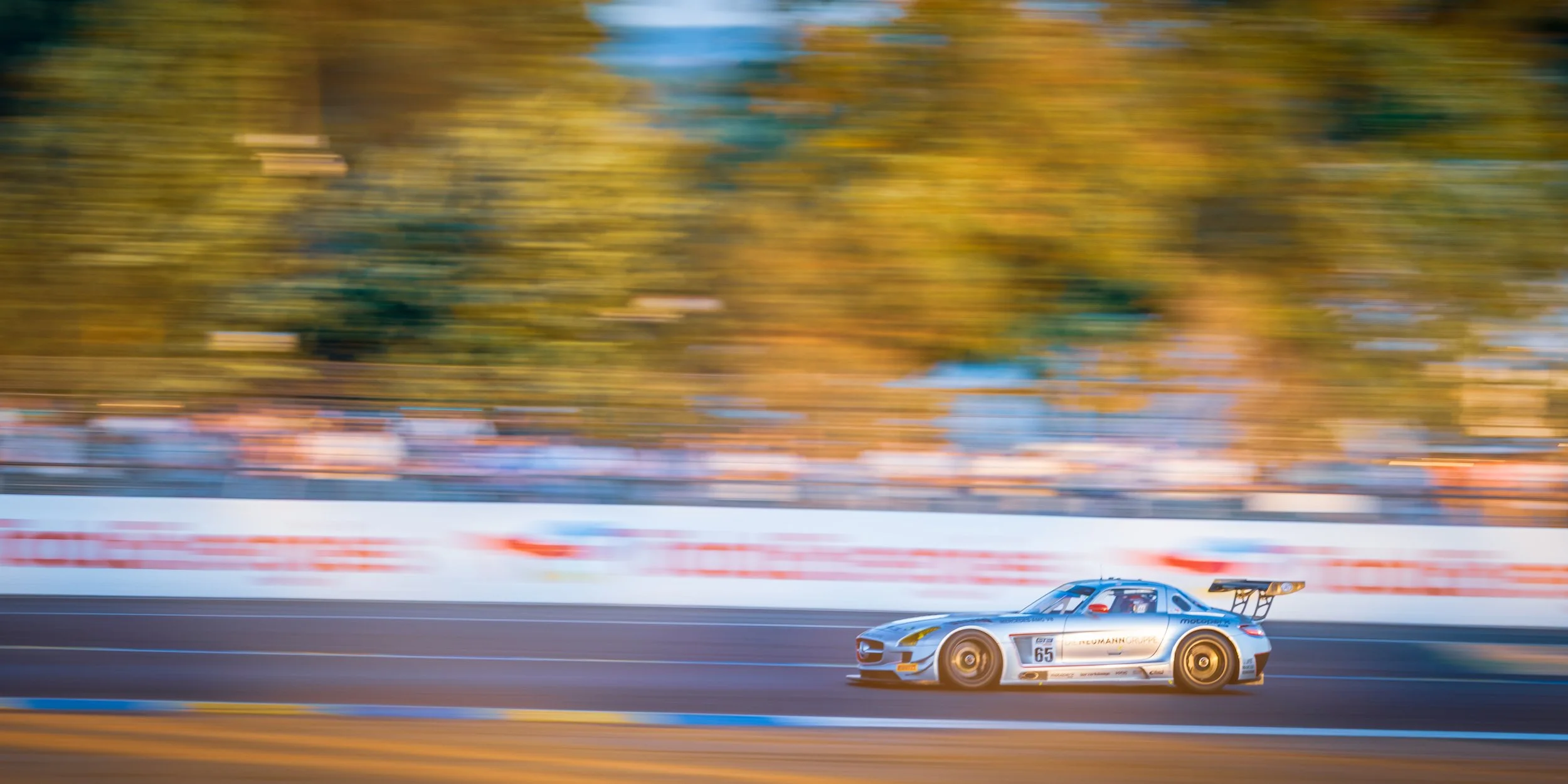
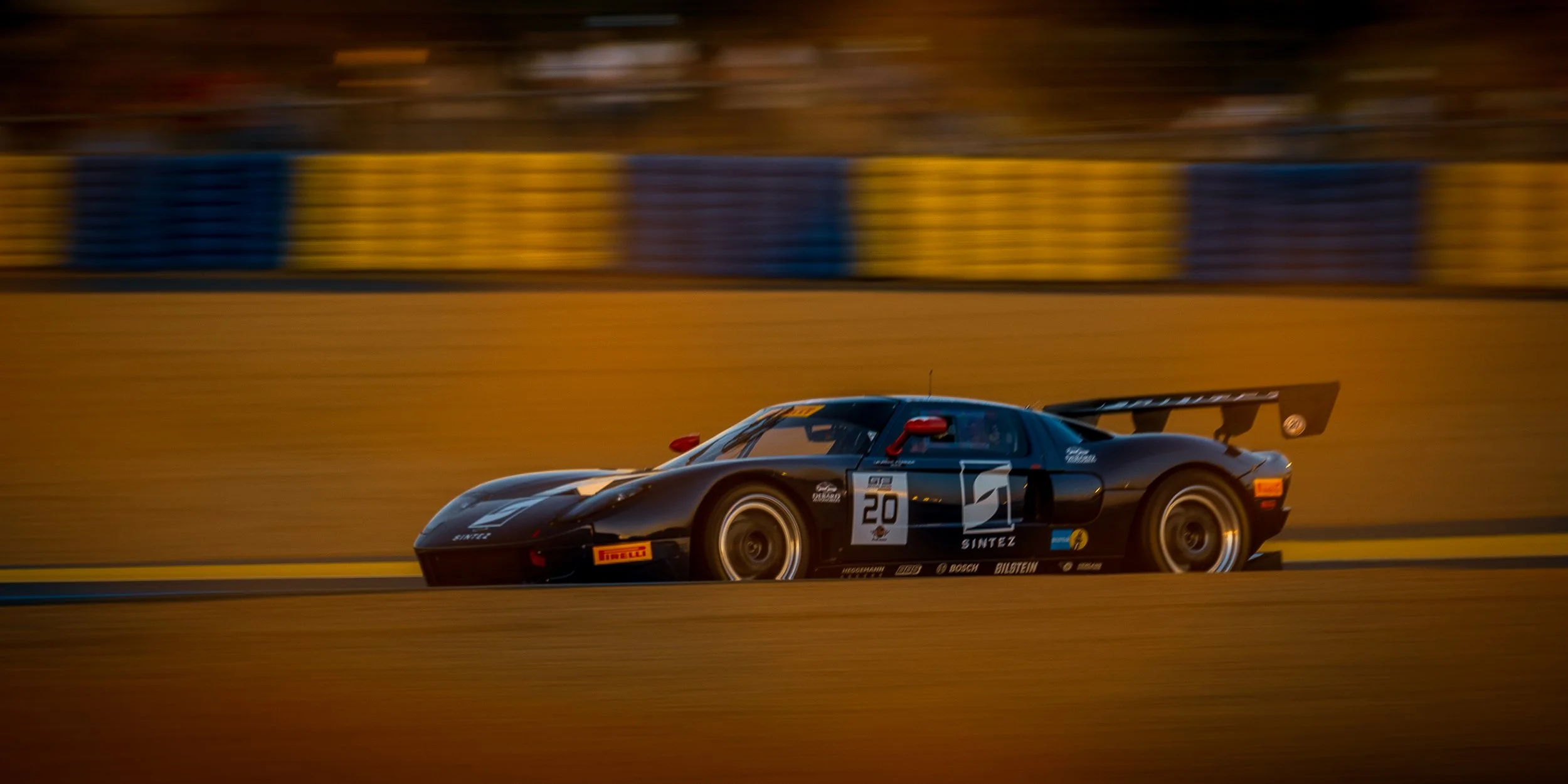
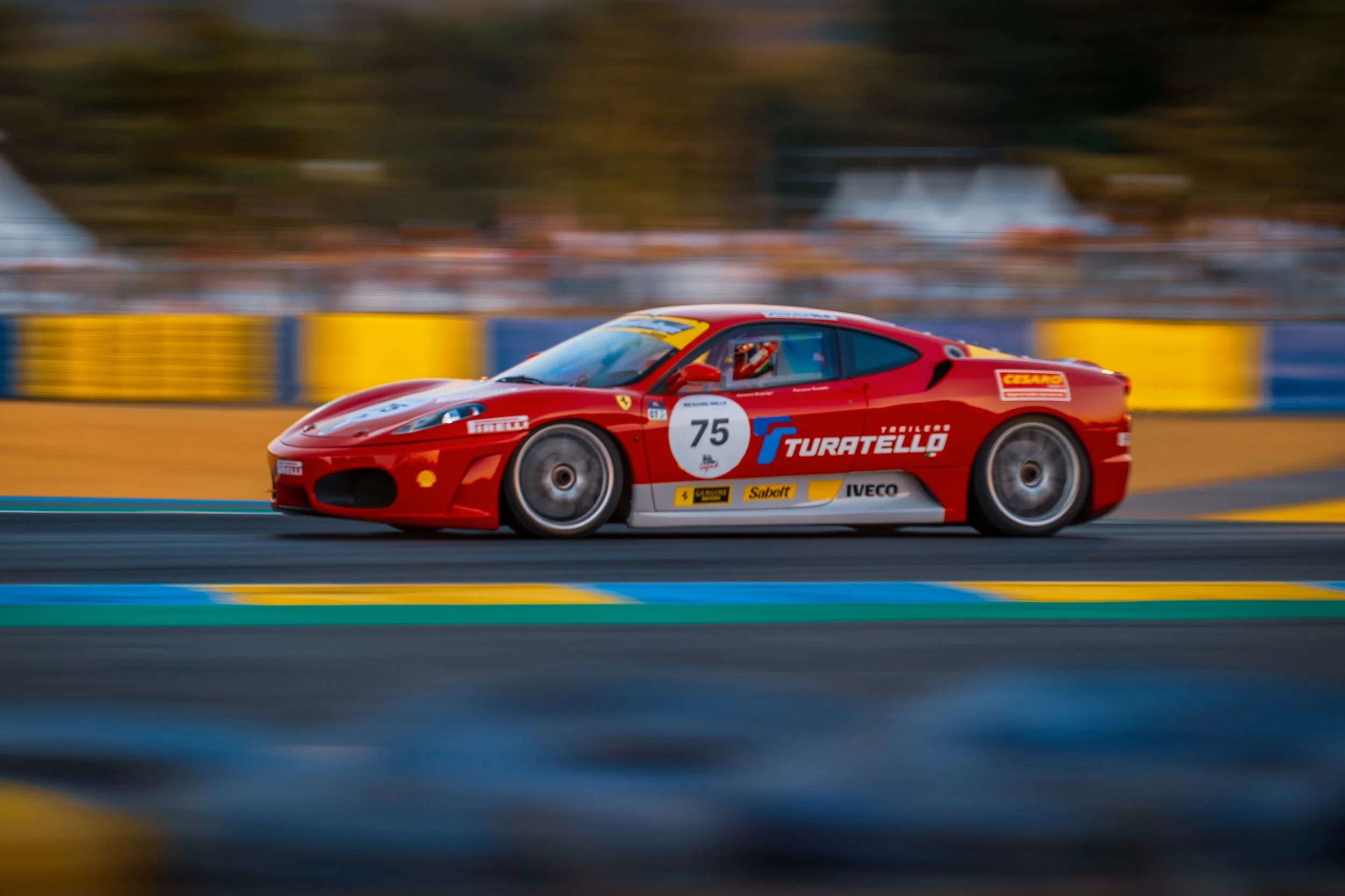
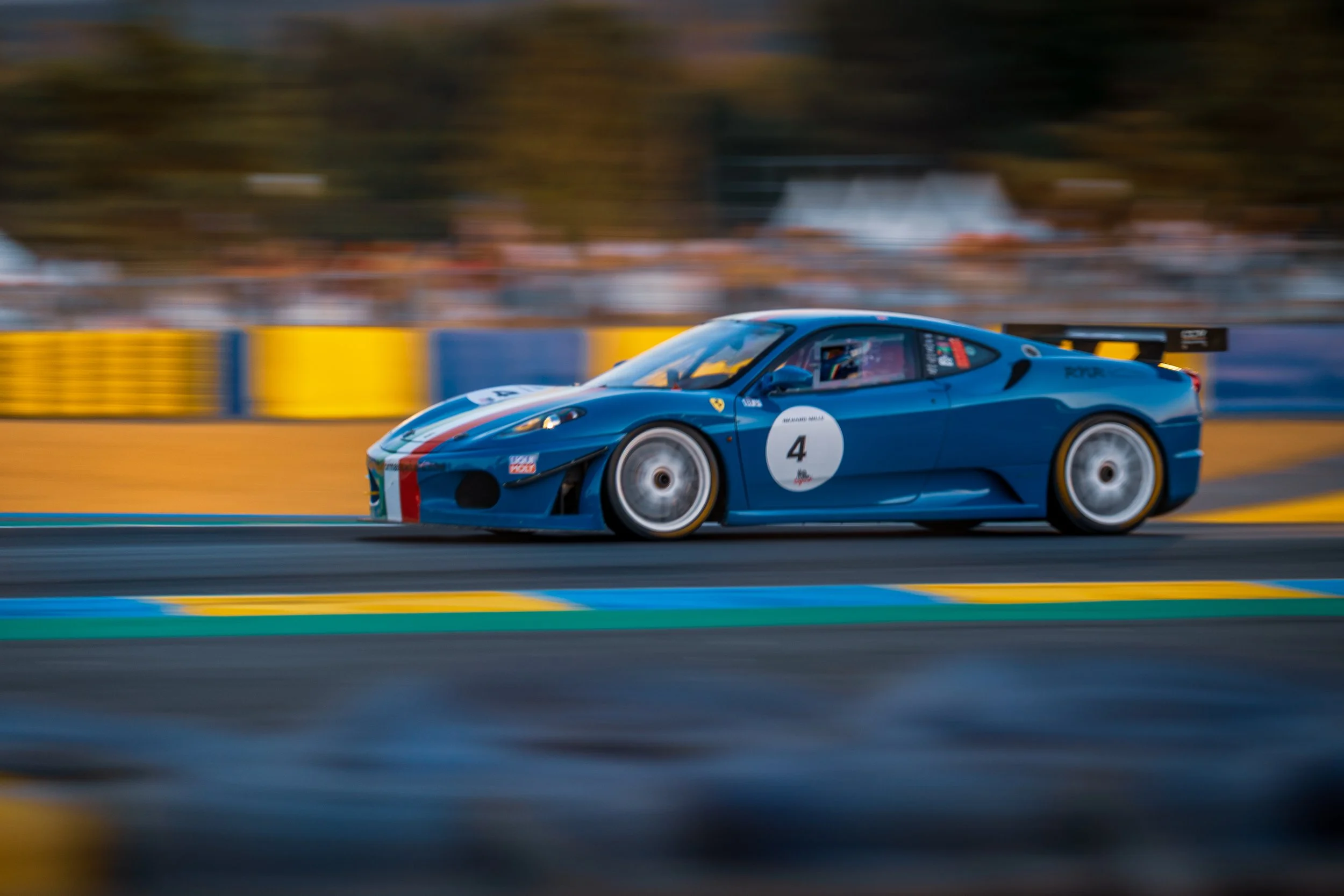
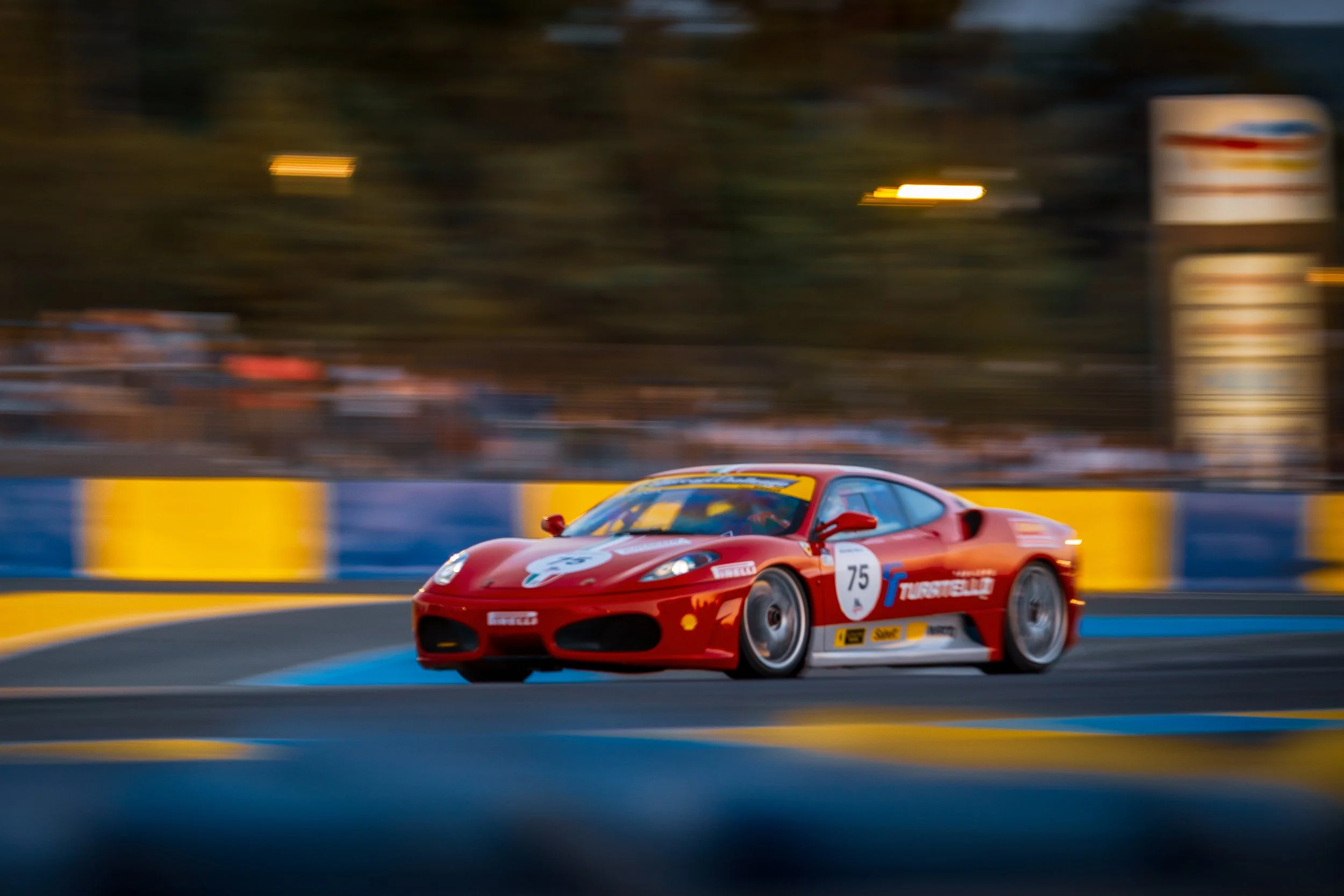
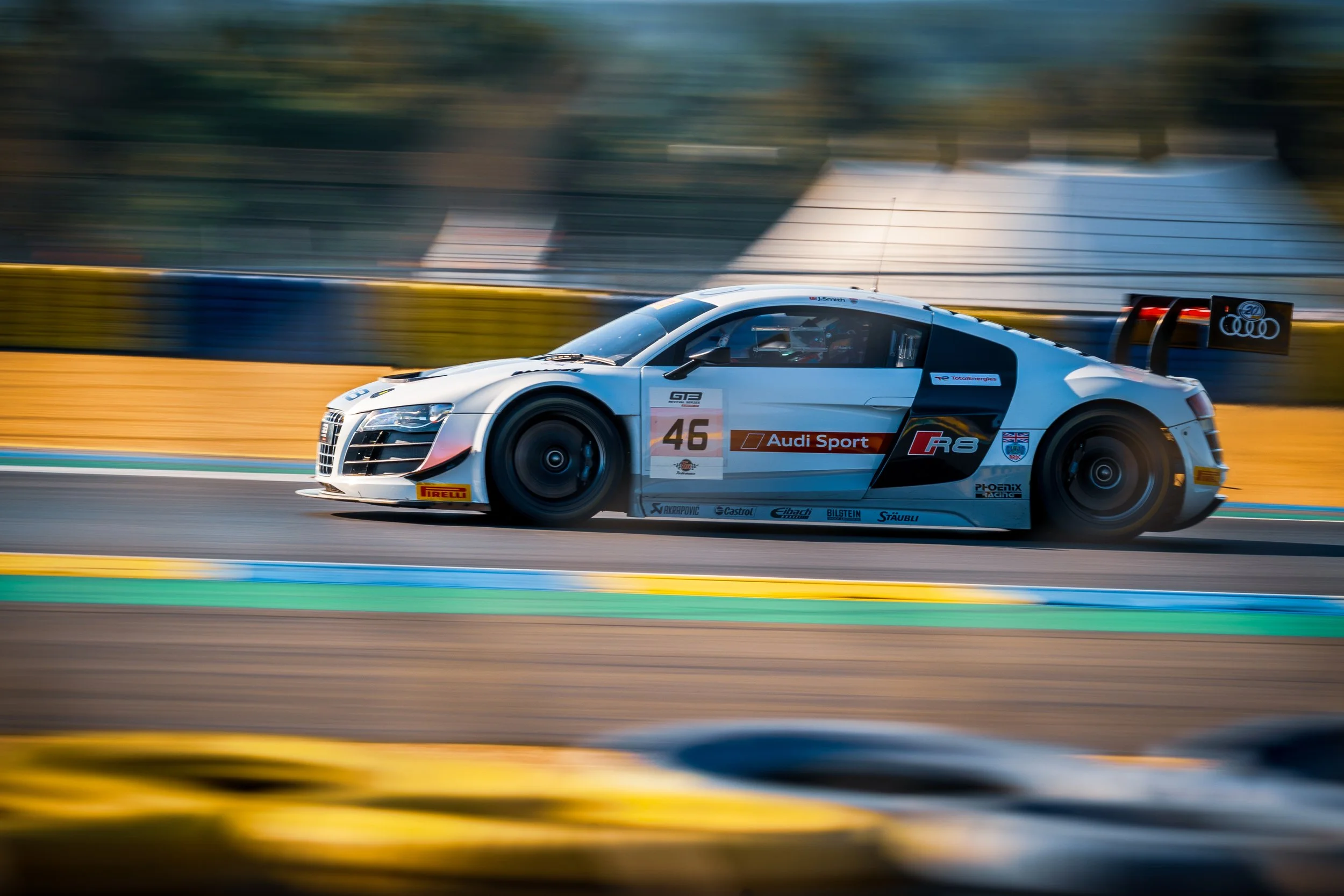
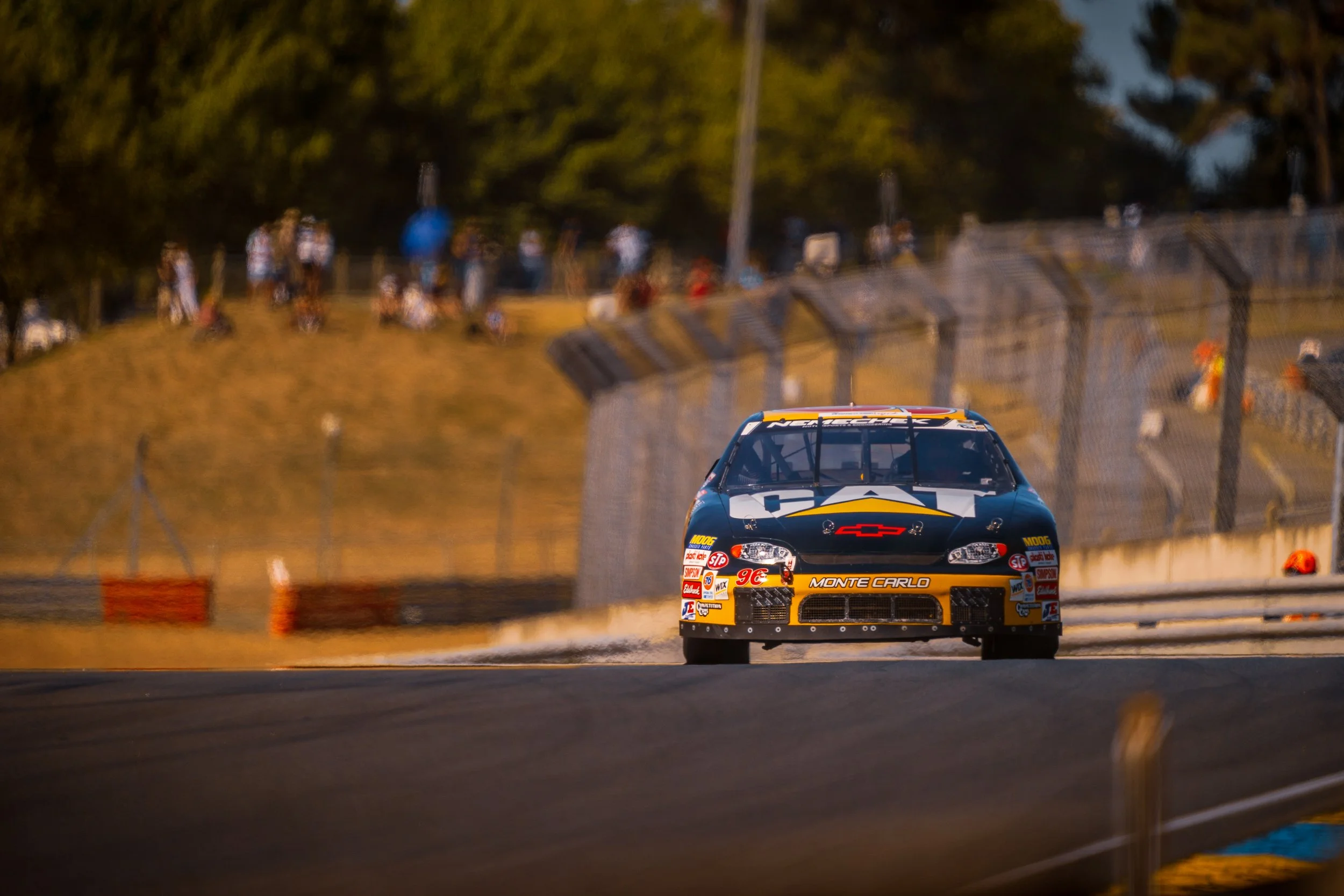
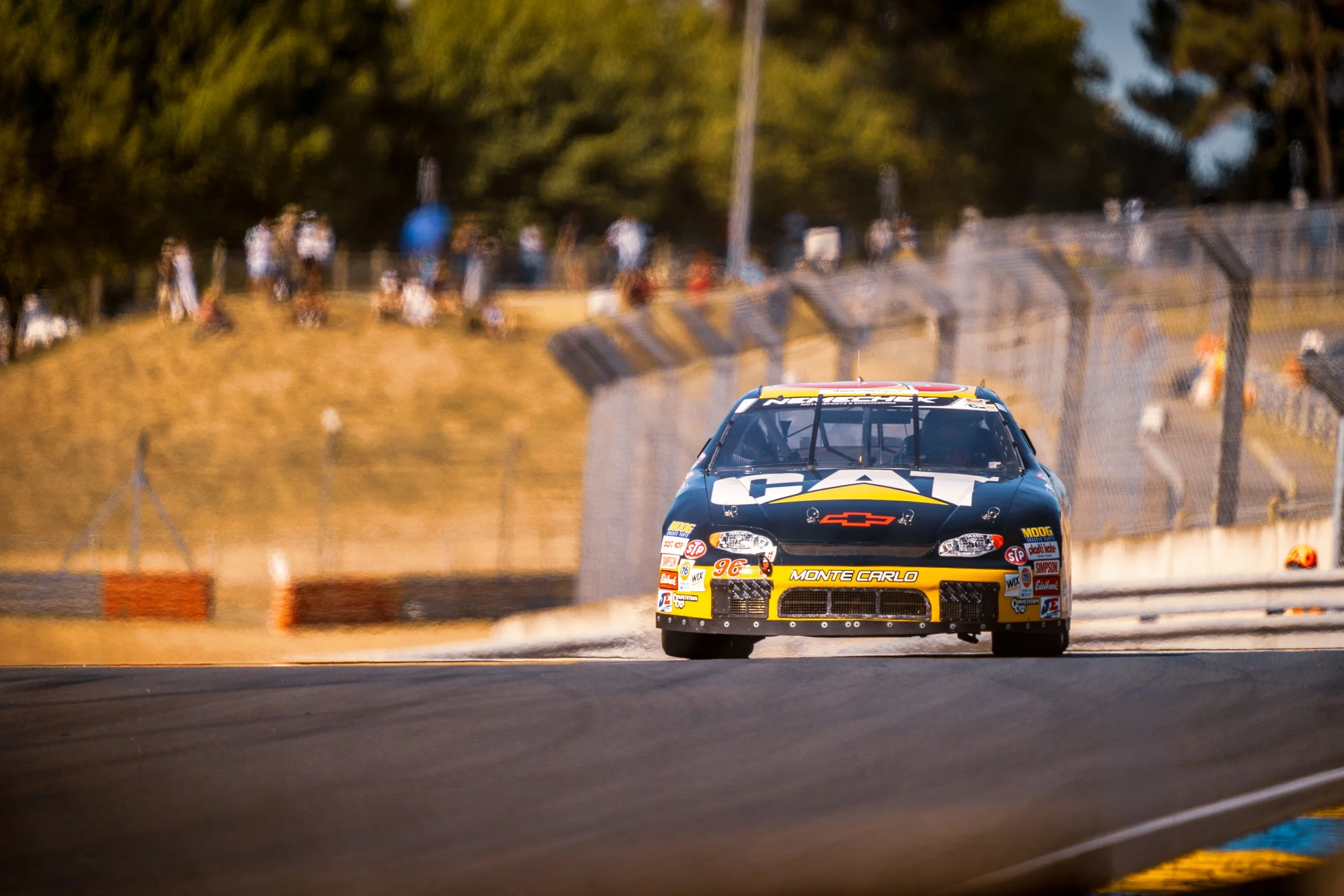
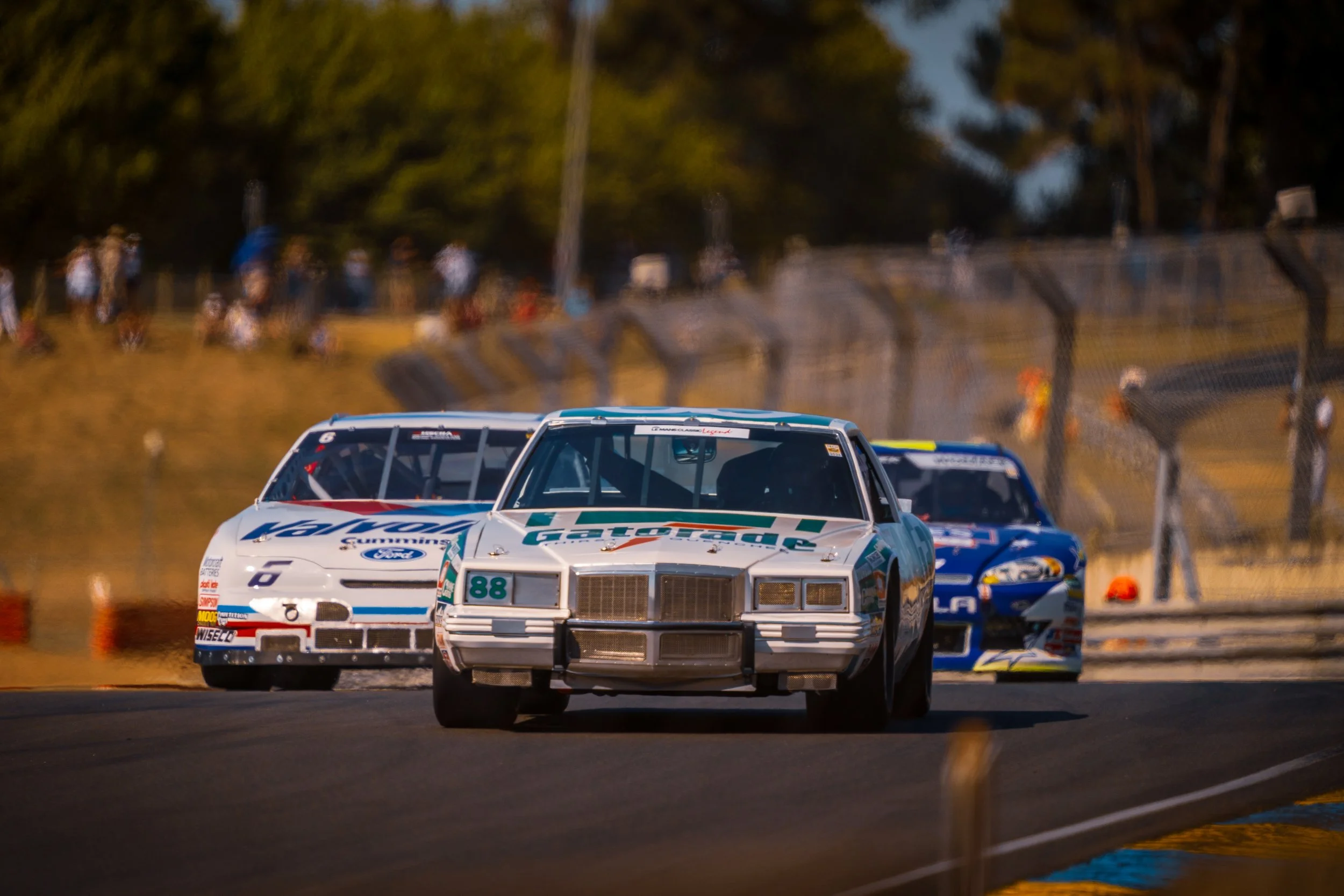
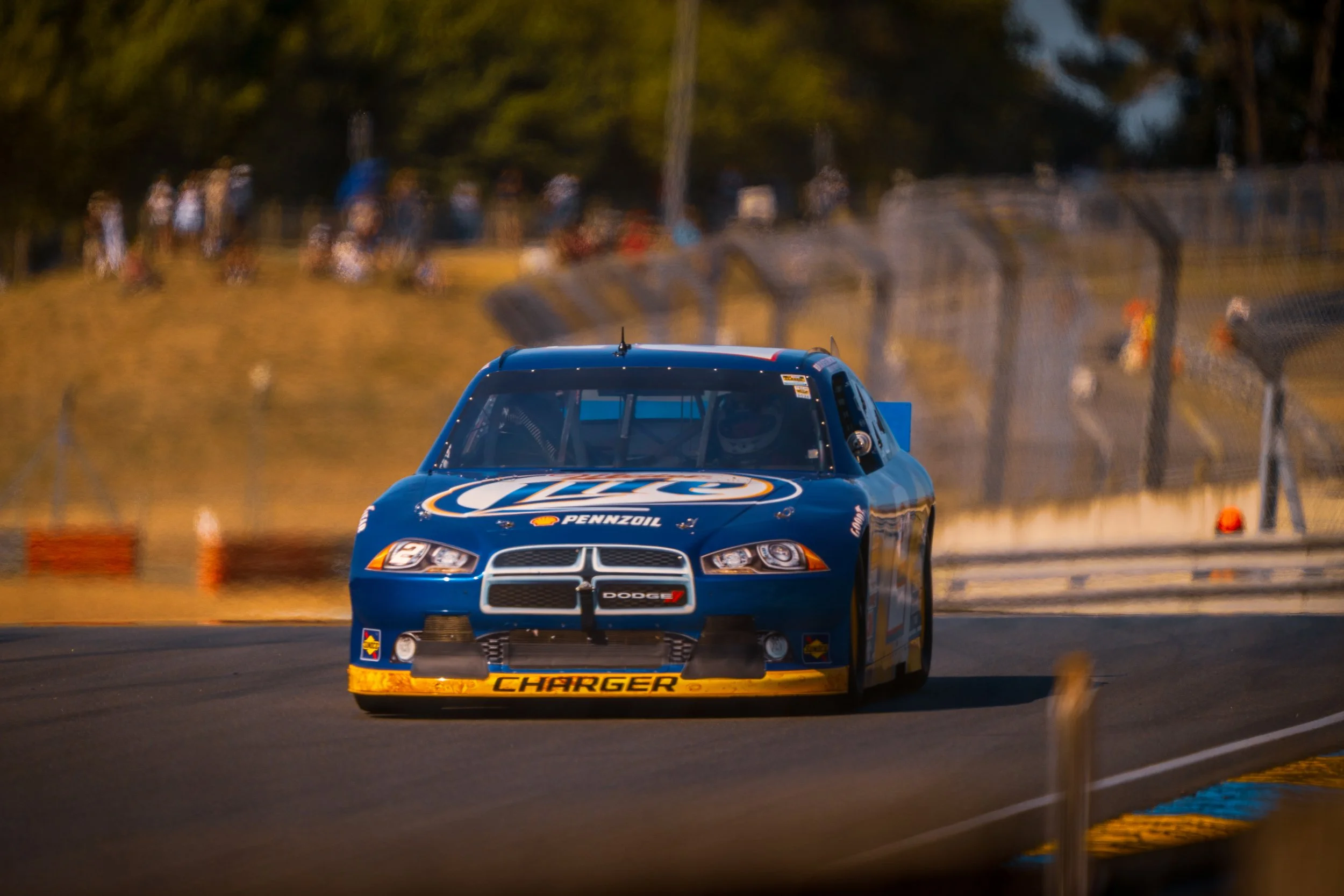
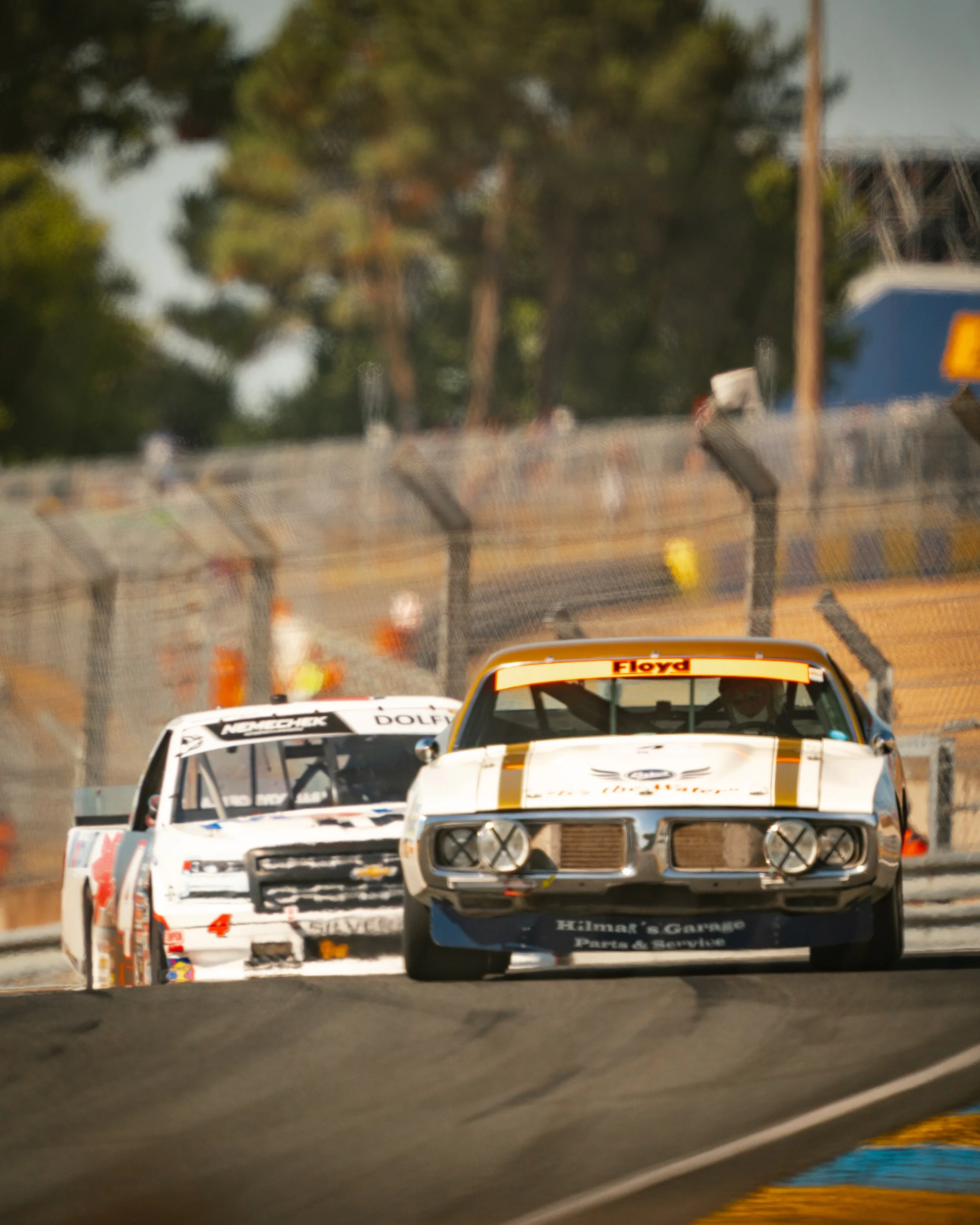
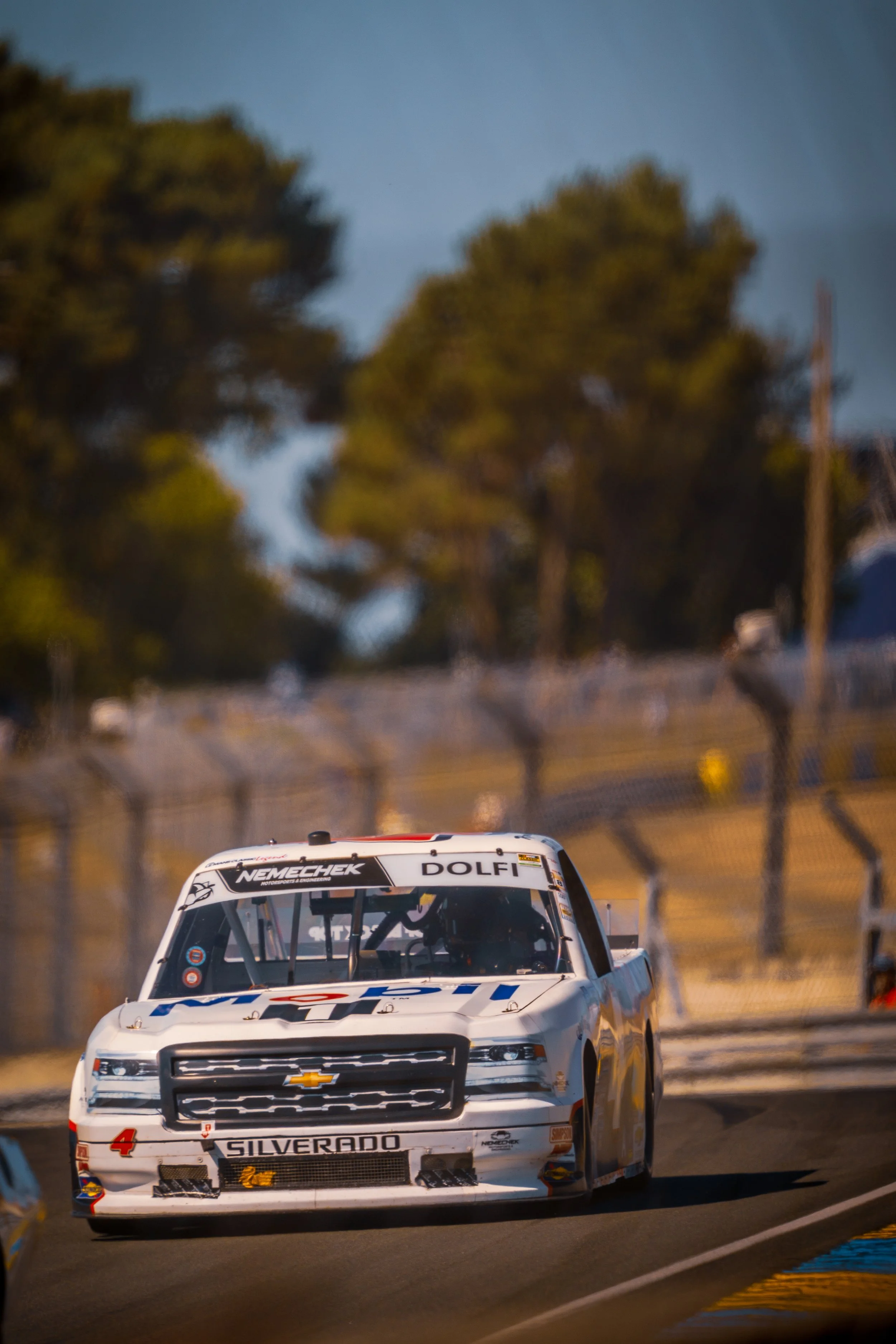
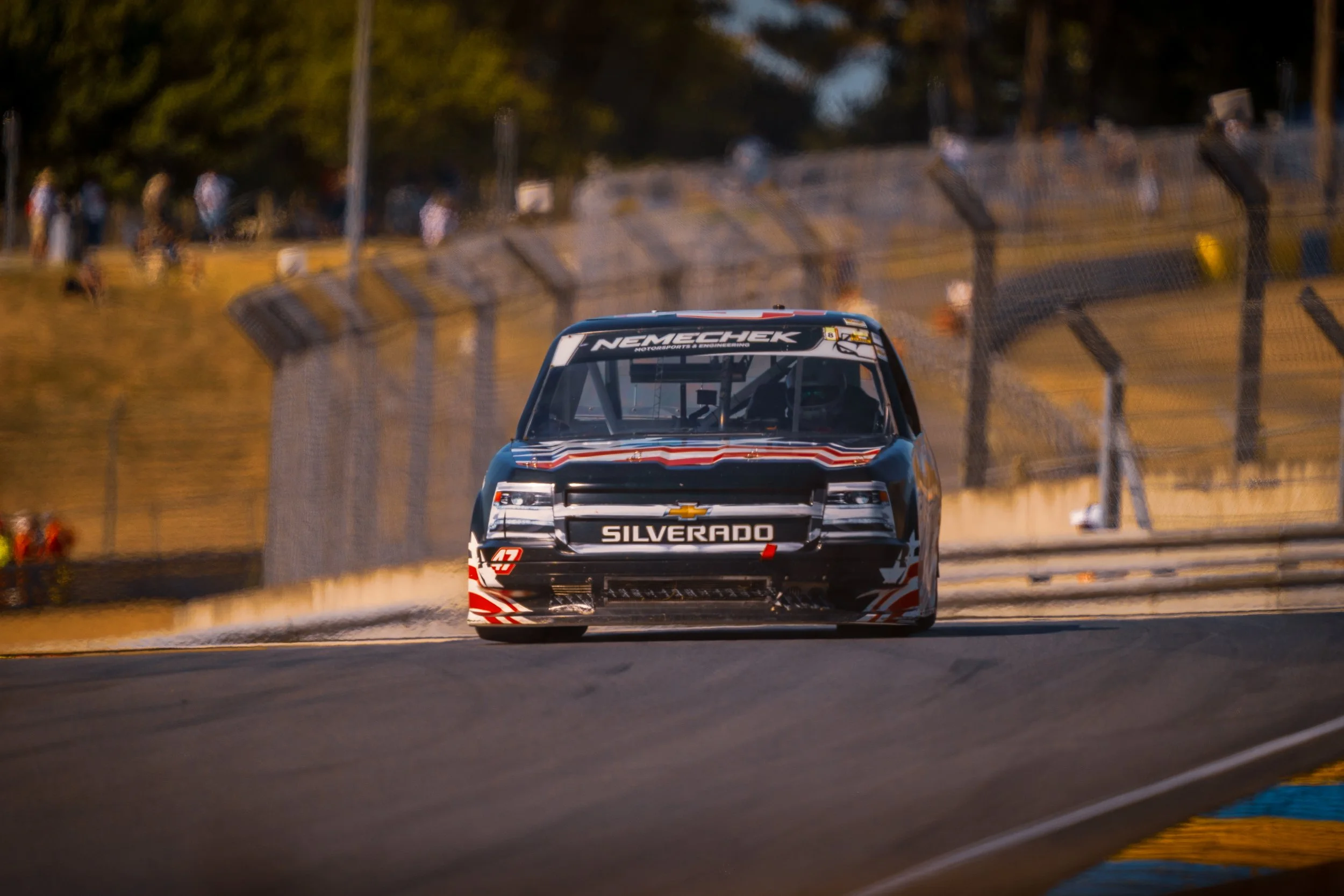
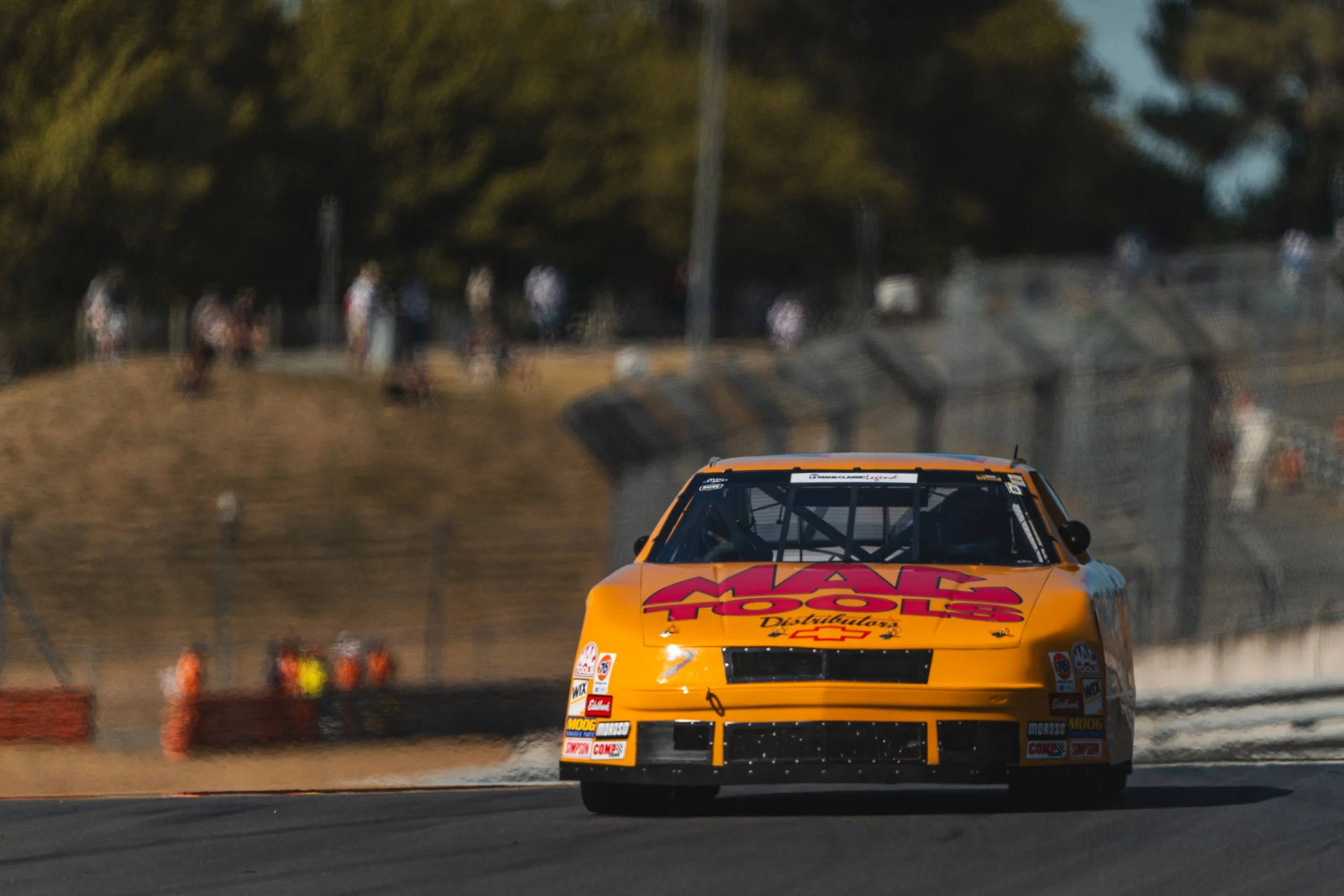
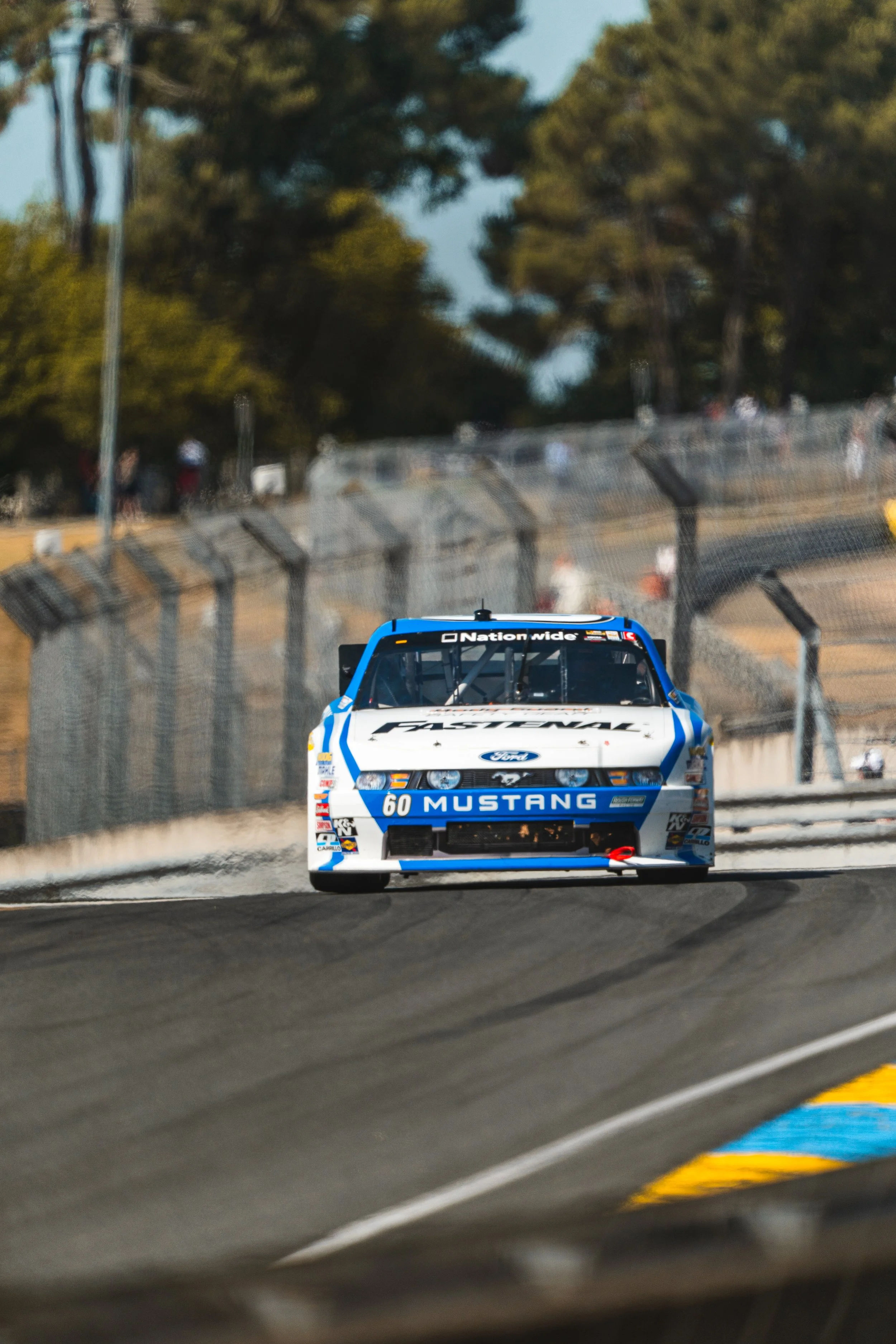
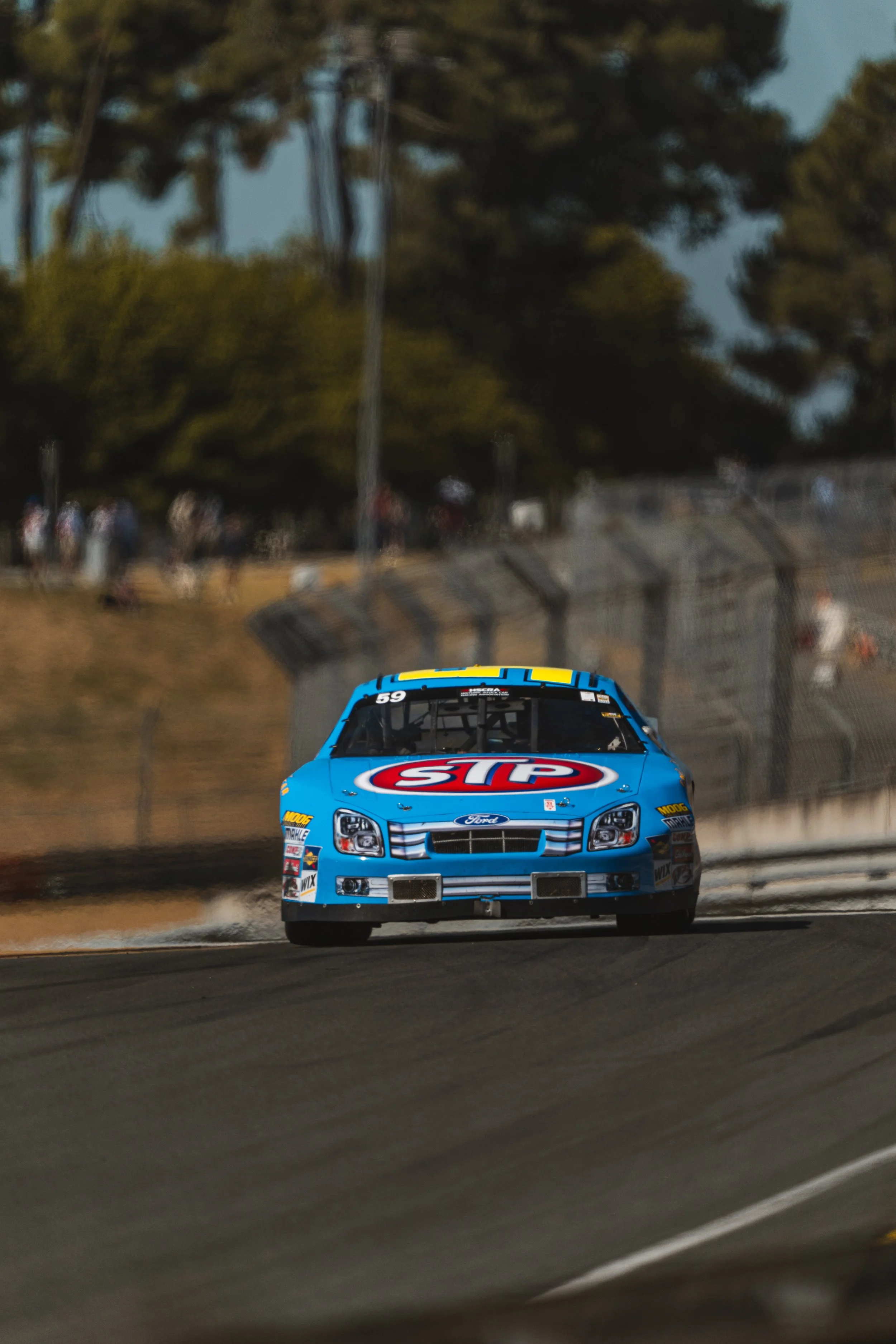
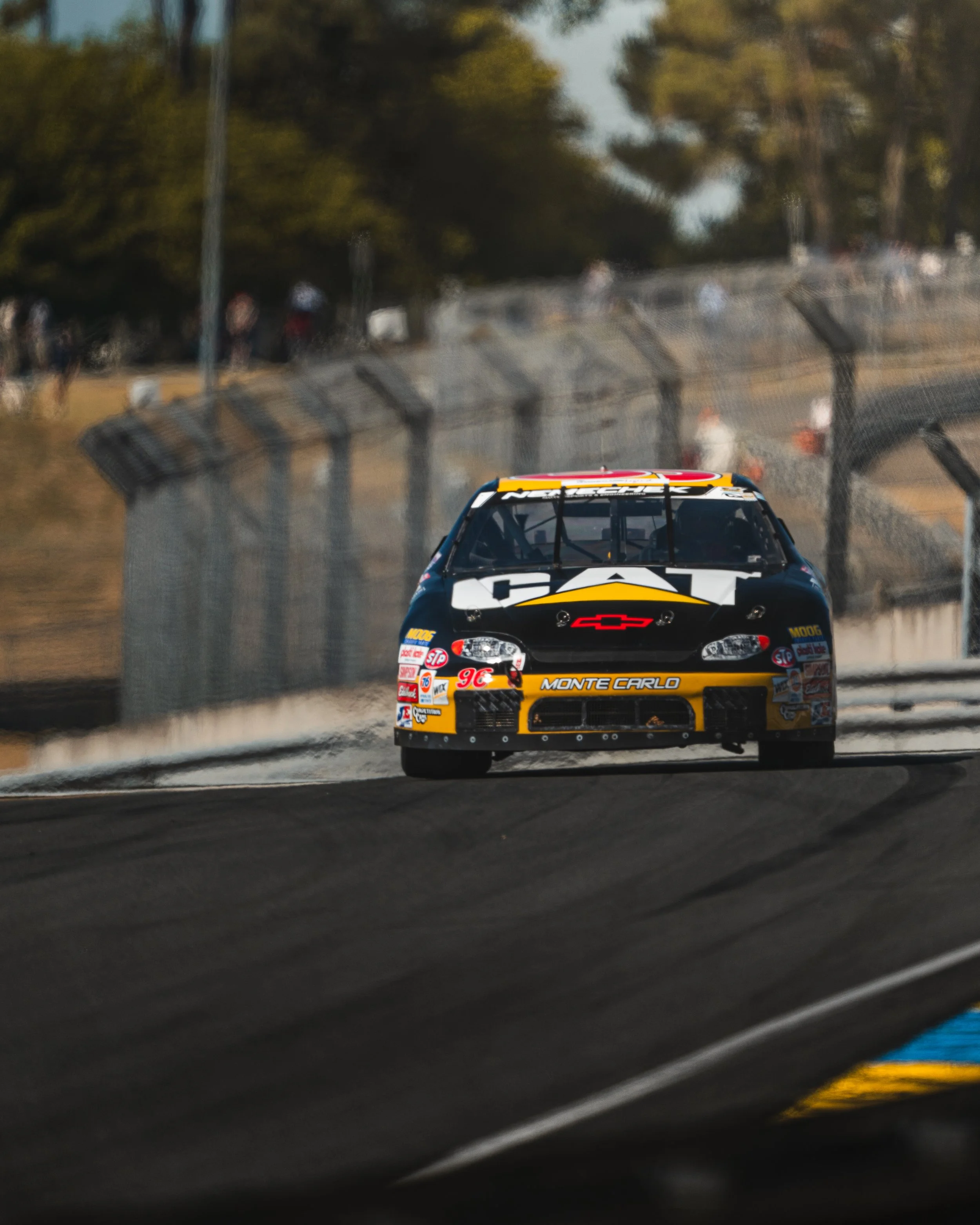
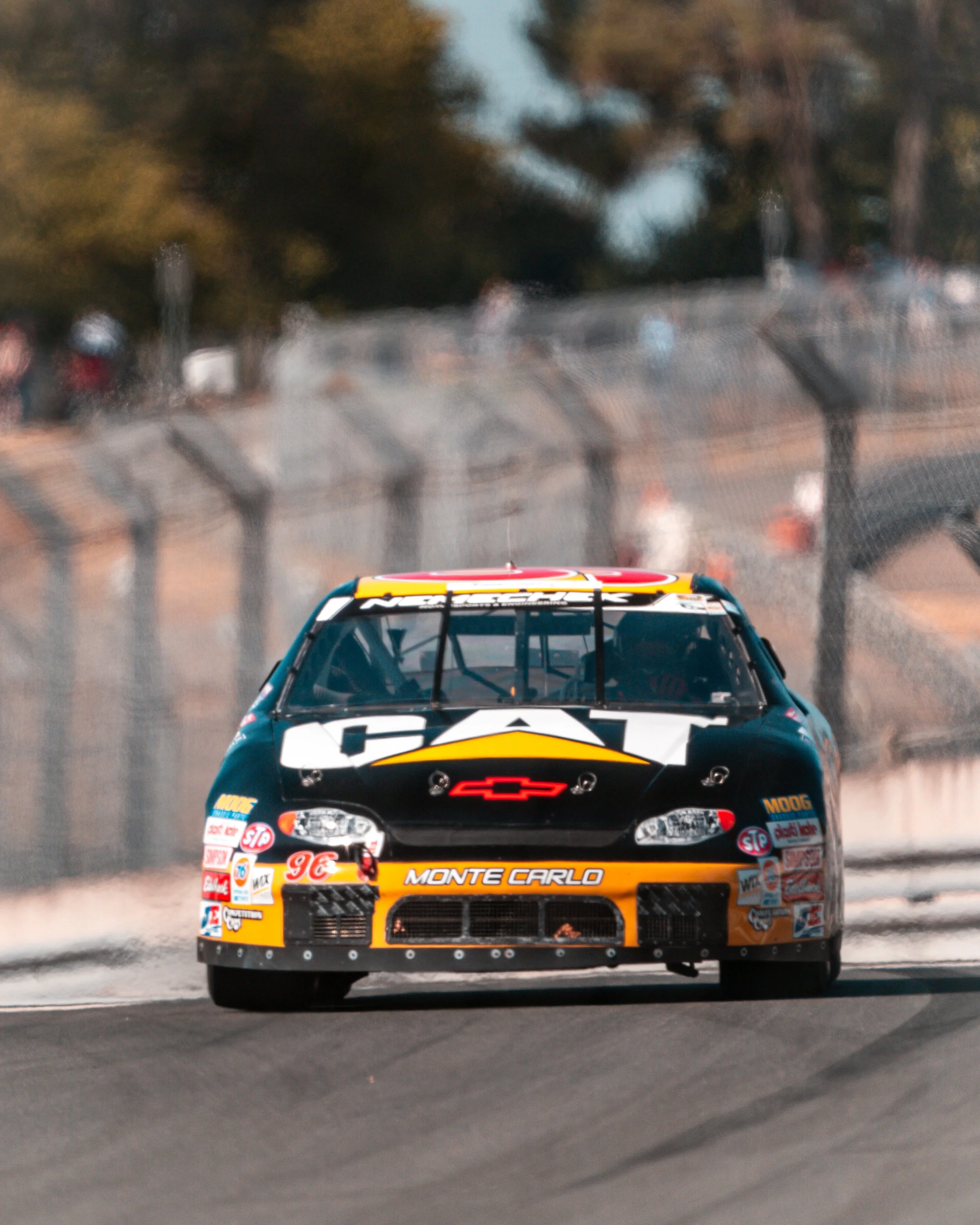
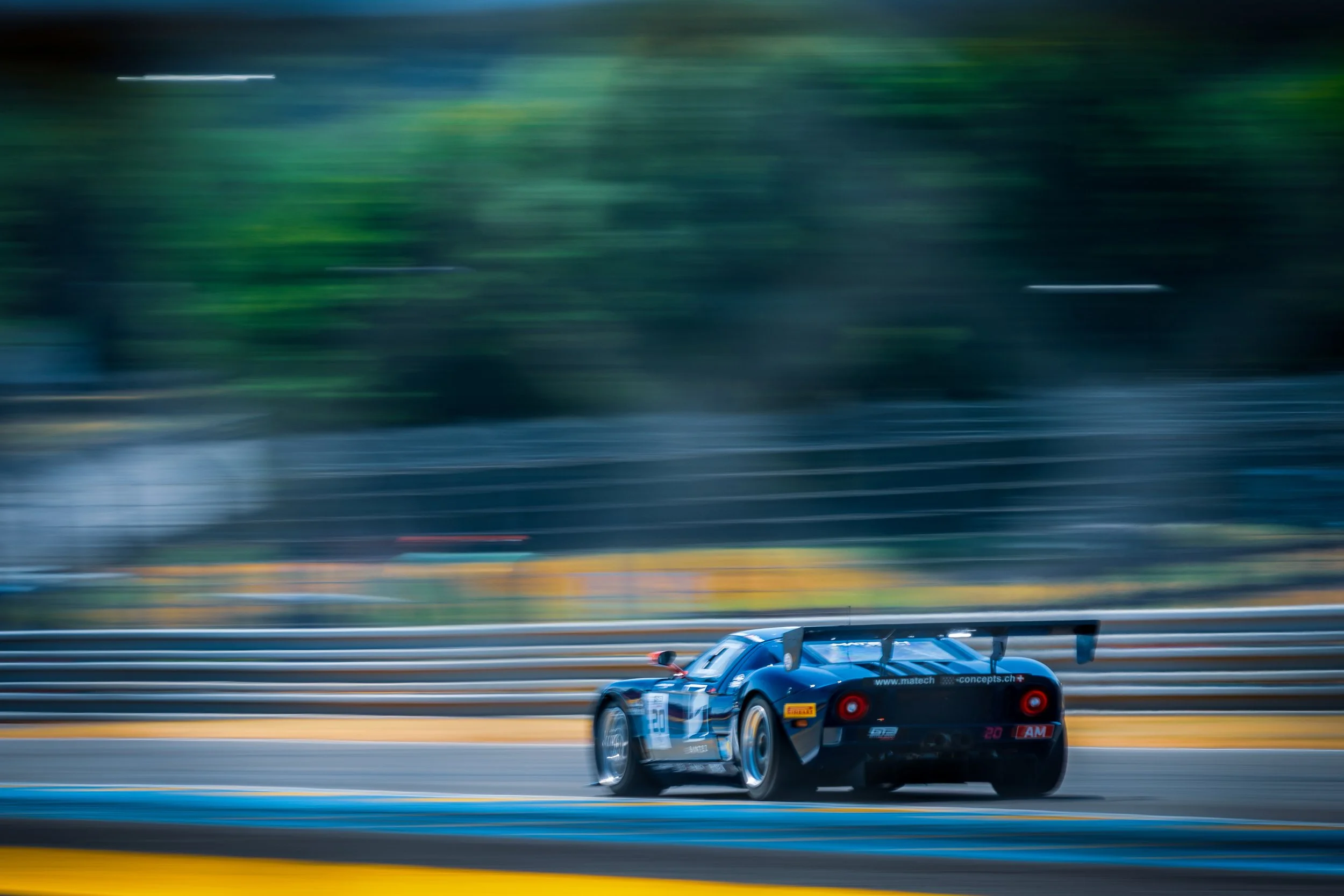
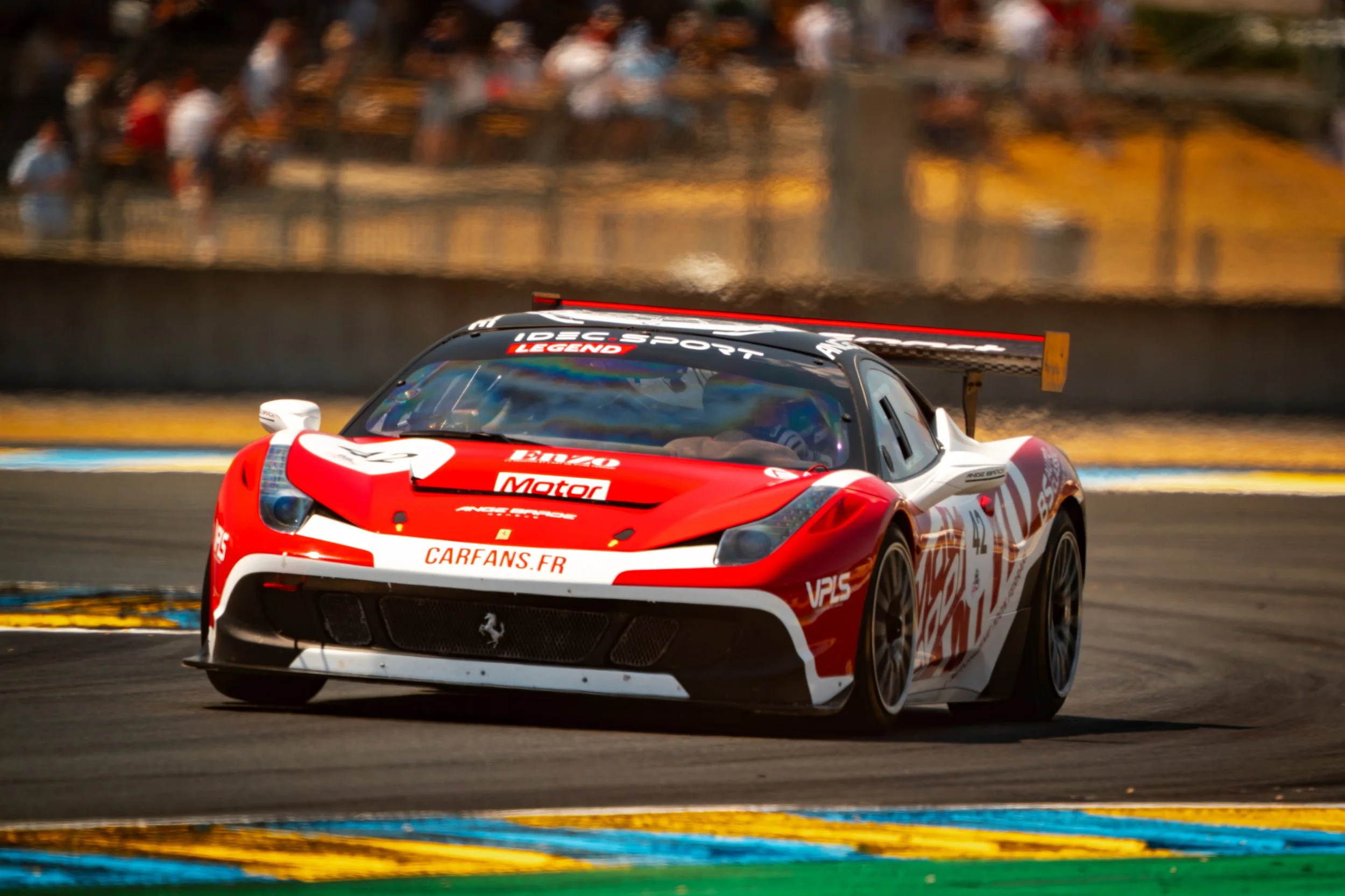
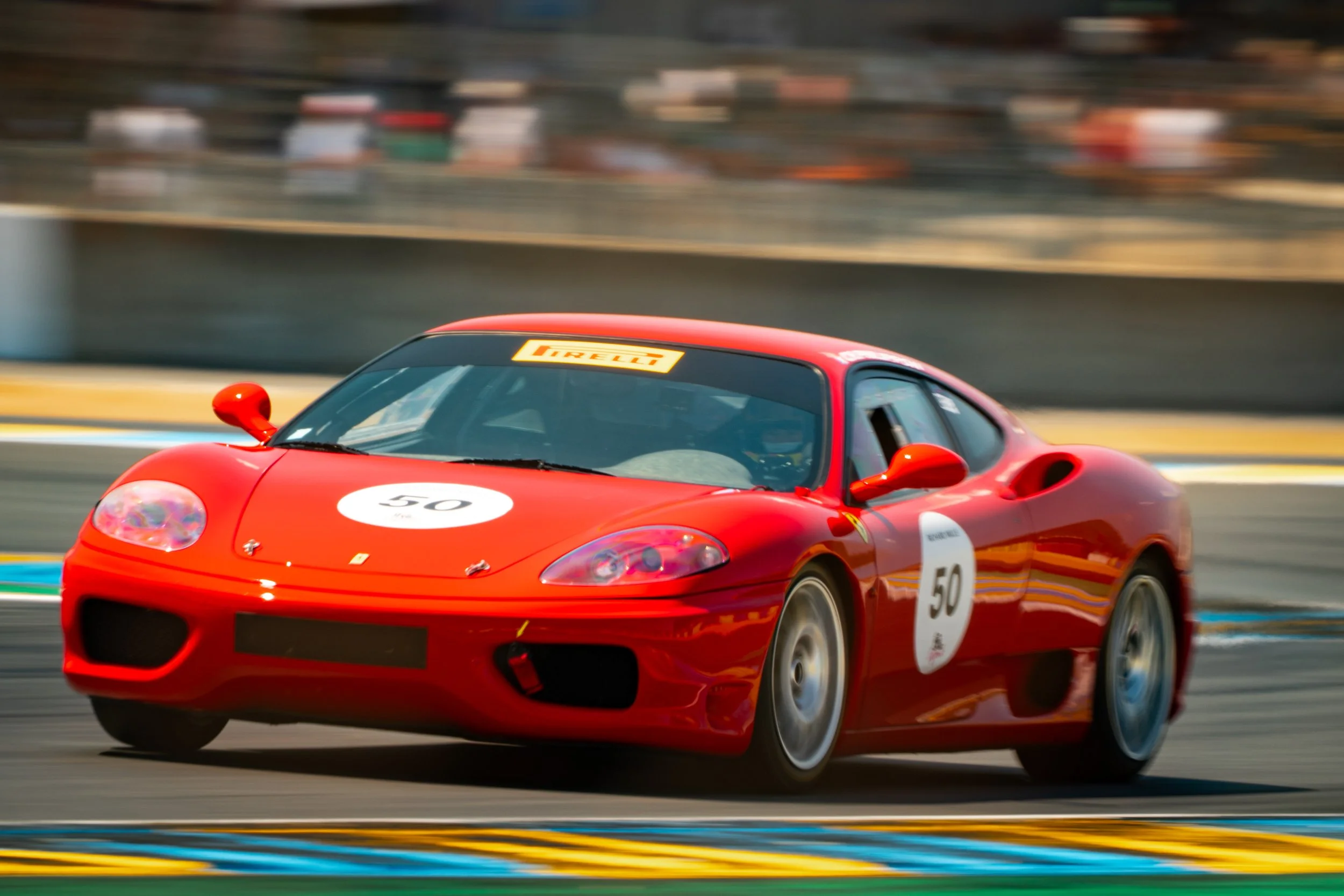
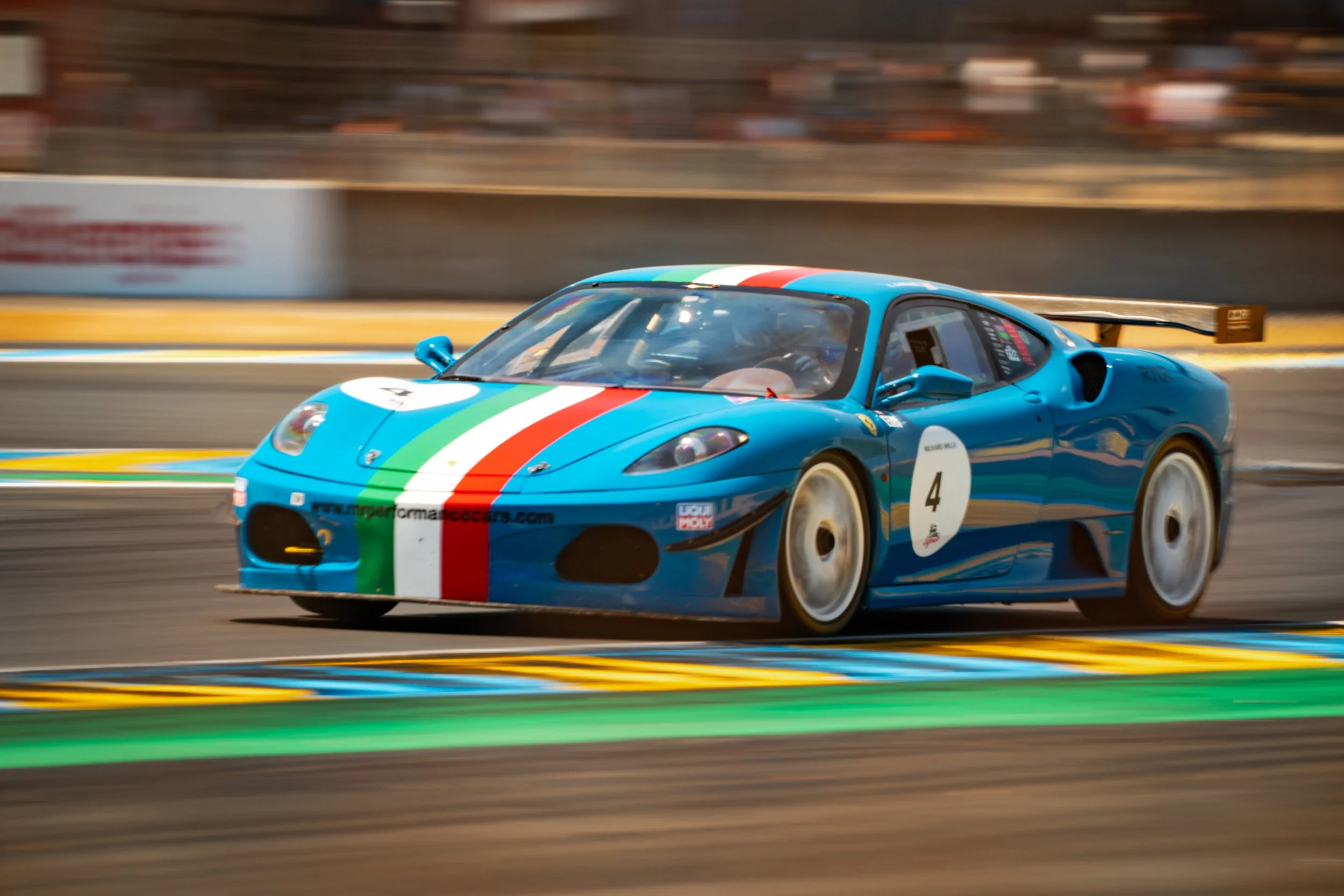
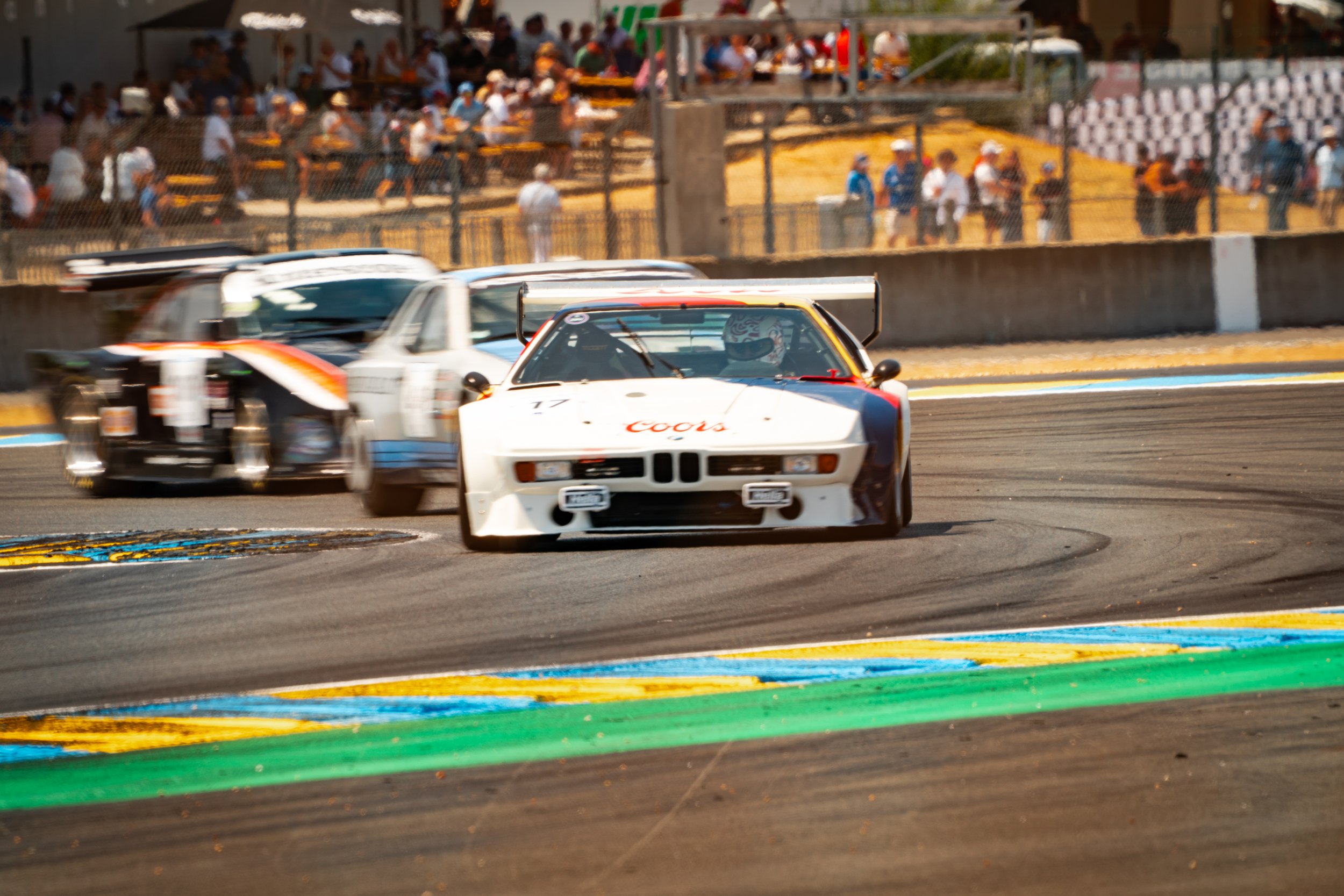
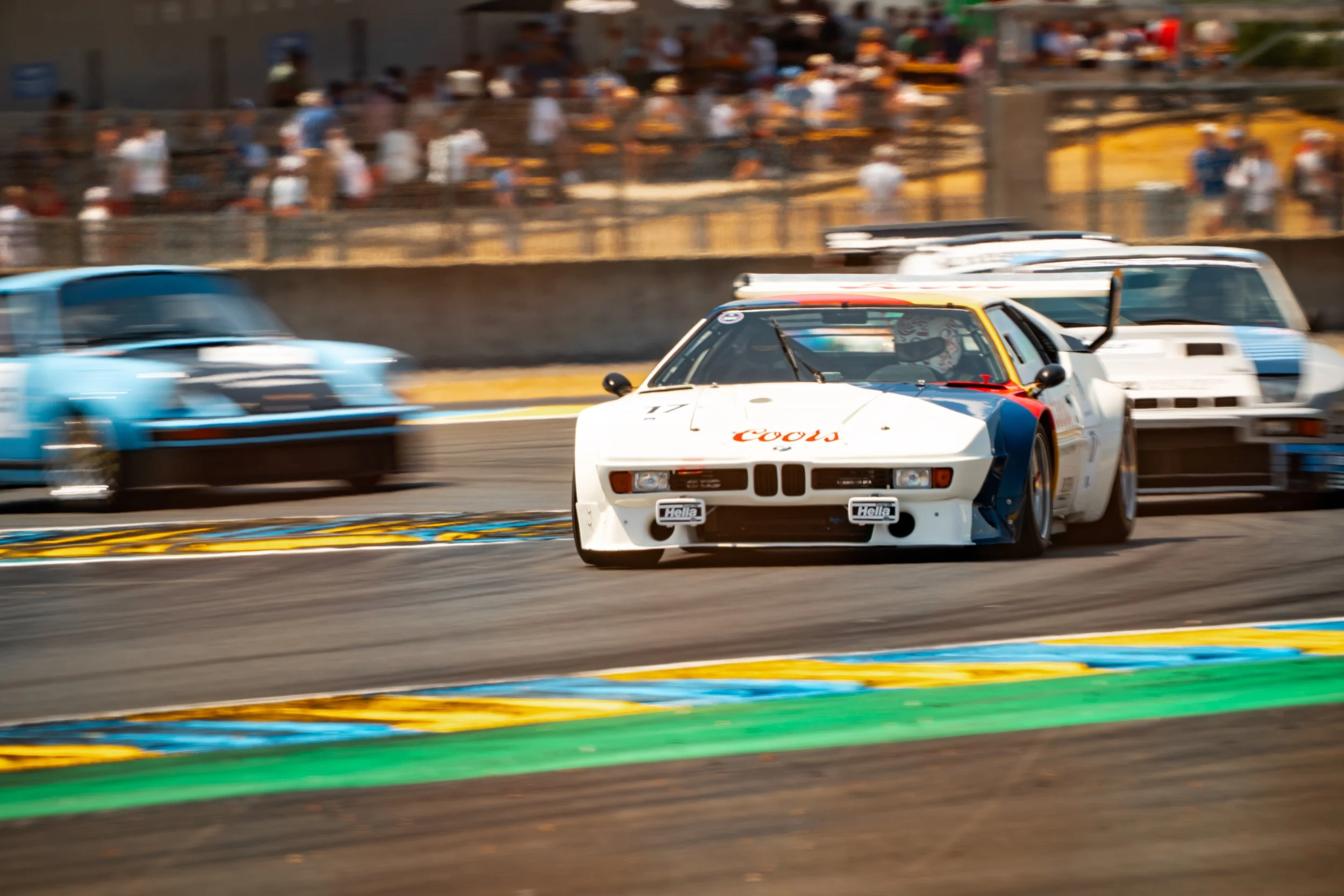
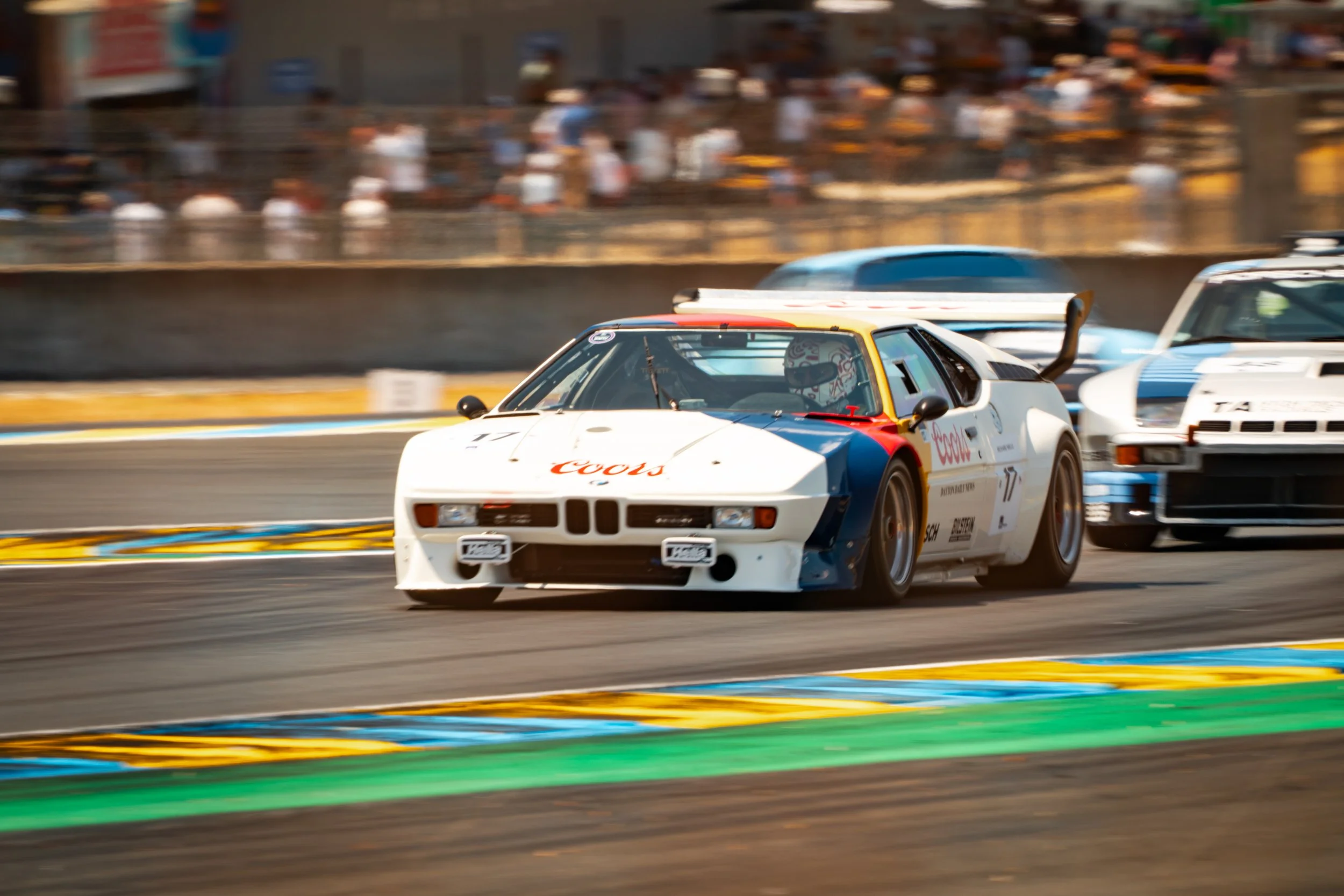
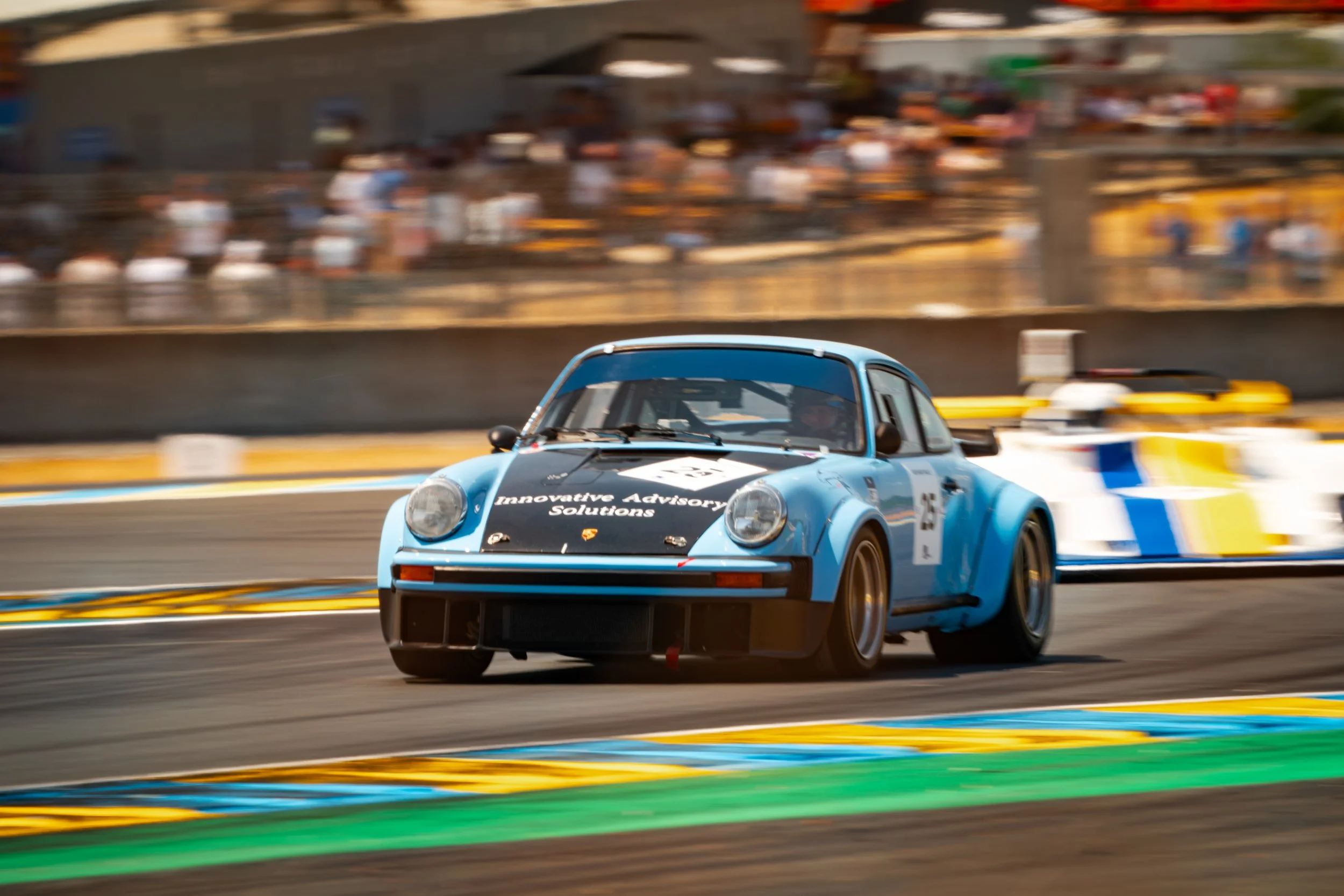
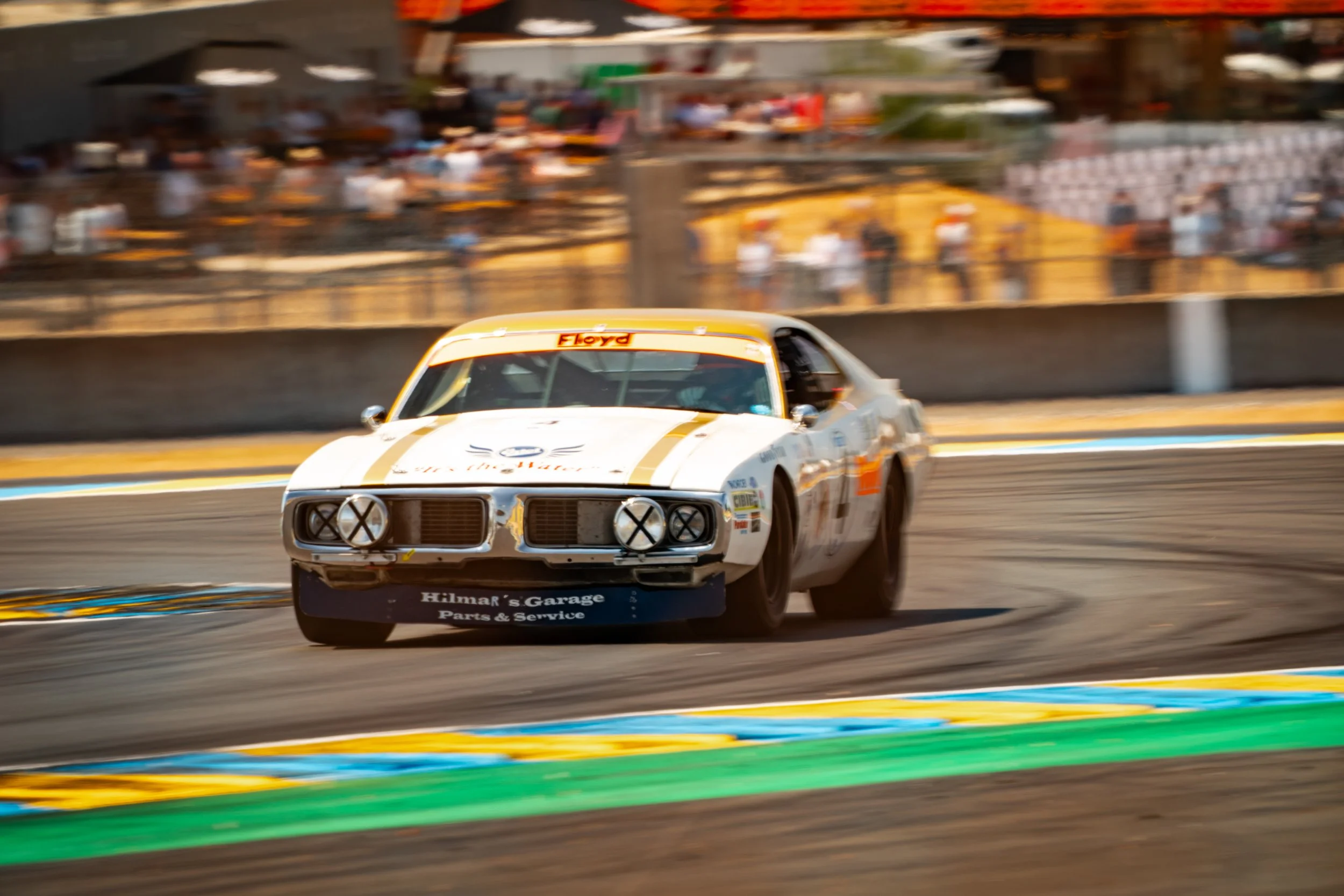
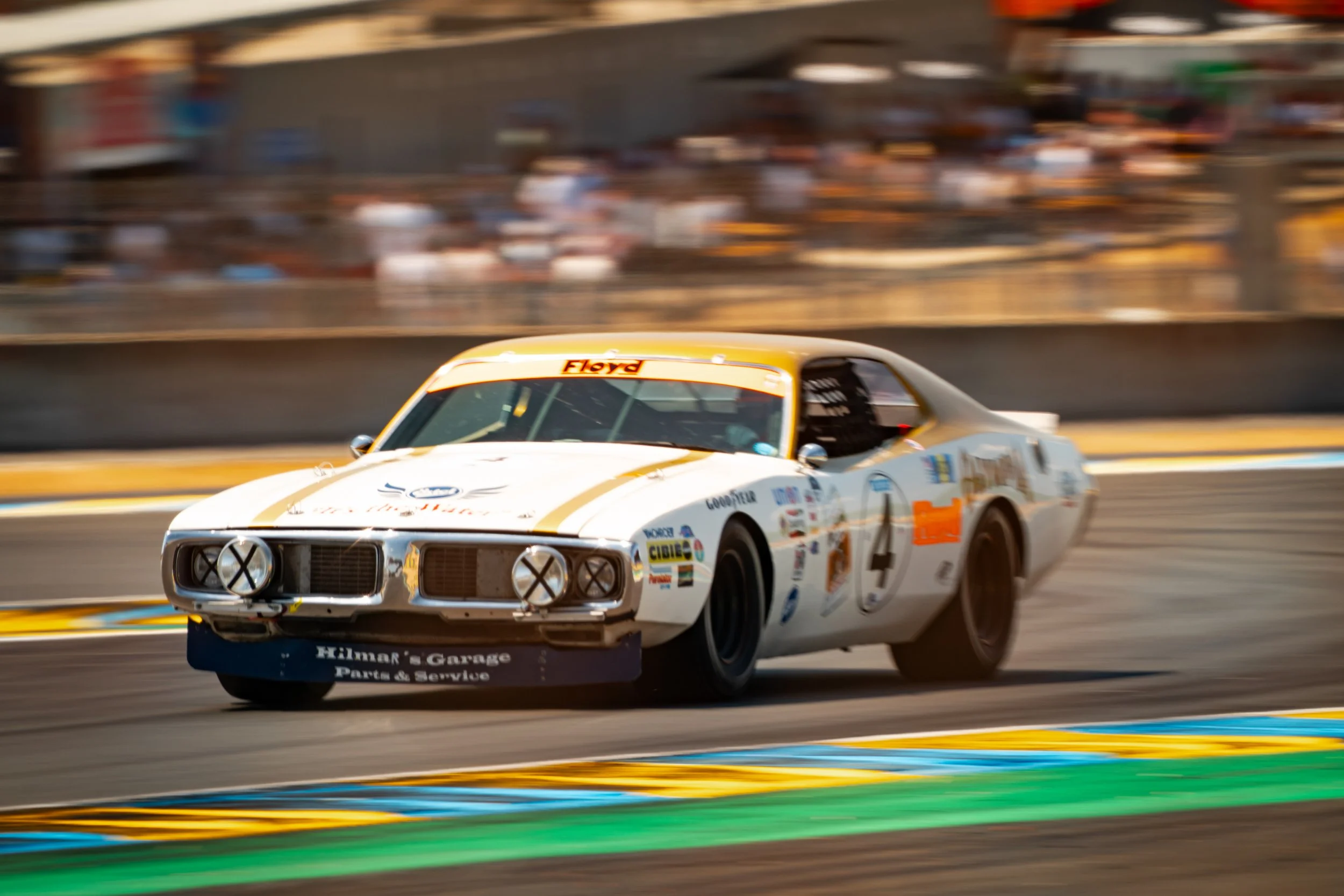
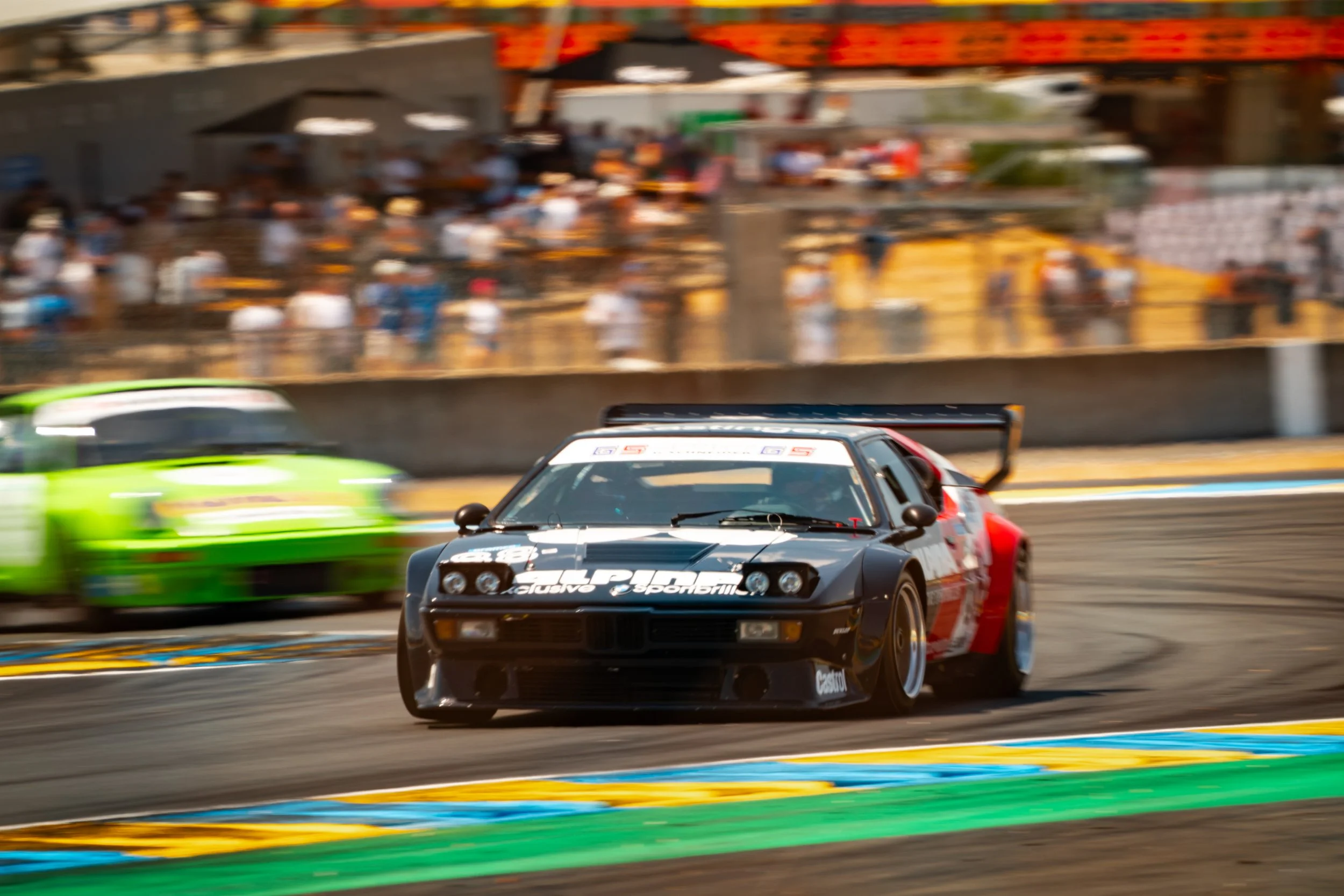
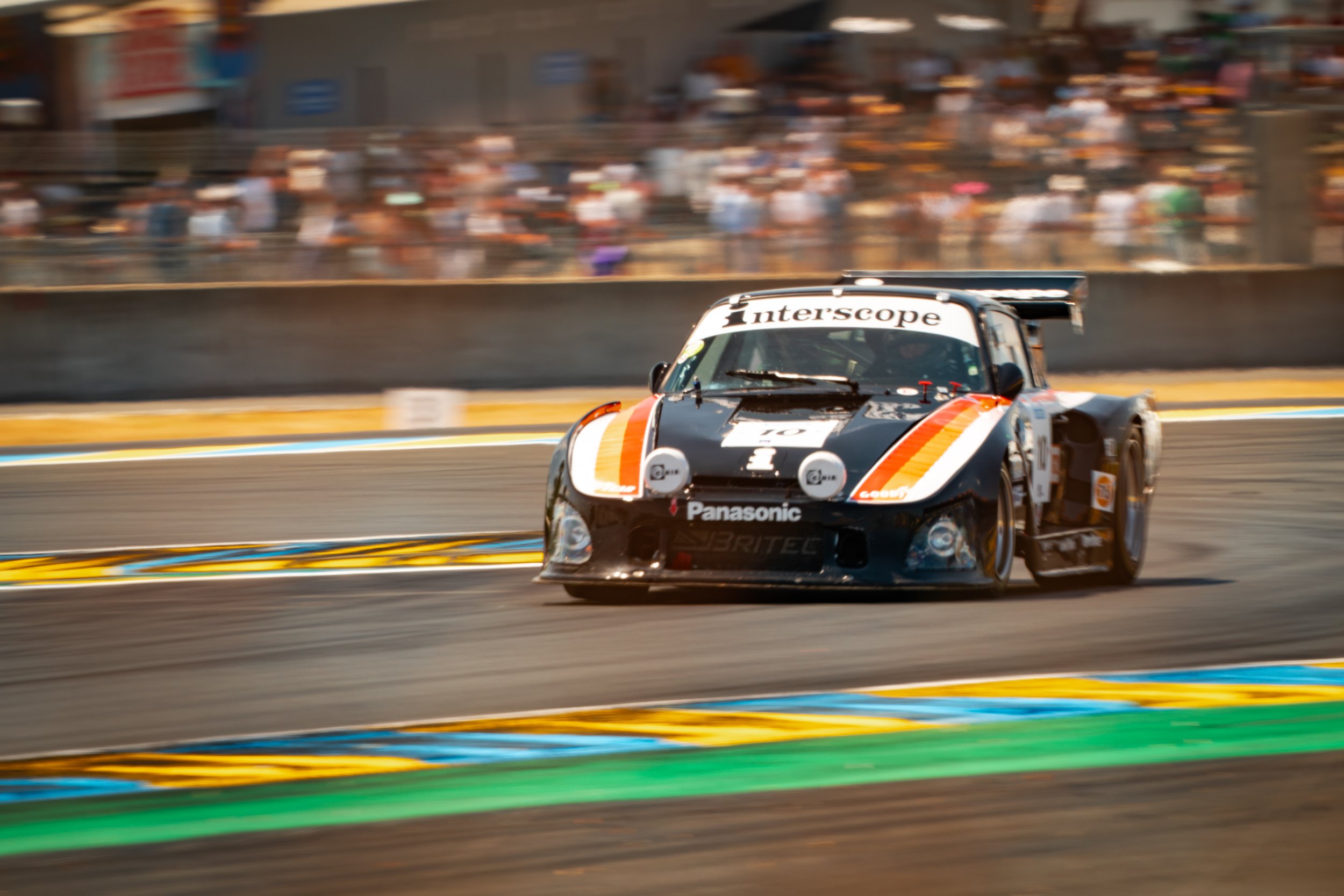
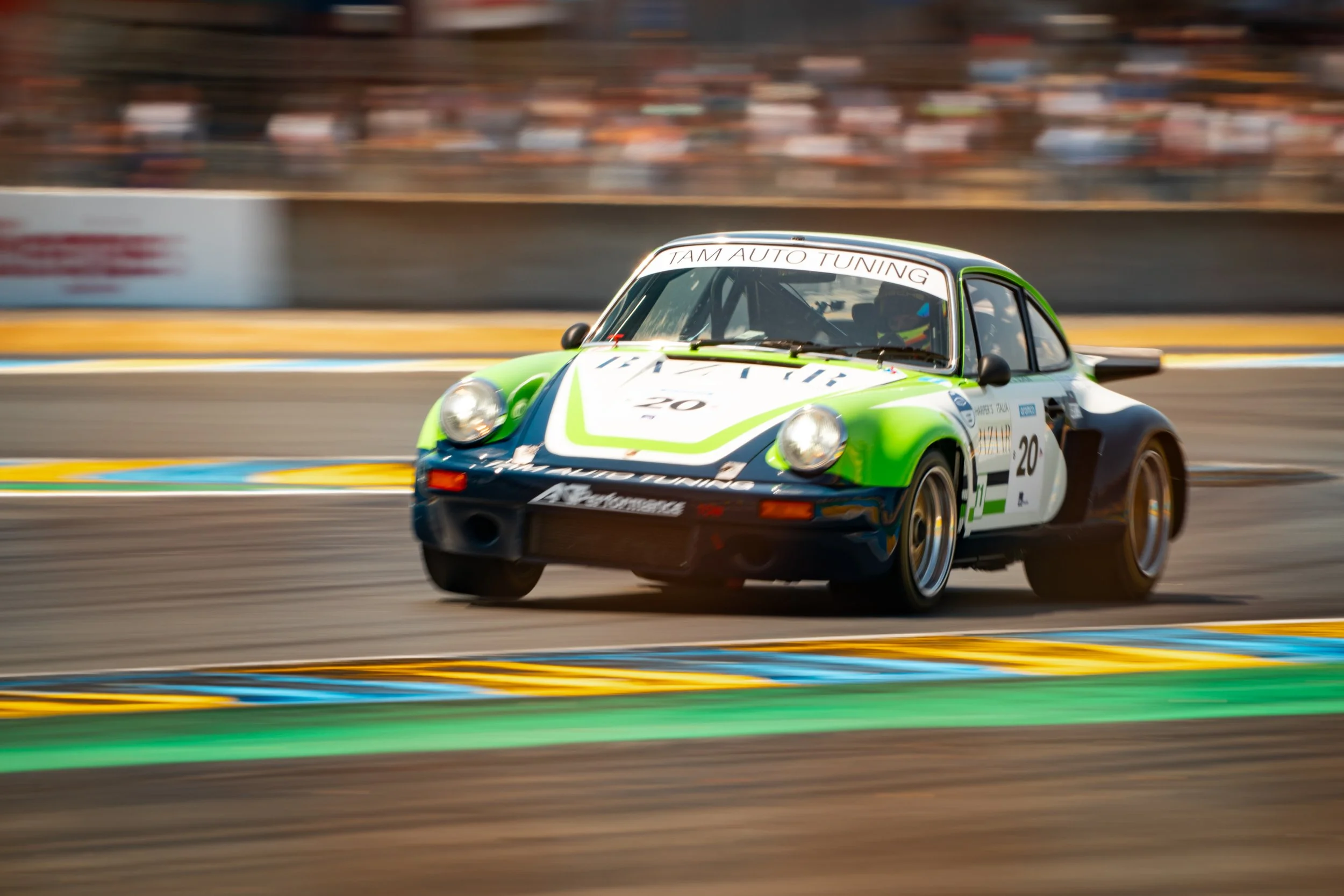
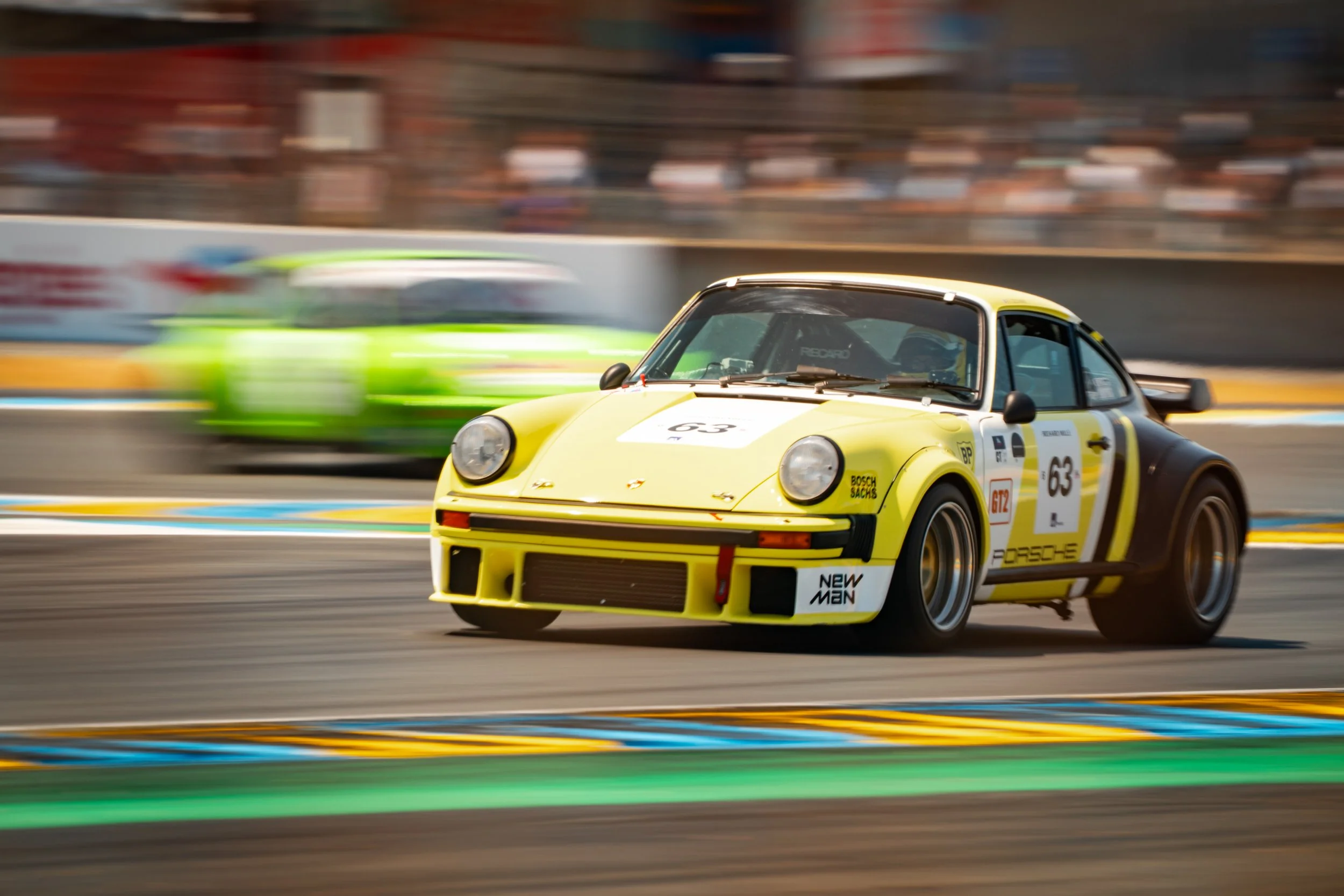
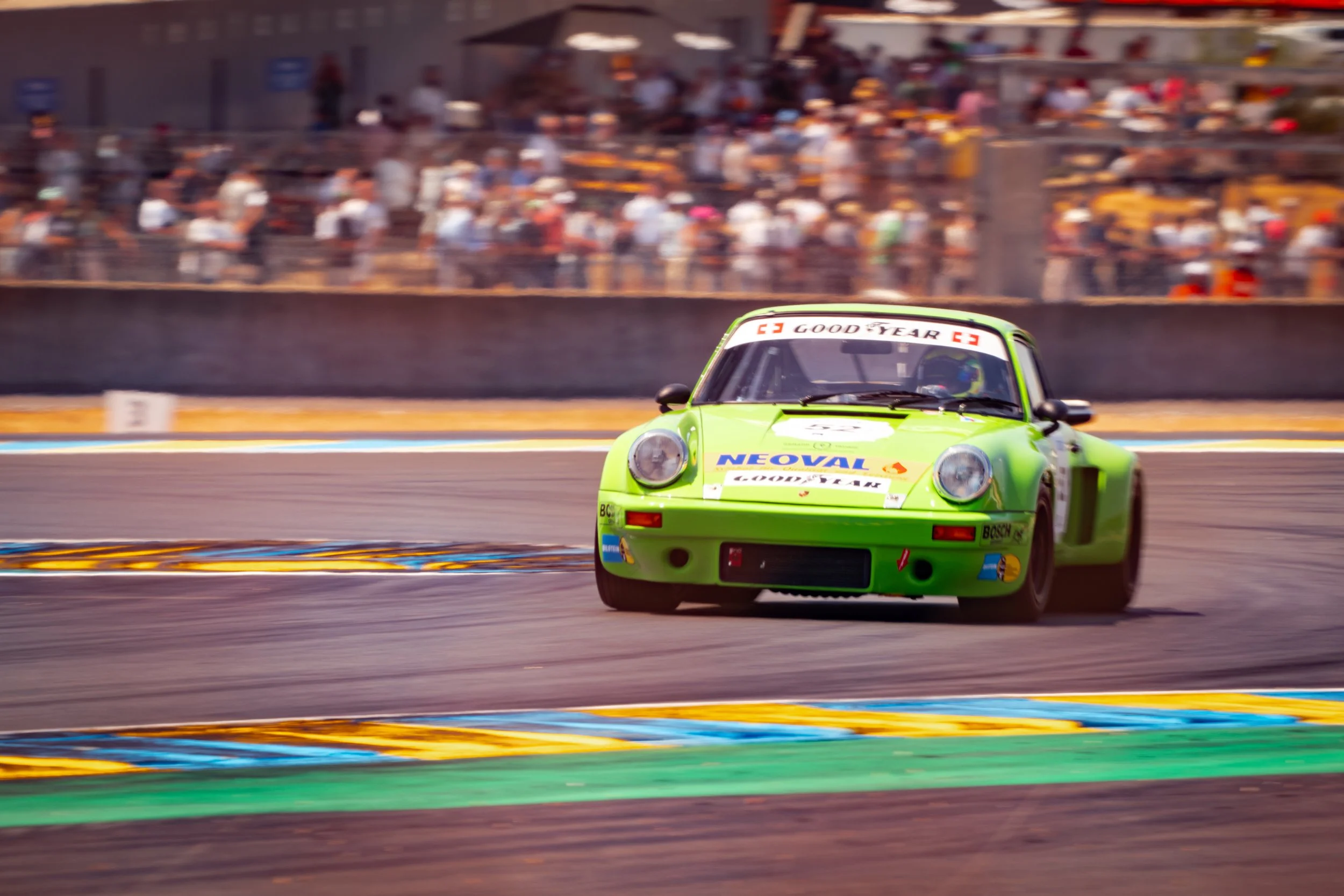
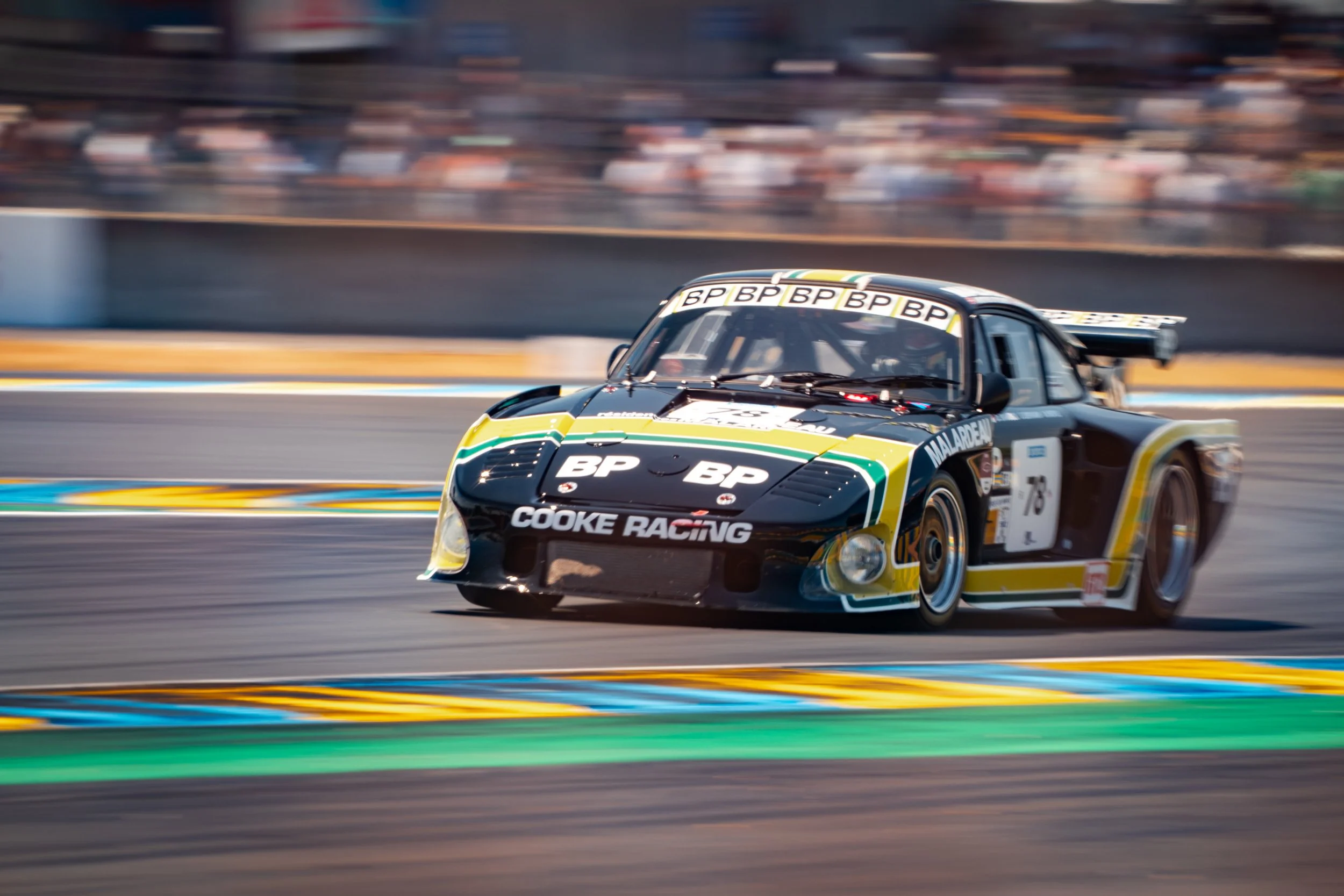
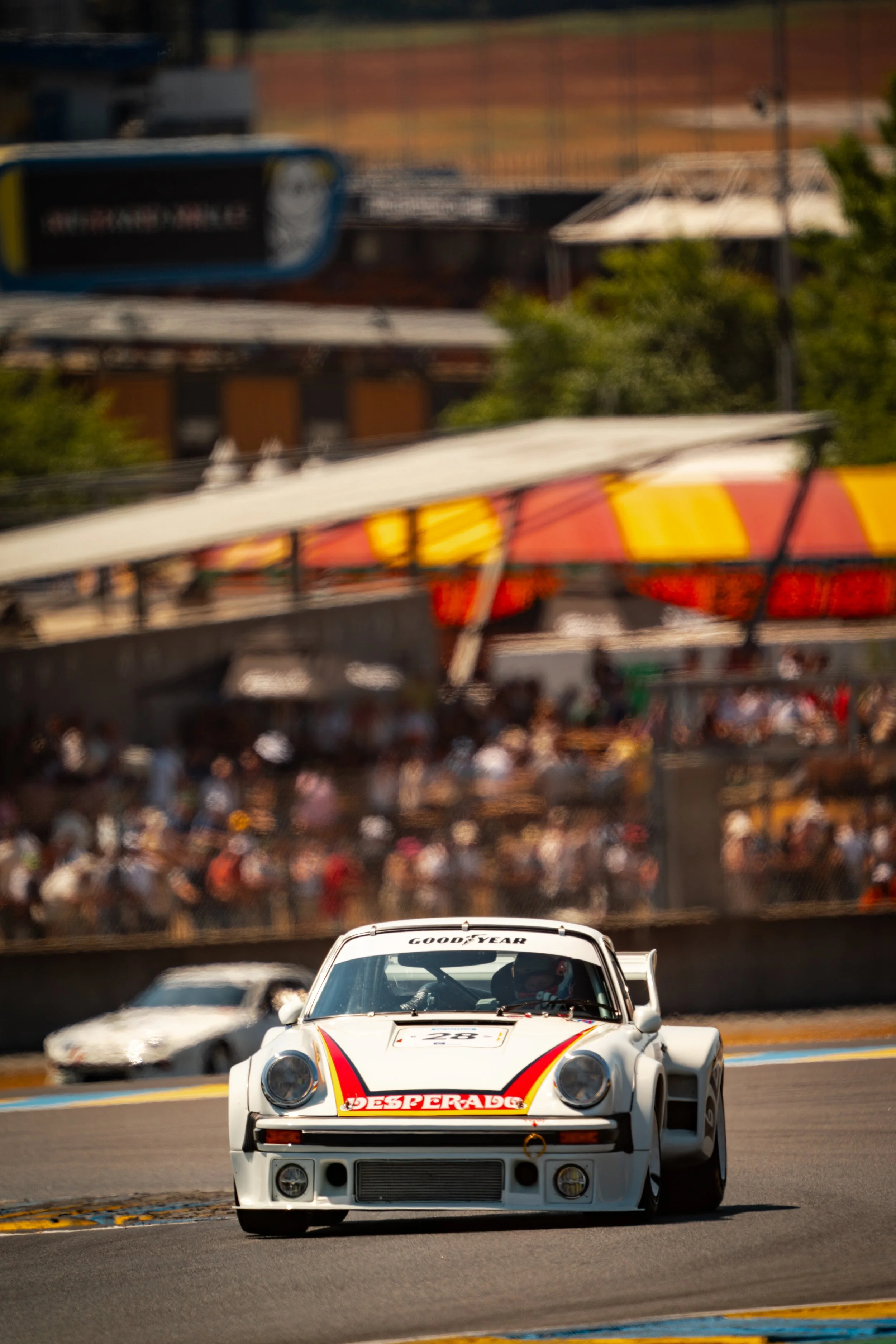
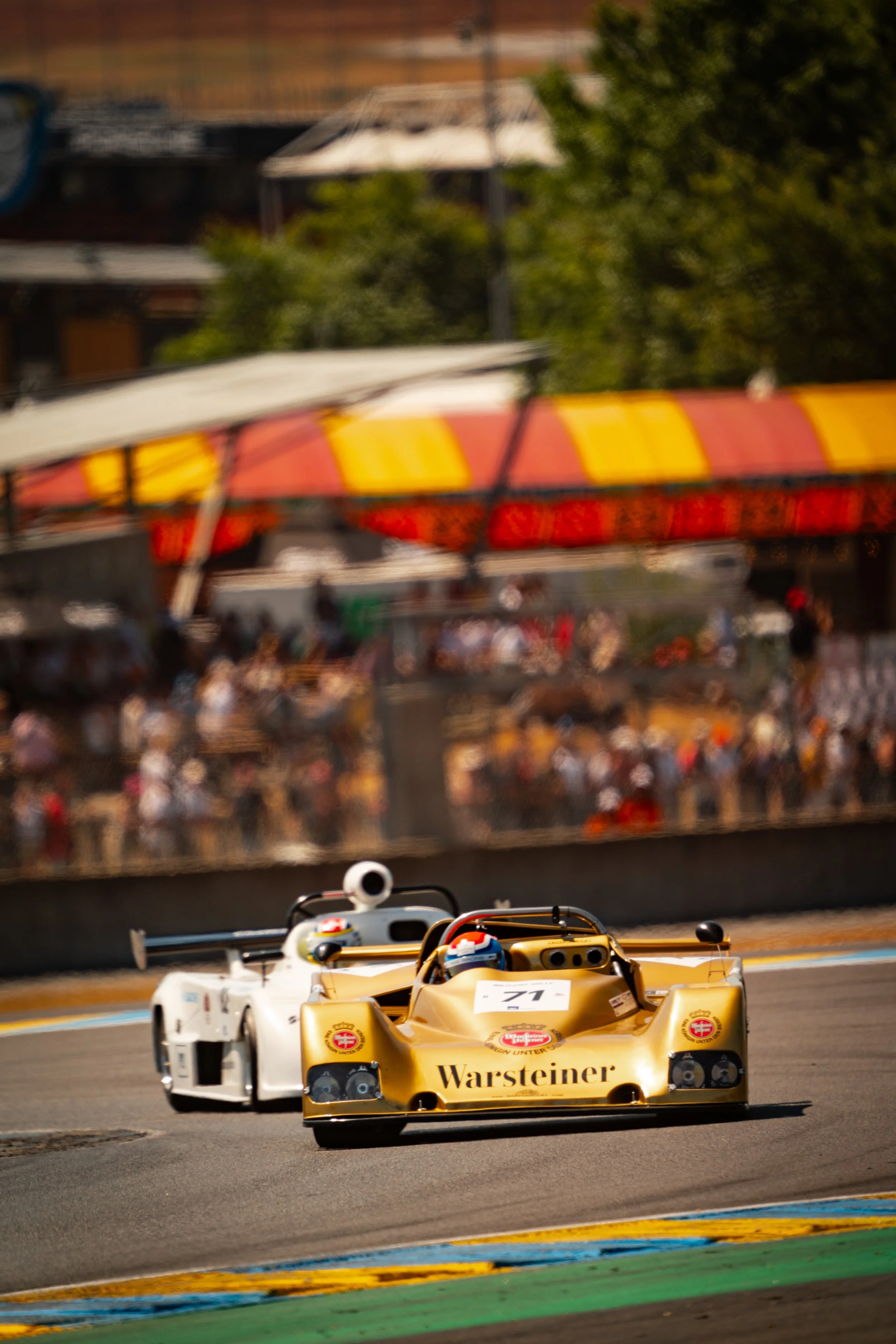
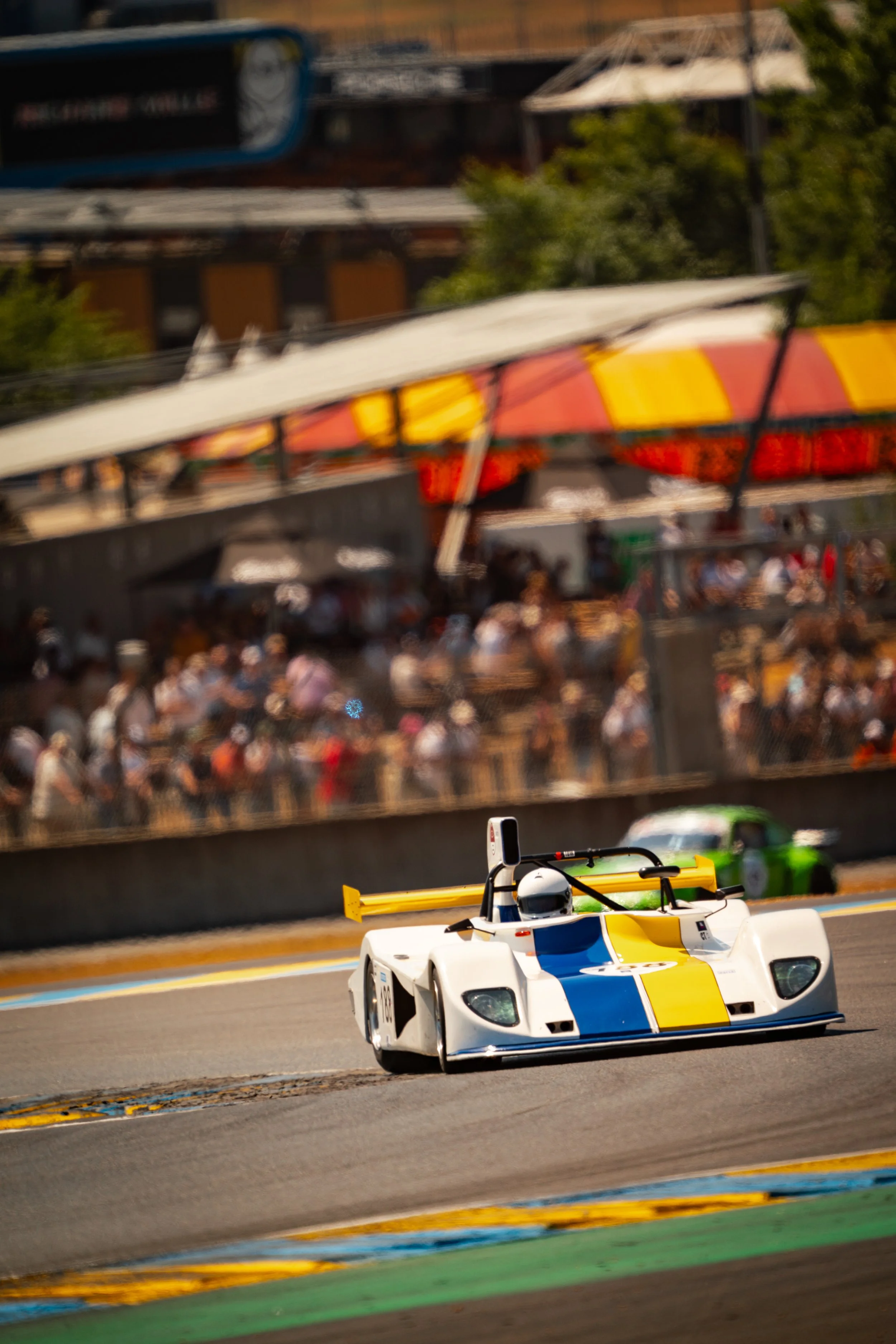
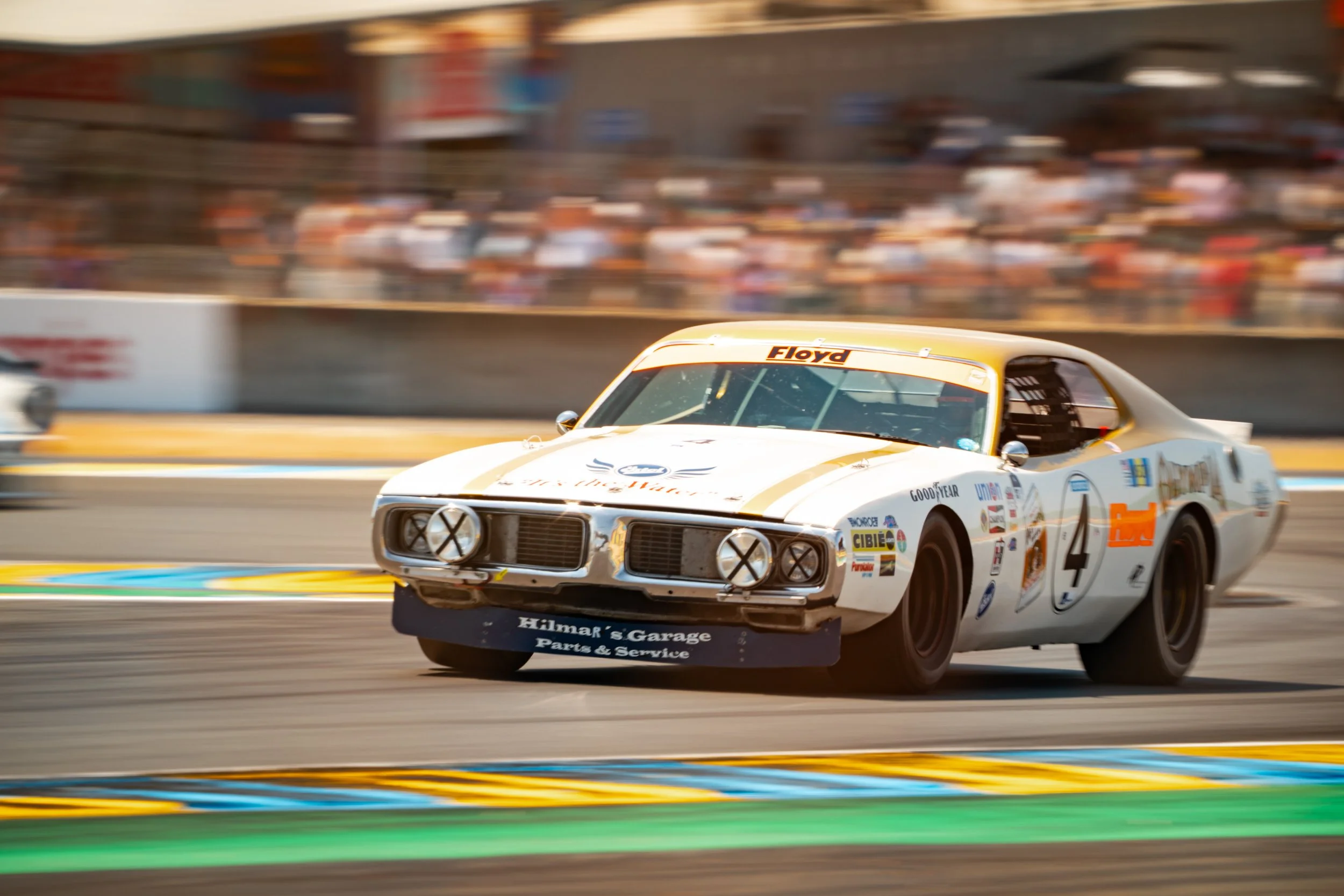
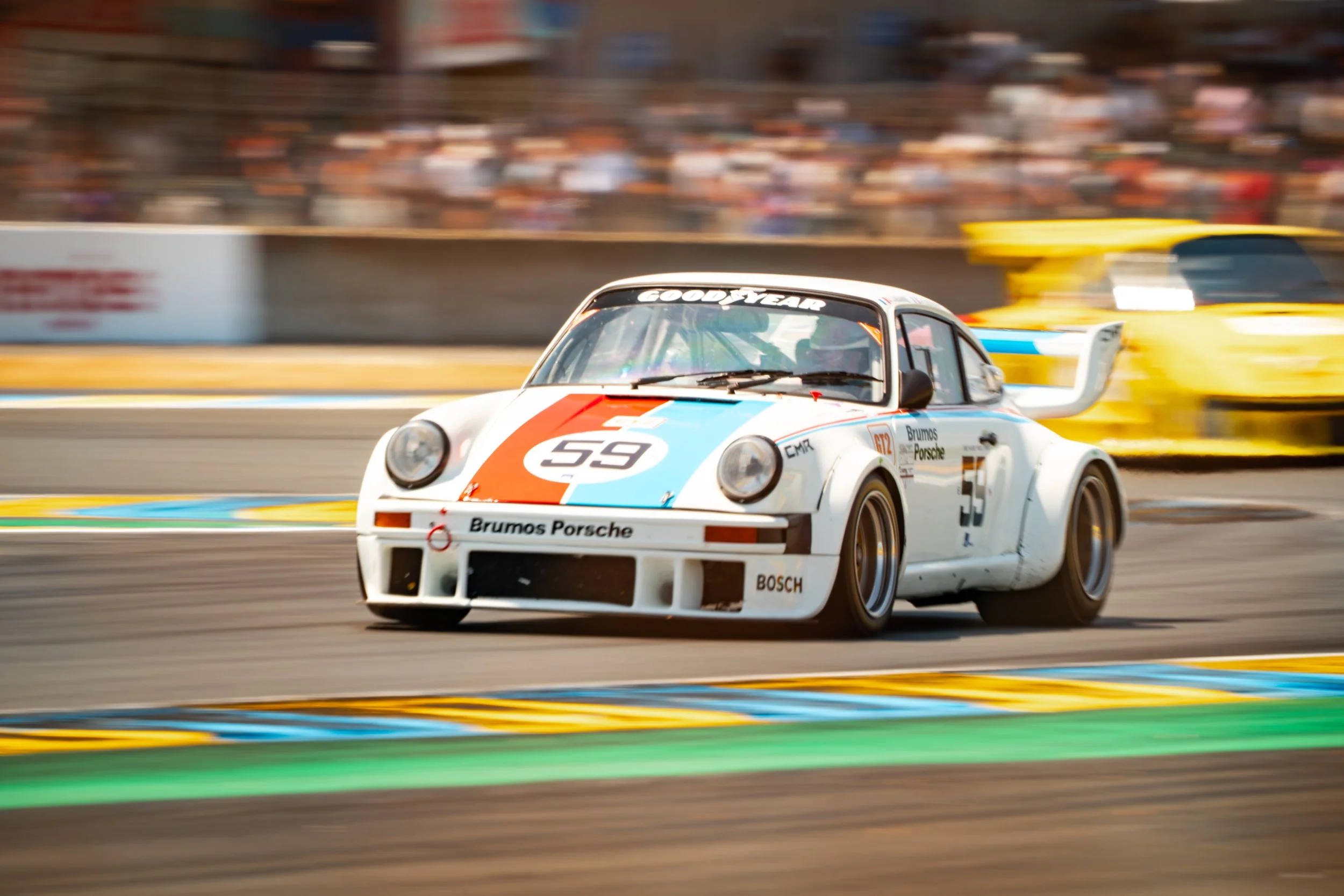
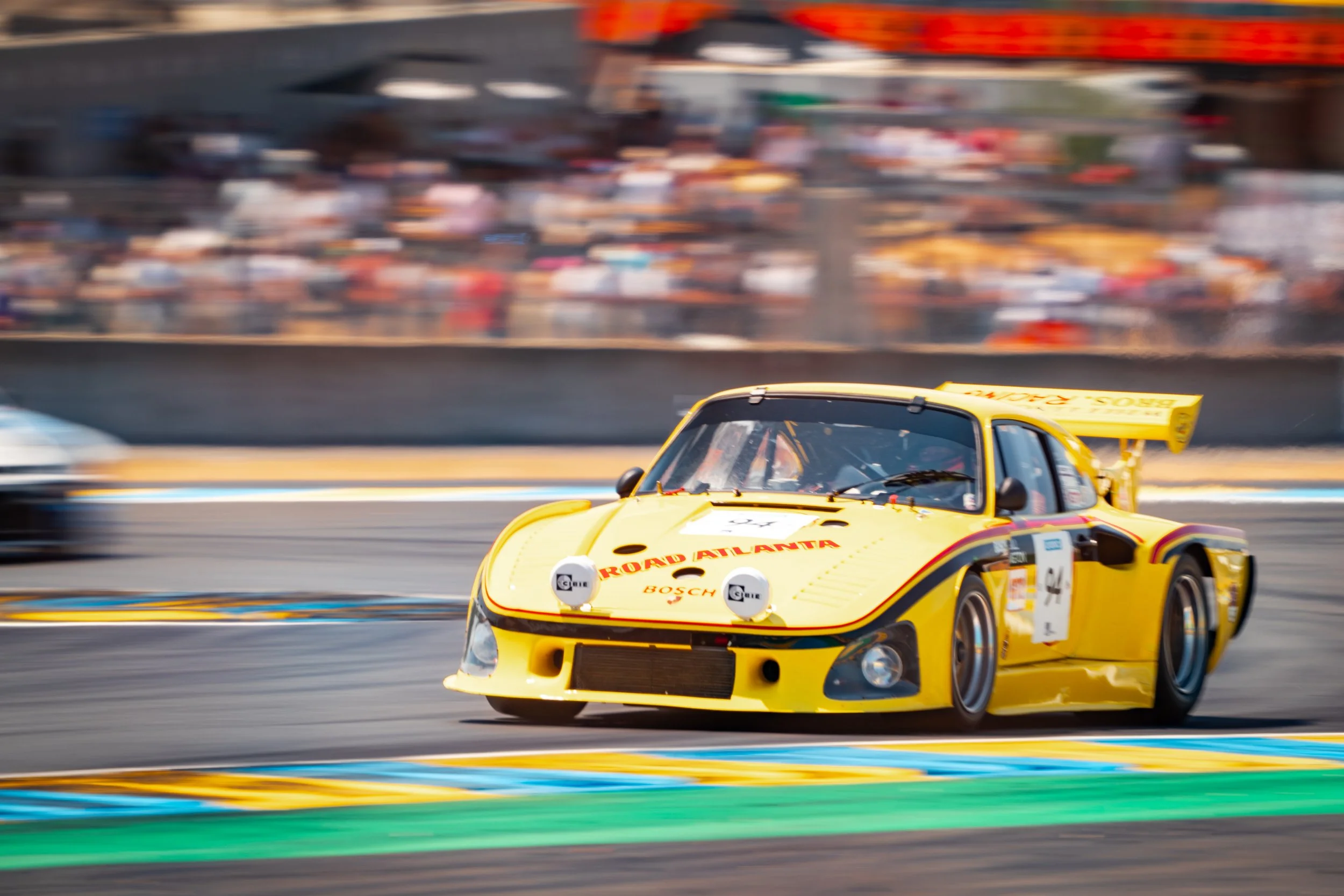
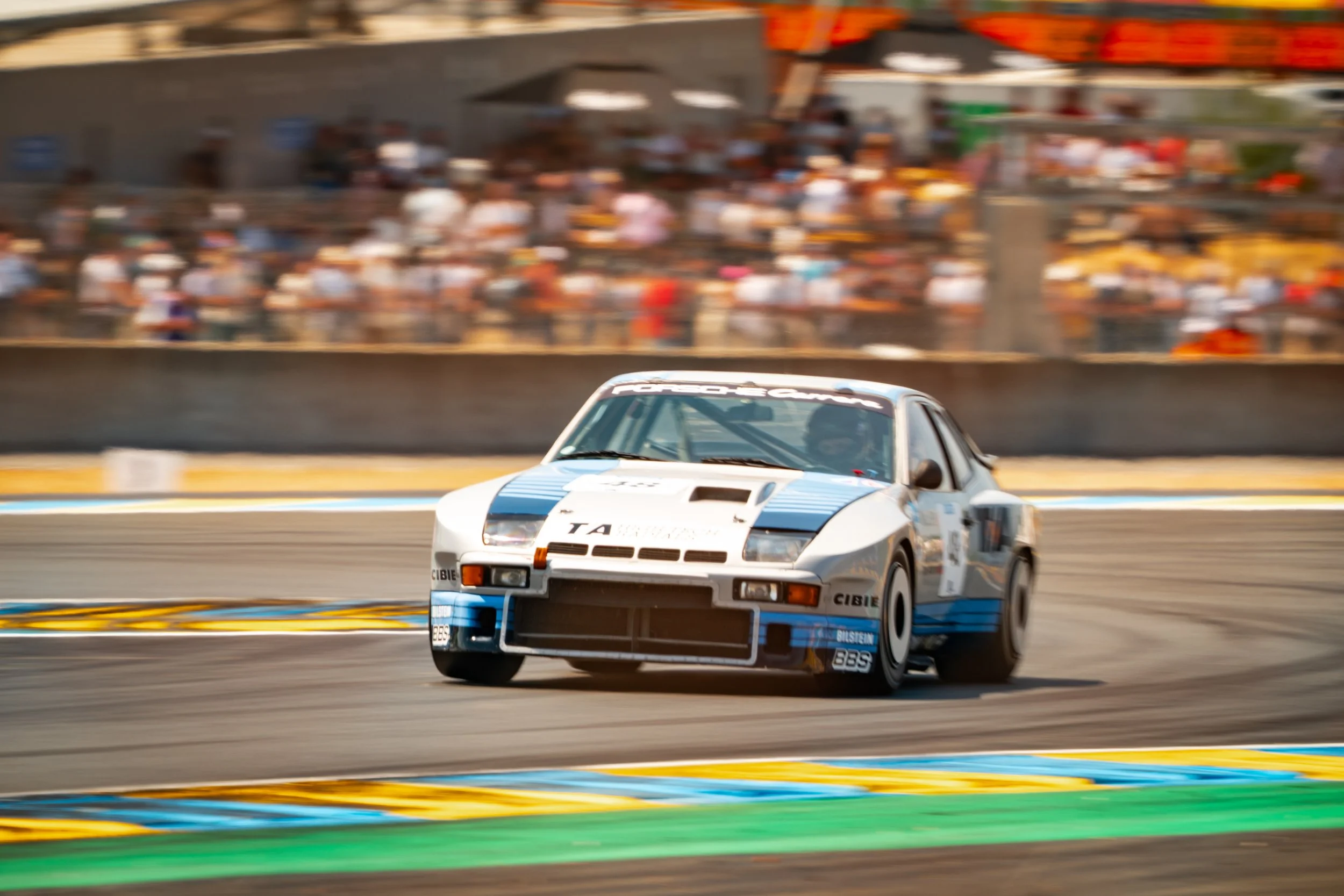
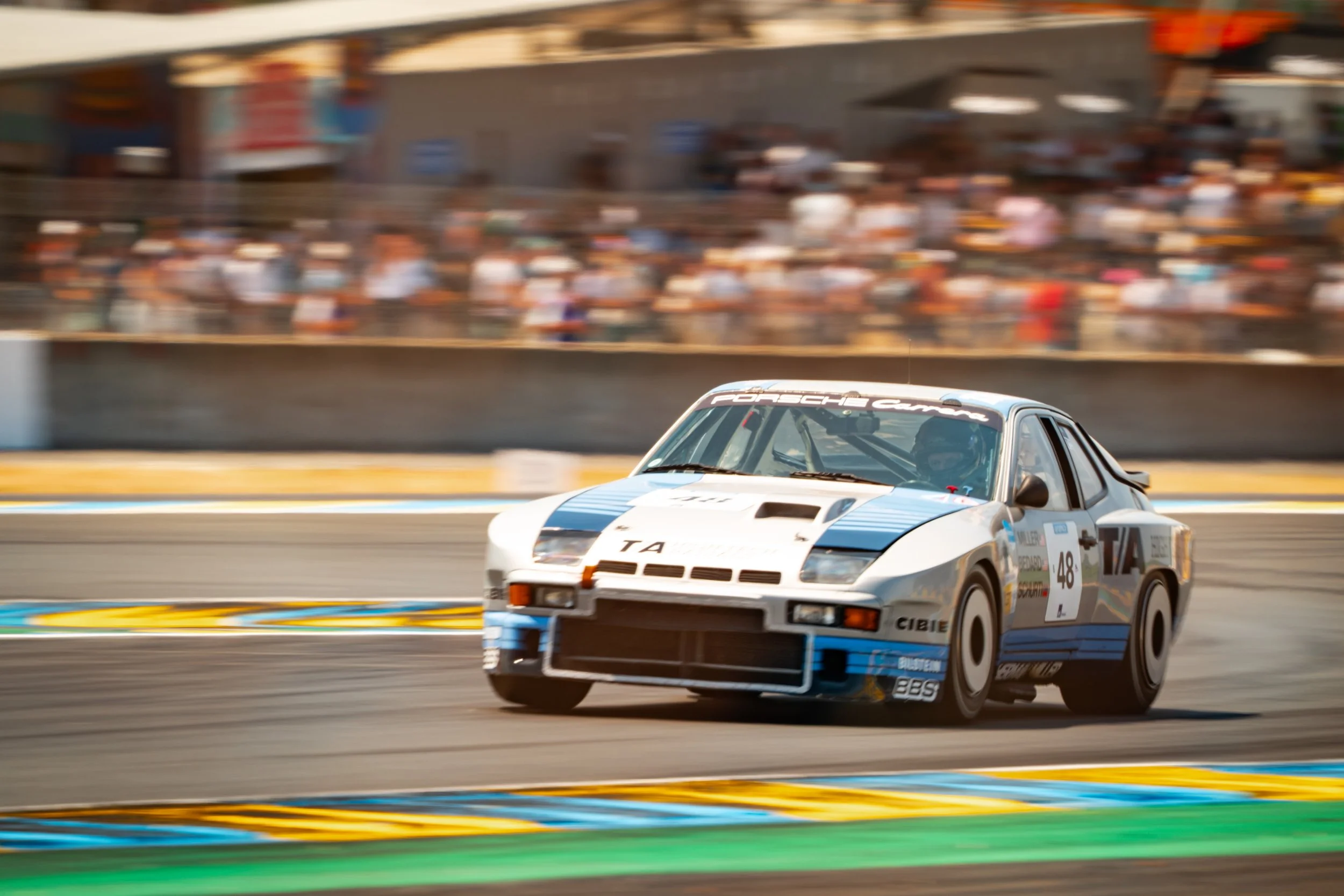
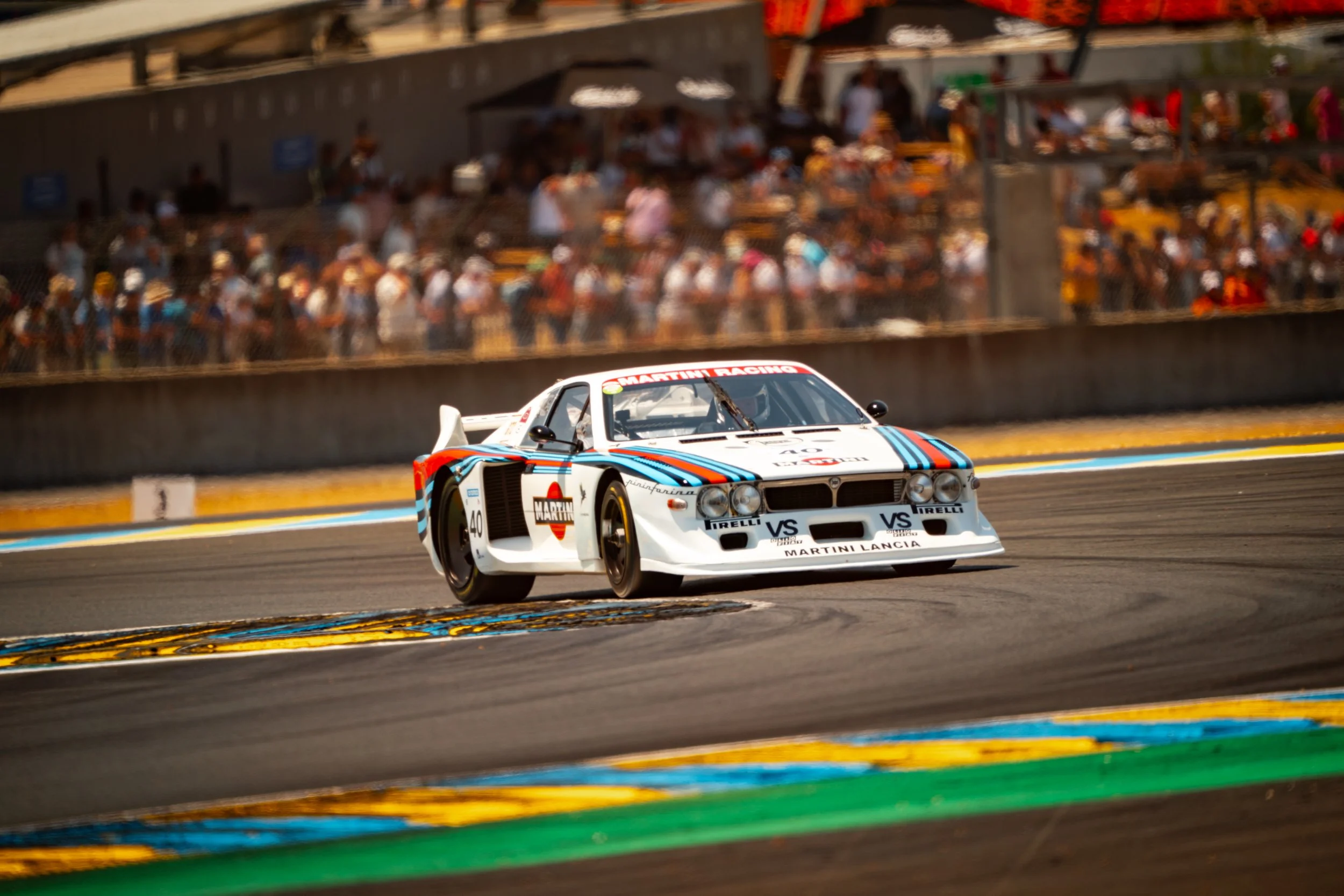
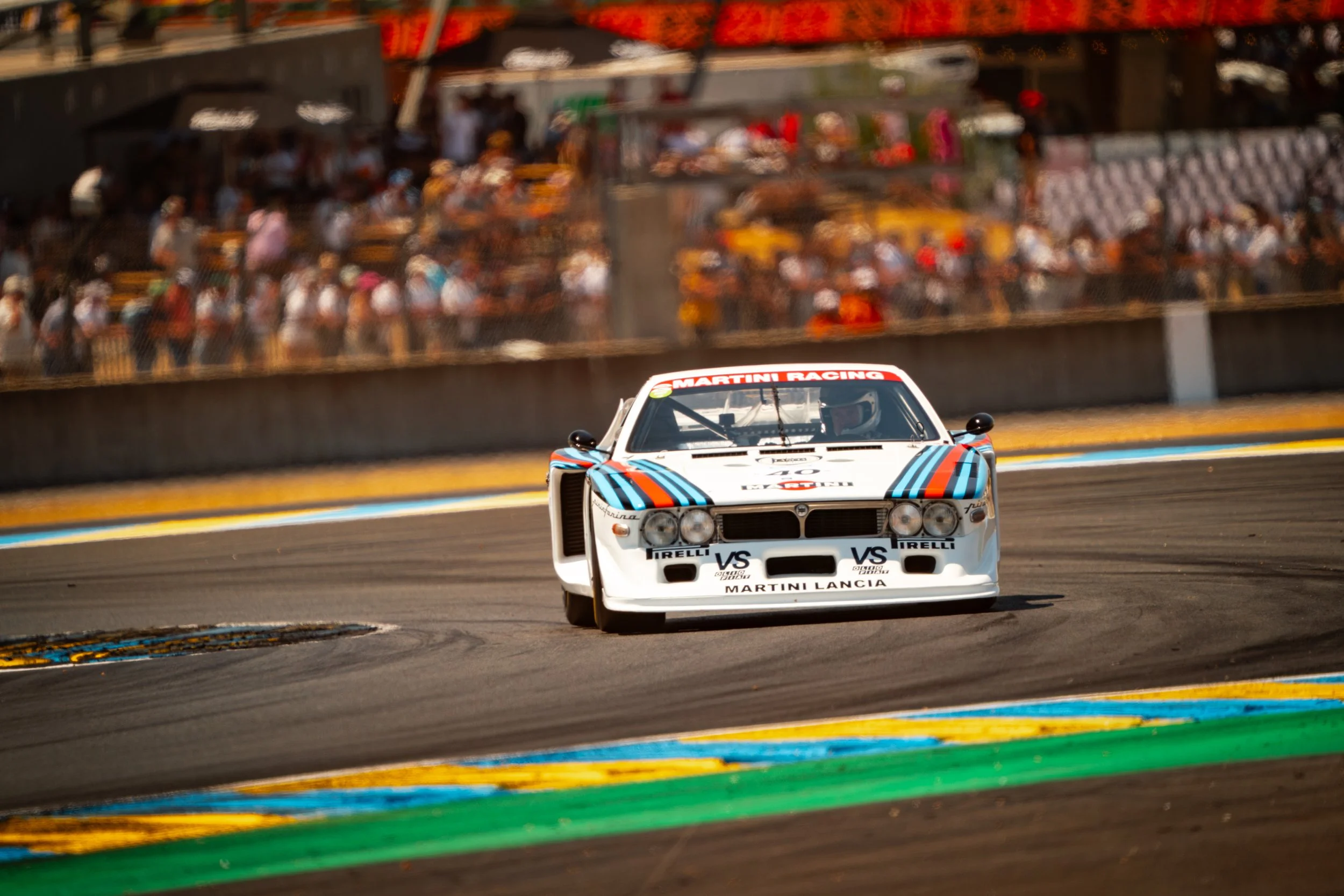
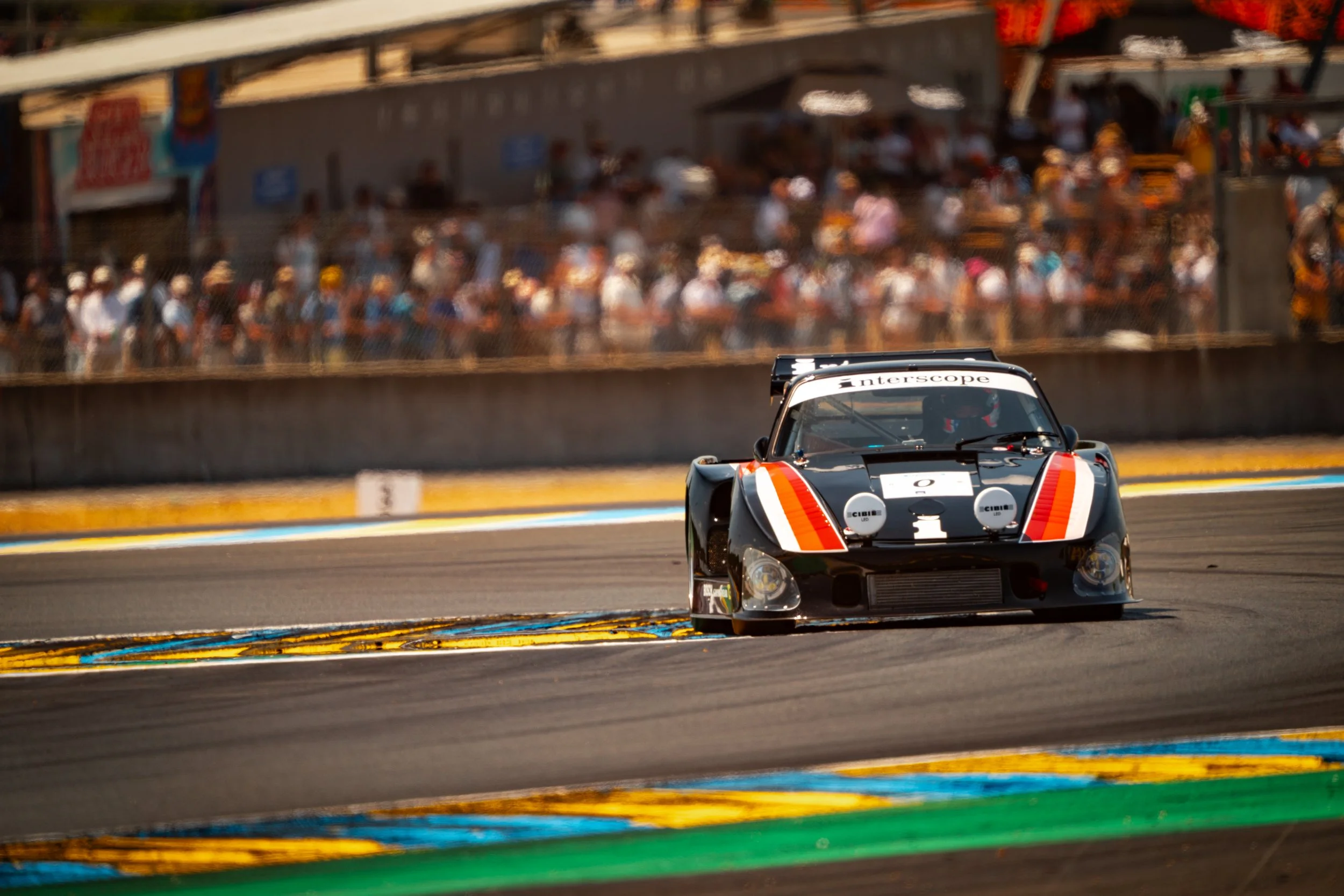
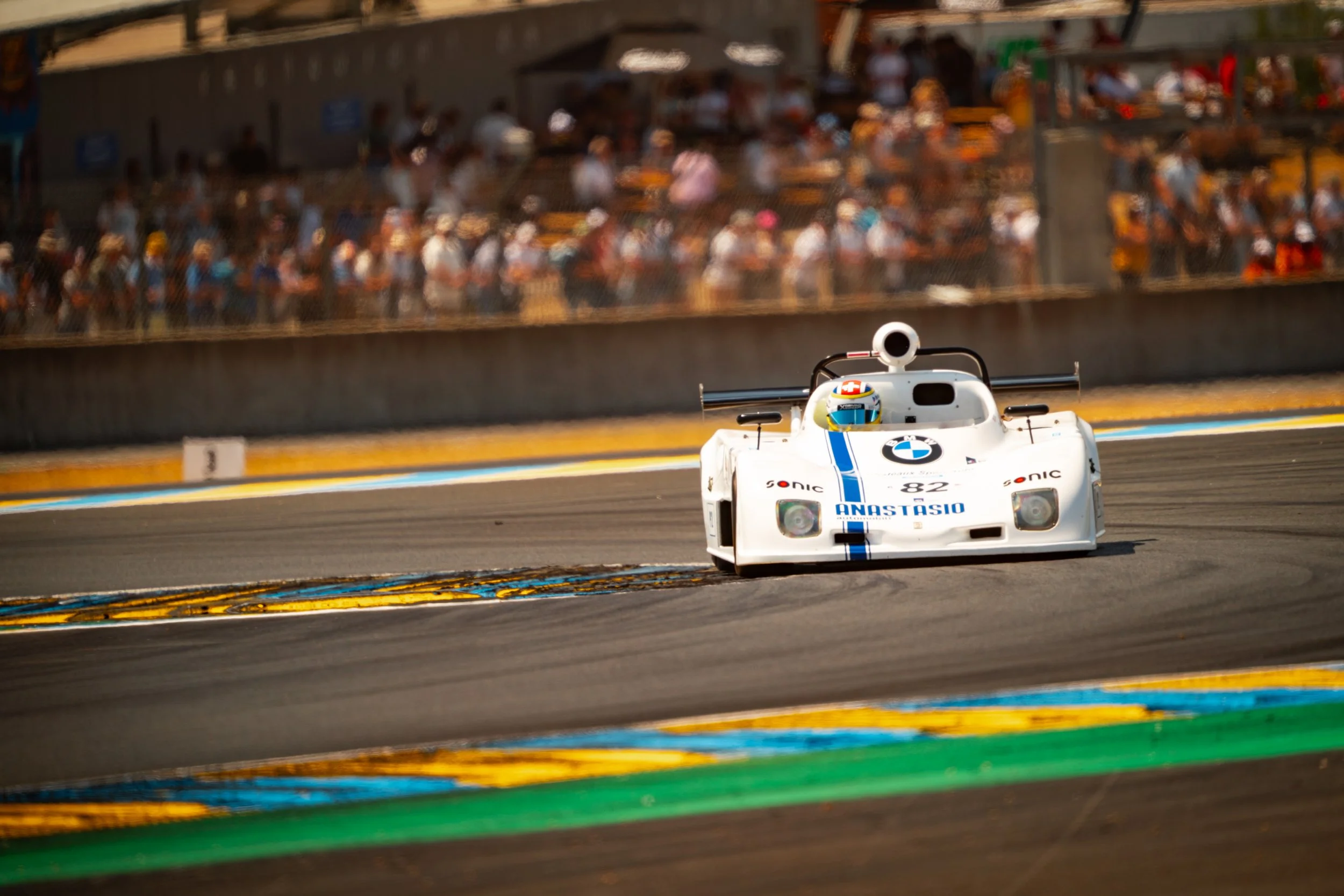
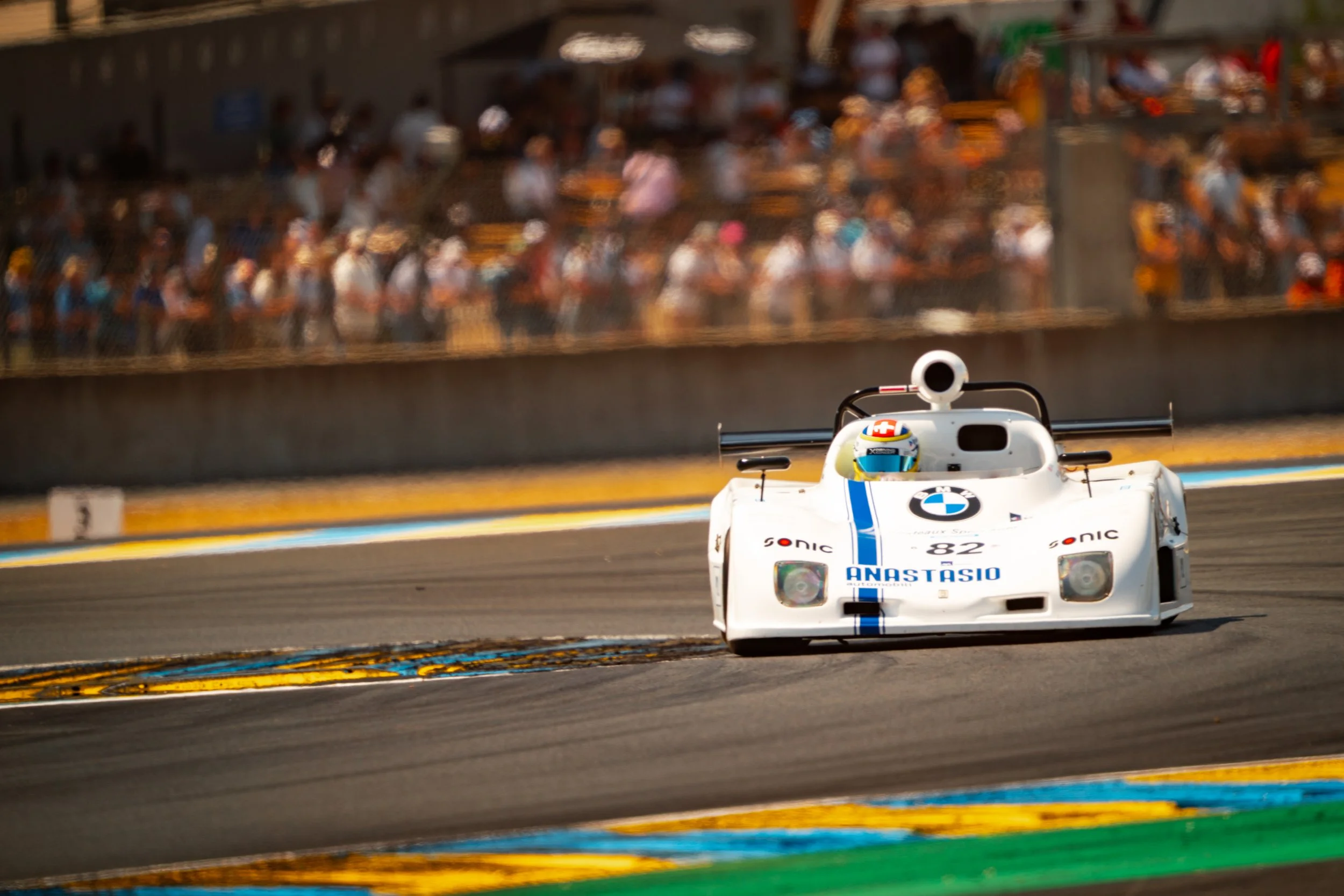
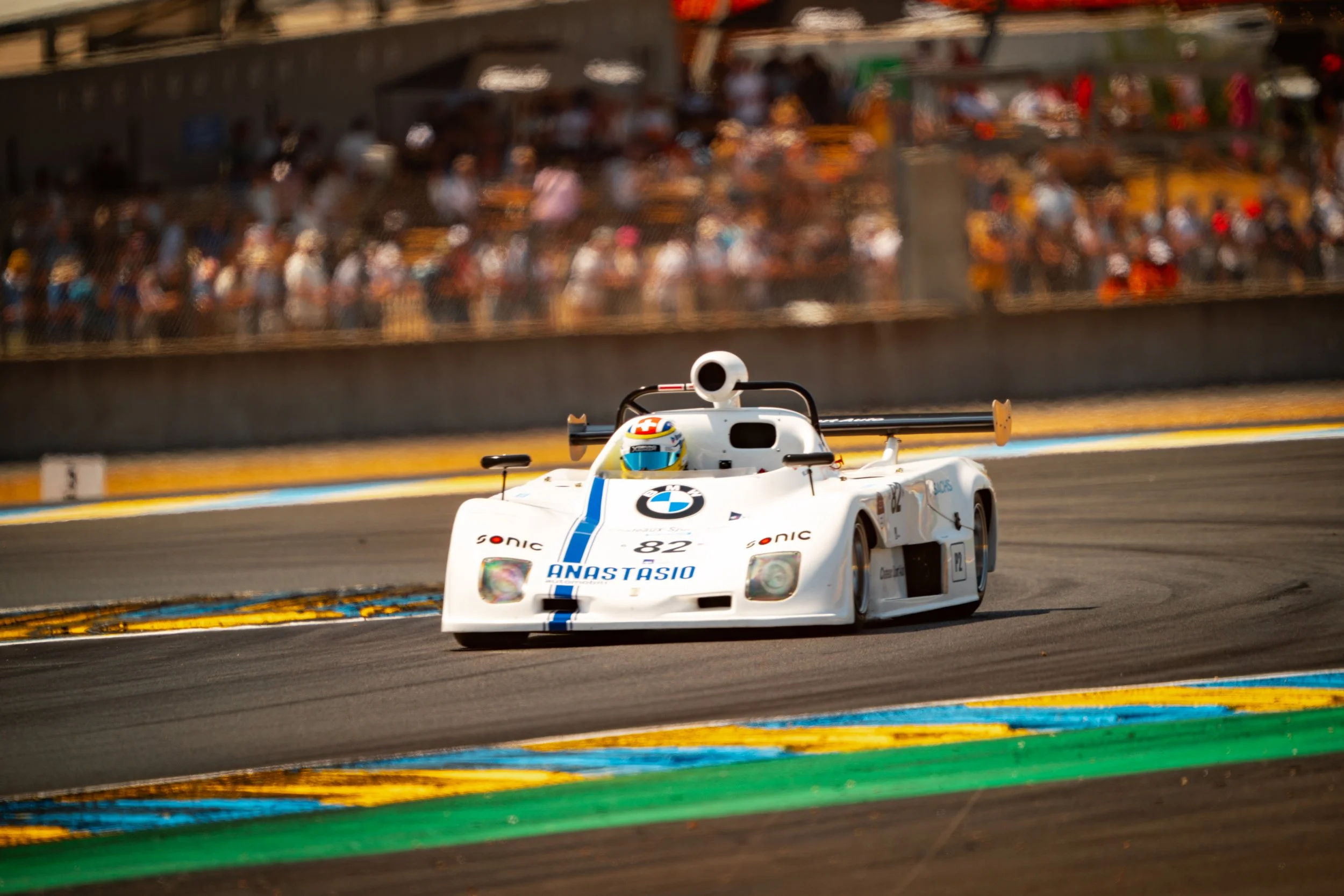
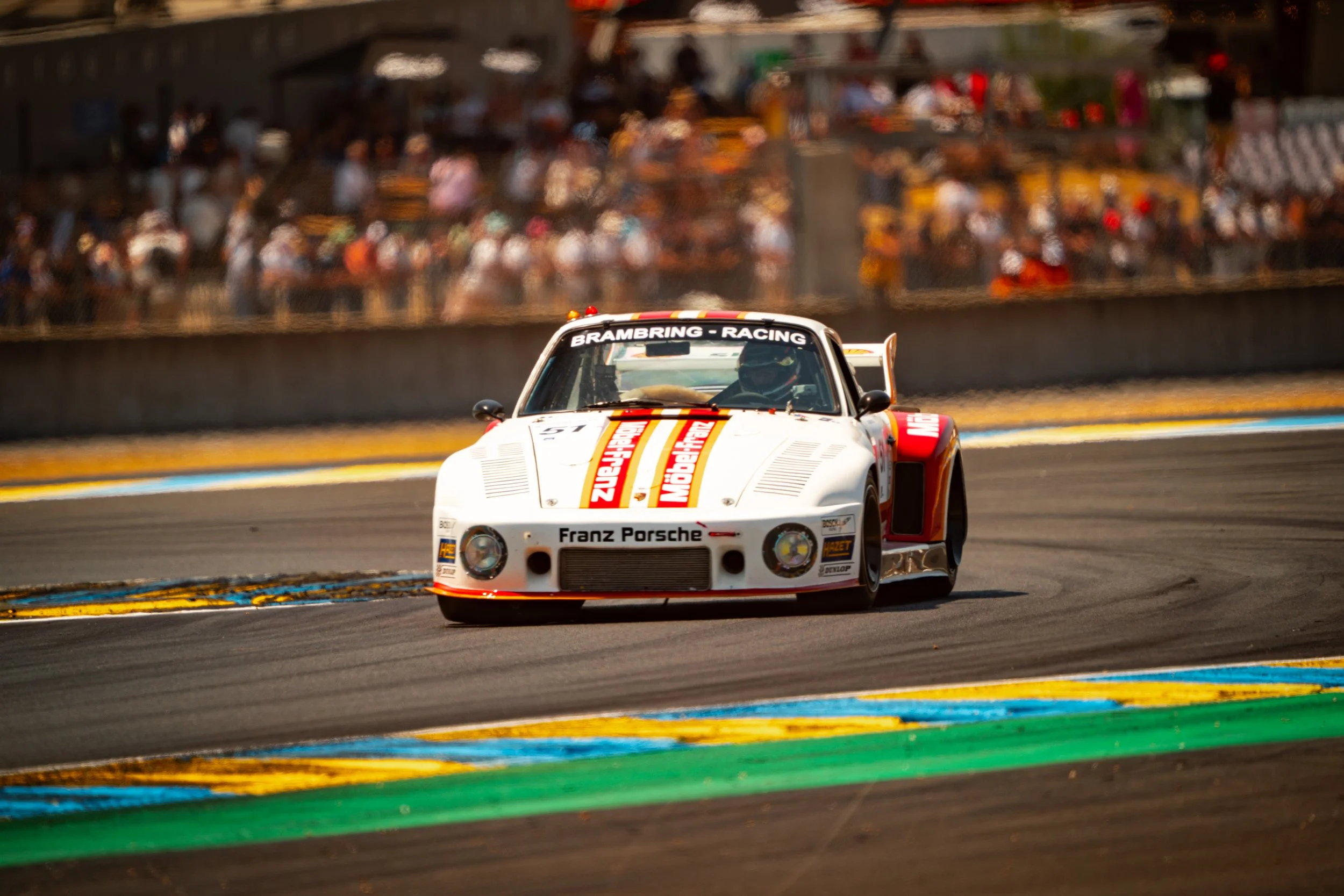
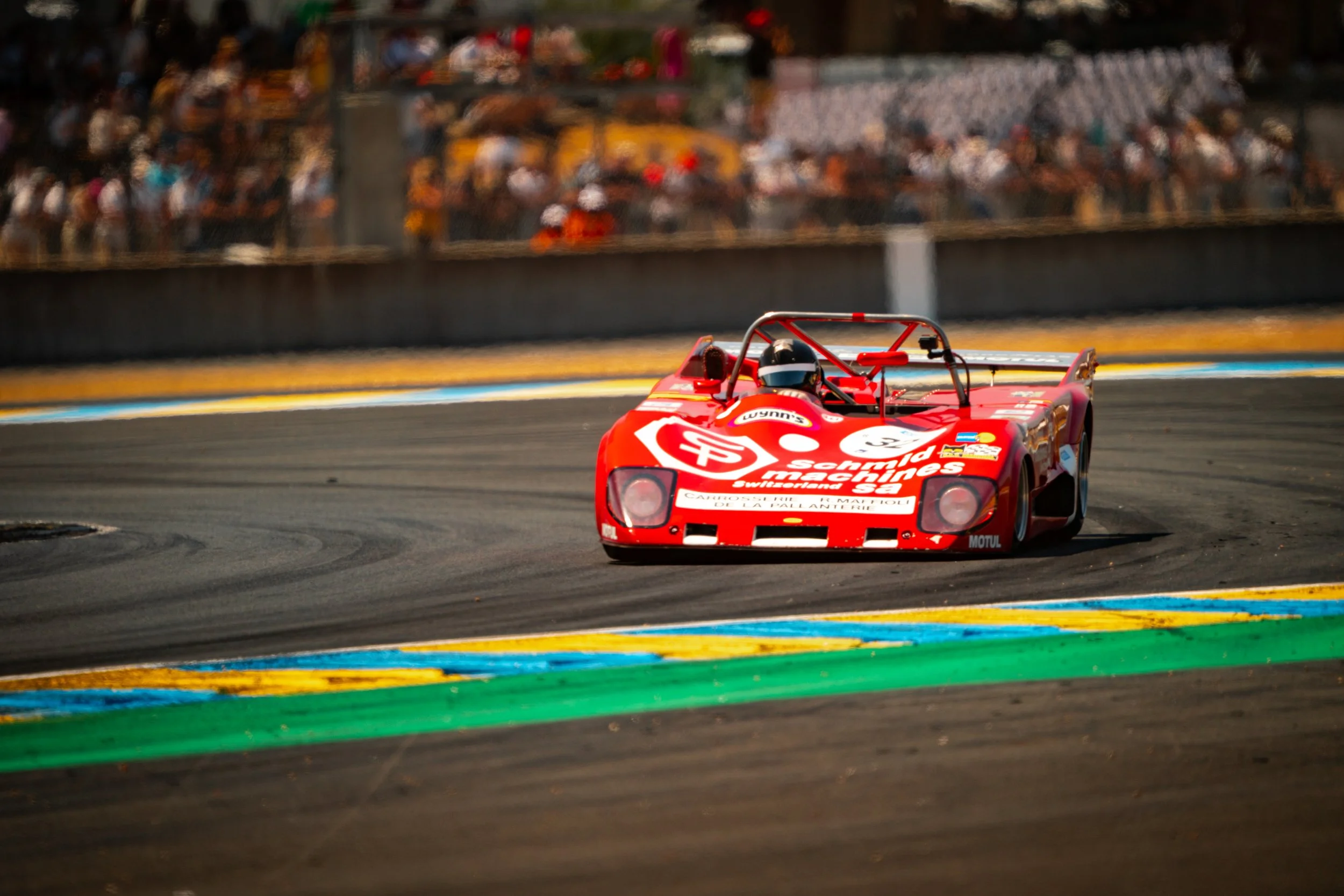
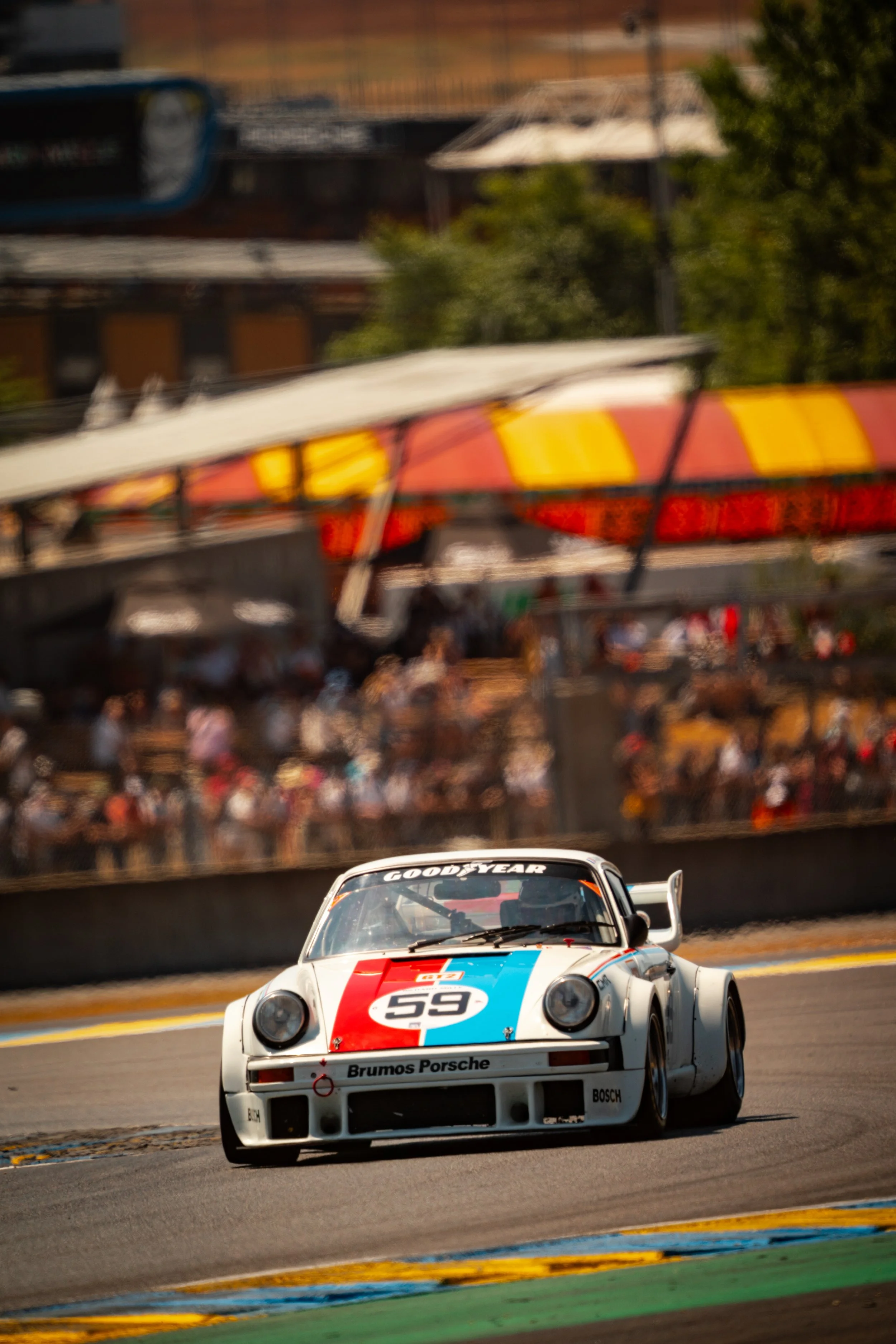
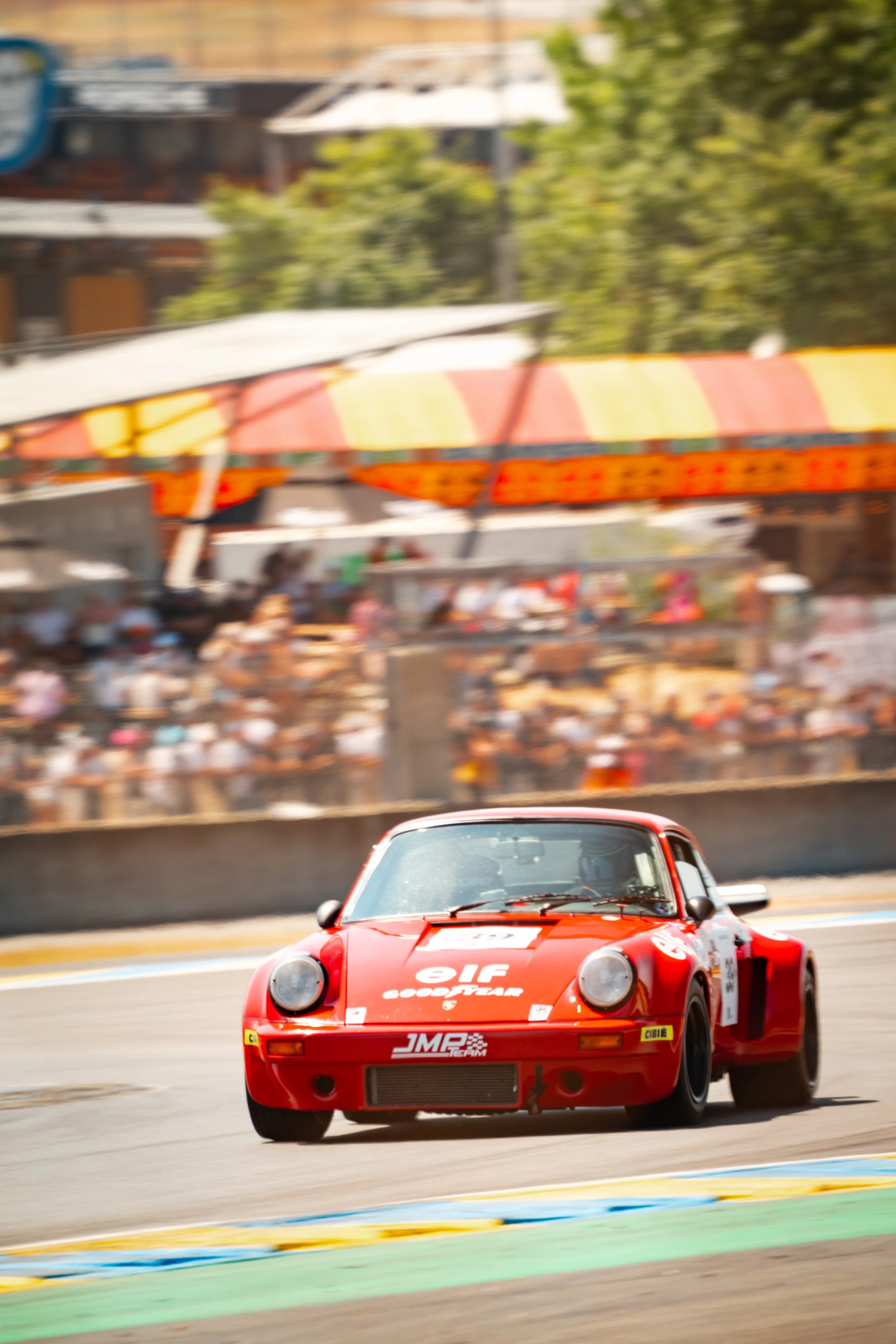
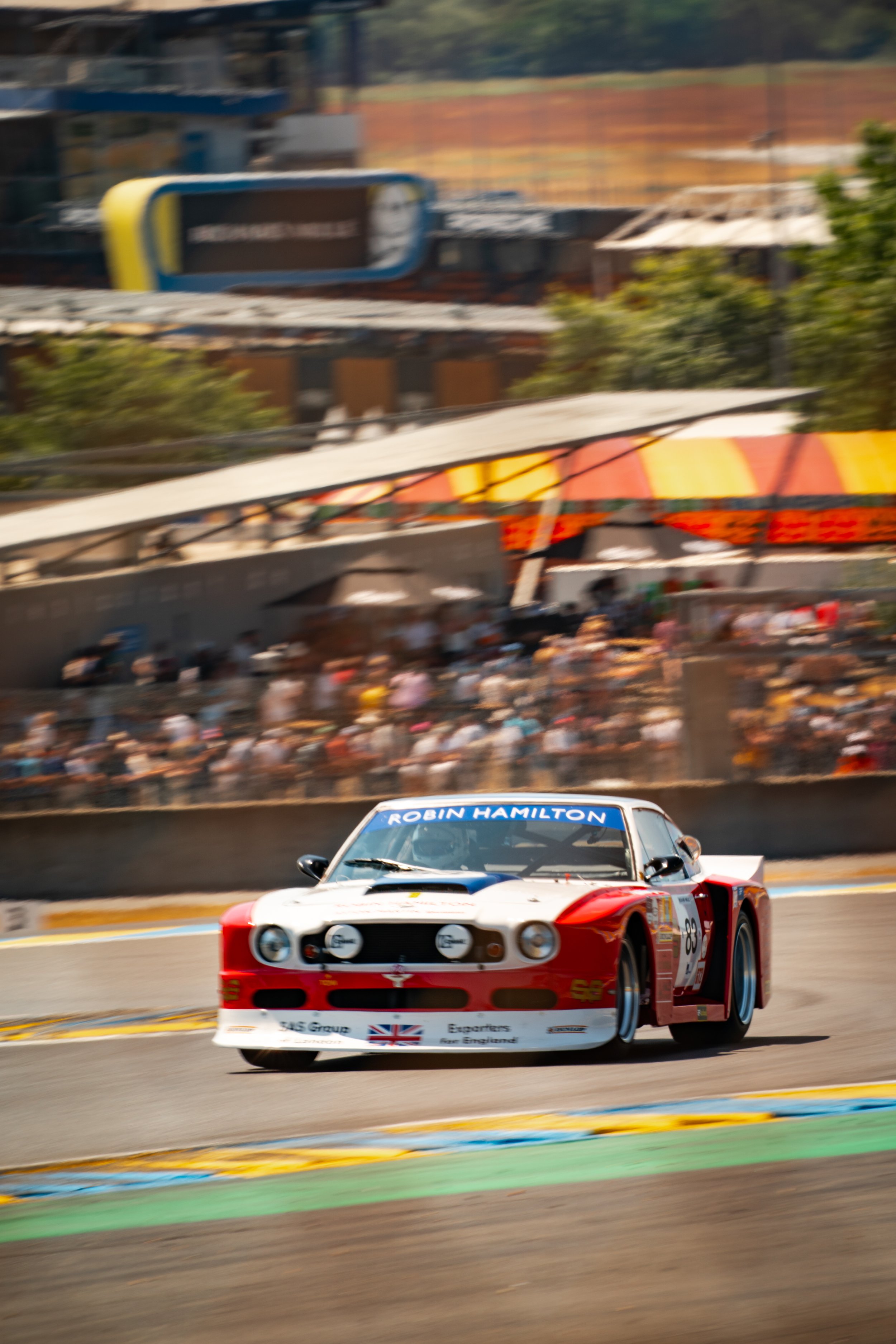
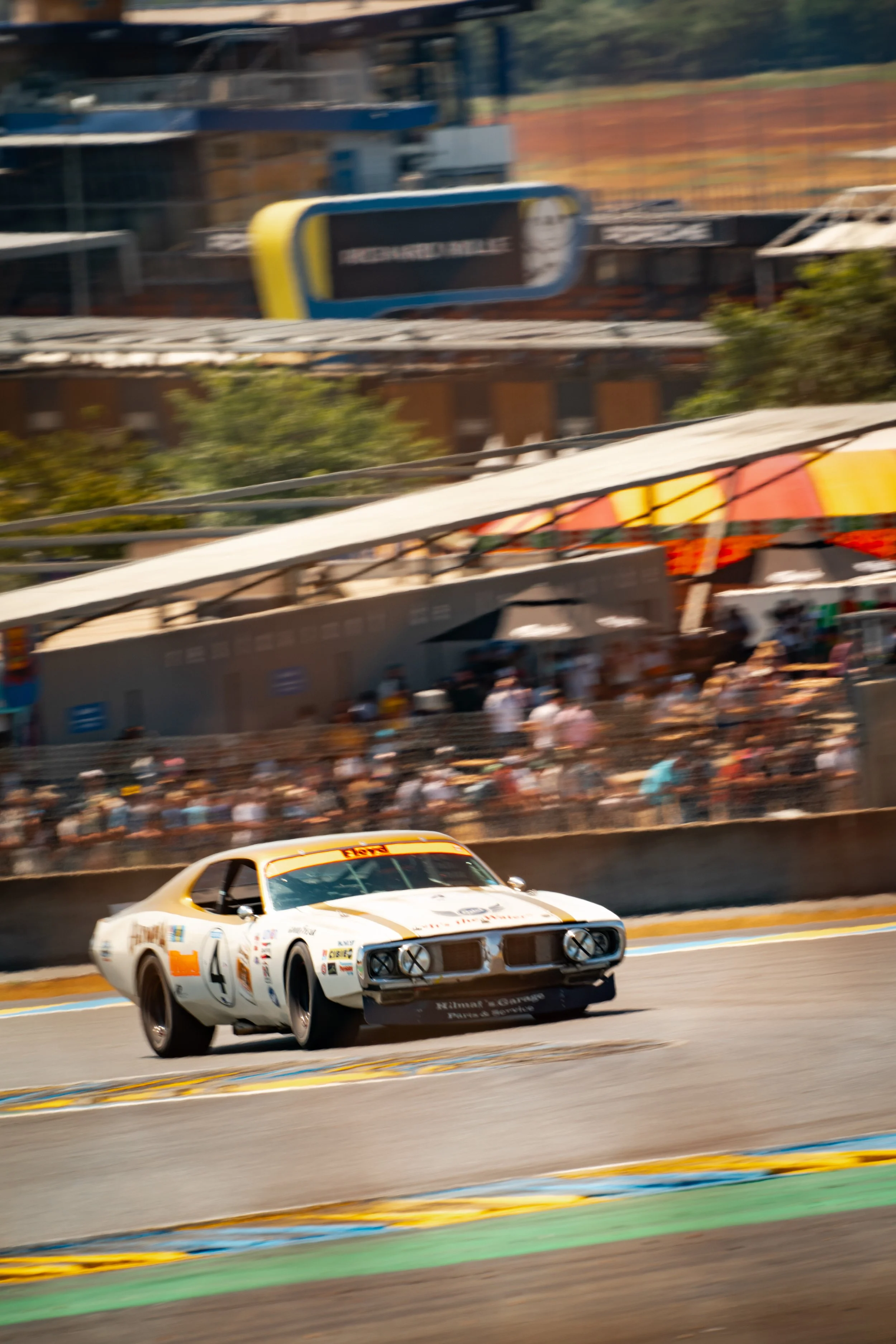
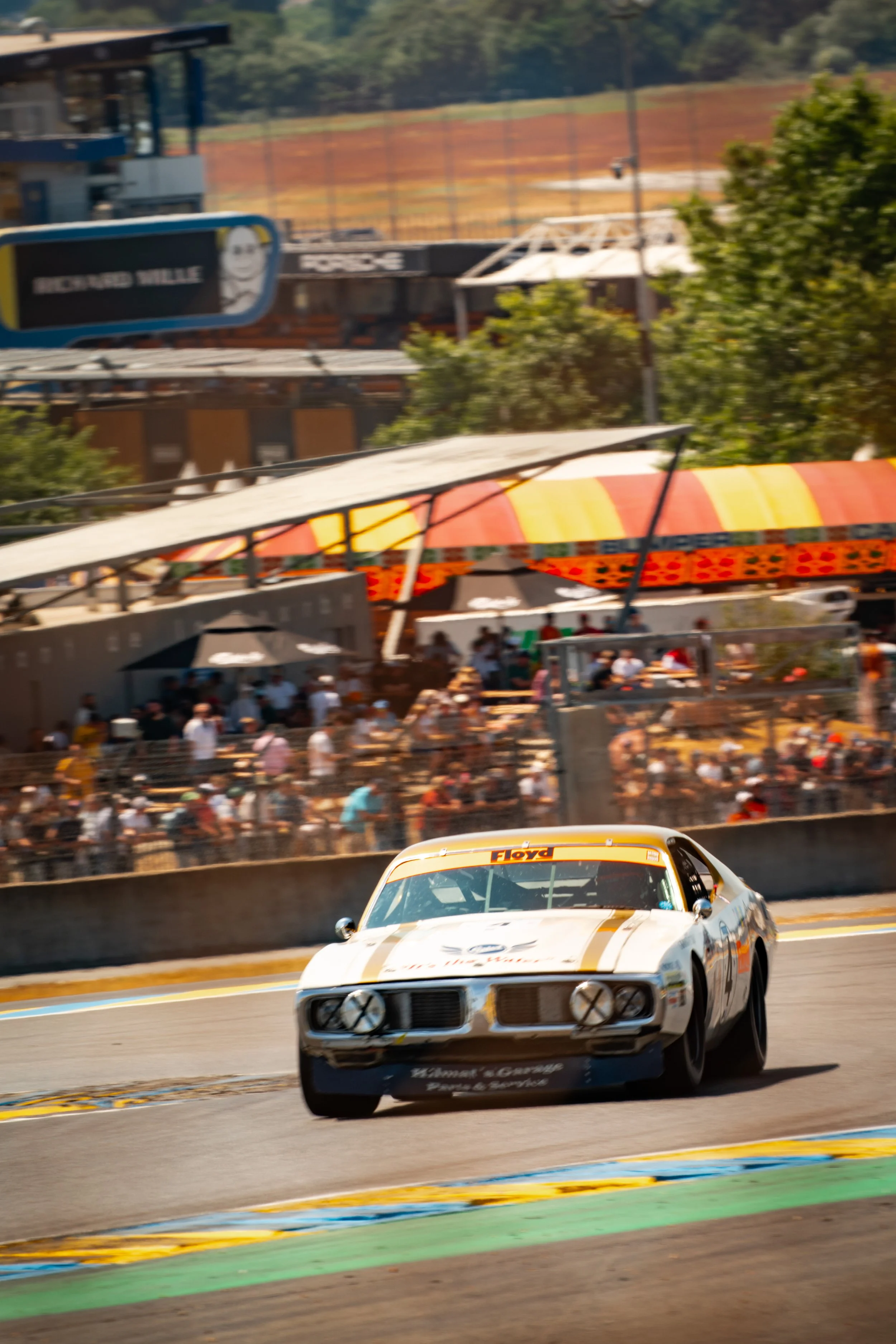
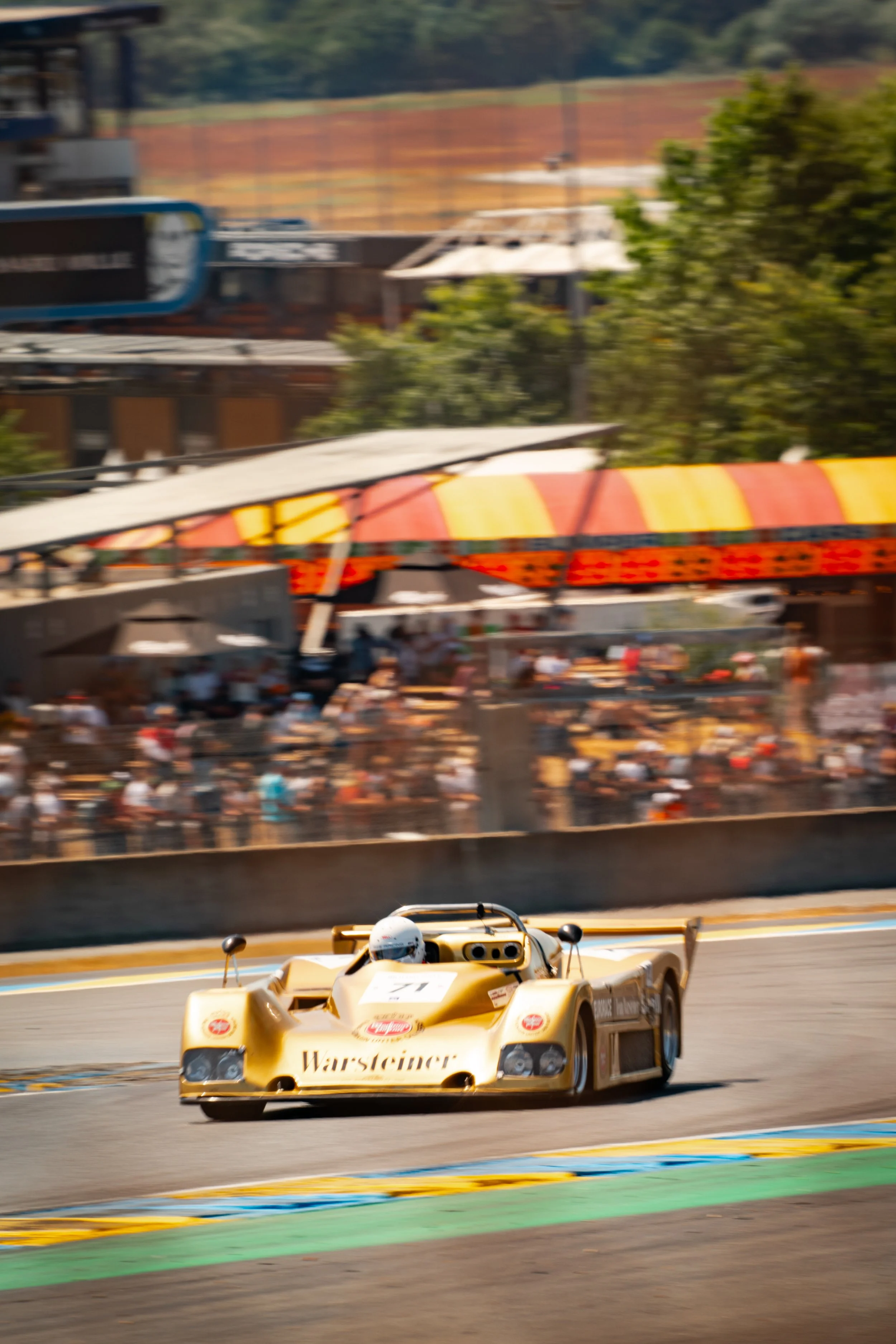
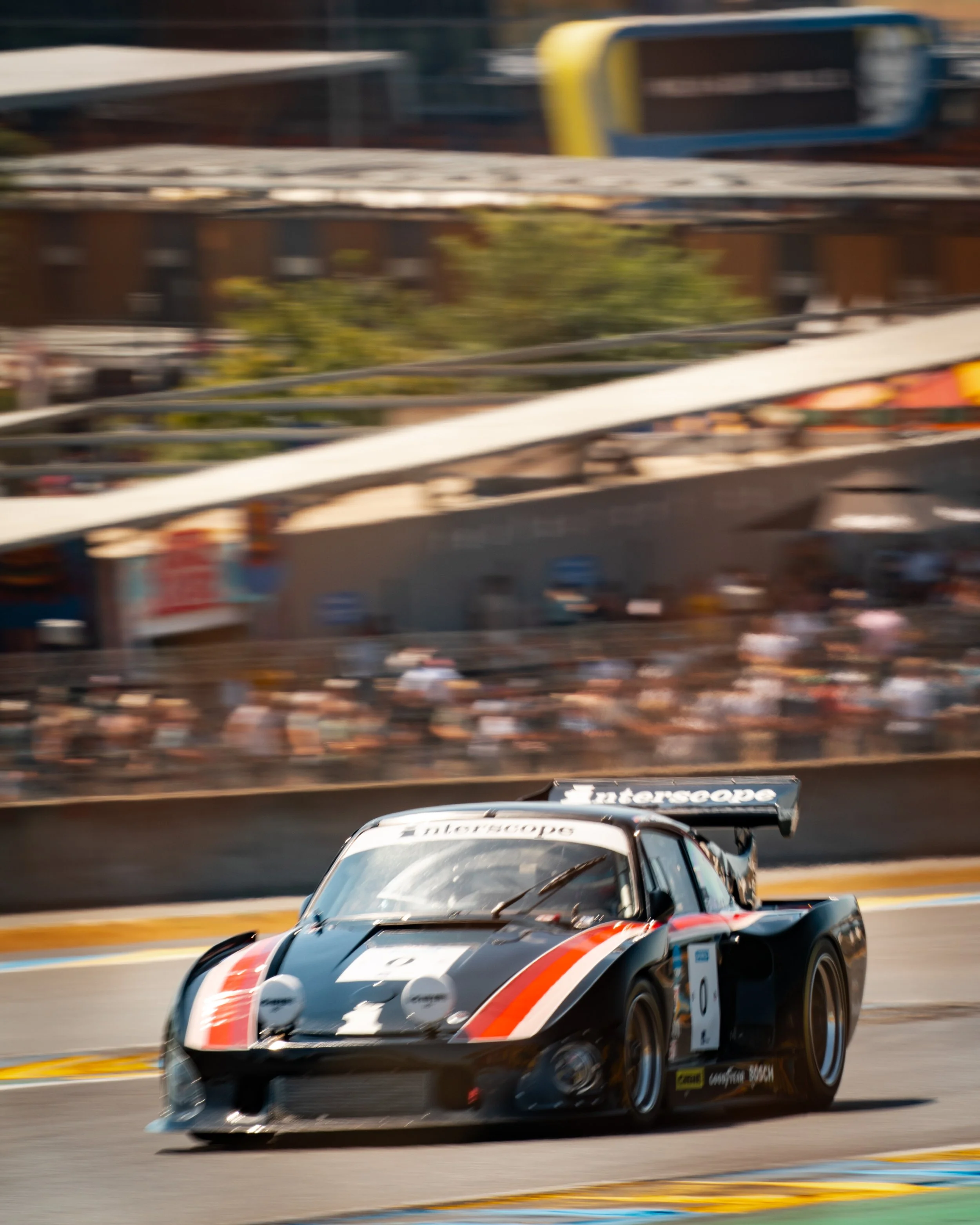
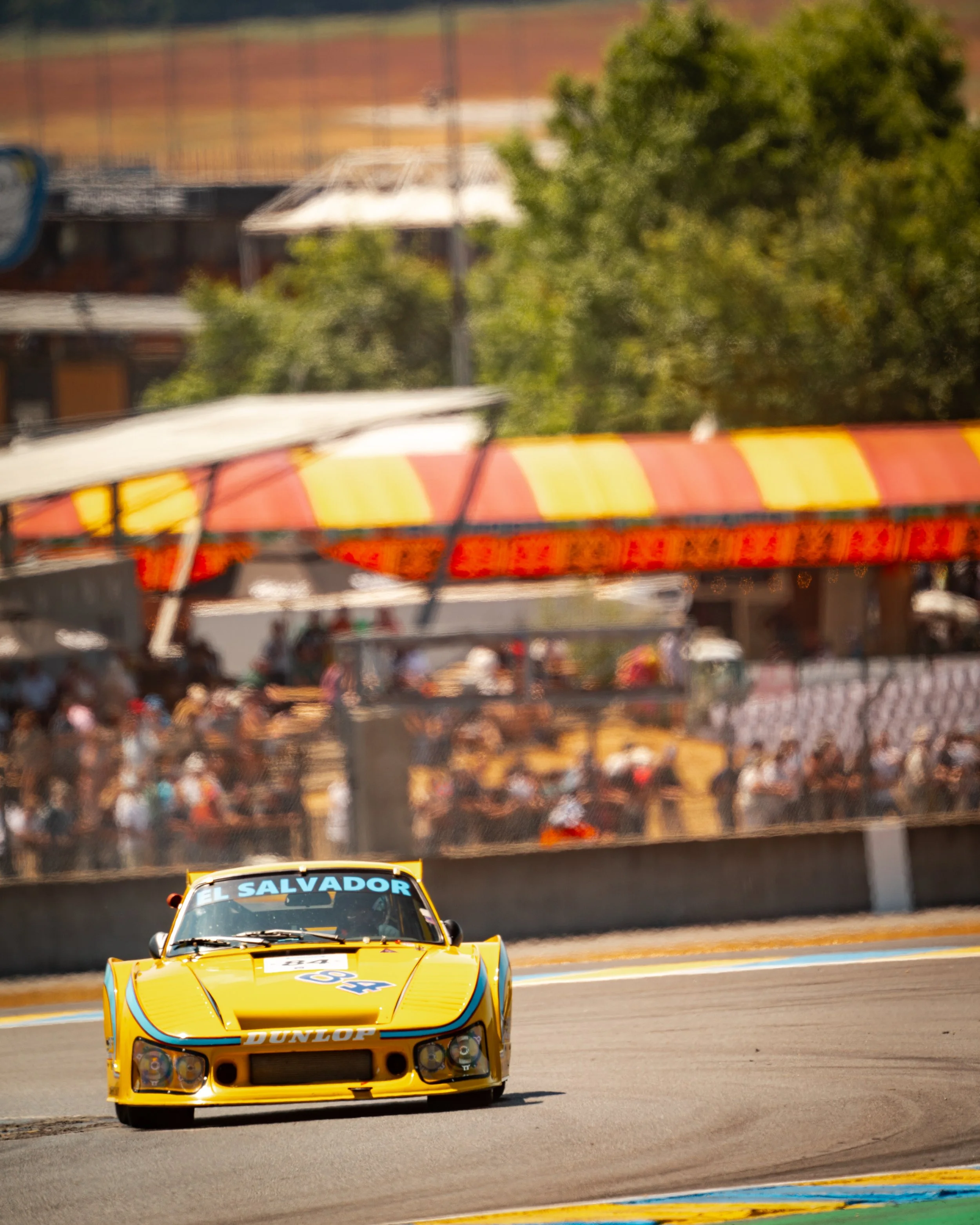
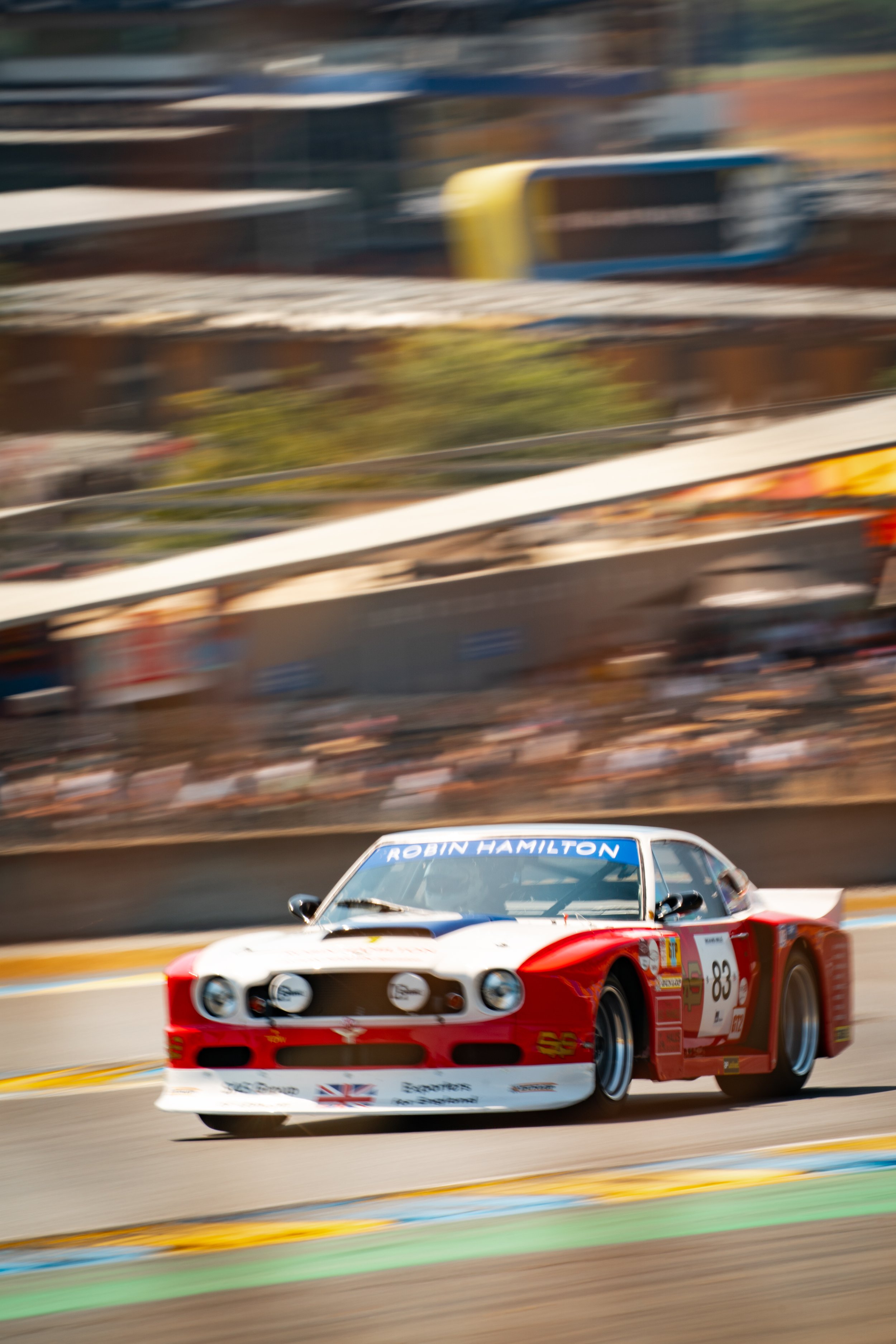
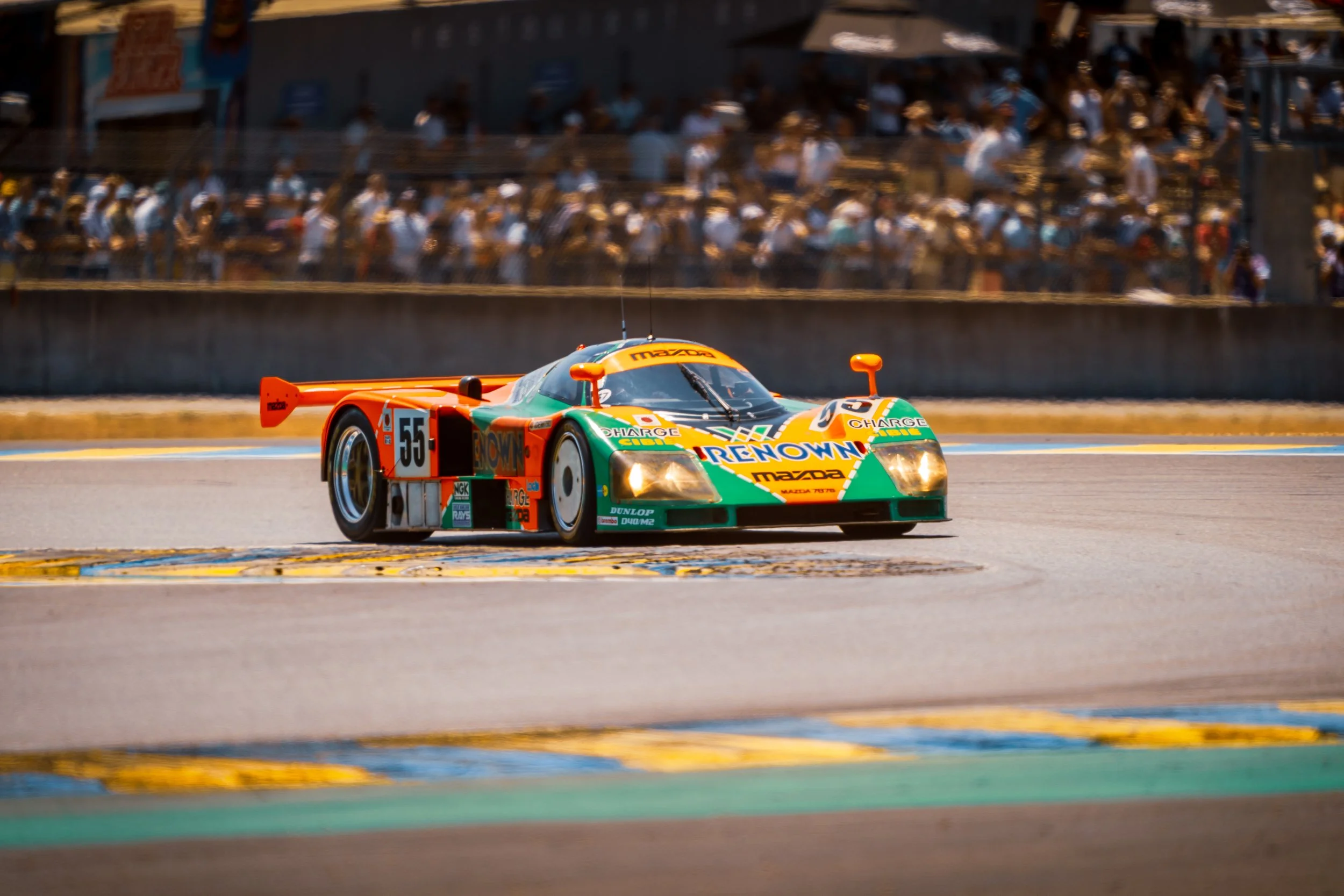
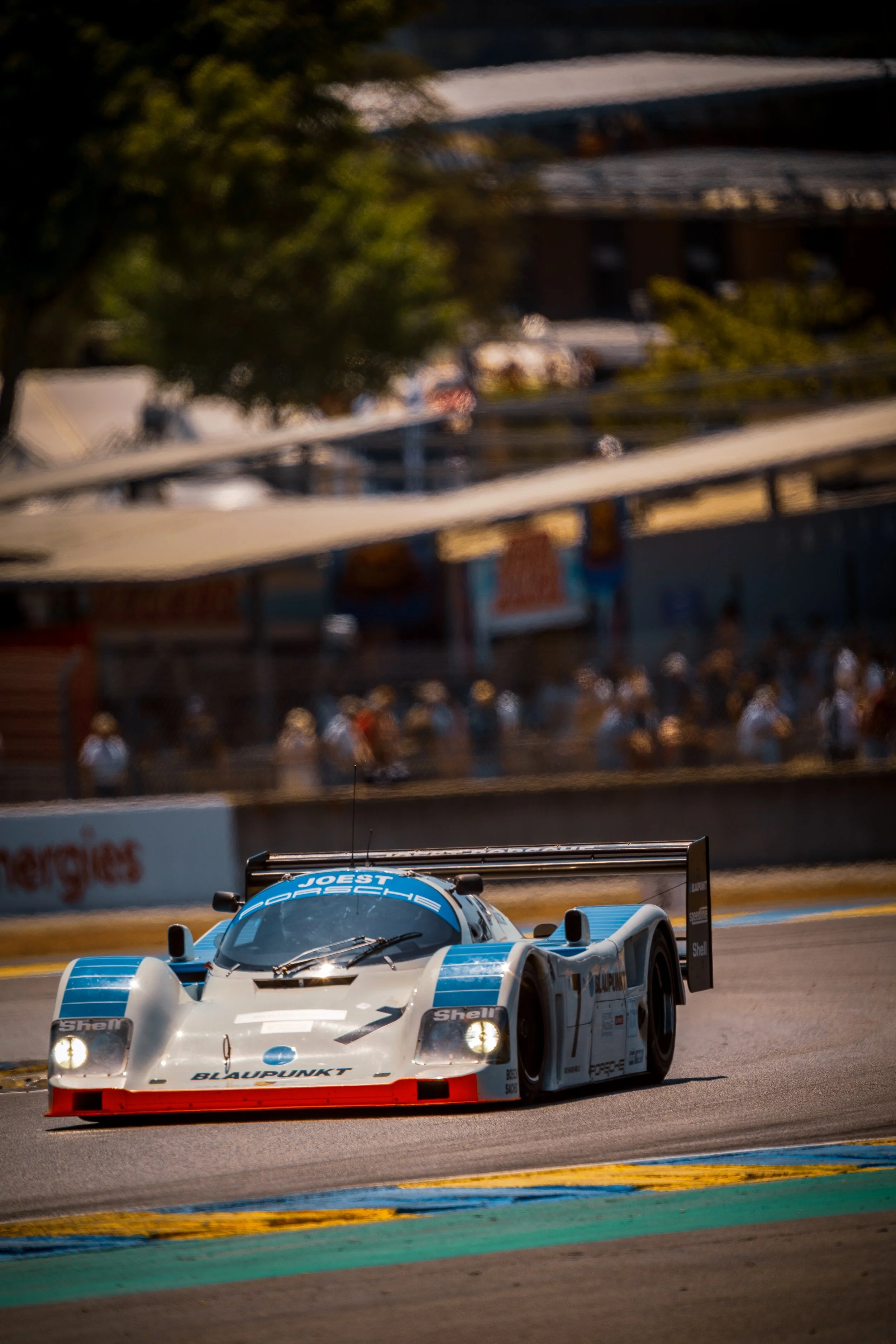
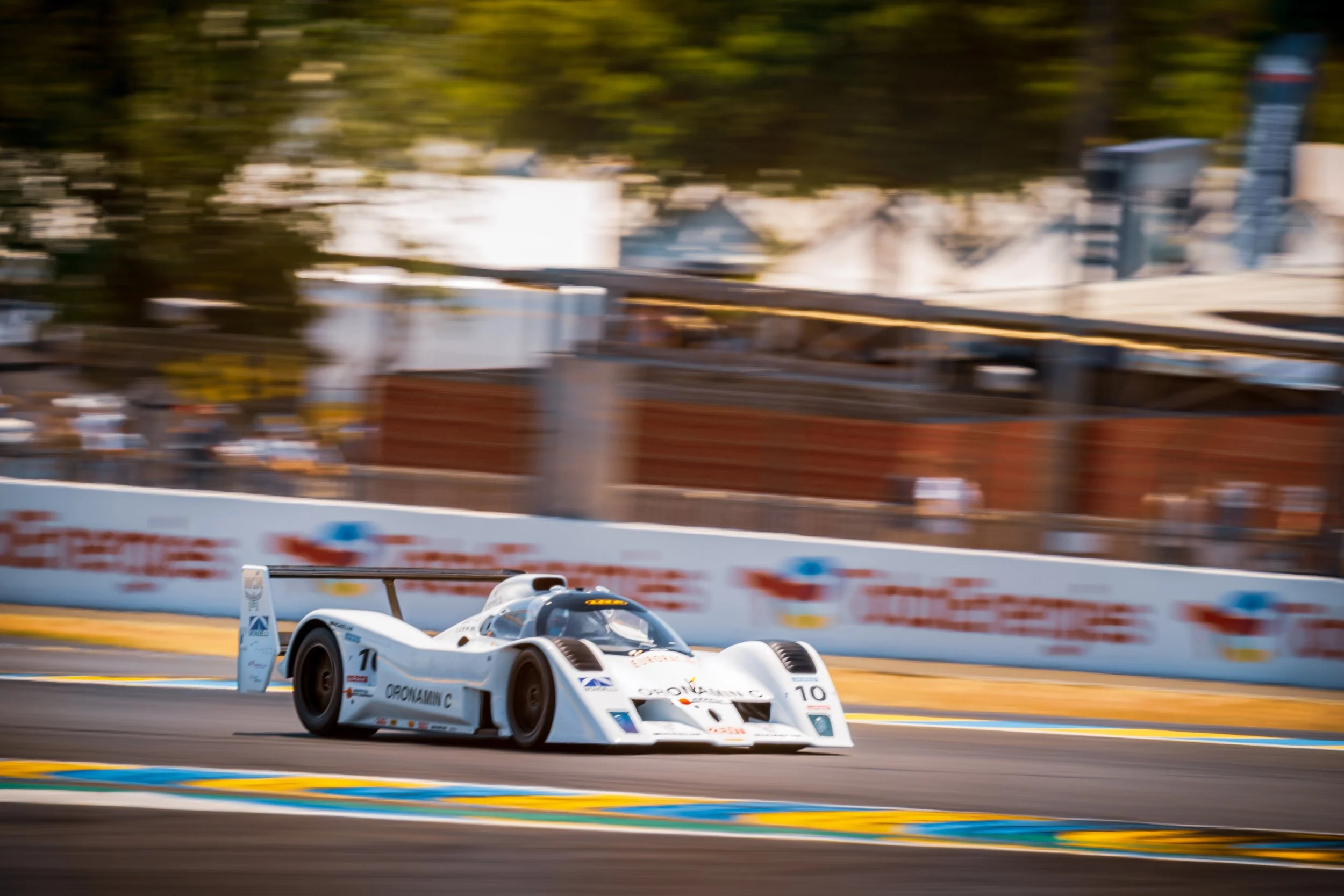
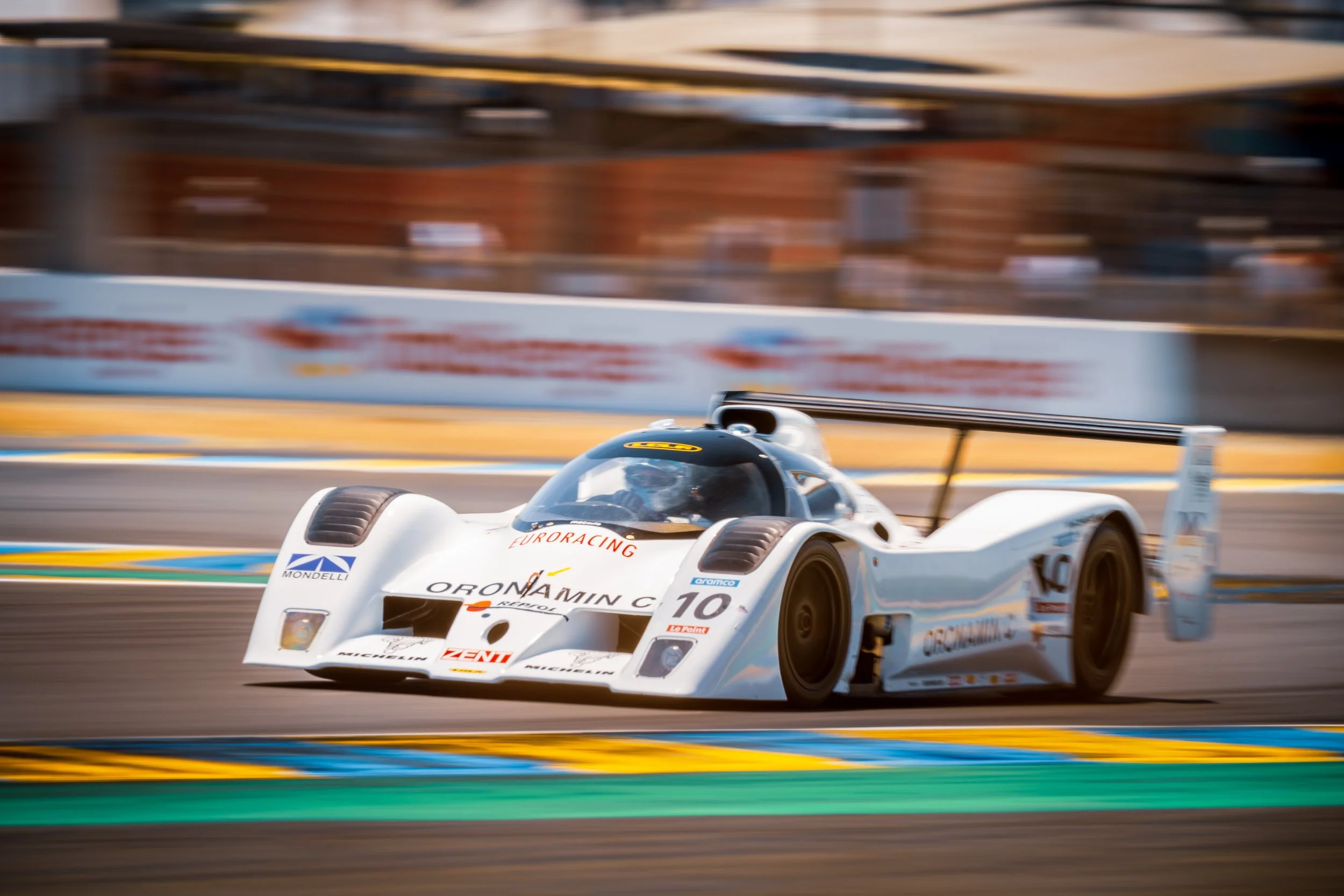
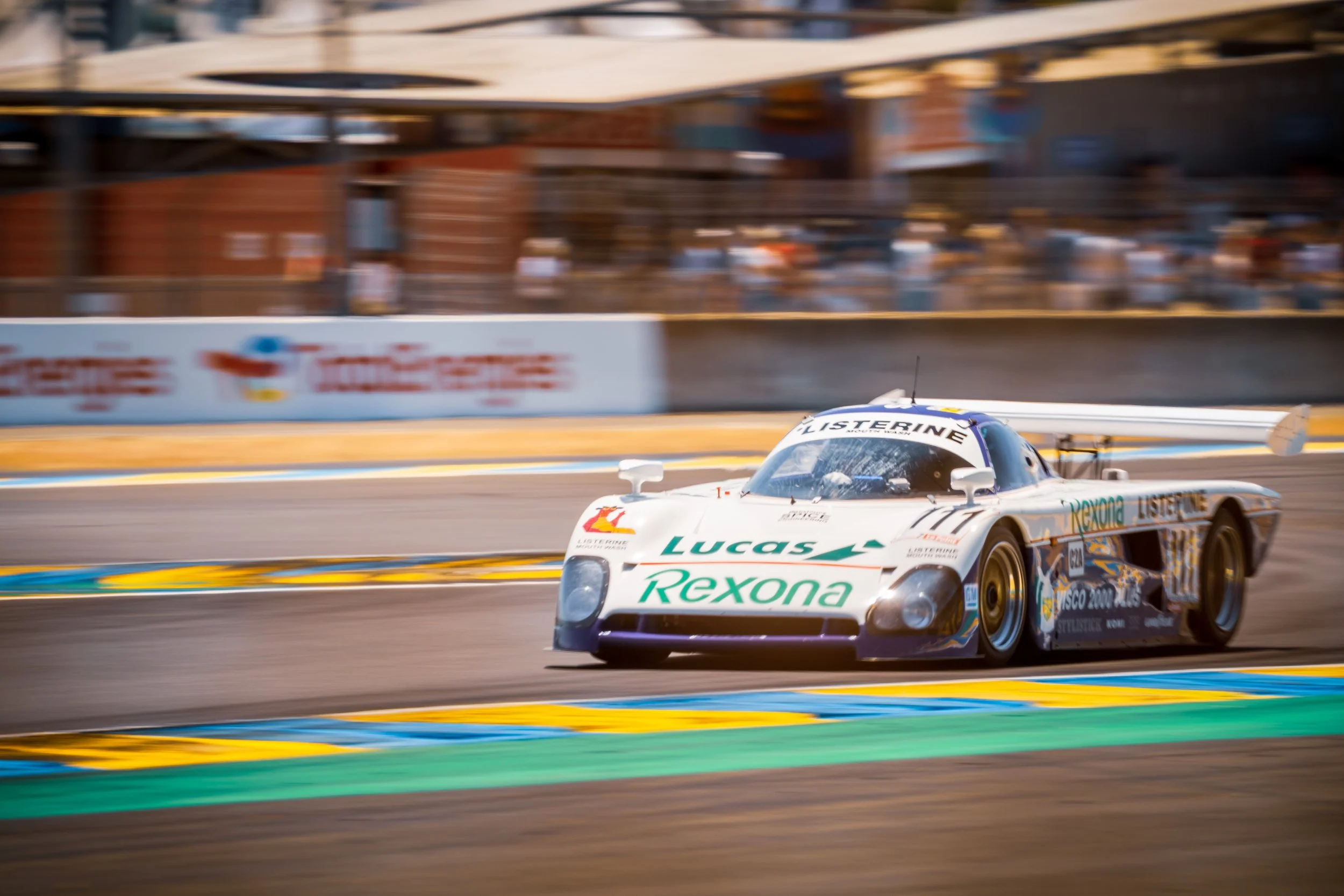
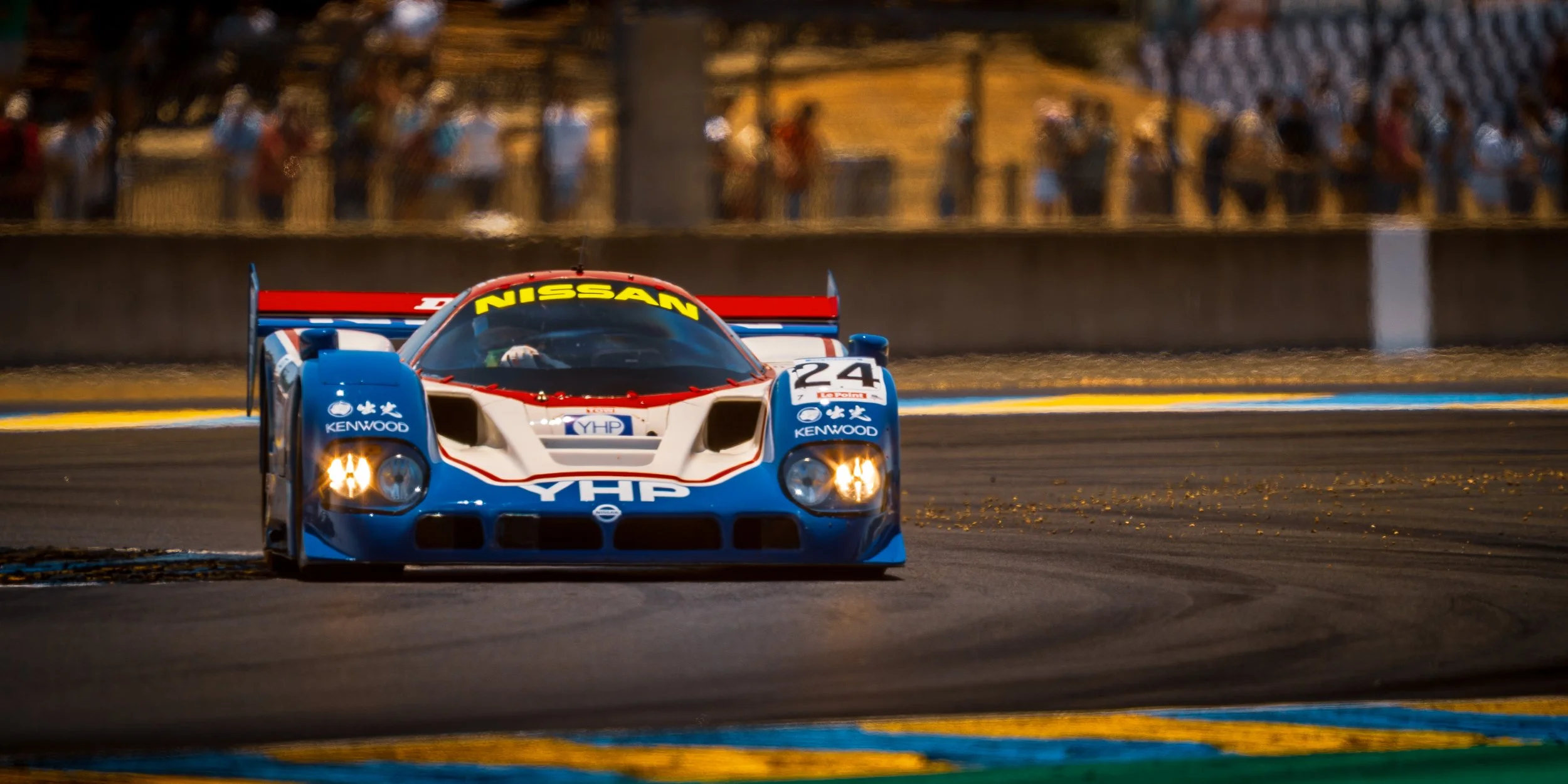
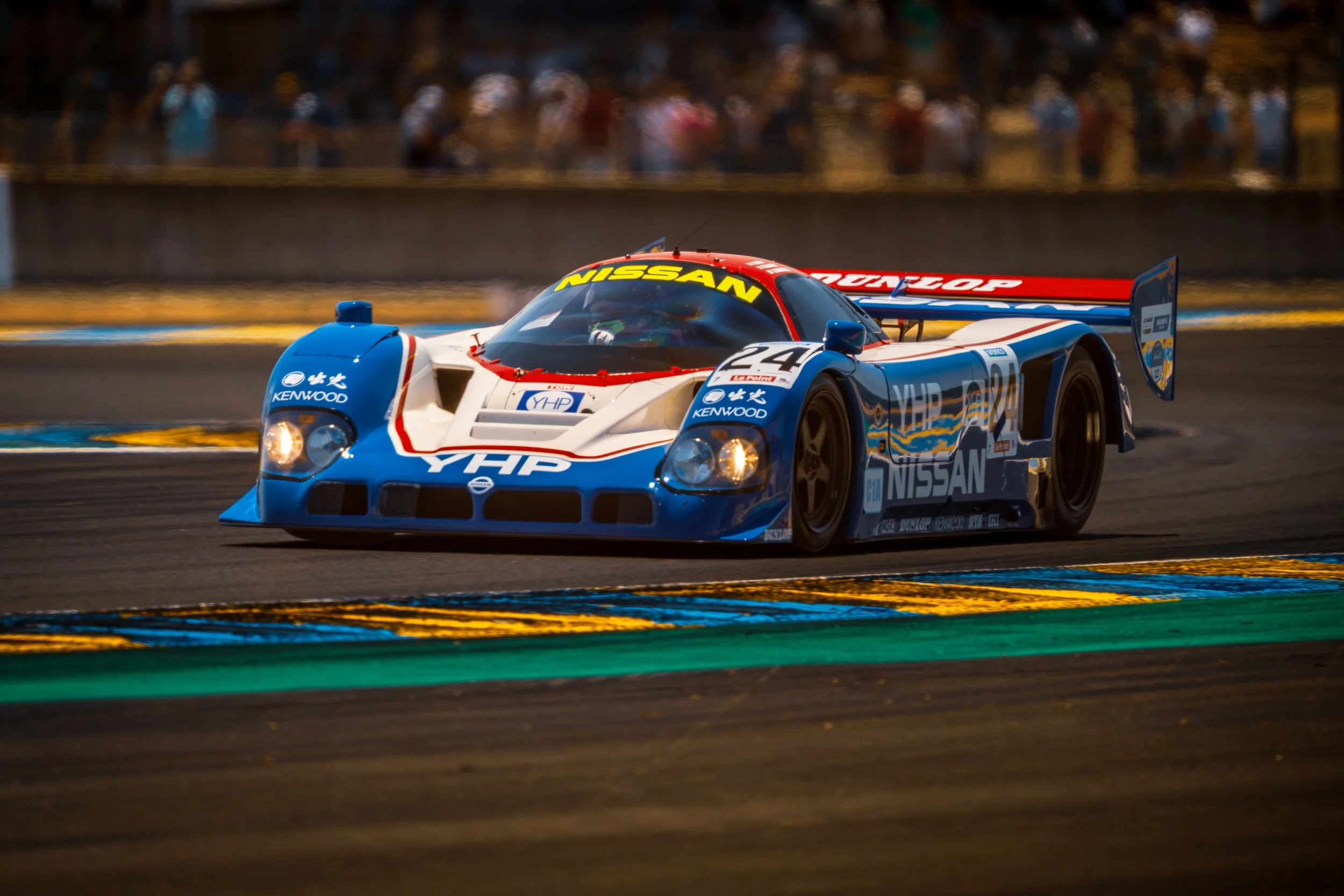
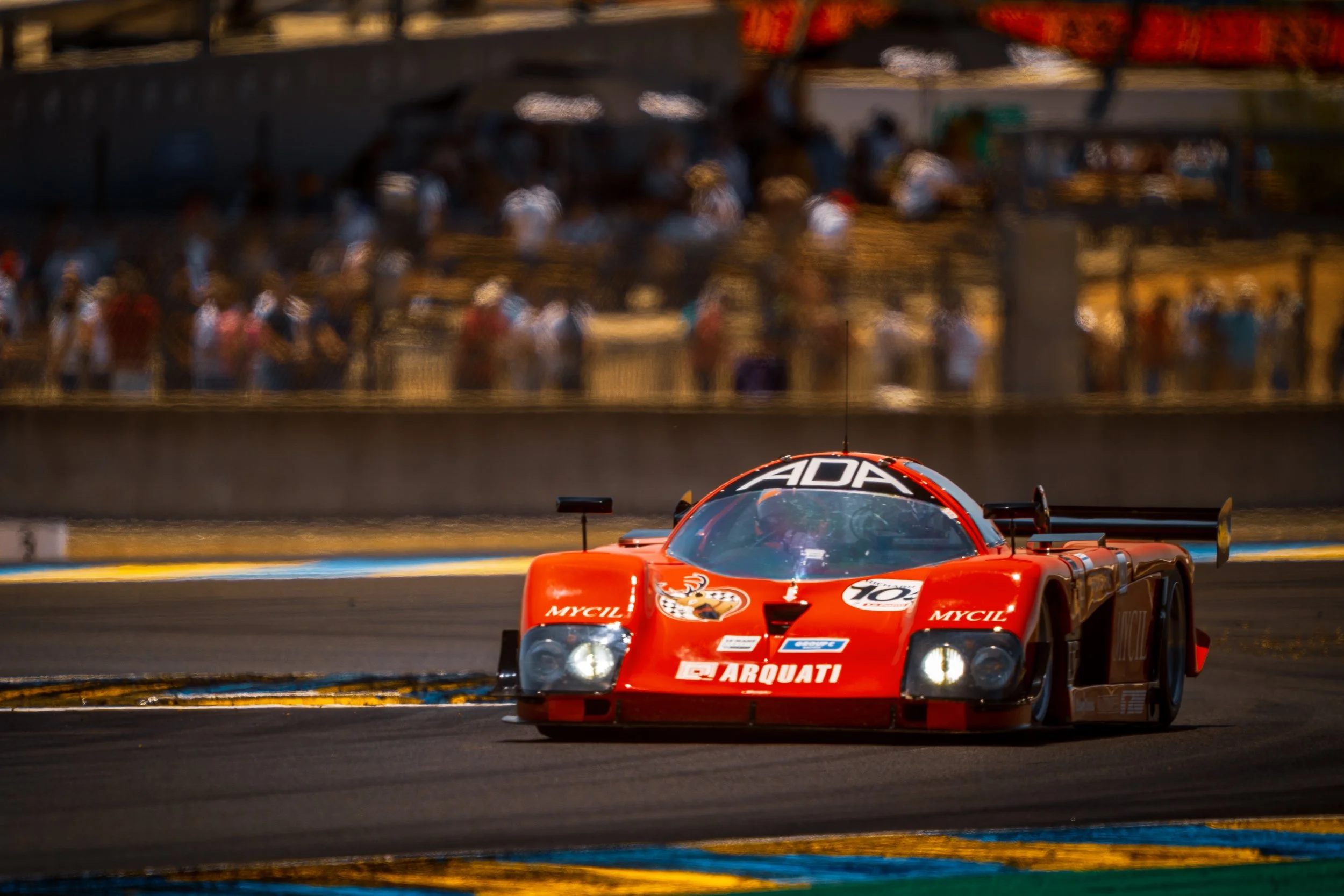
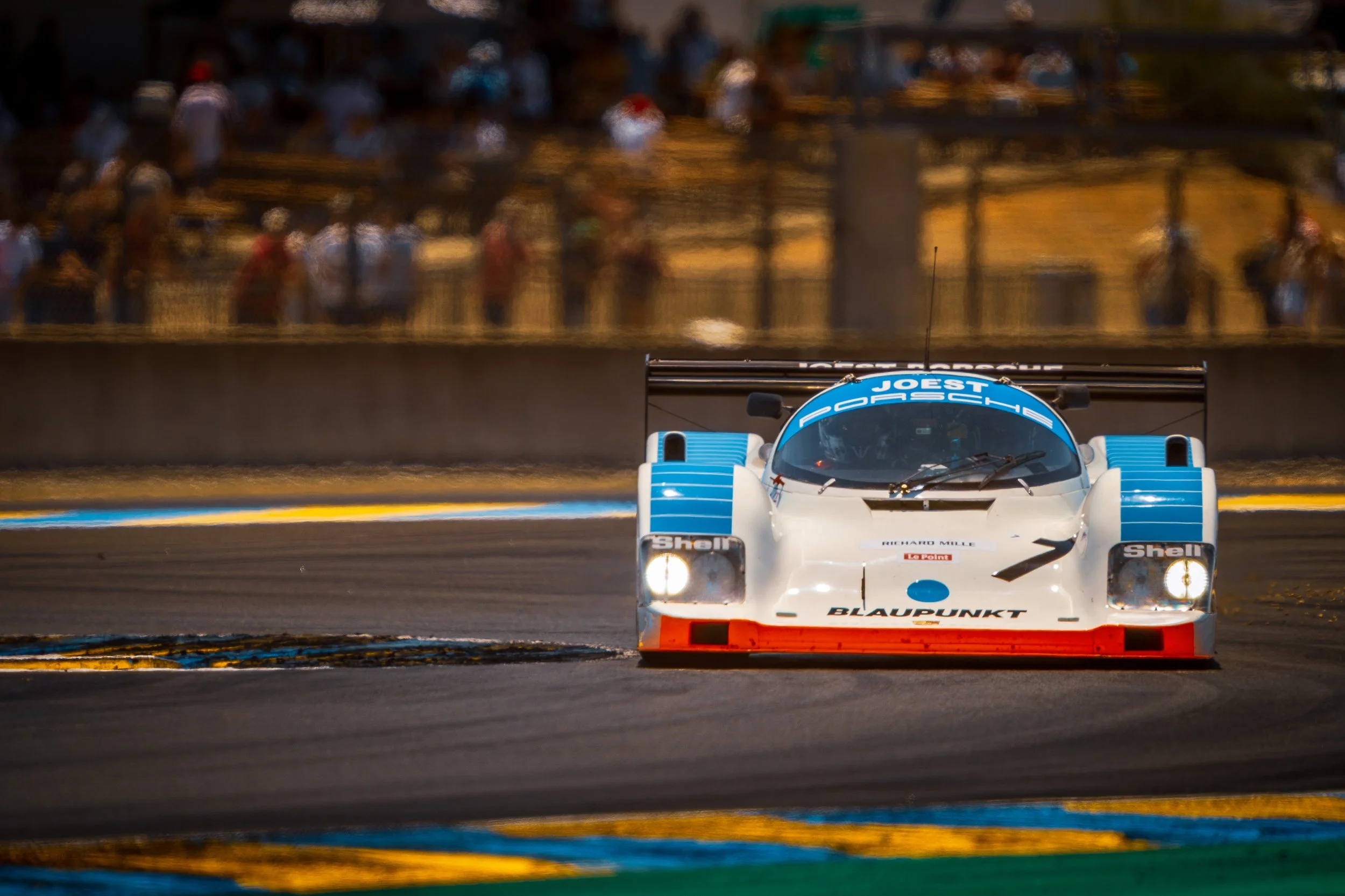
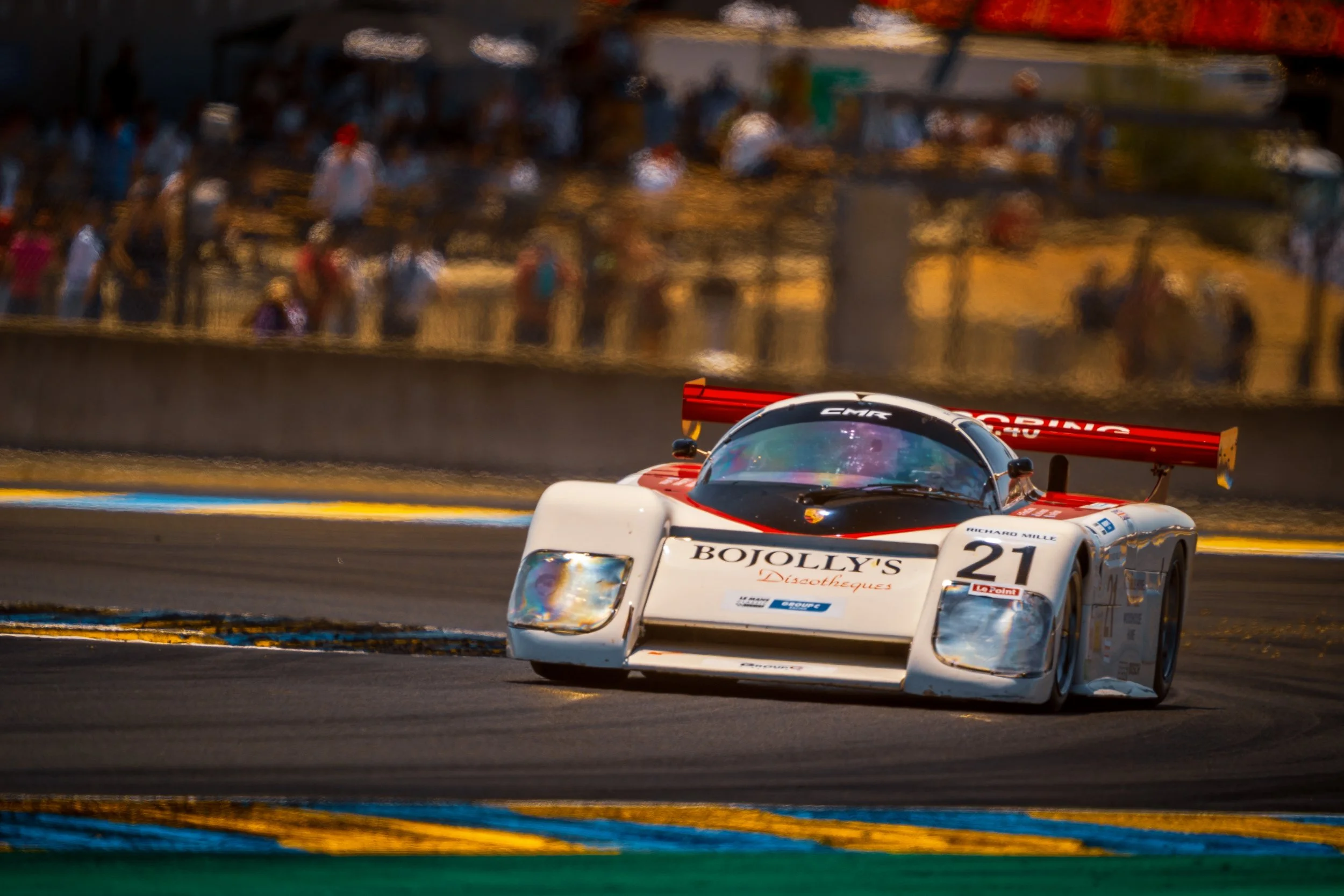
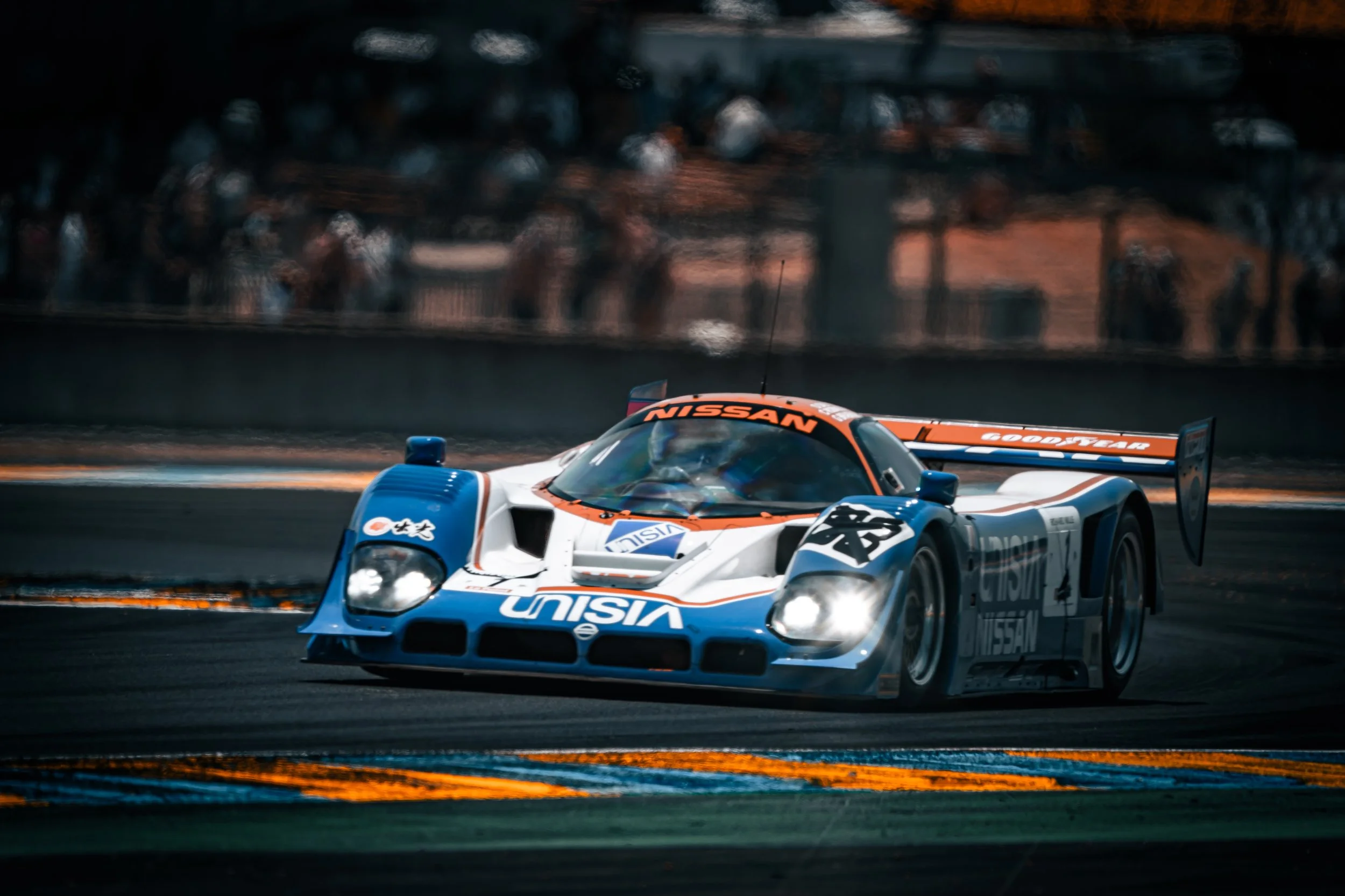
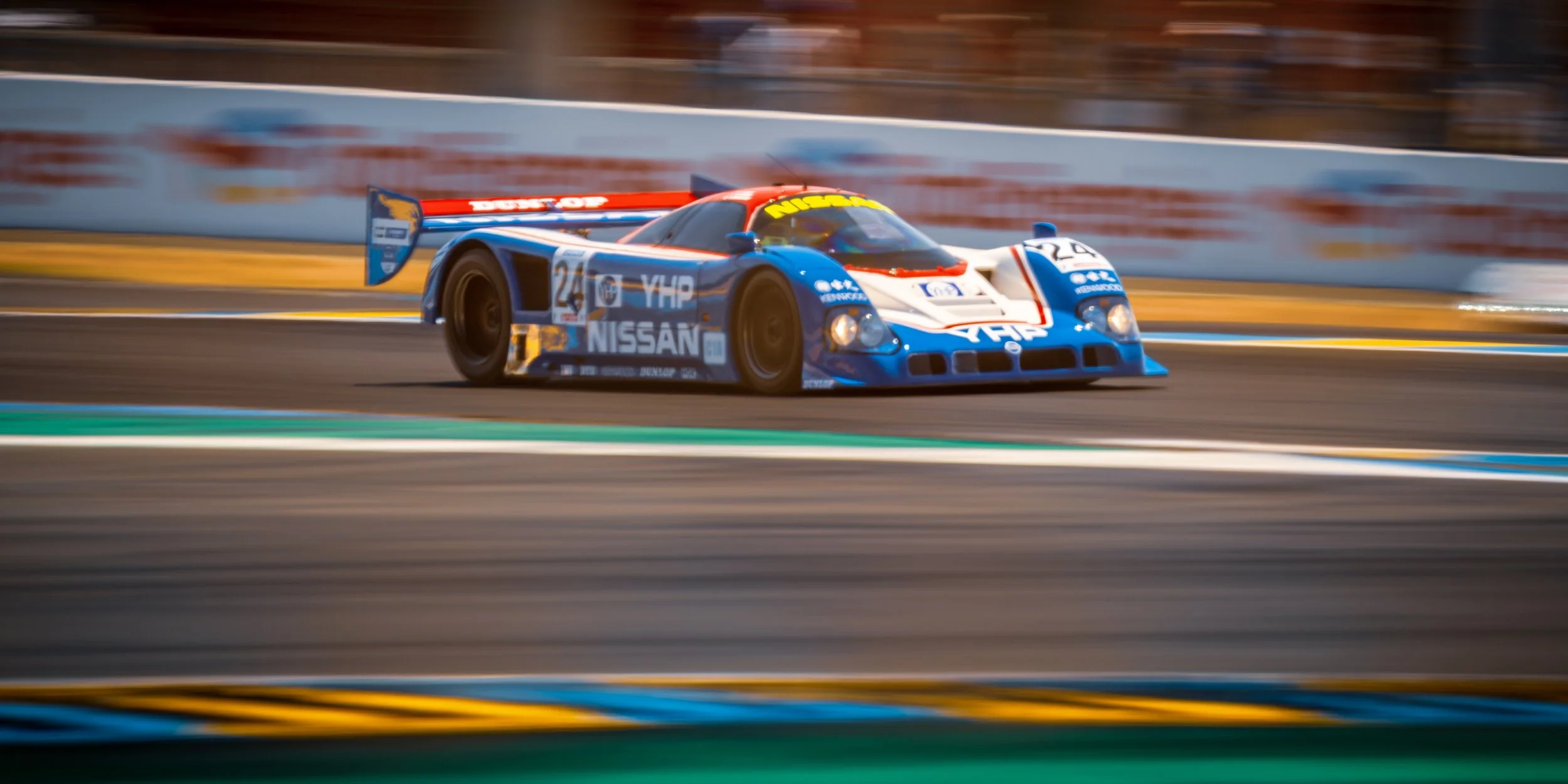
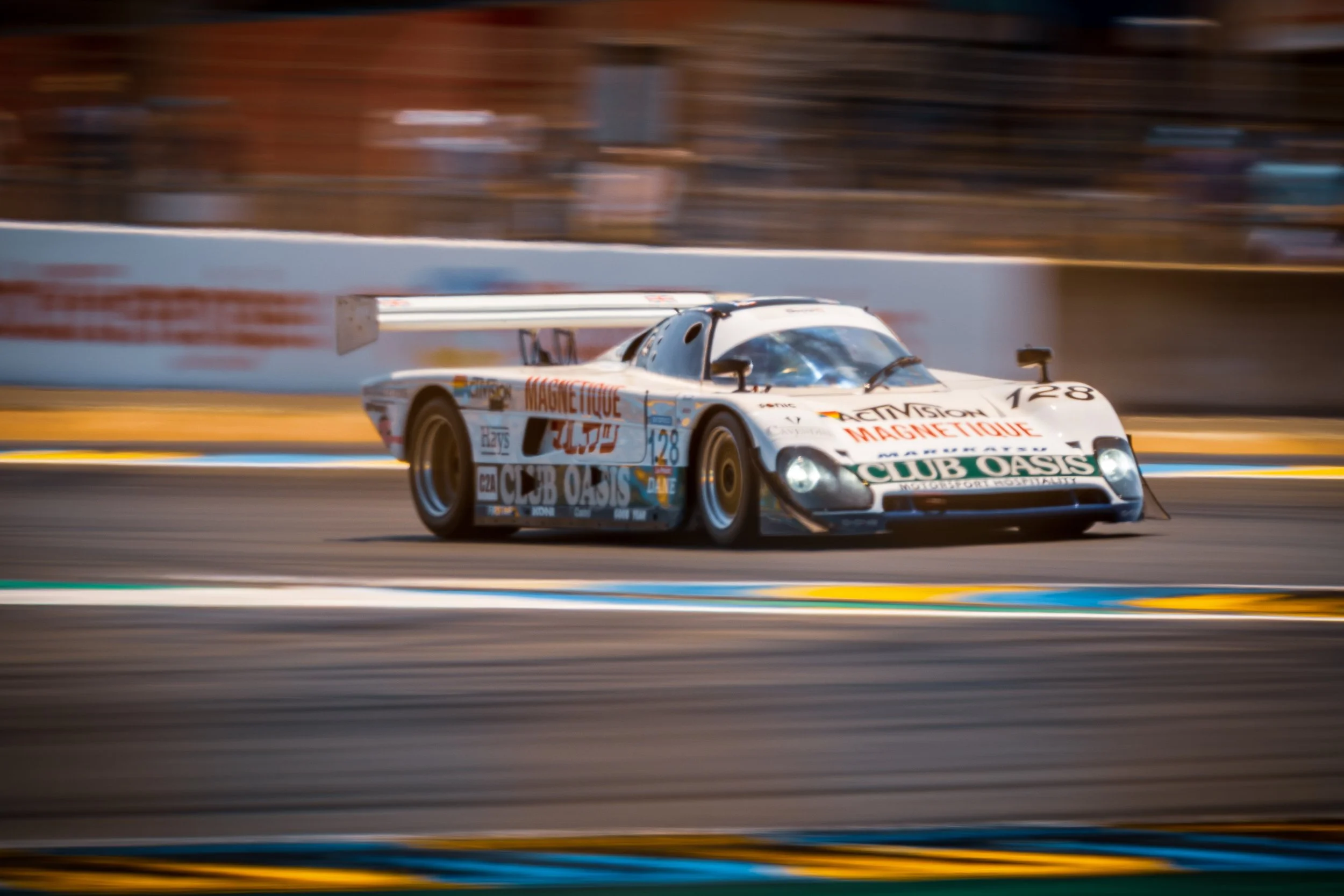
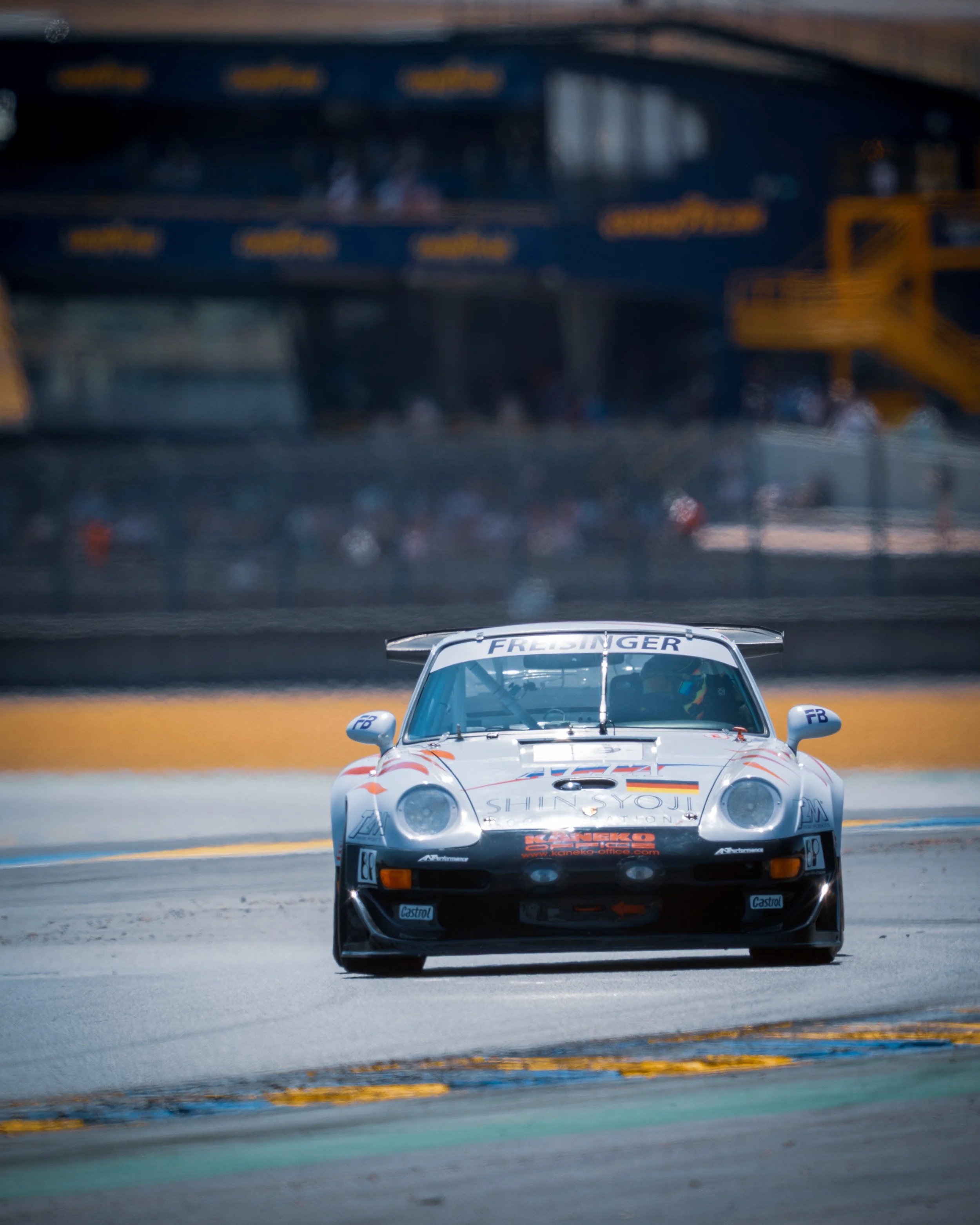
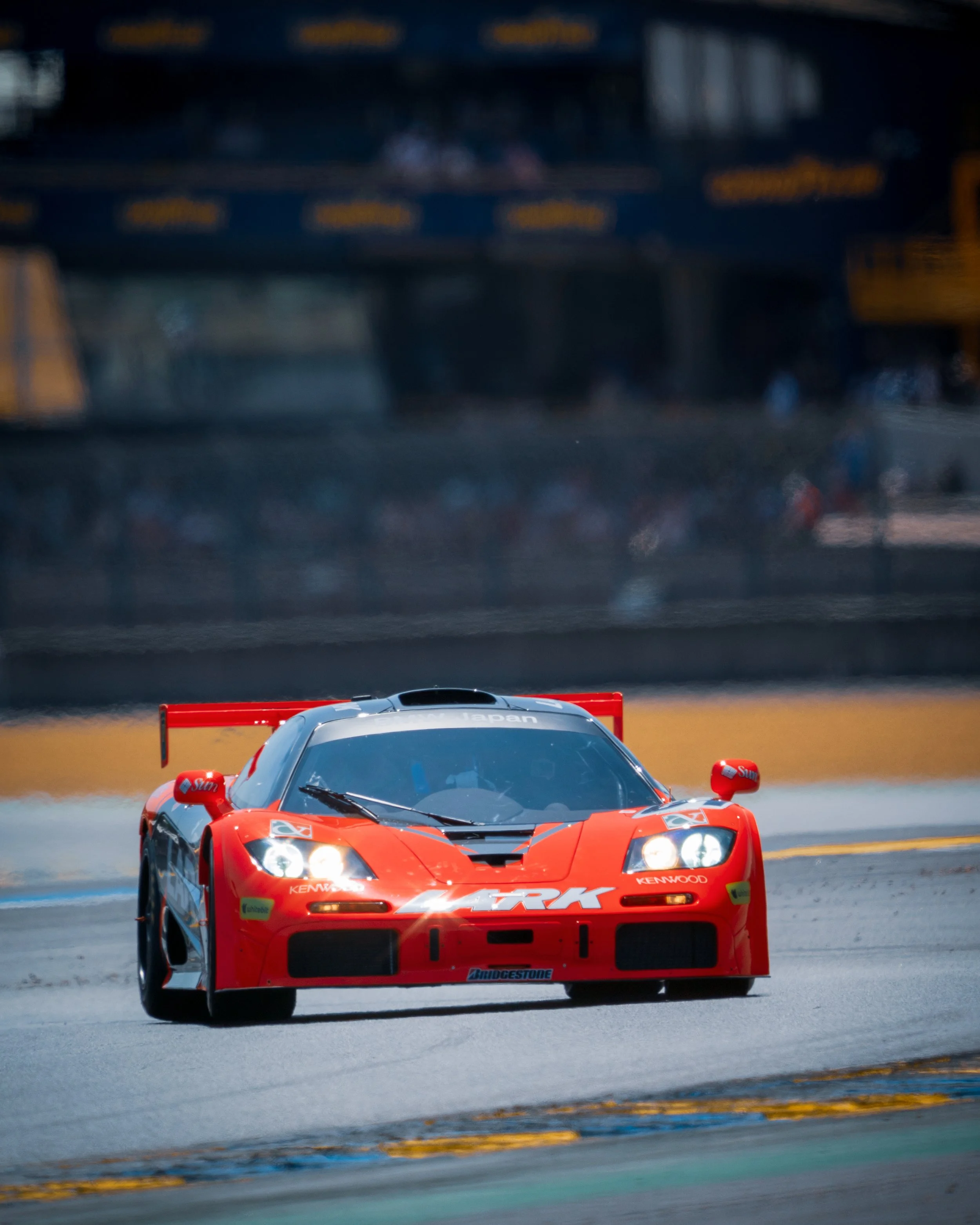
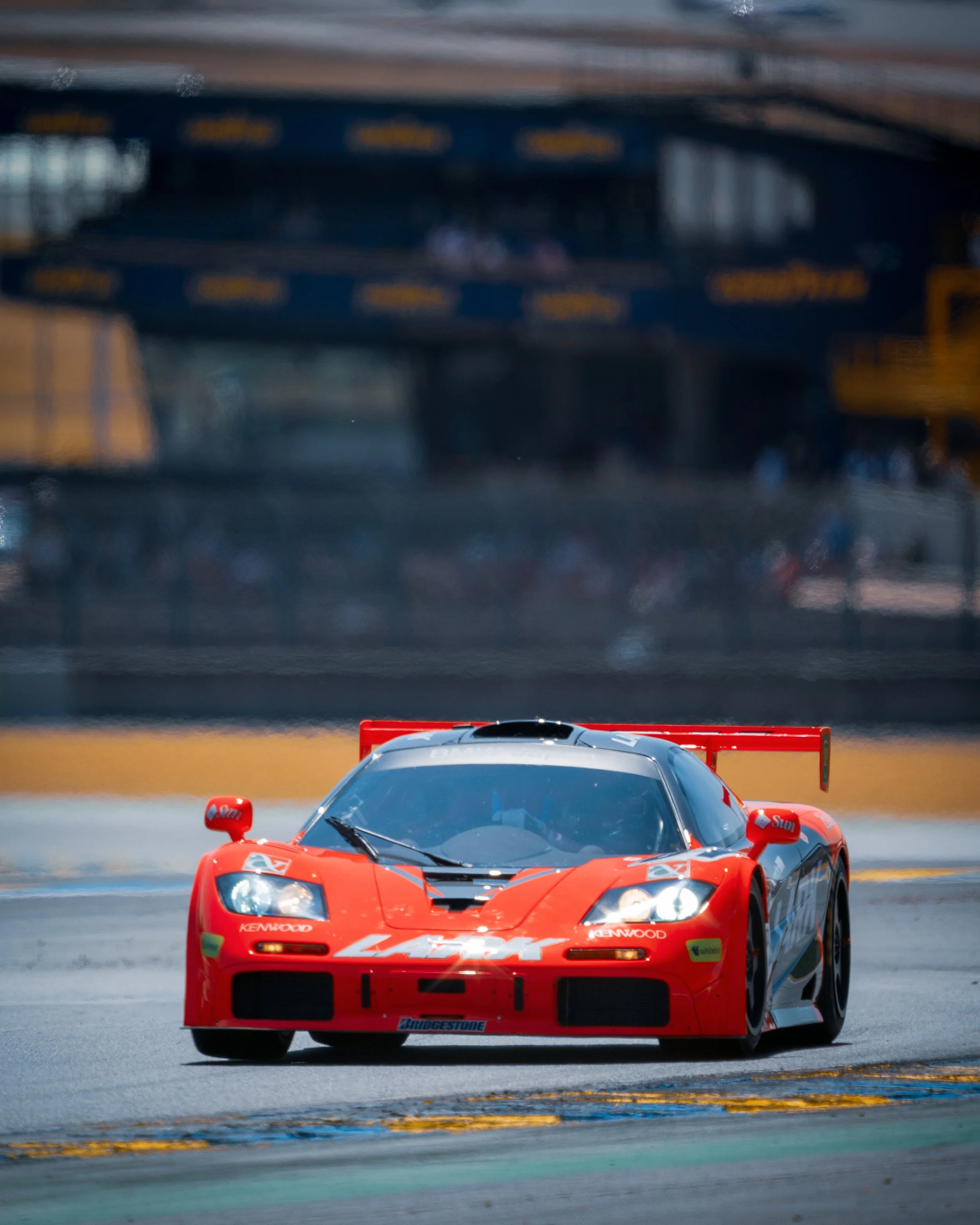
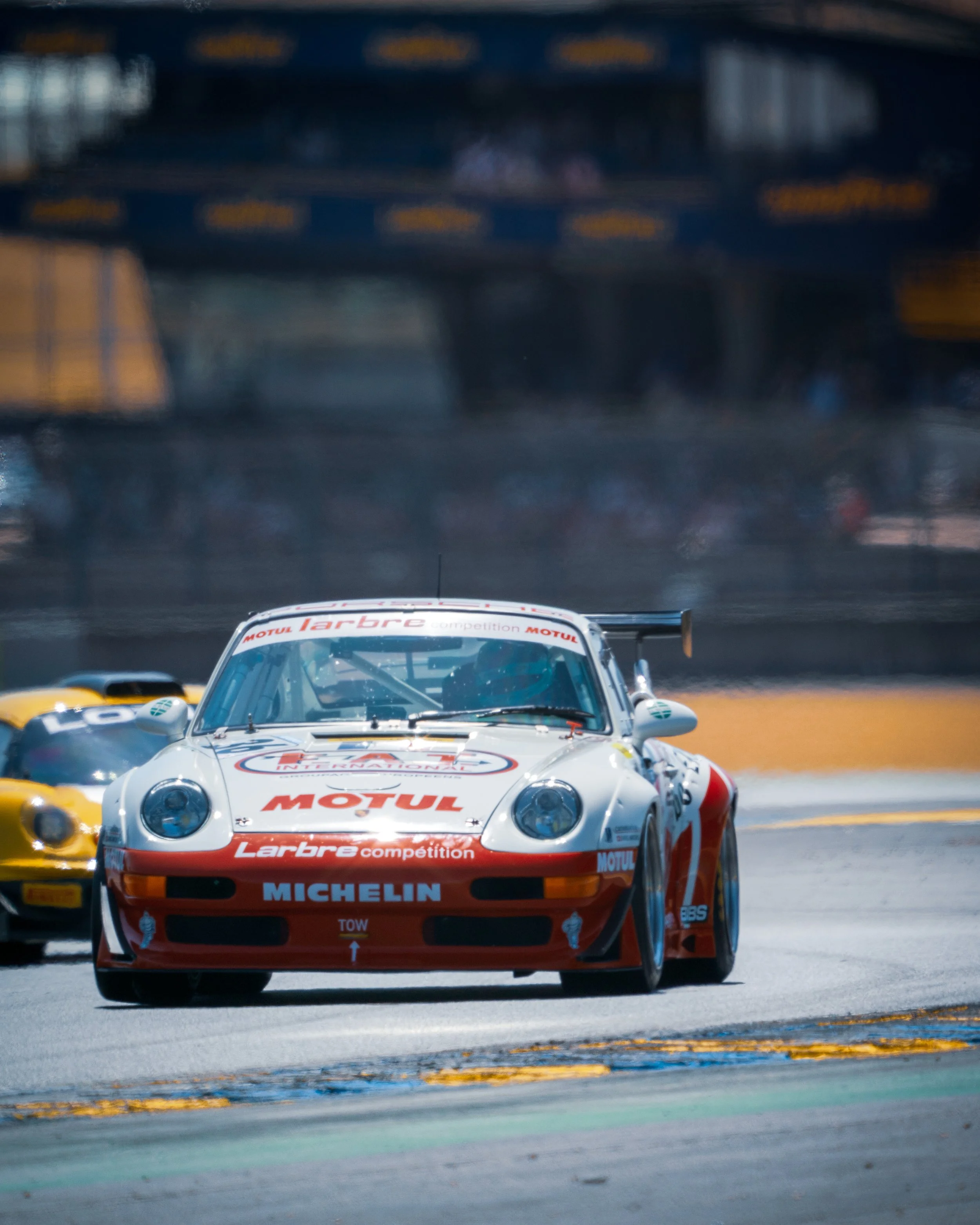
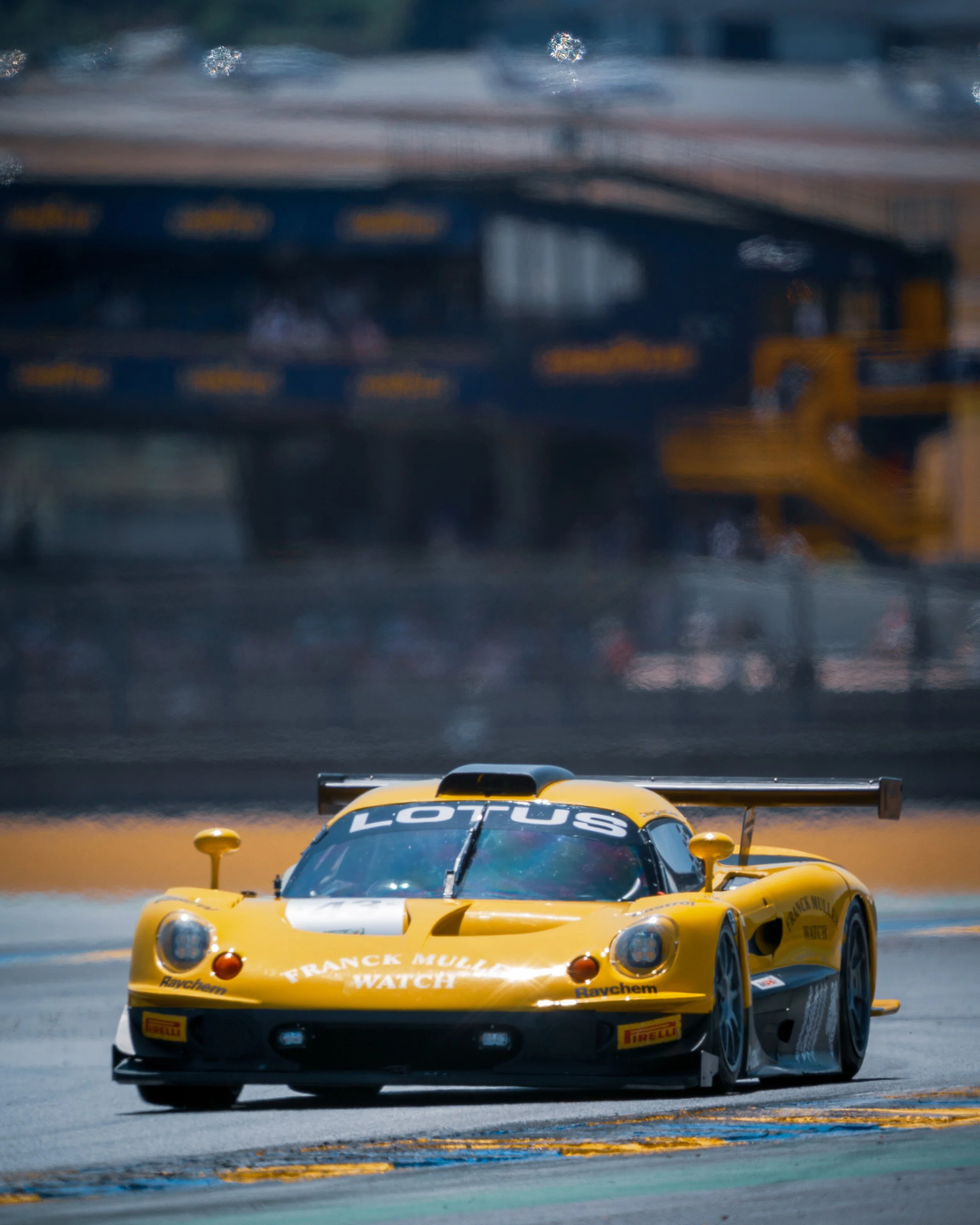
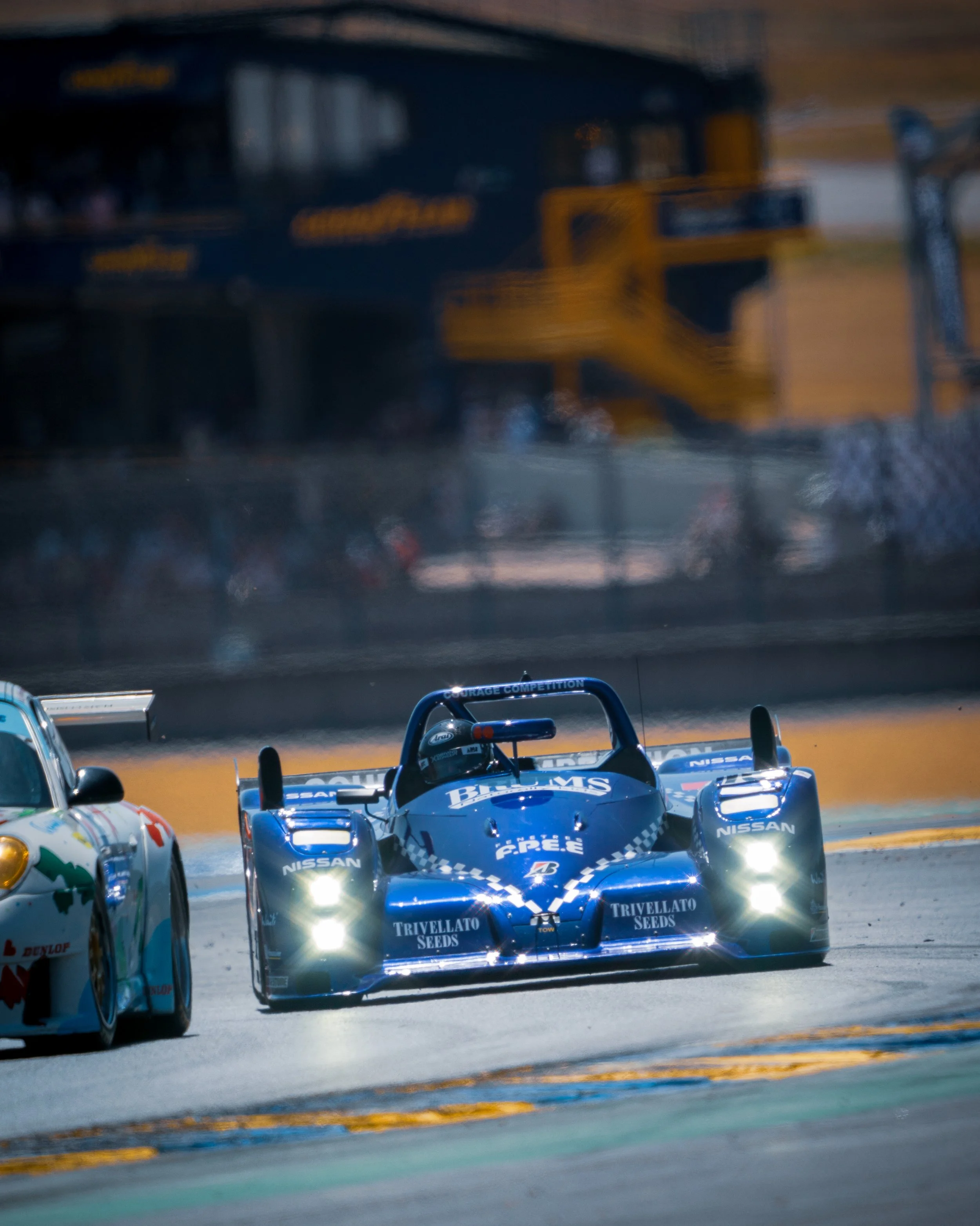
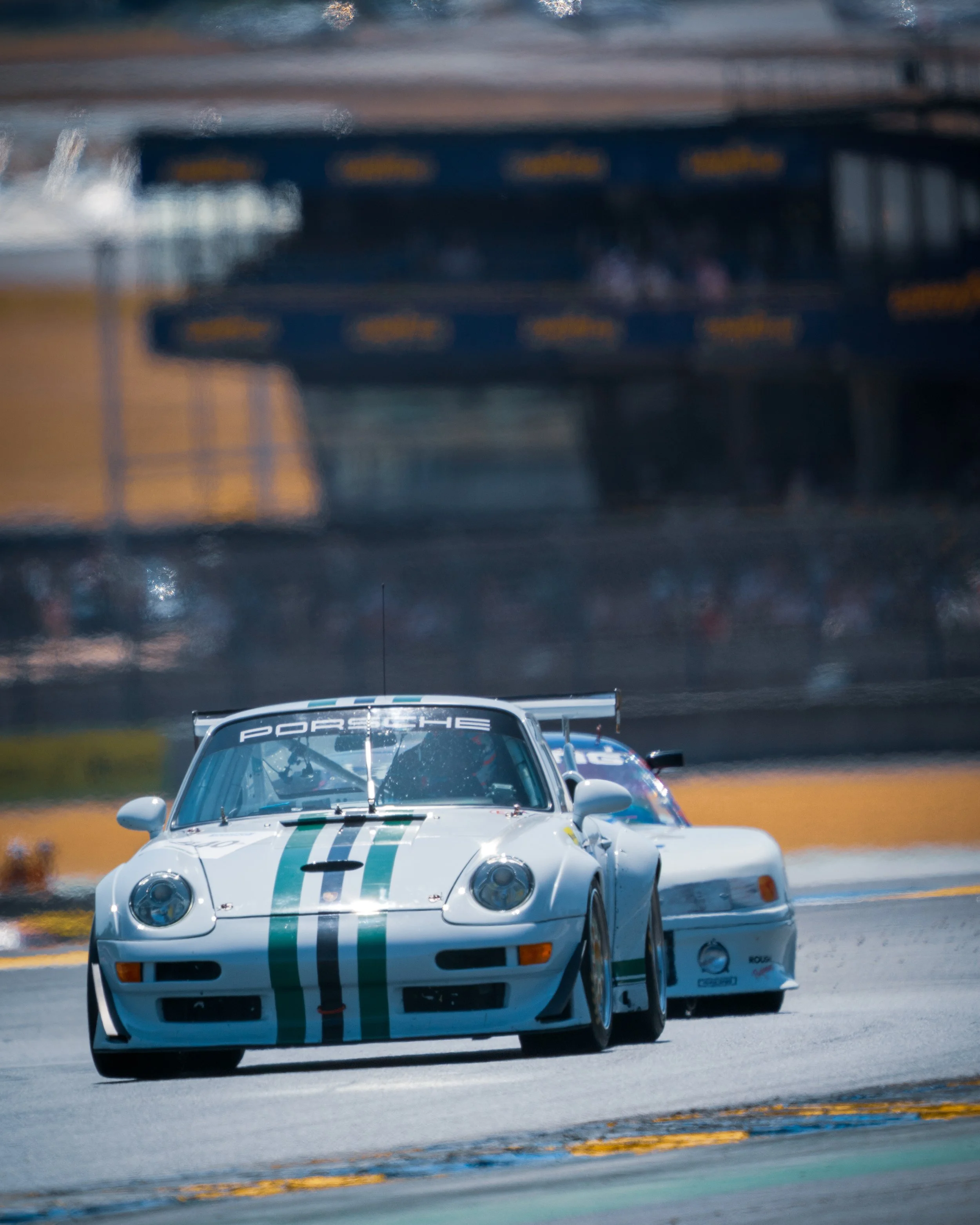
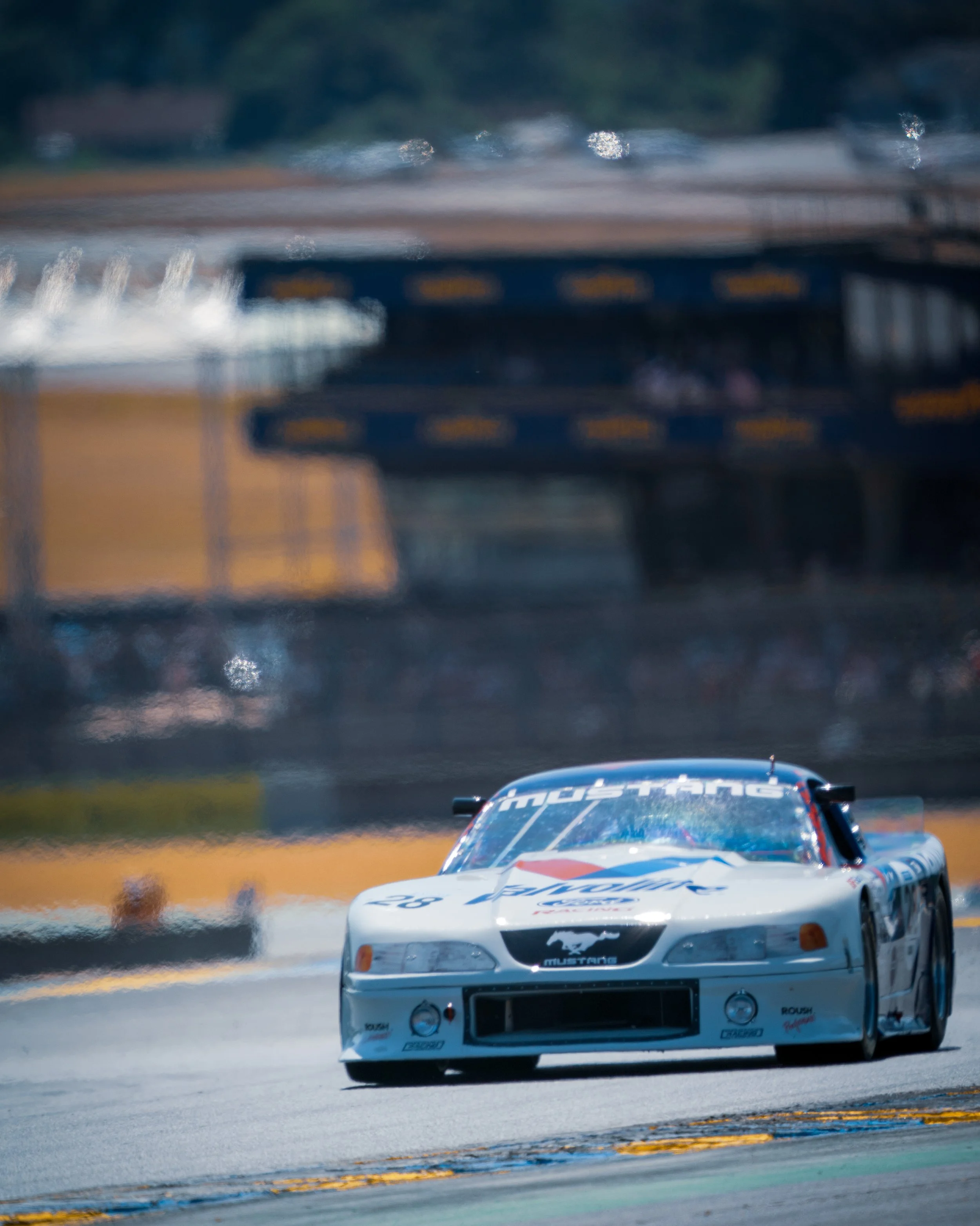
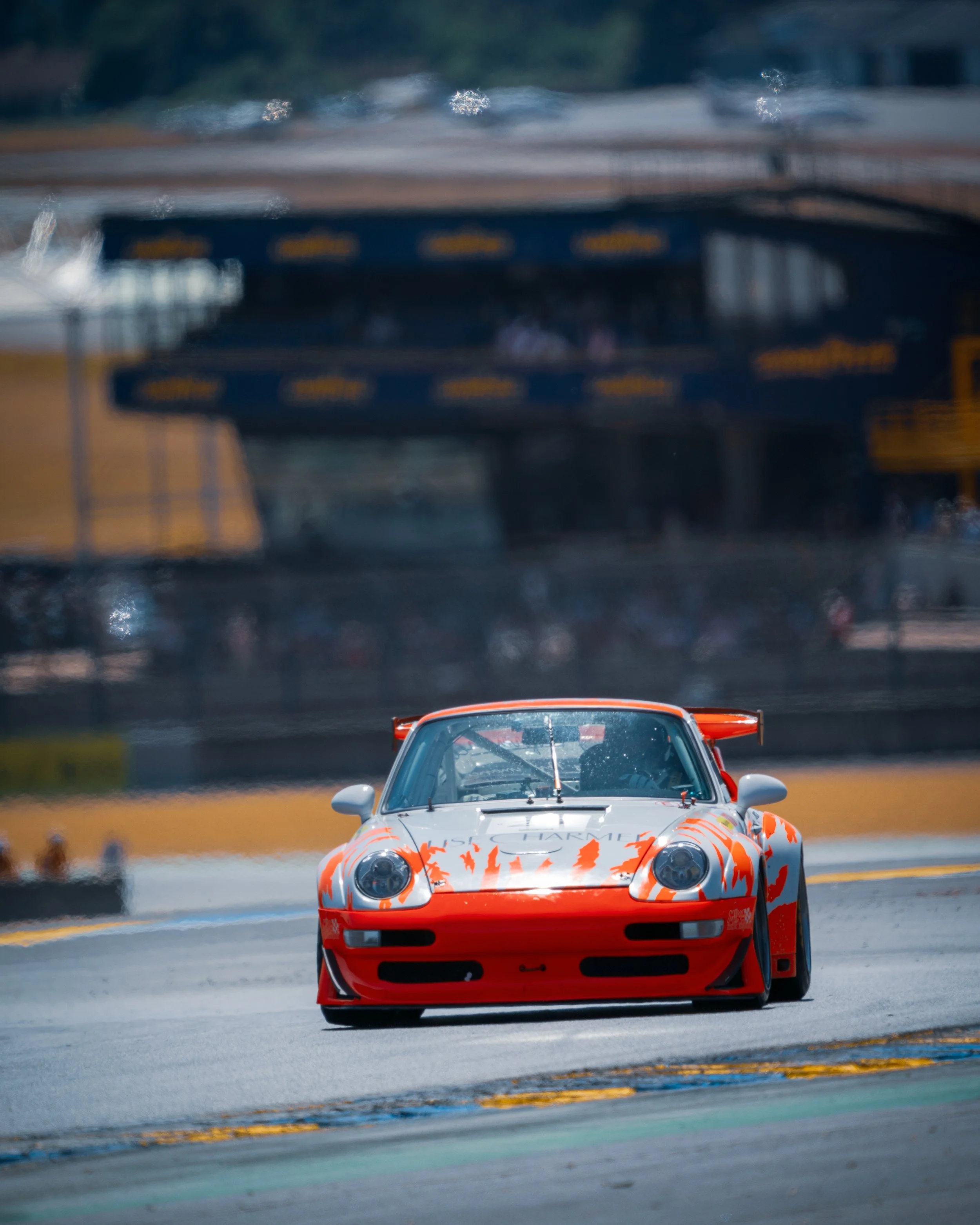
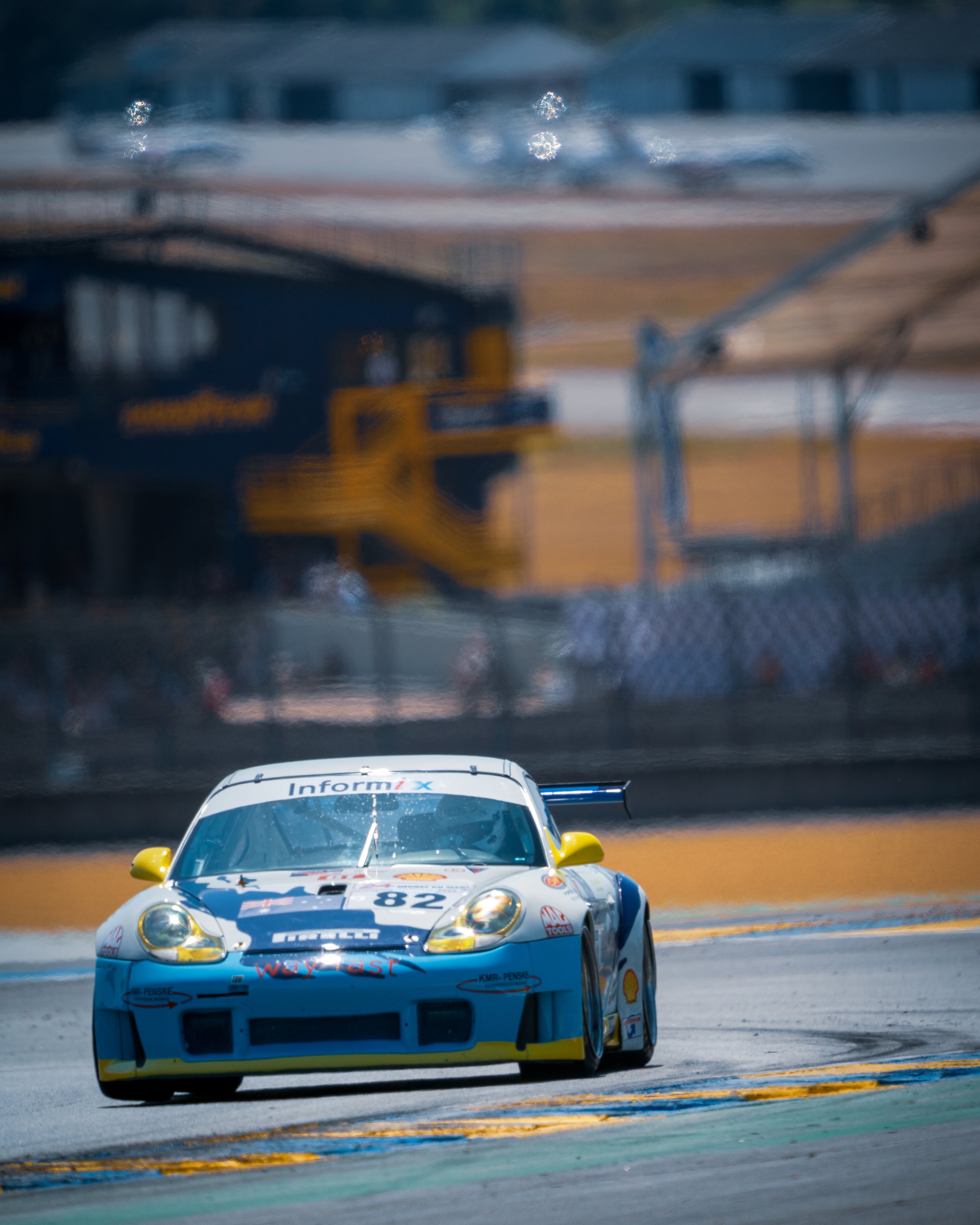
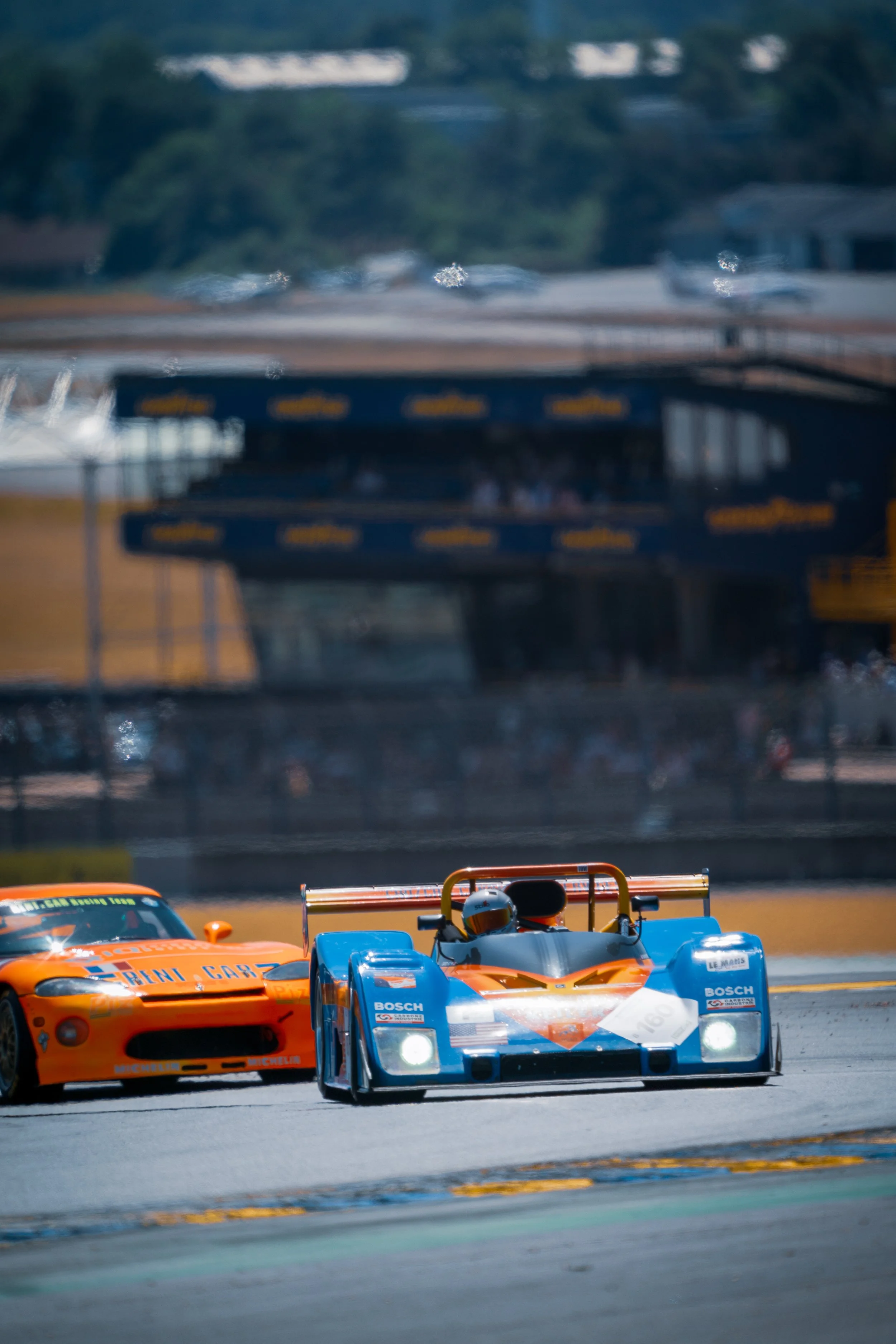
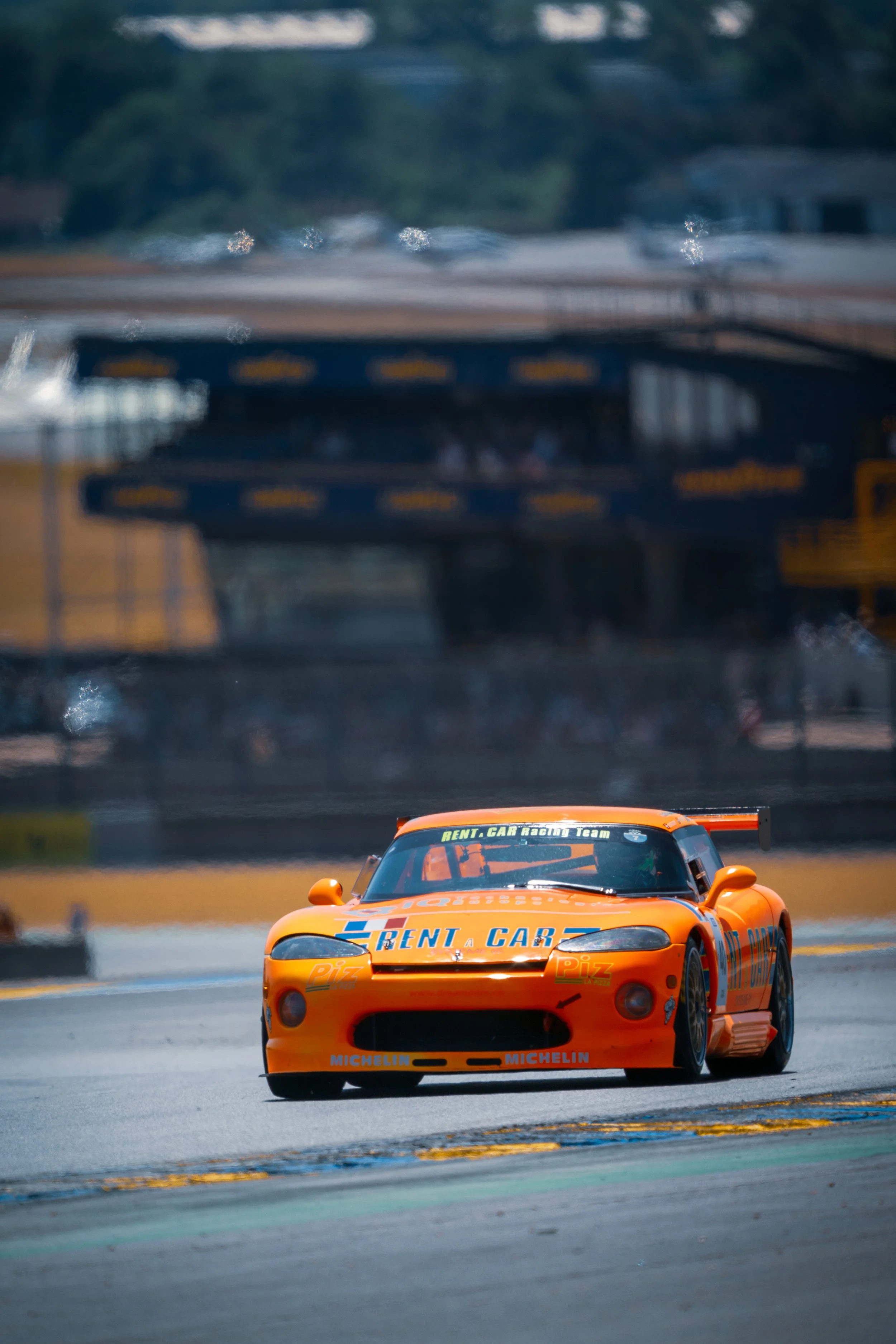
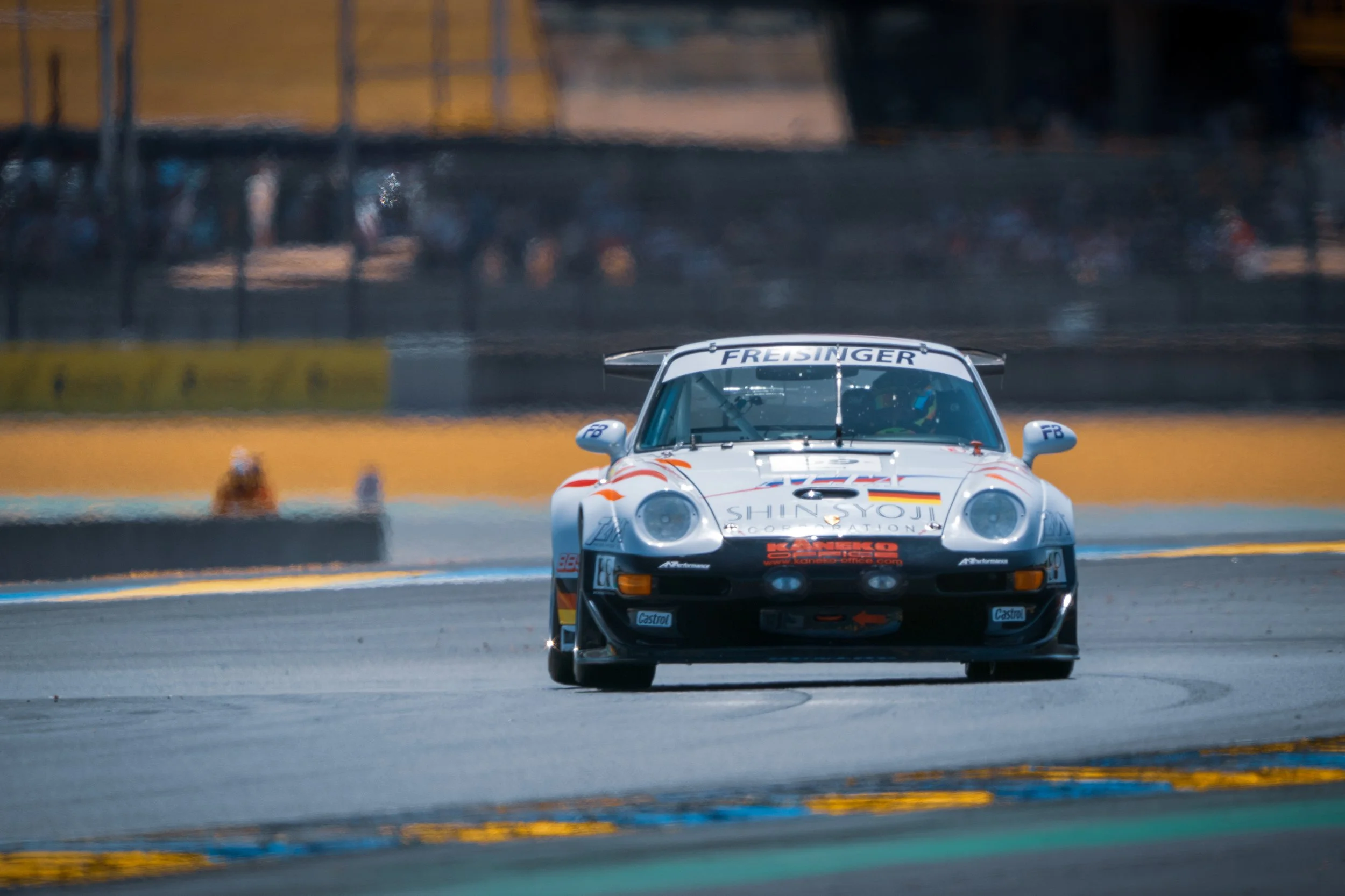
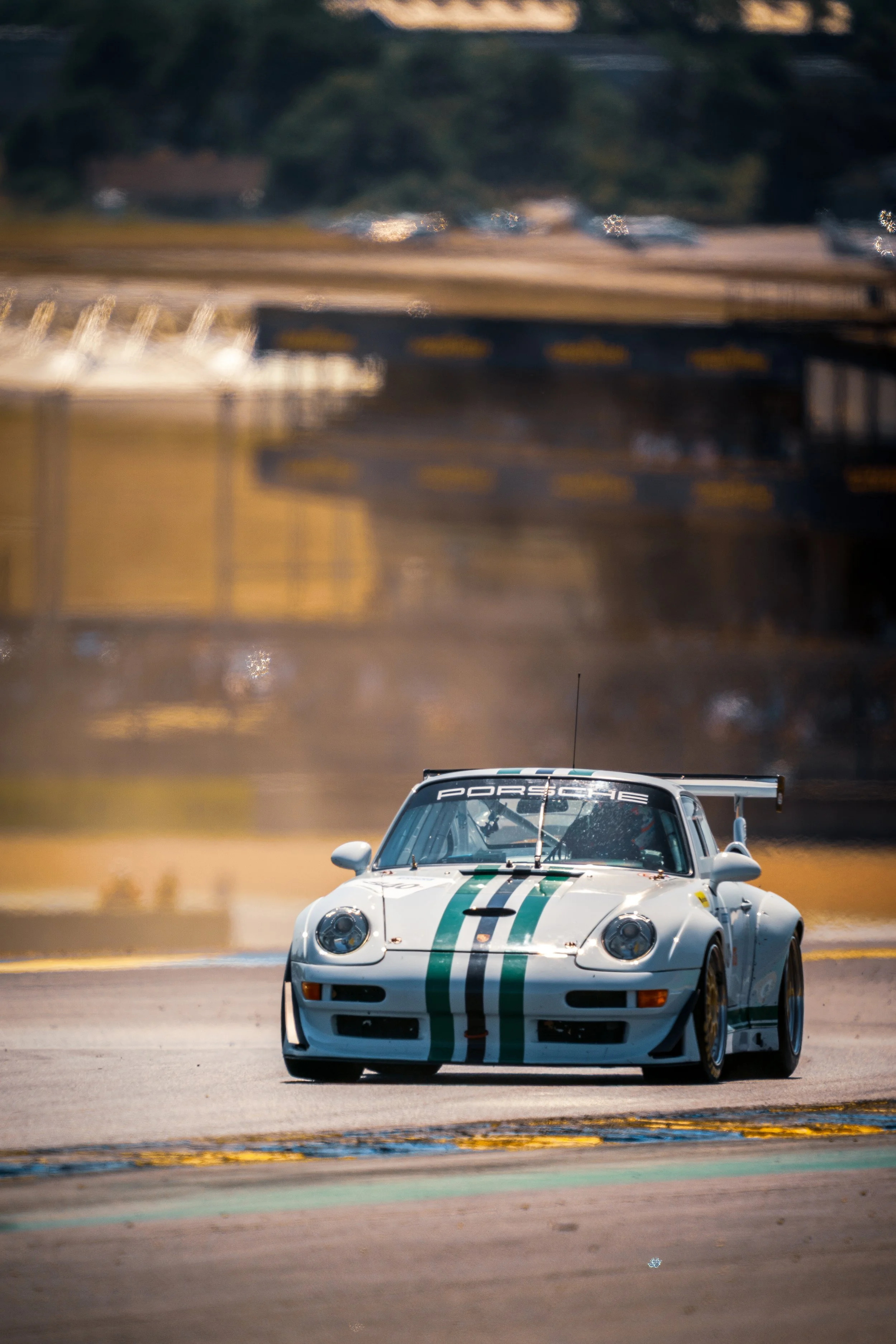
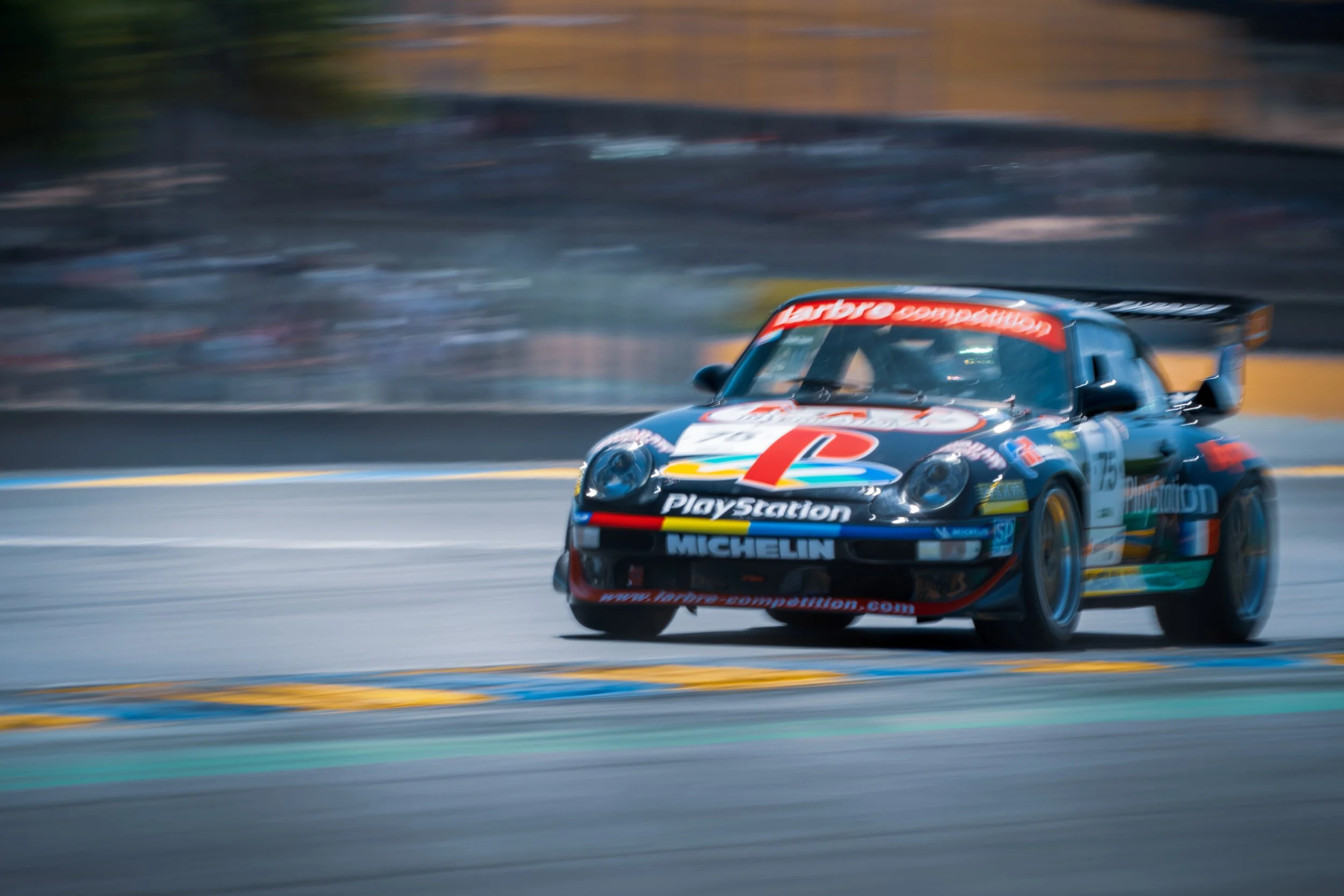
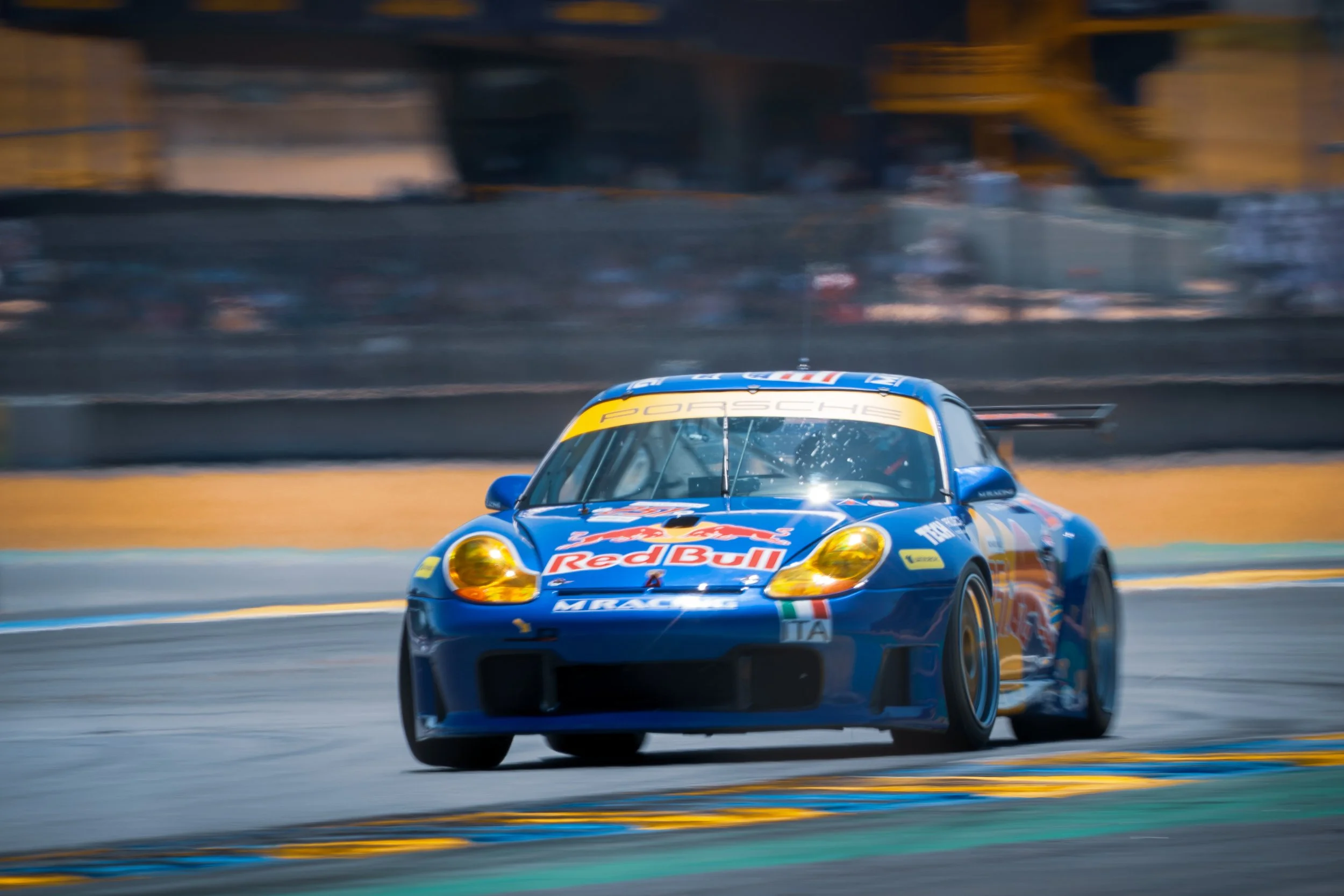
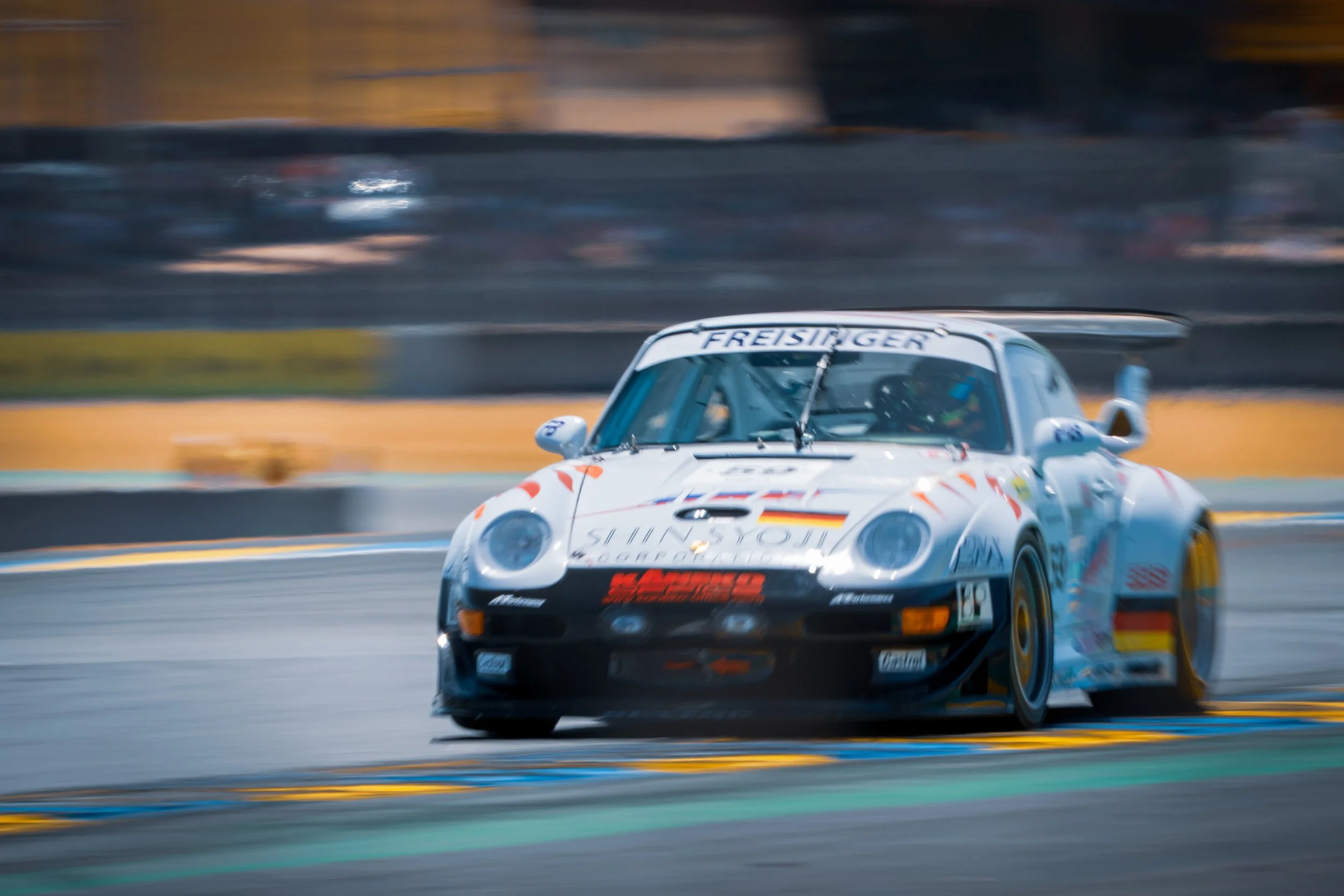
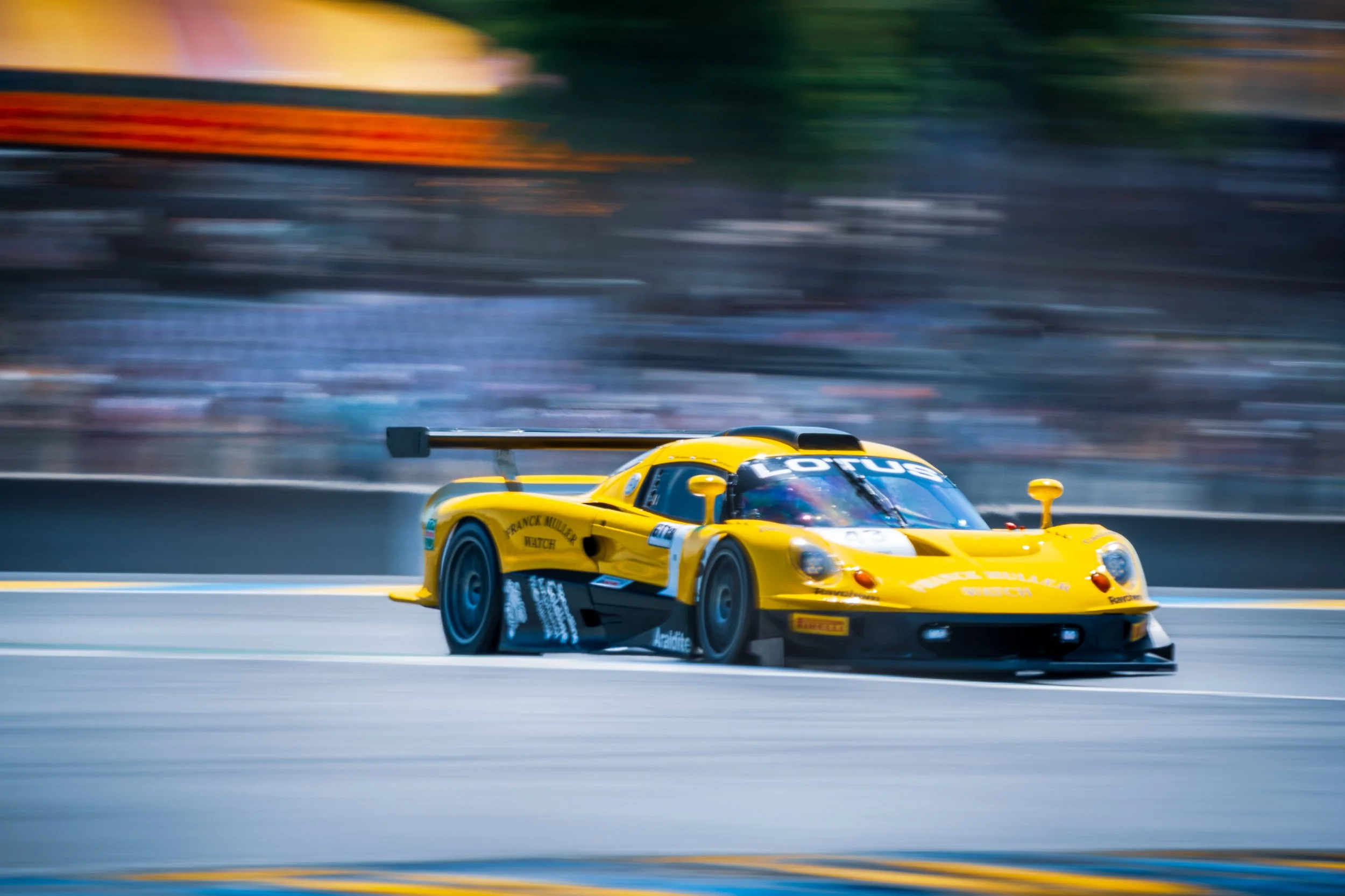
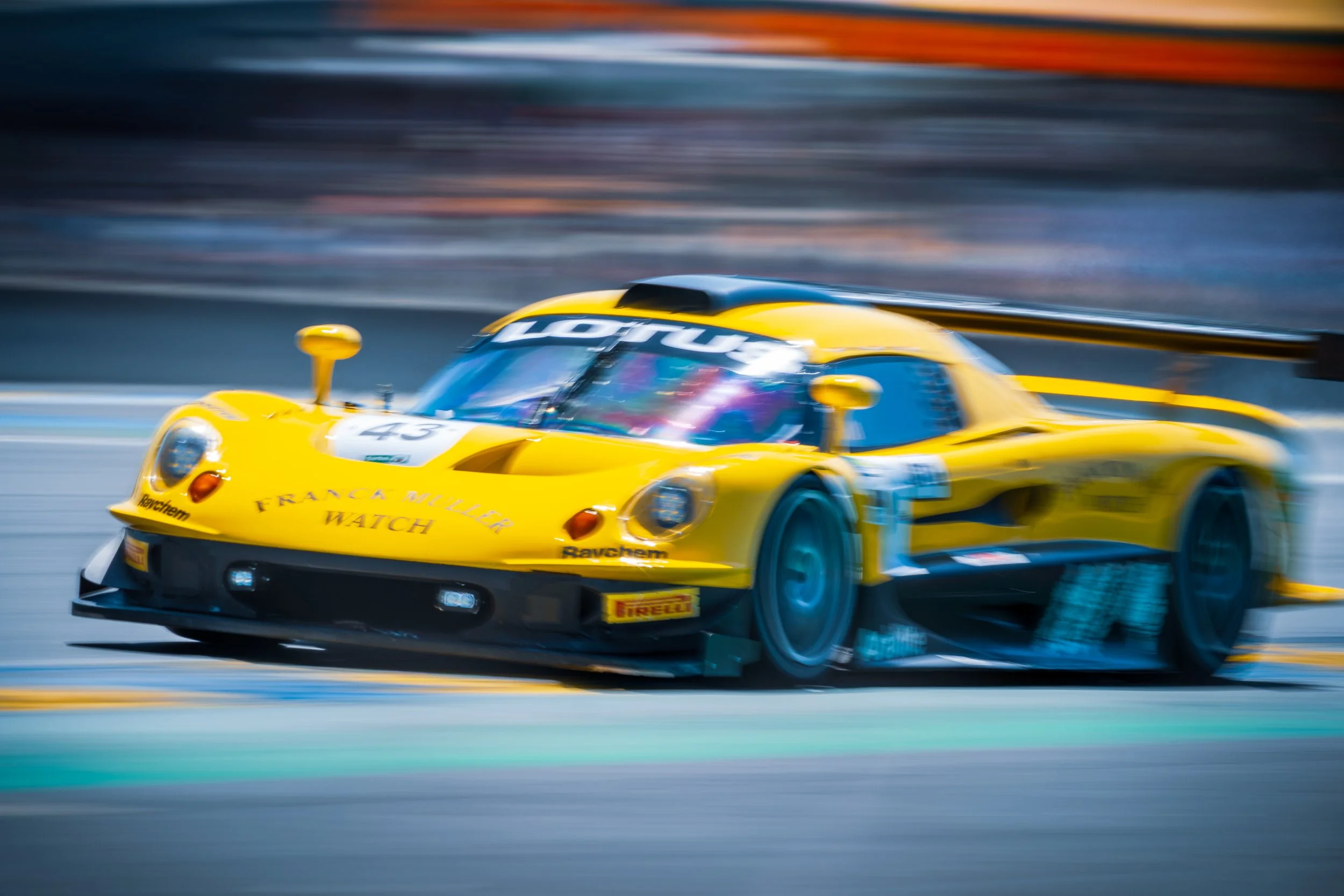
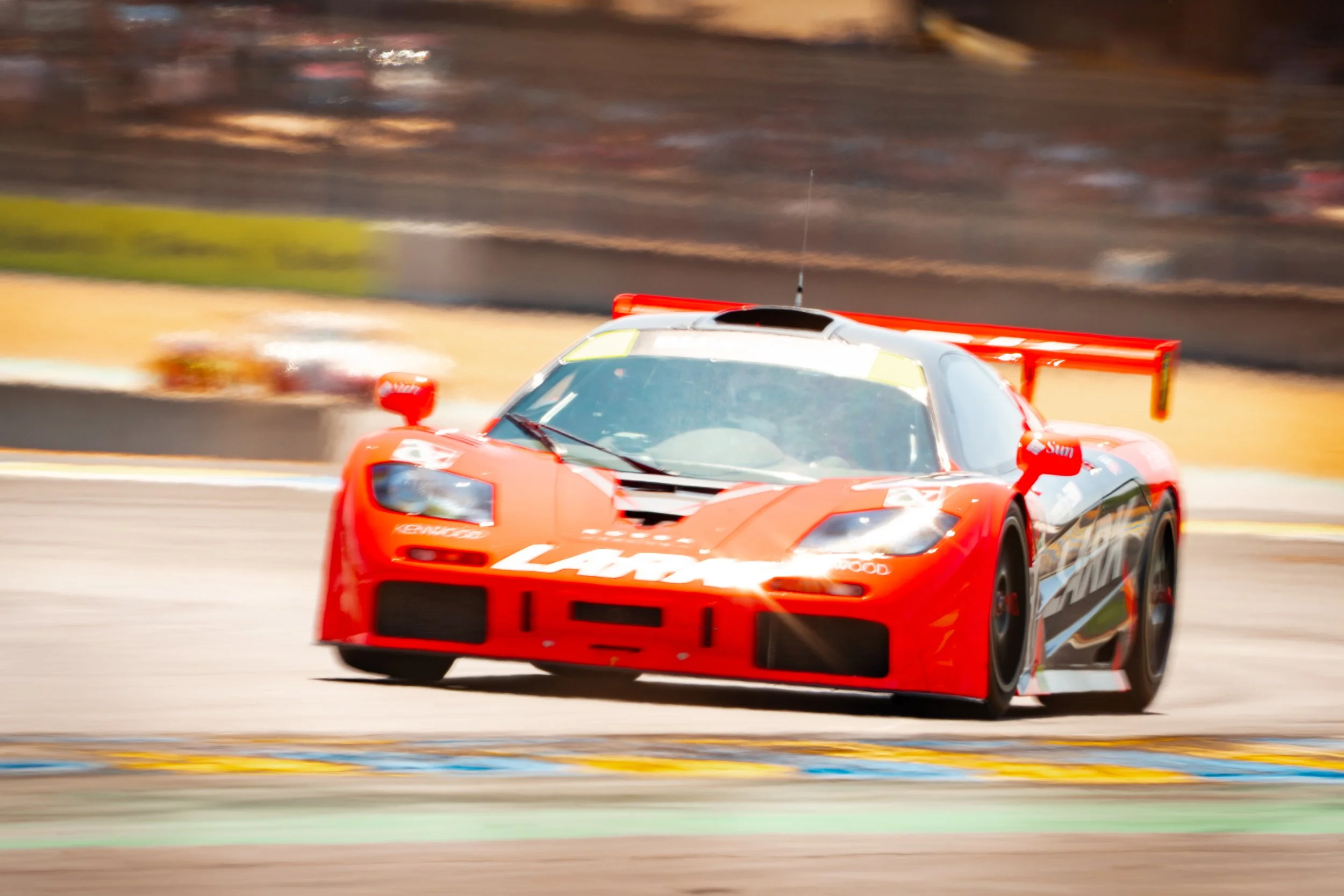
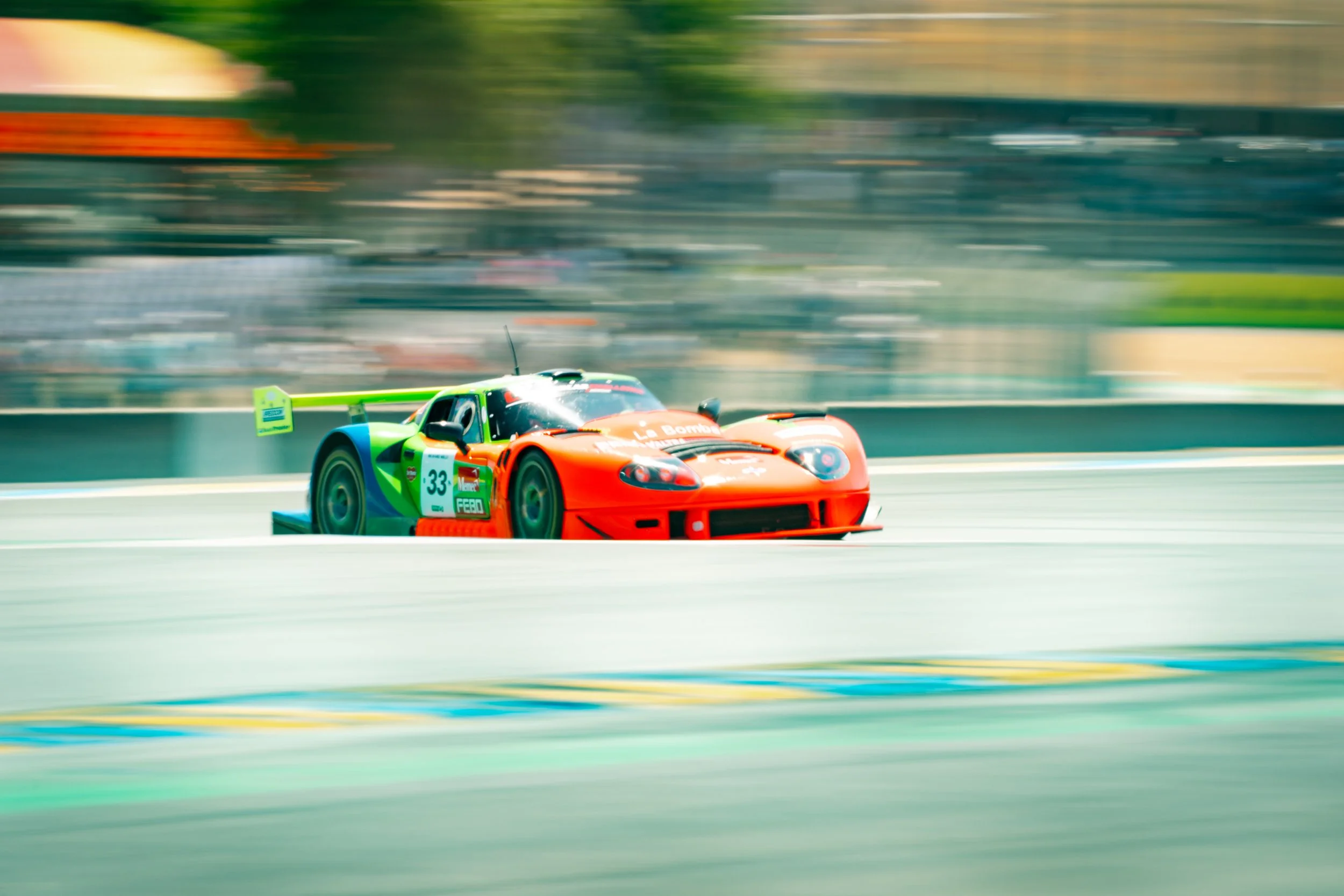
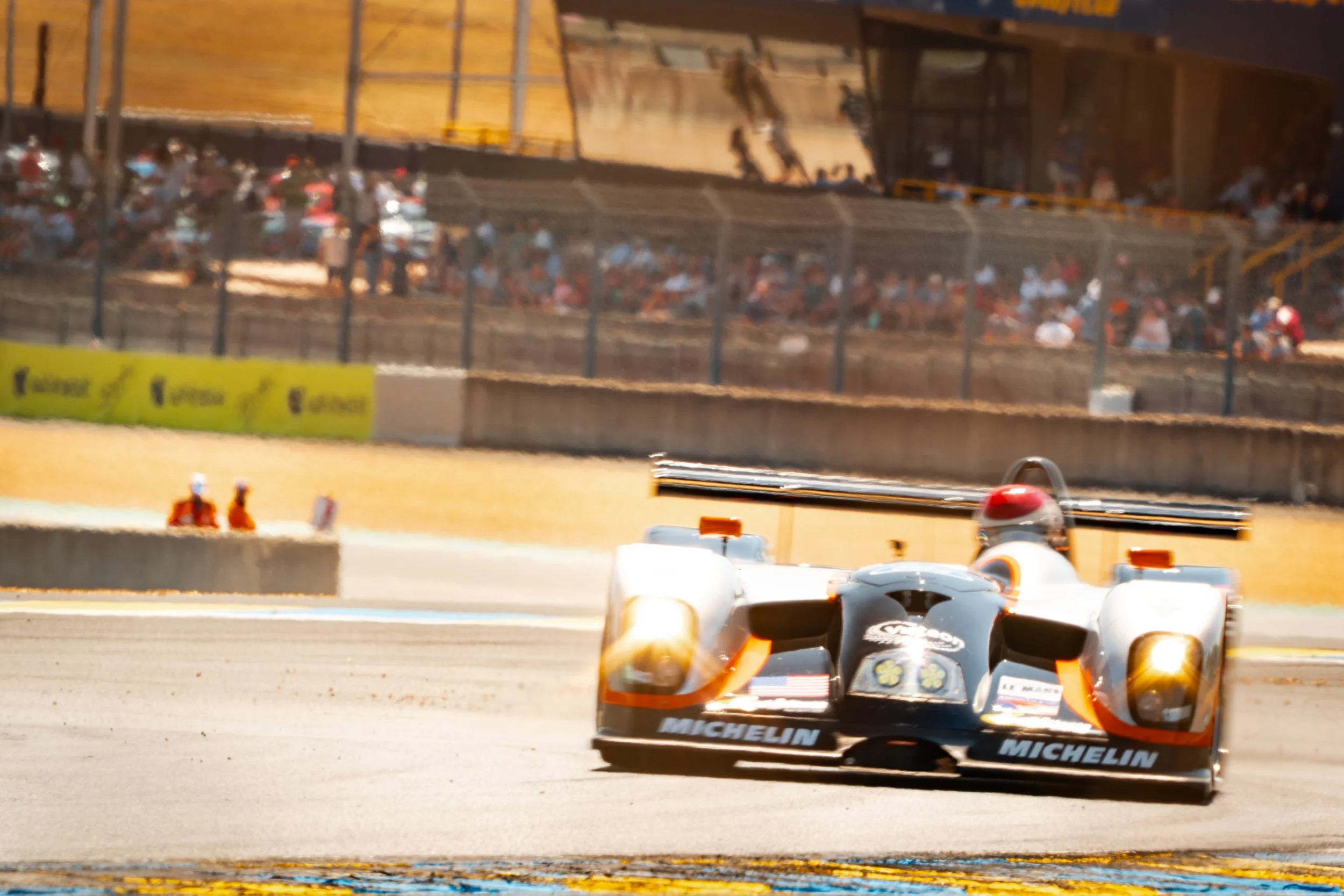
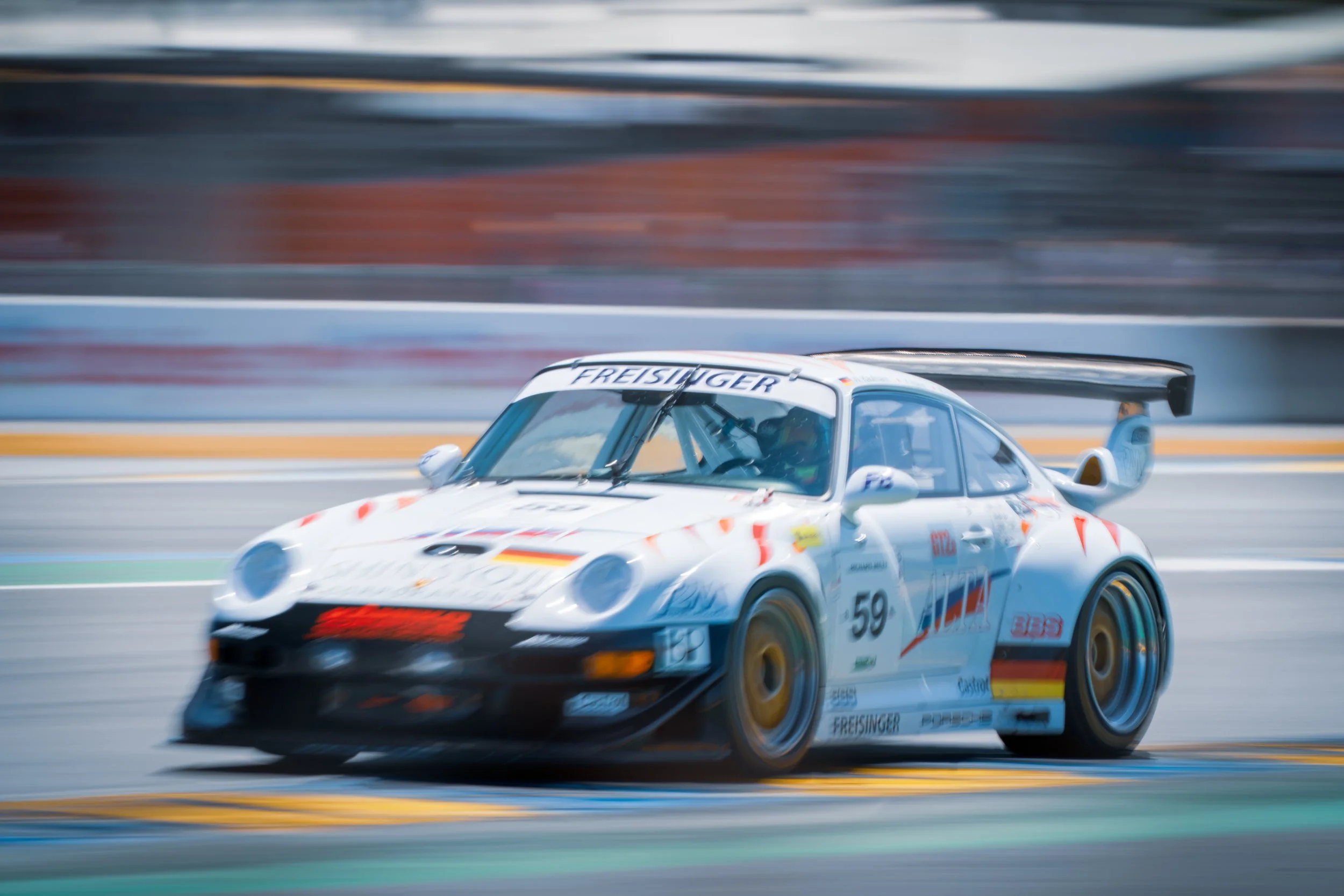
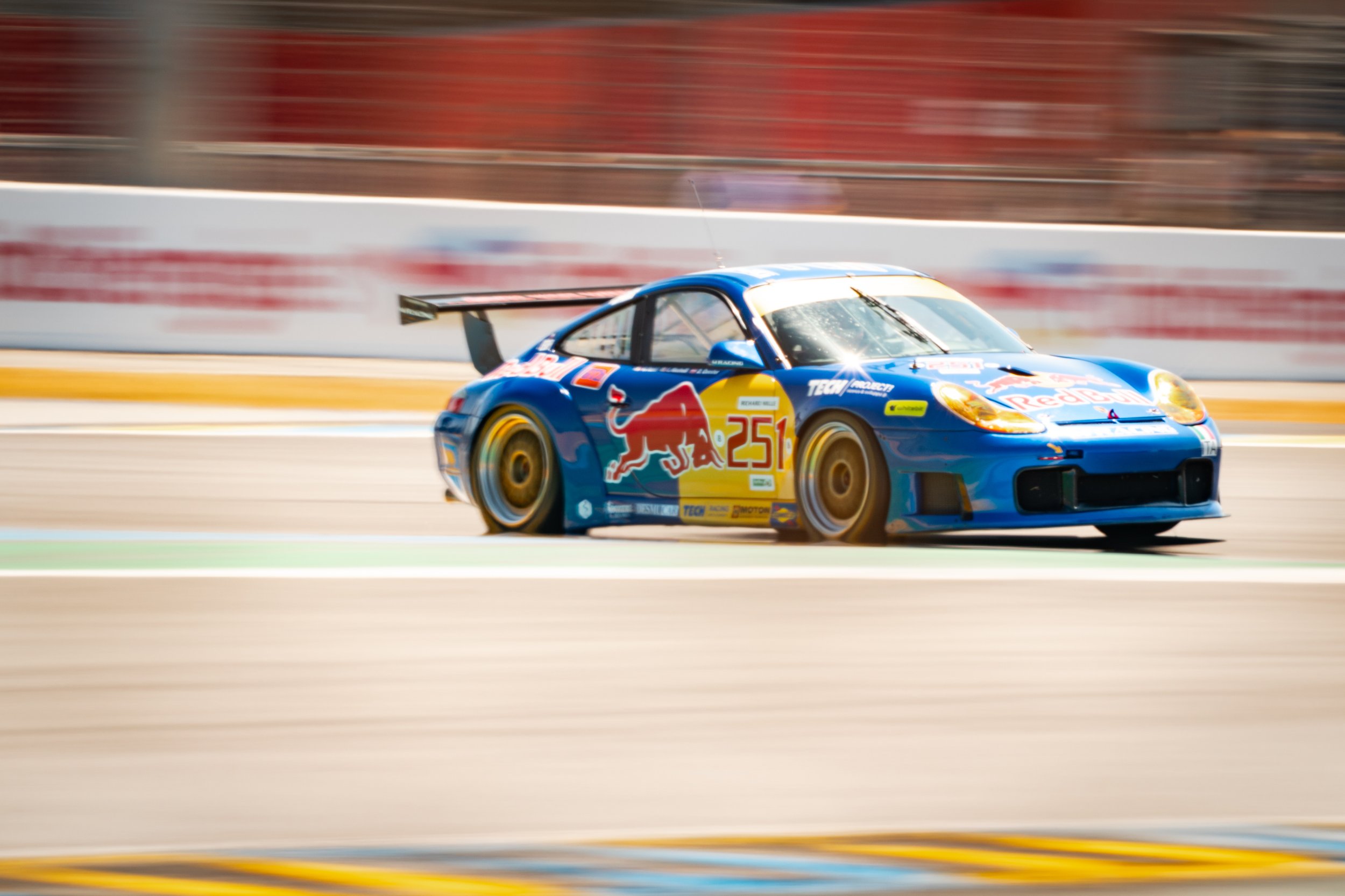
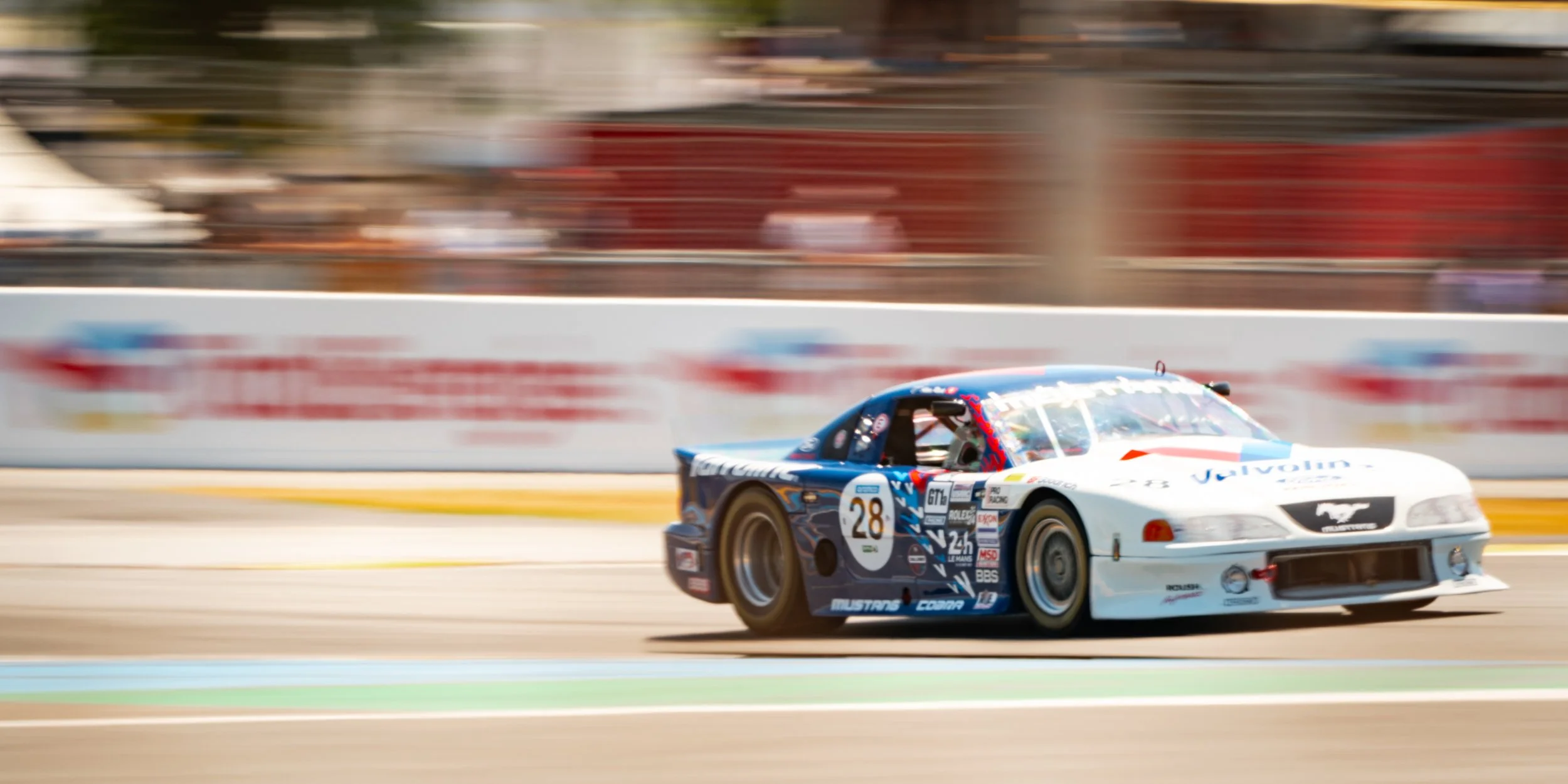
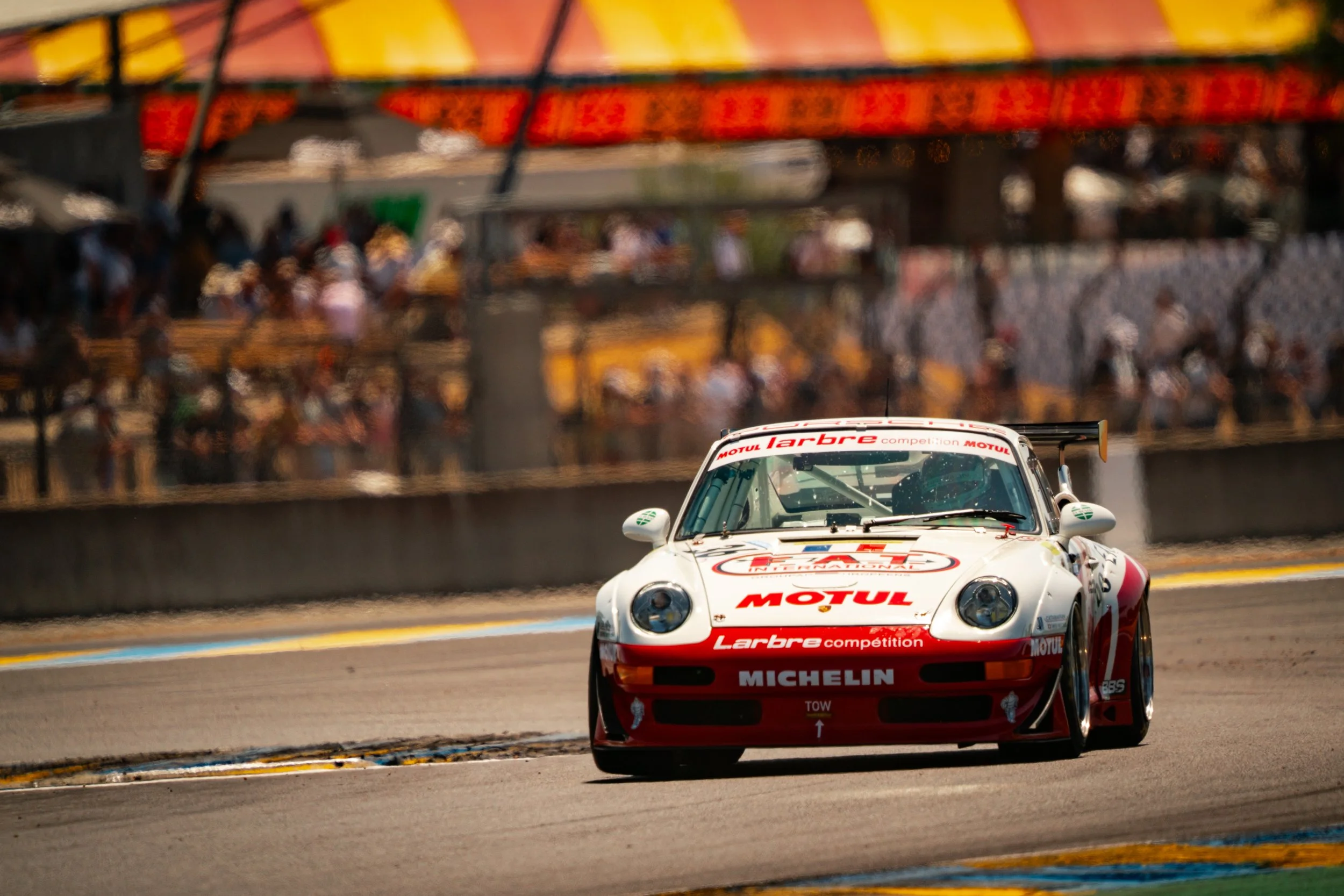
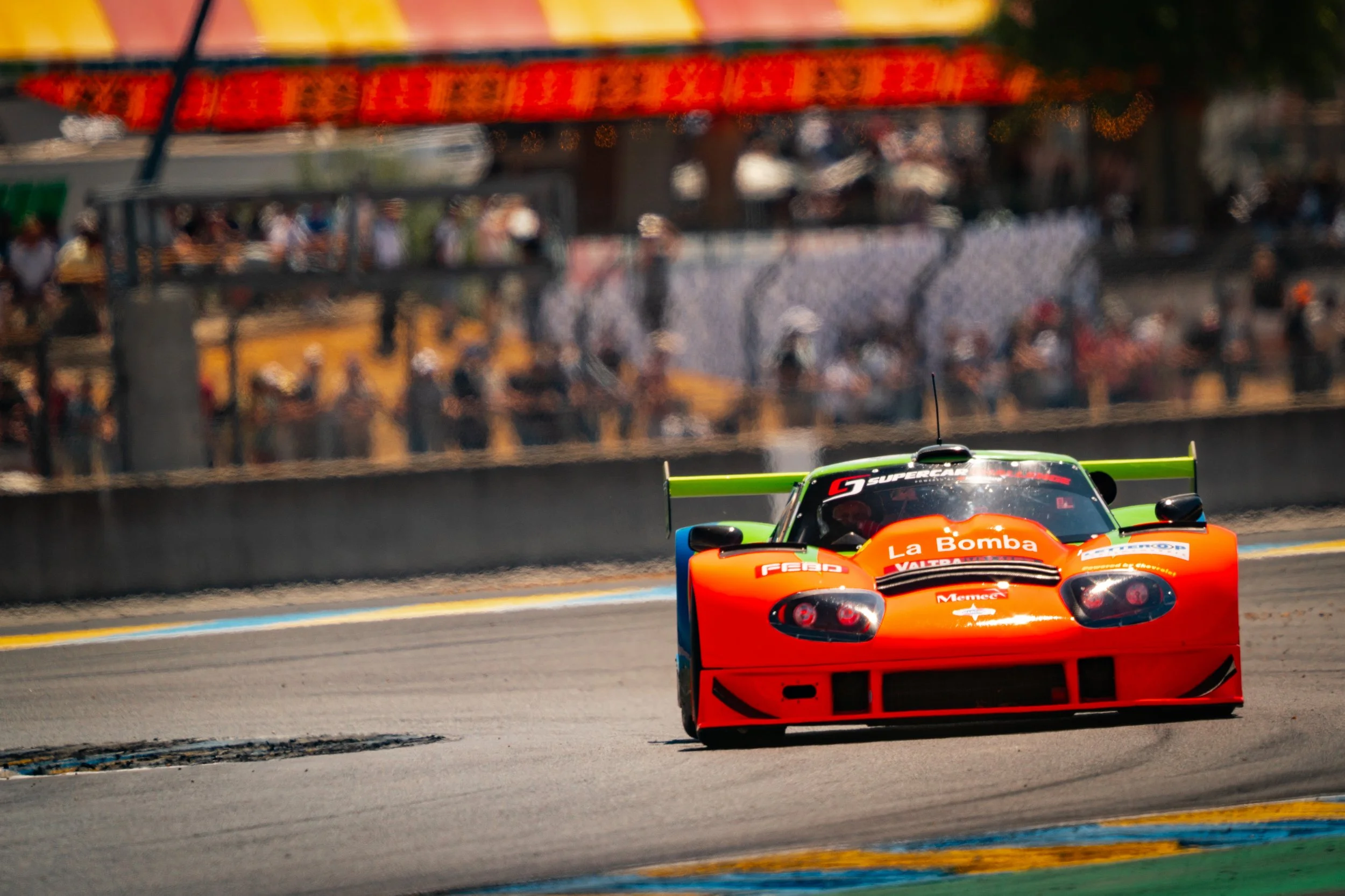
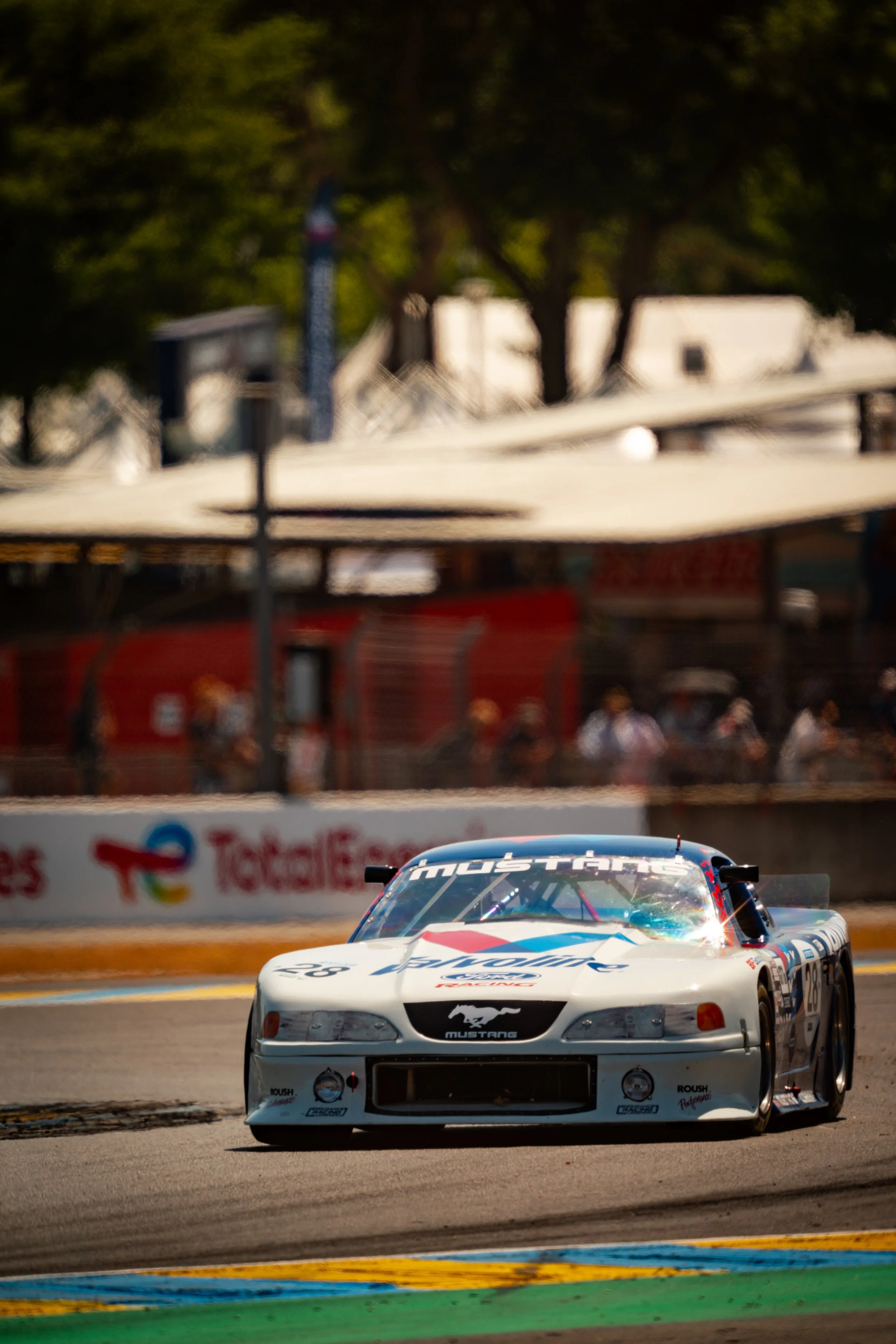
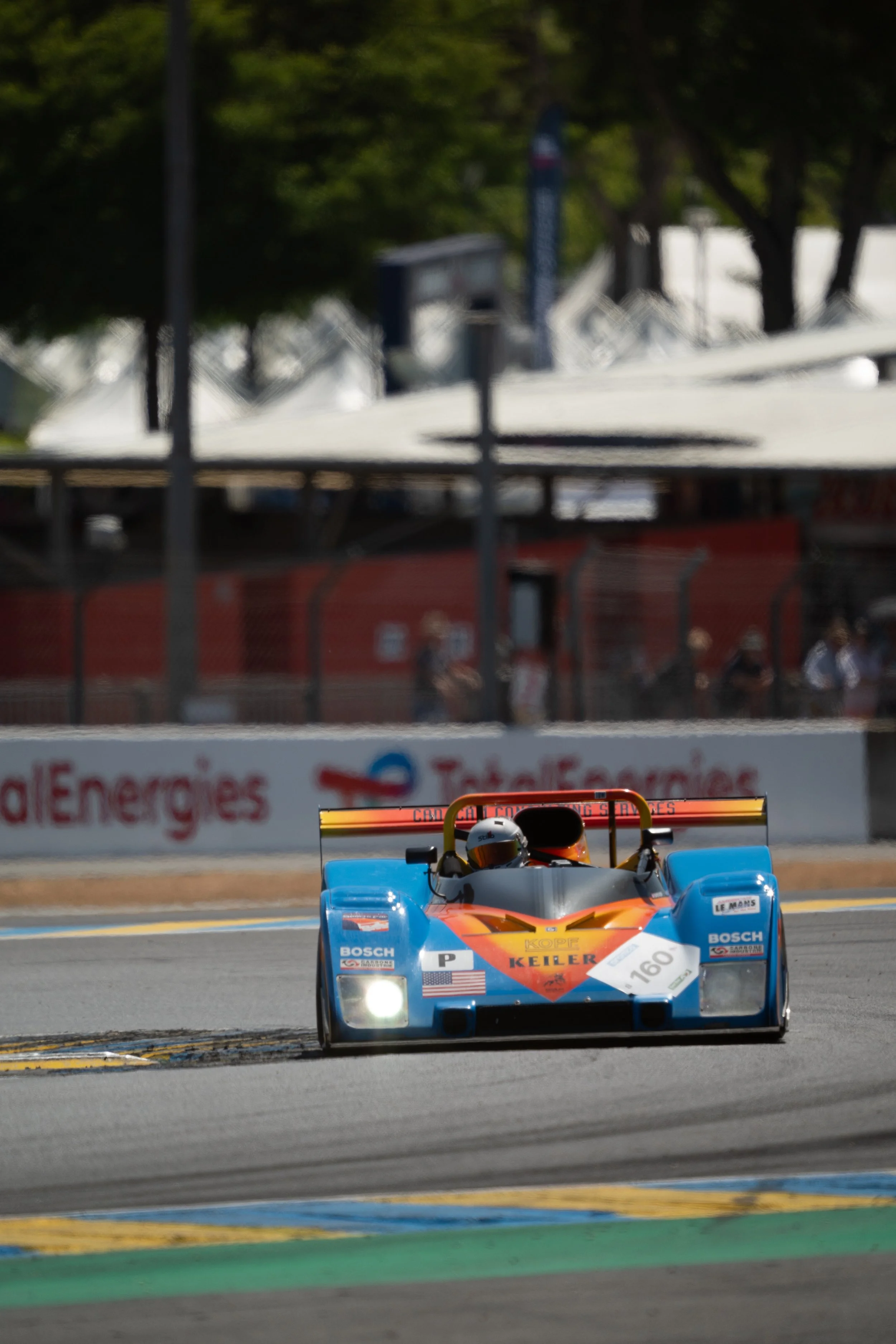
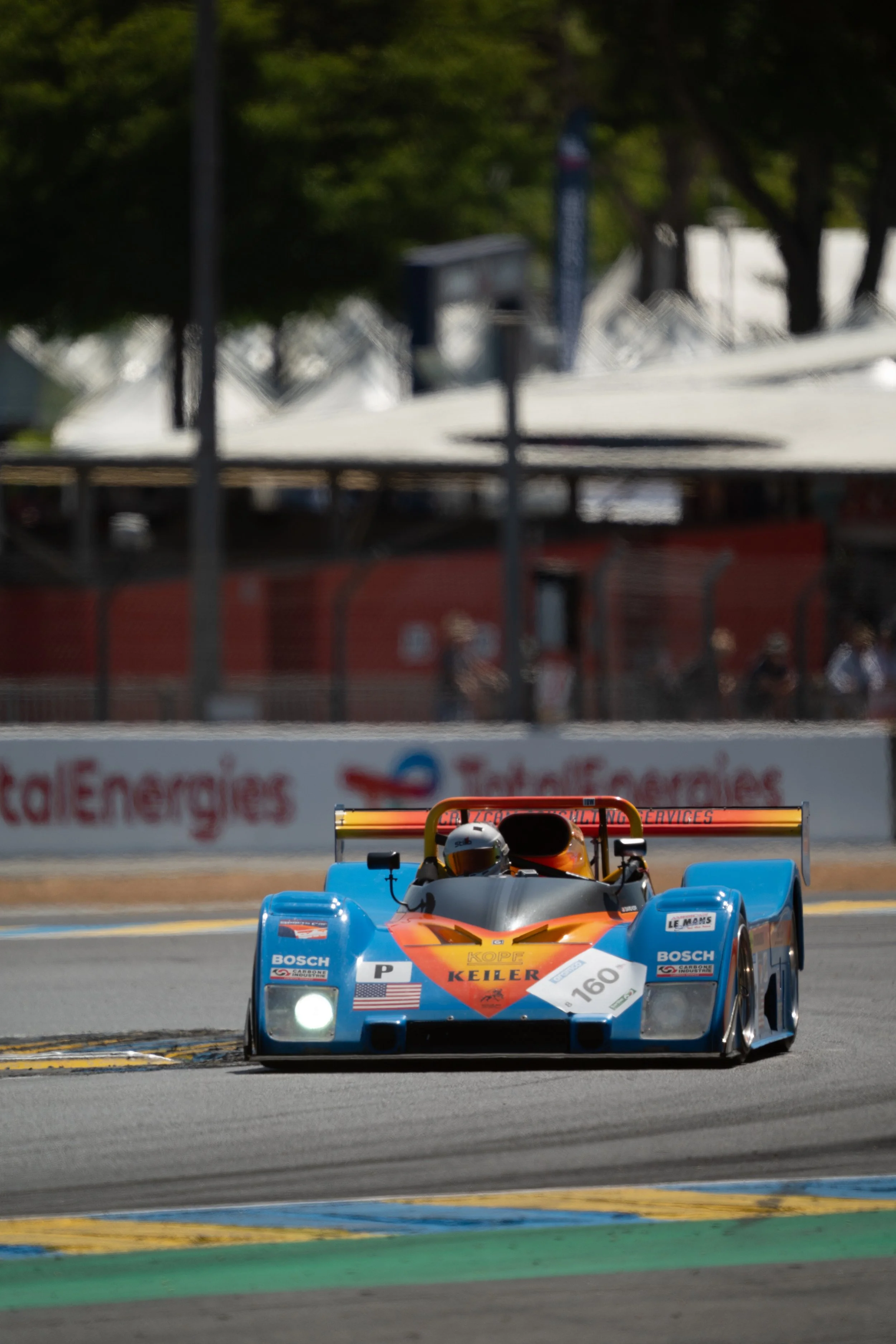
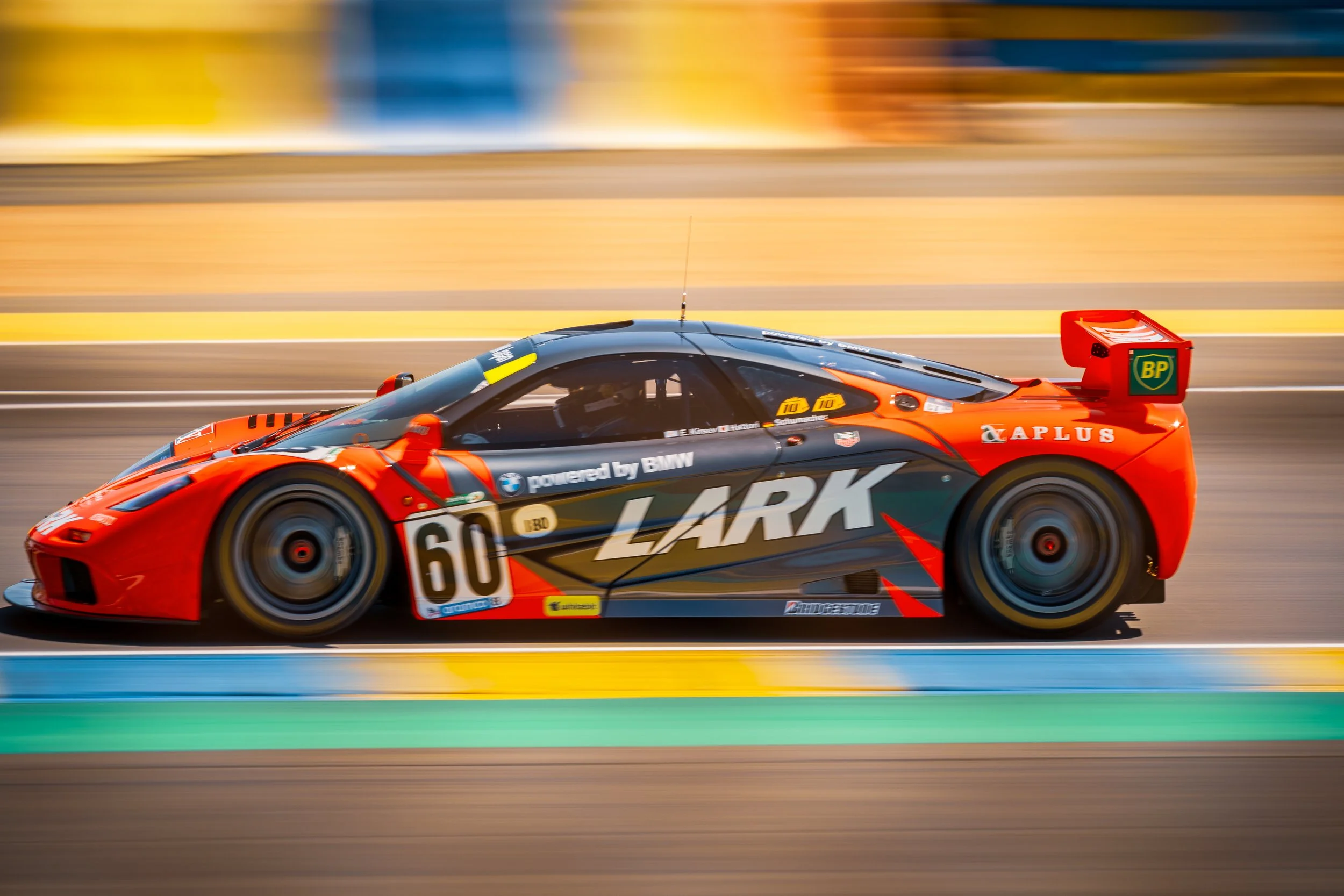
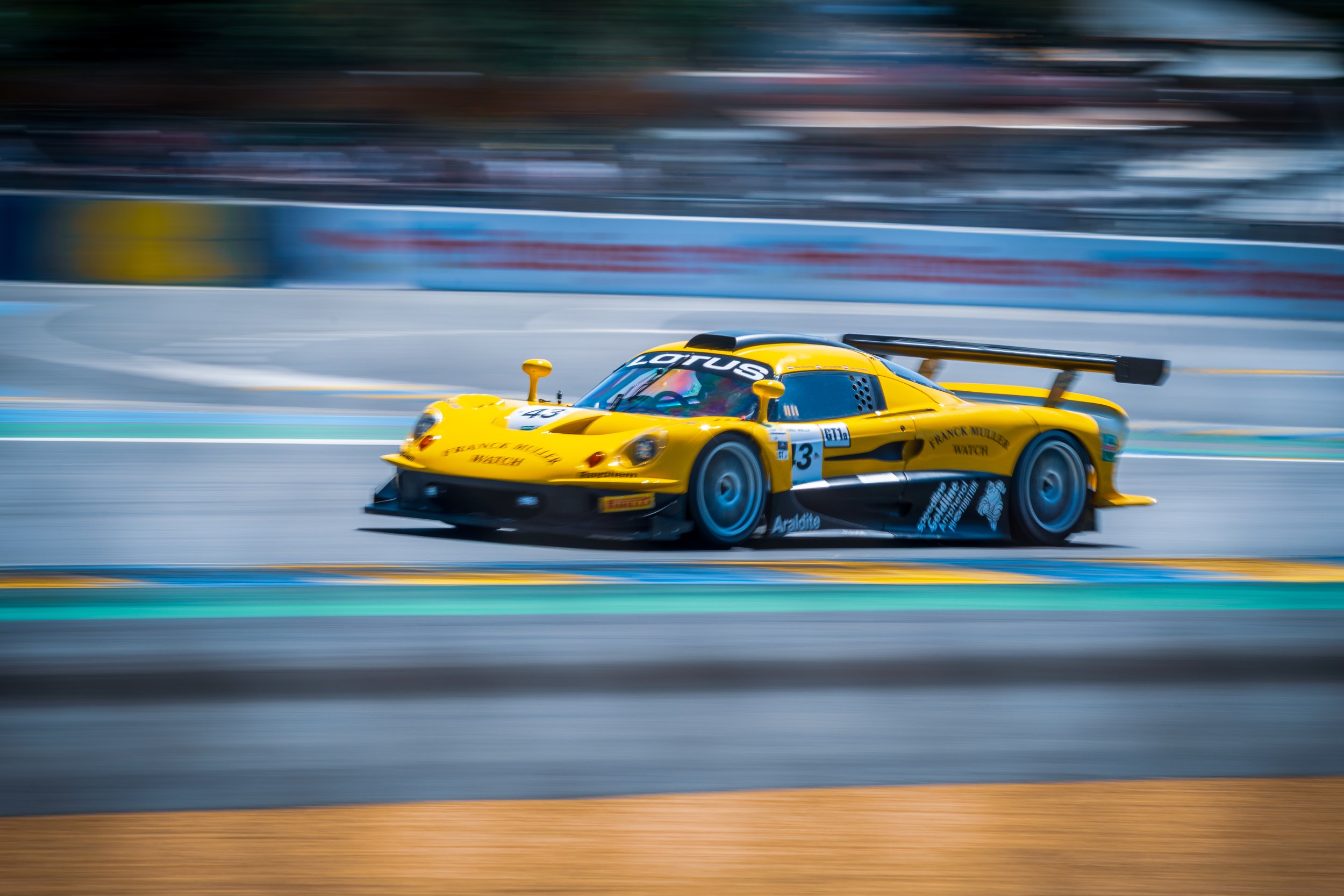
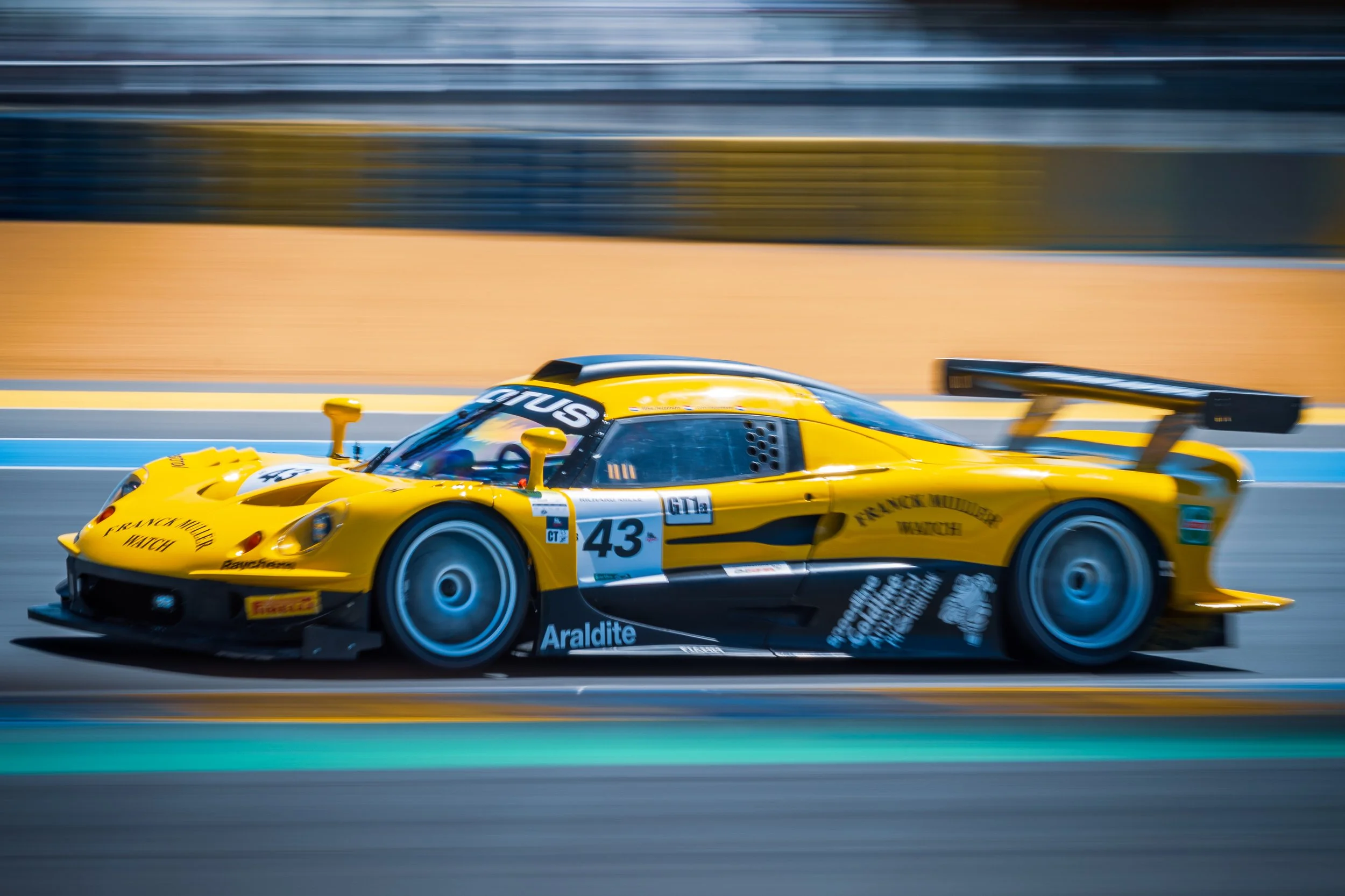
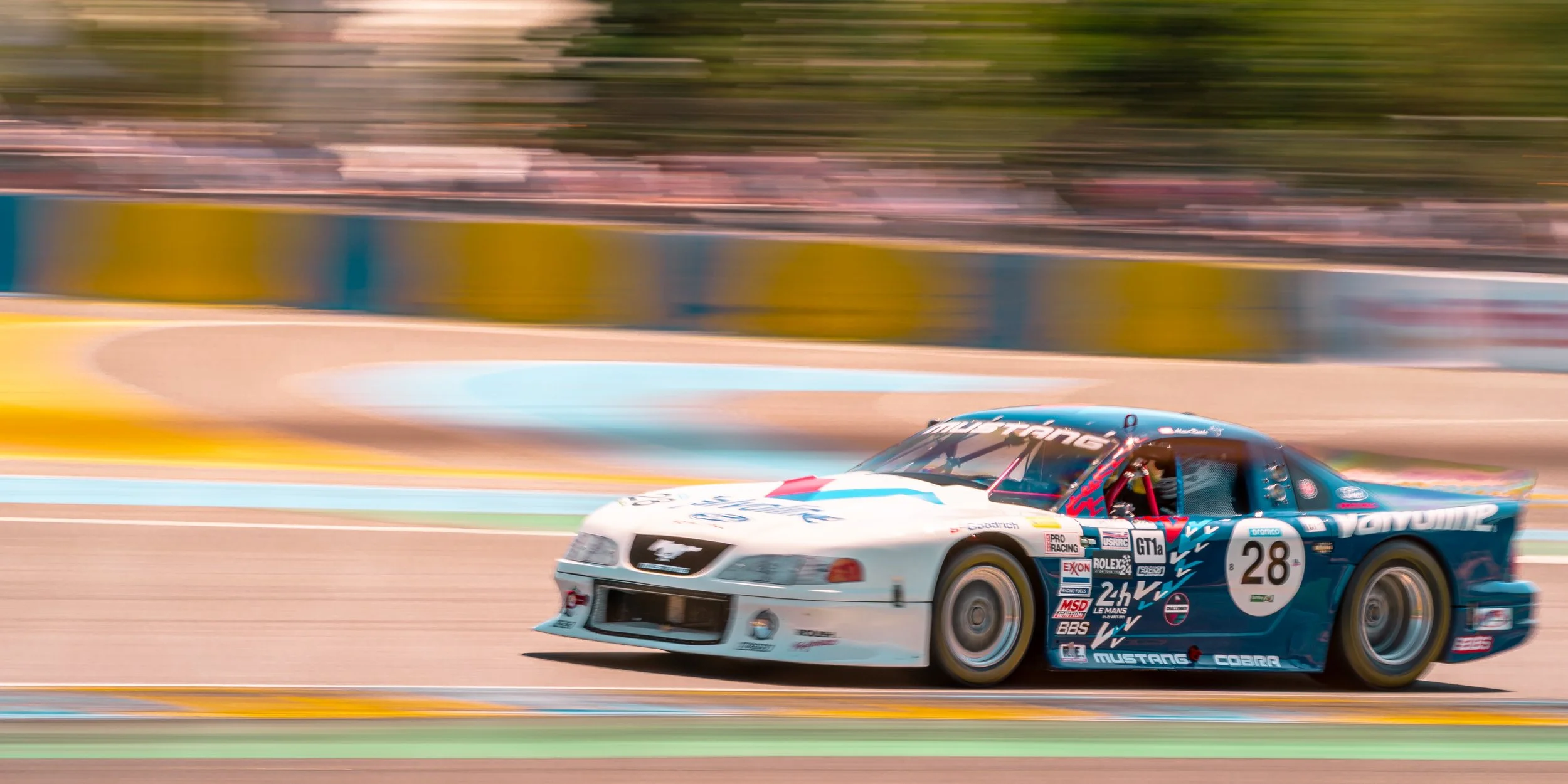
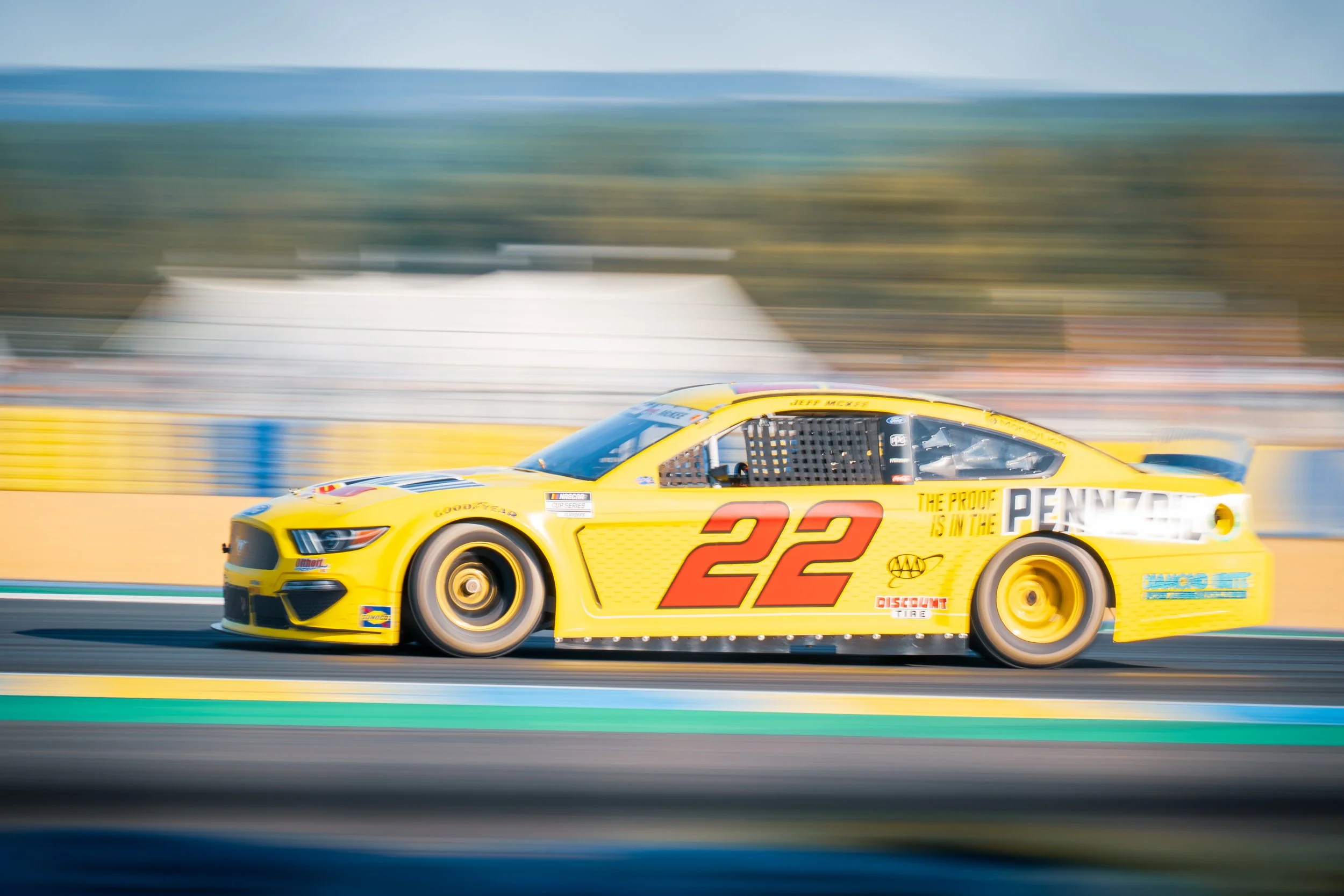
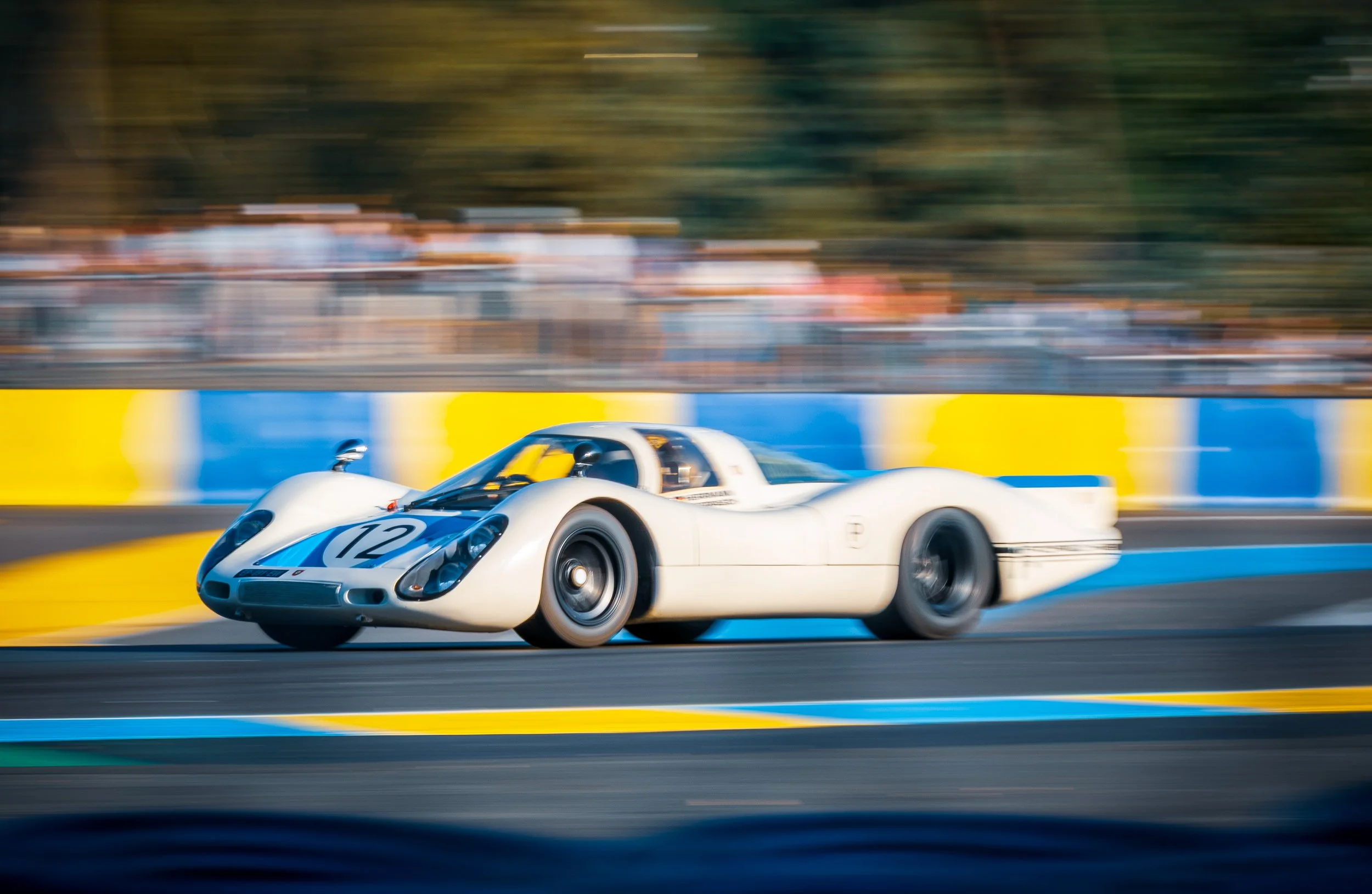
Unlike the 24 Hours of Le Mans, where cutting‑edge technology and factory teams dominate, the Classic is a celebration of heritage. More than 200,000 spectators gather to watch machines from the 1920s through the early 2000s return to the track they once conquered. Each car is a story on wheels: a Jaguar D‑Type still wearing its battle scars, a Porsche 917 with its unmistakable silhouette, a Ford GT40 thundering down the Mulsanne as if refusing to age.
Owners, drivers, and fans treat these machines with reverence. They aren’t museum pieces—they’re living artefacts, exercised at speed, exactly as intended.
Le Mans Classic: Where Time, Speed, and Memory Converge
Every two years, as summer settles over the Sarthe countryside, the Circuit de la Sarthe undergoes a transformation. The modern world seems to loosen its grip, replaced by the growl of carburettors, the smell of warm brakes, and the unmistakable aura of motorsport history brought back to life. This is Le Mans Classic—not merely an event, but a living archive of endurance racing.
More Than a Race Weekend
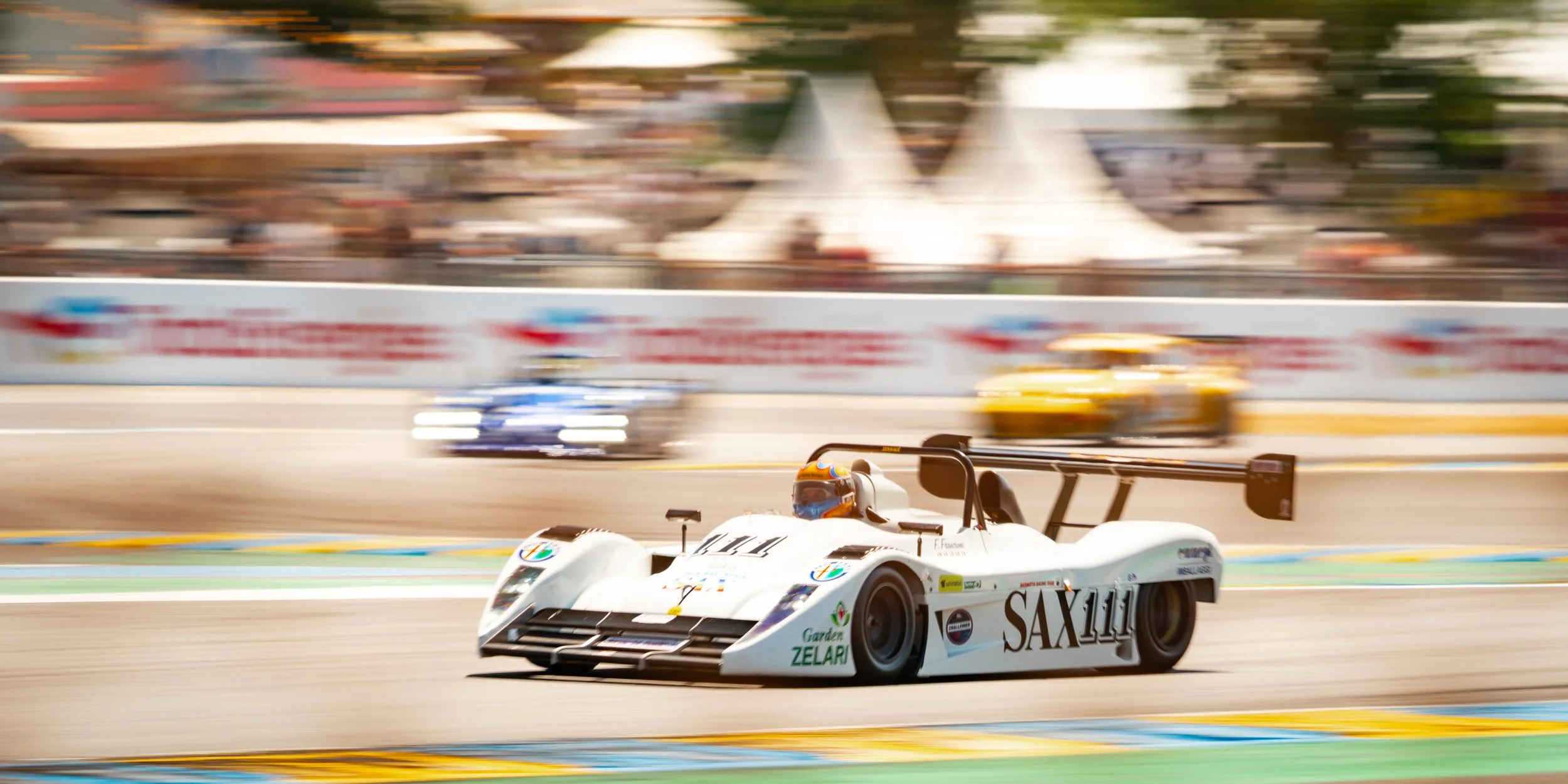
Le Mans Classic has grown into a cultural festival. The paddocks are open, allowing fans to stand inches from cars that shaped motorsport. Clubs from across Europe gather in vast numbers, turning the infield into a rolling concours. Families picnic trackside, children sit on their parents’ shoulders, and conversations drift between nostalgia and awe.
It’s motorsport stripped of corporate gloss, replaced with authenticity and passion.
A Tradition That Endures
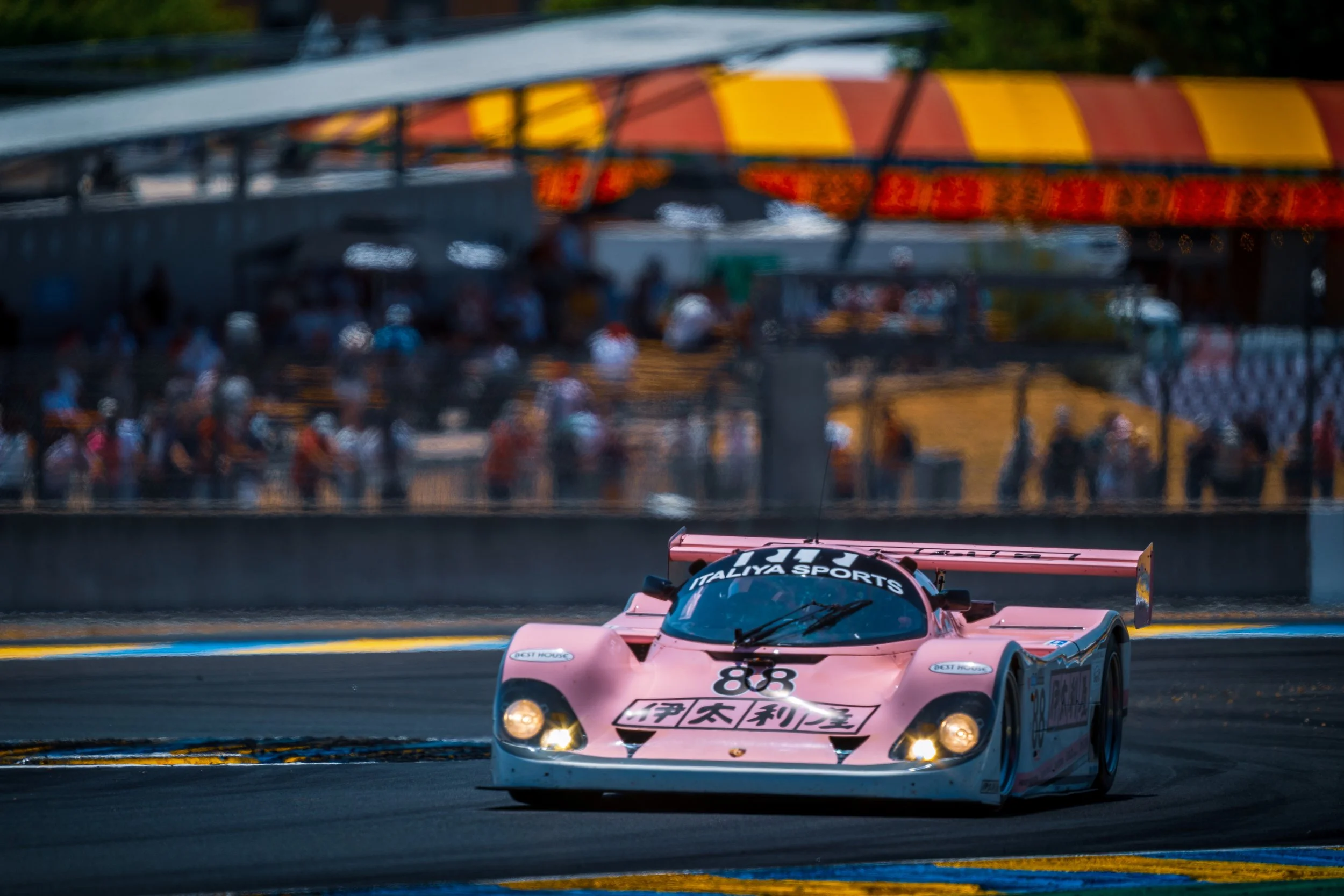
As the final grid crosses the line and engines fall silent, the circuit returns to the present day. But the memories linger: the sight of a Lola T70 dancing through Indianapolis, the thunder of a Corvette C3 at full chat, the elegance of an Alfa Romeo 8C gliding past the pits.
Le Mans Classic is a reminder that history isn’t static. It lives, breathes, and—every two years—races again.
Racing Through Eras
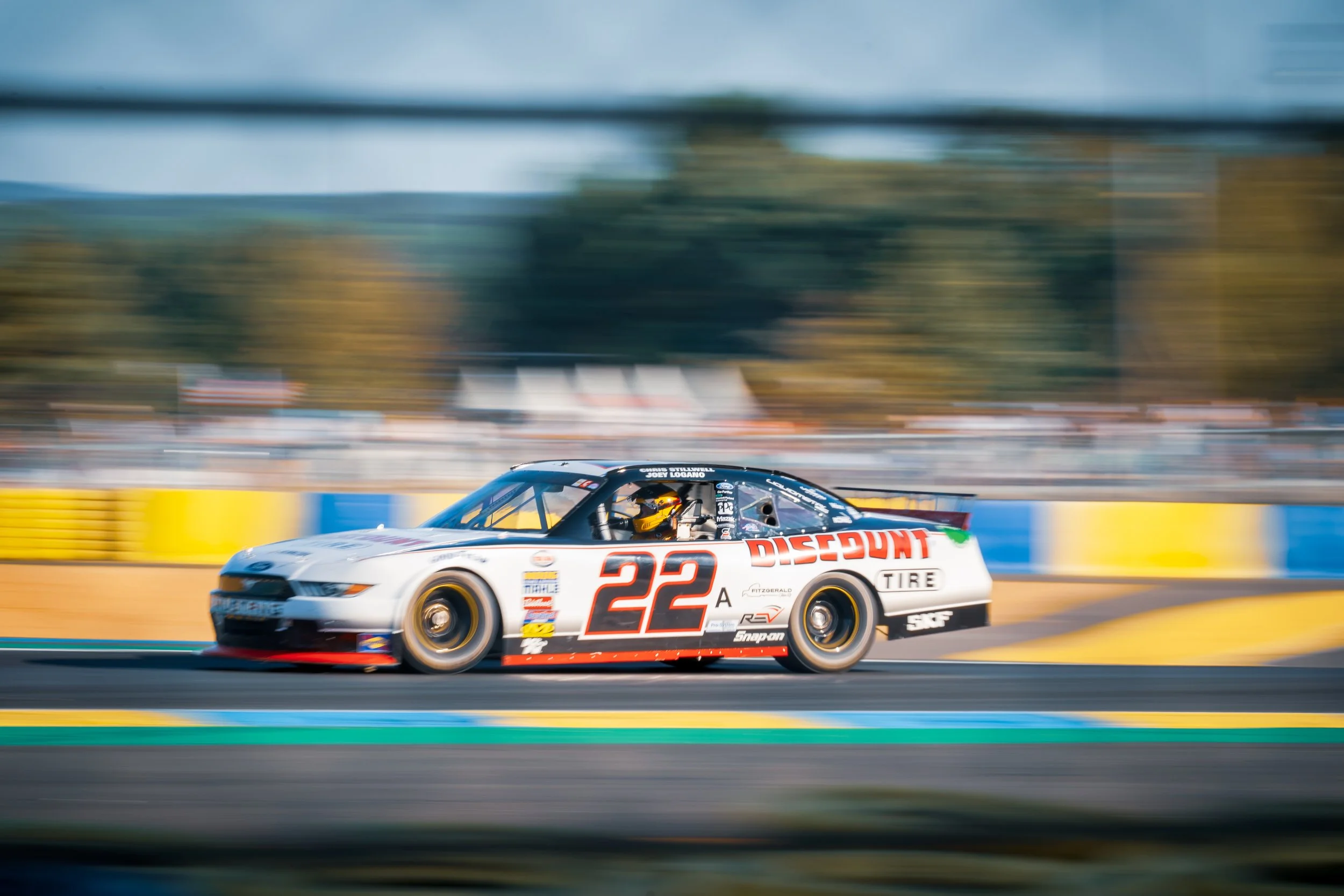
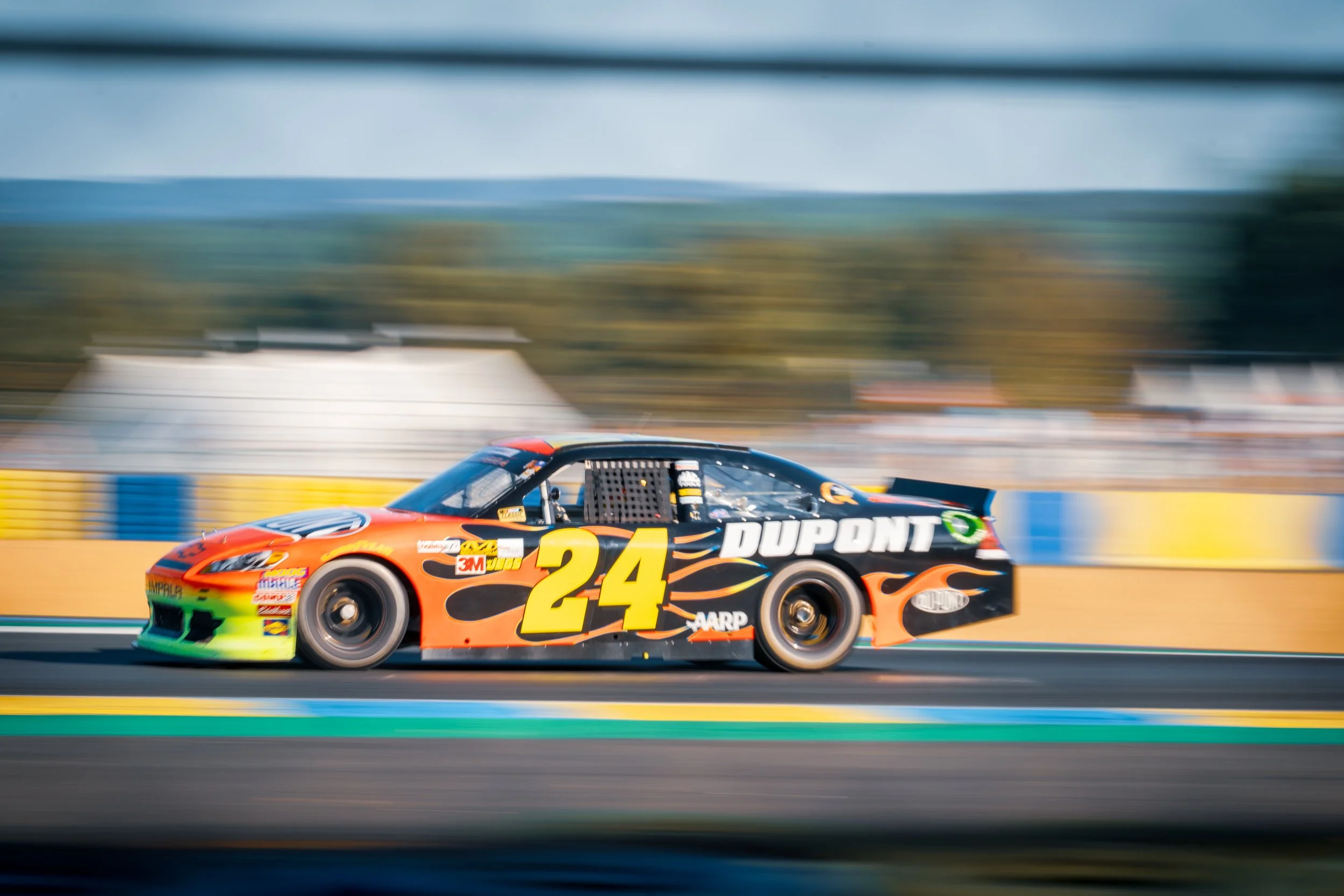
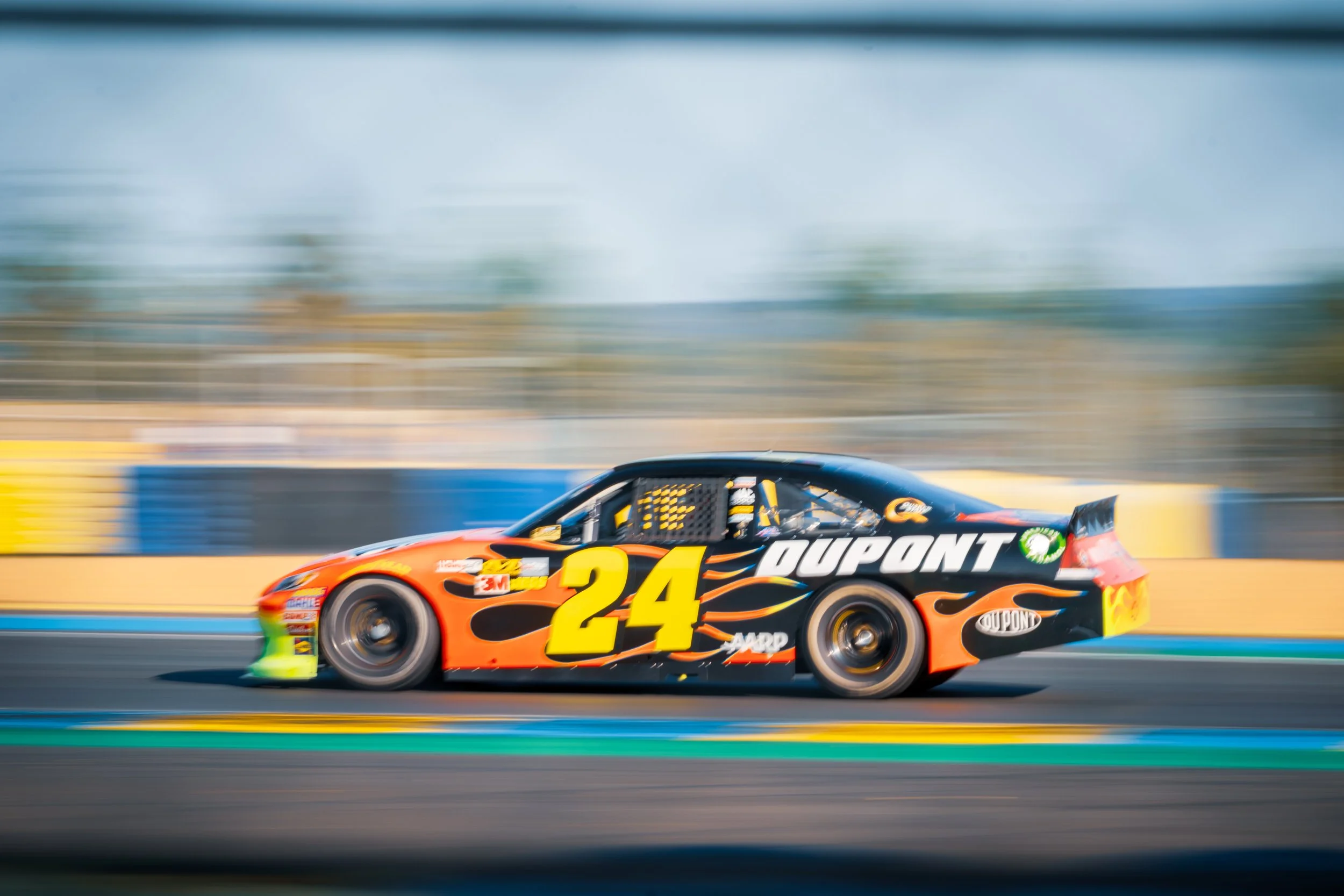
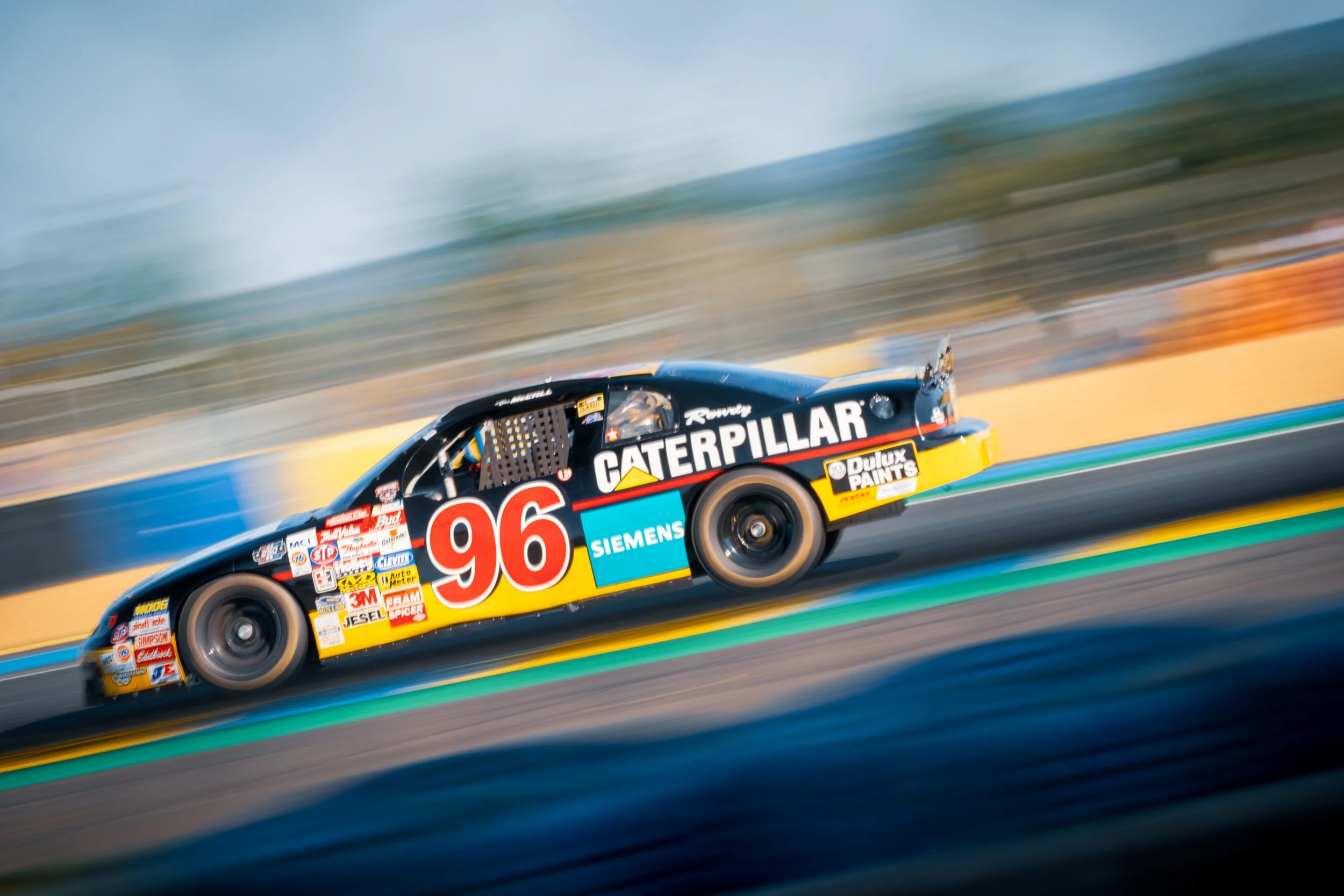
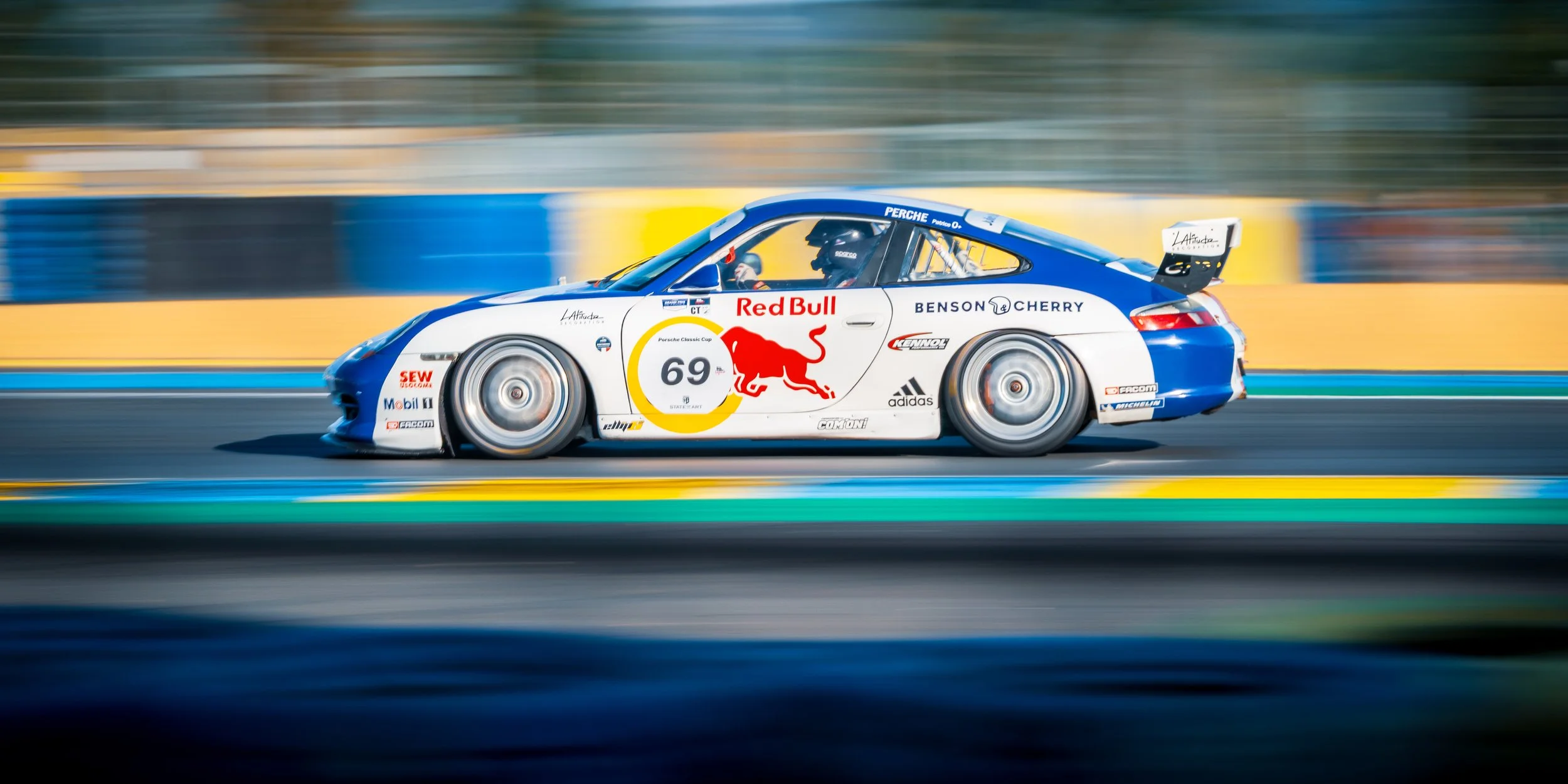
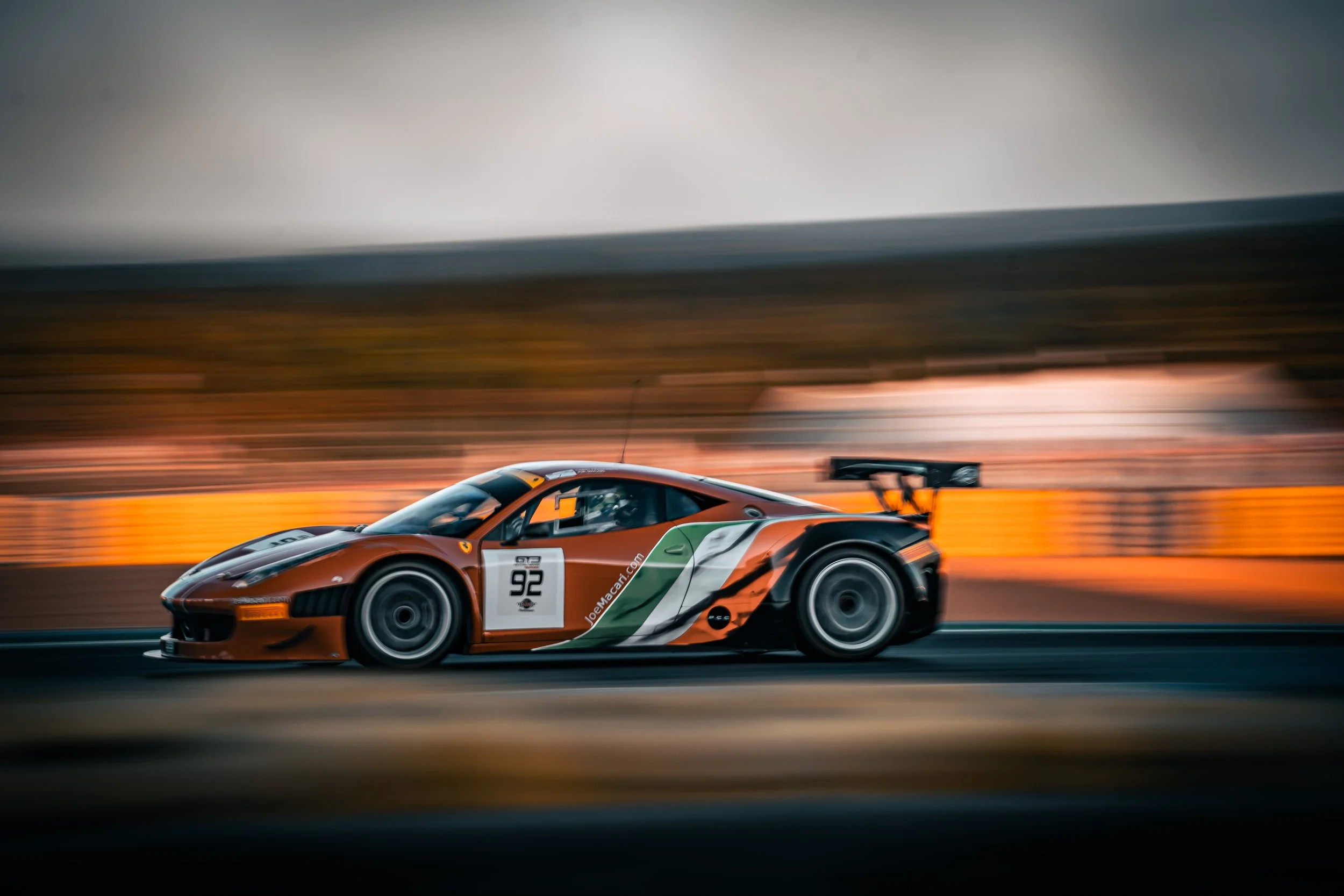
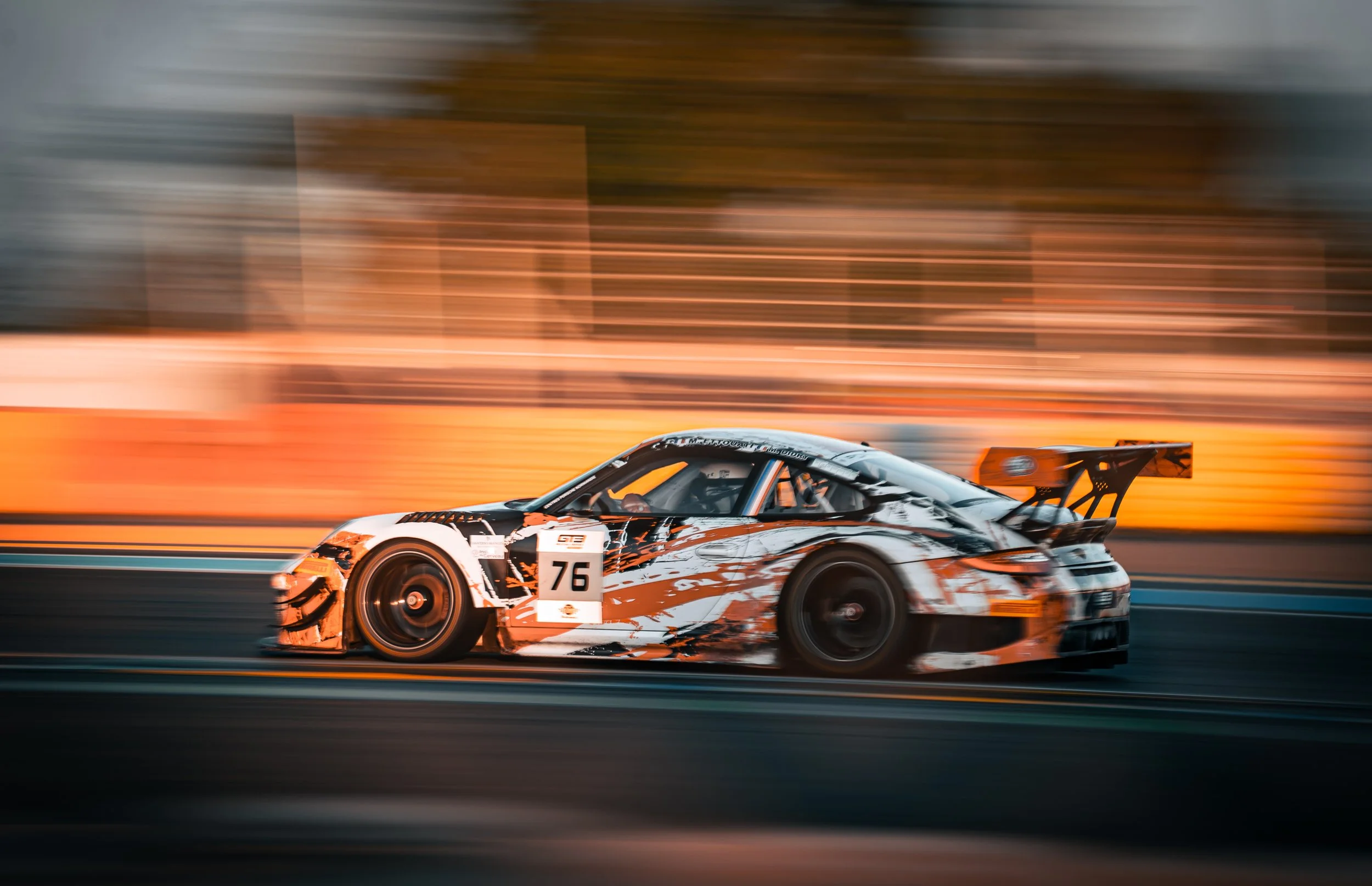
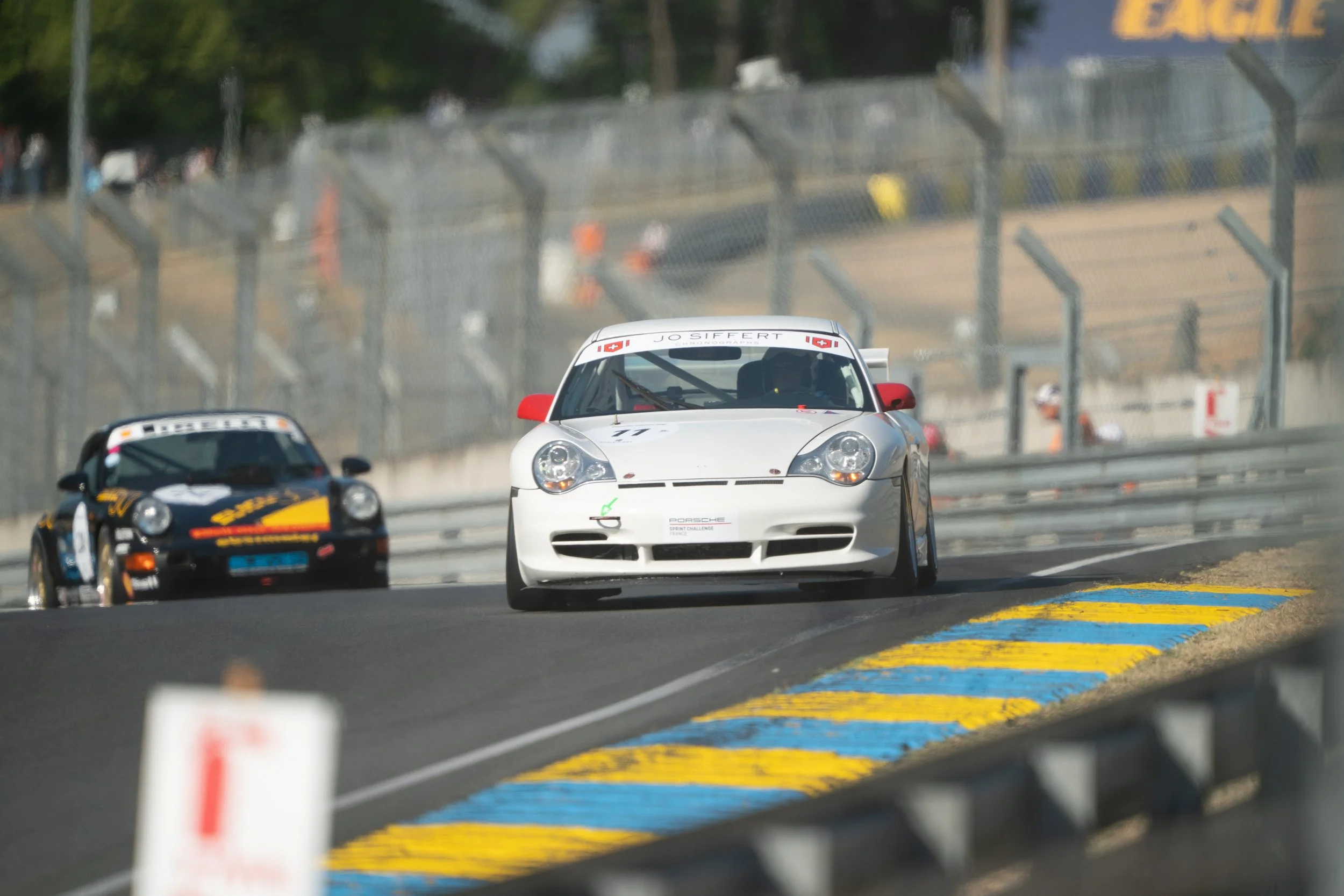
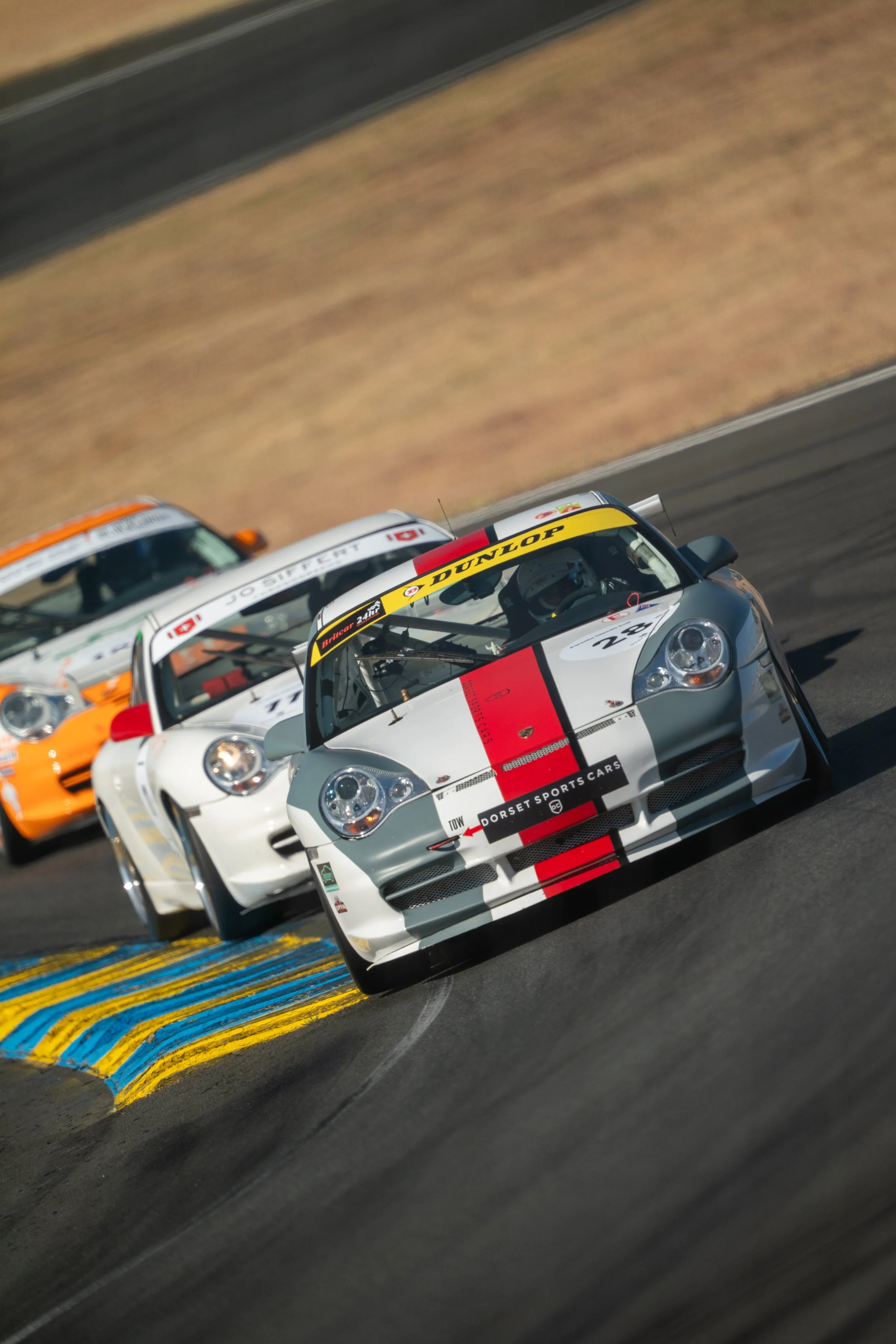
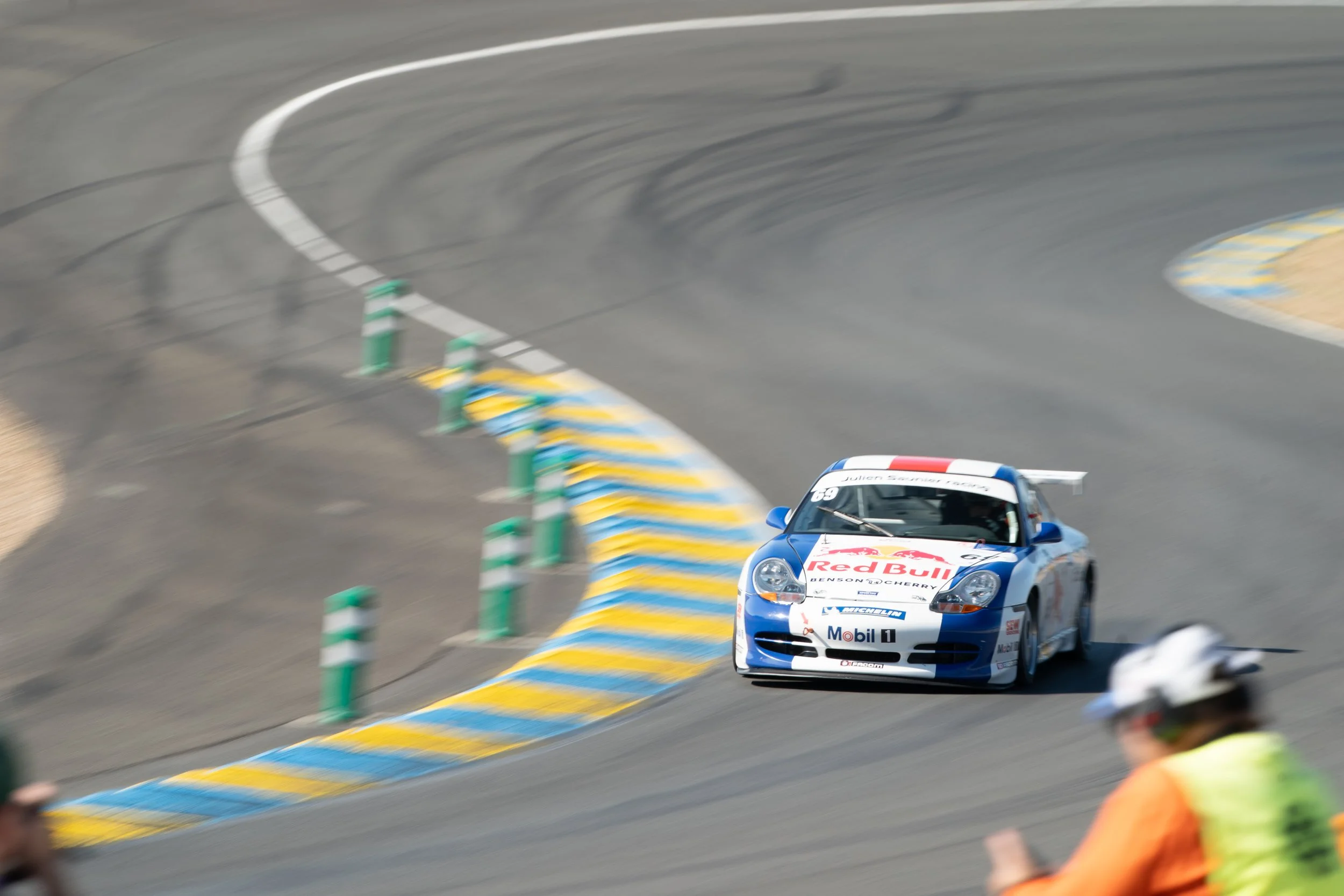
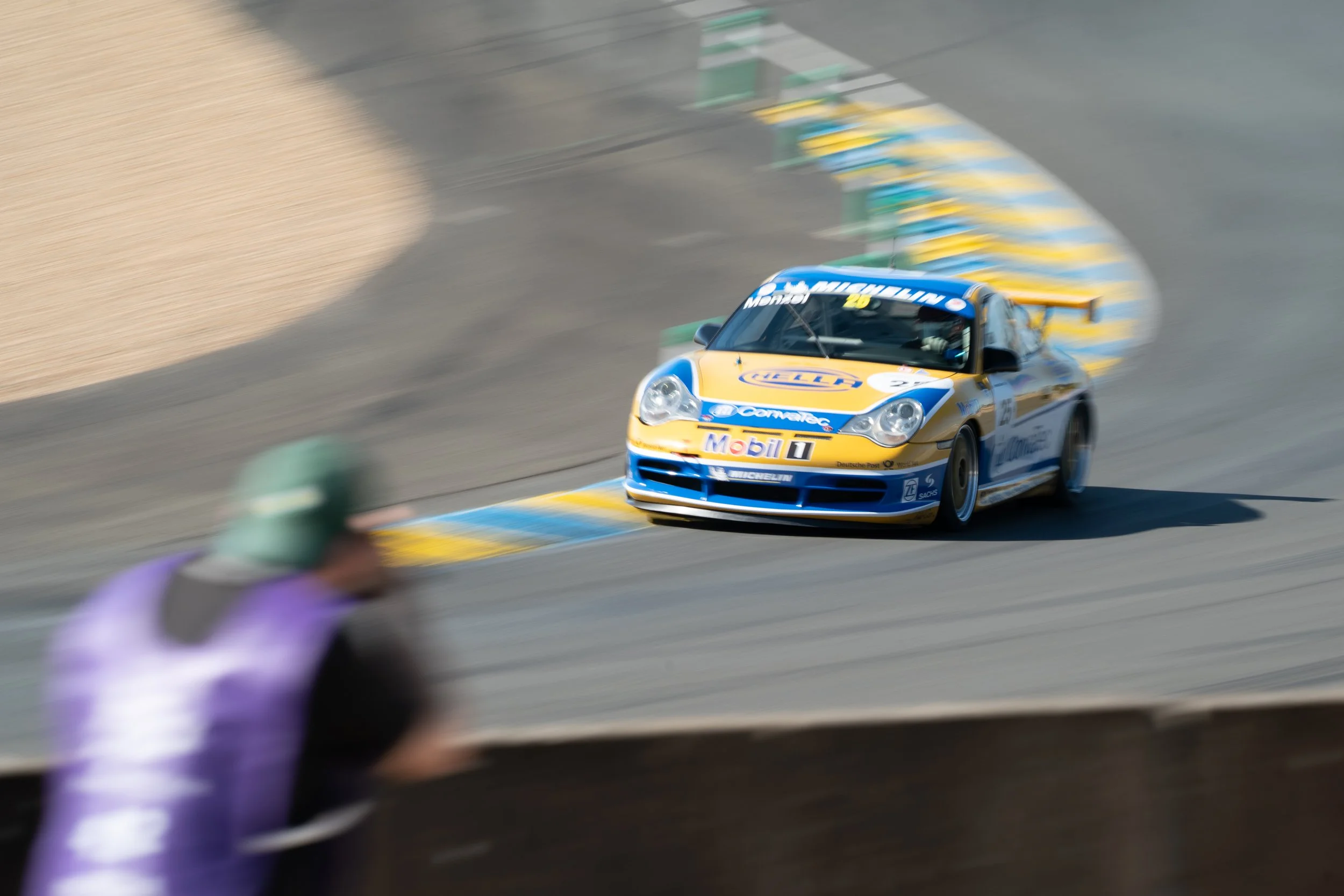
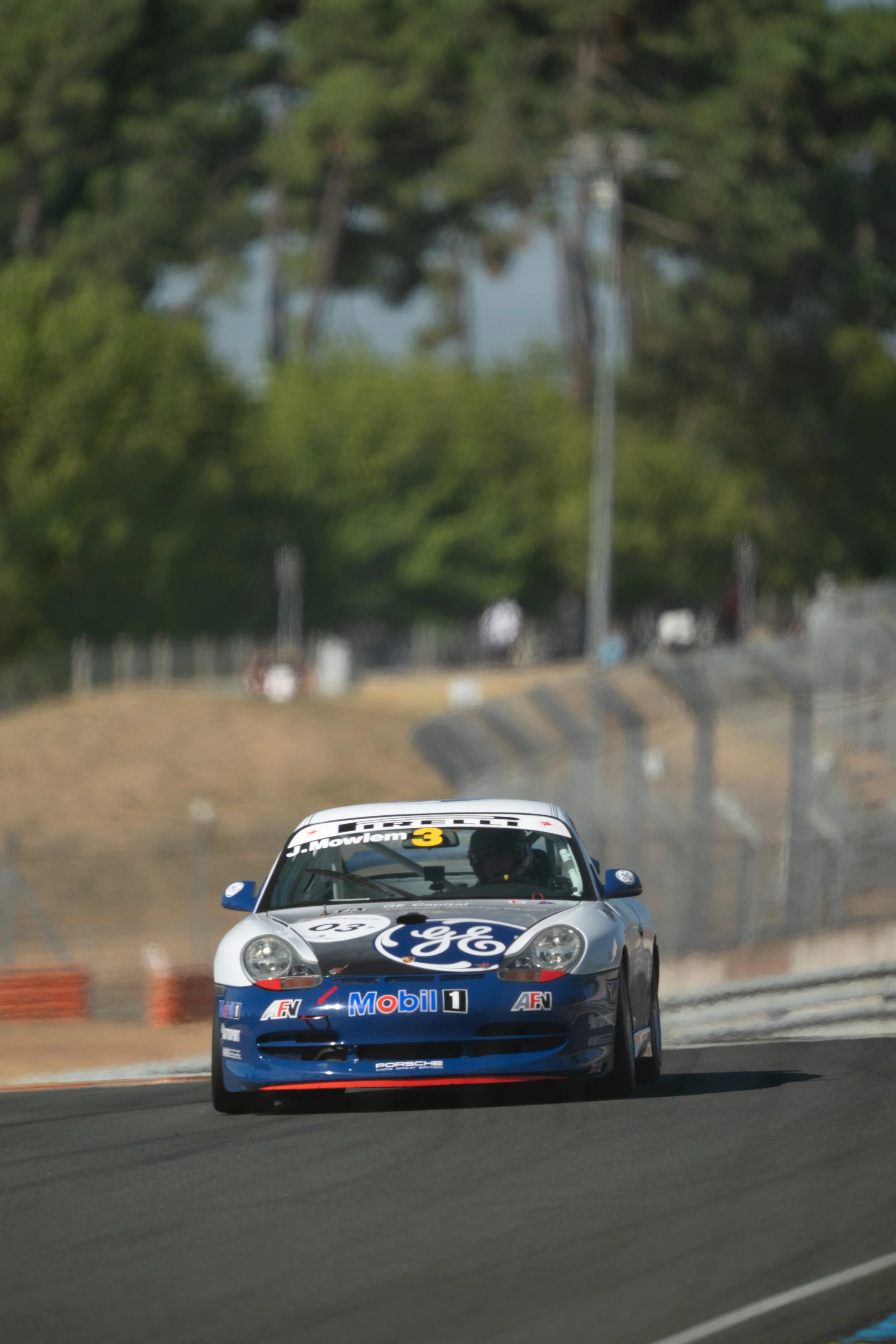
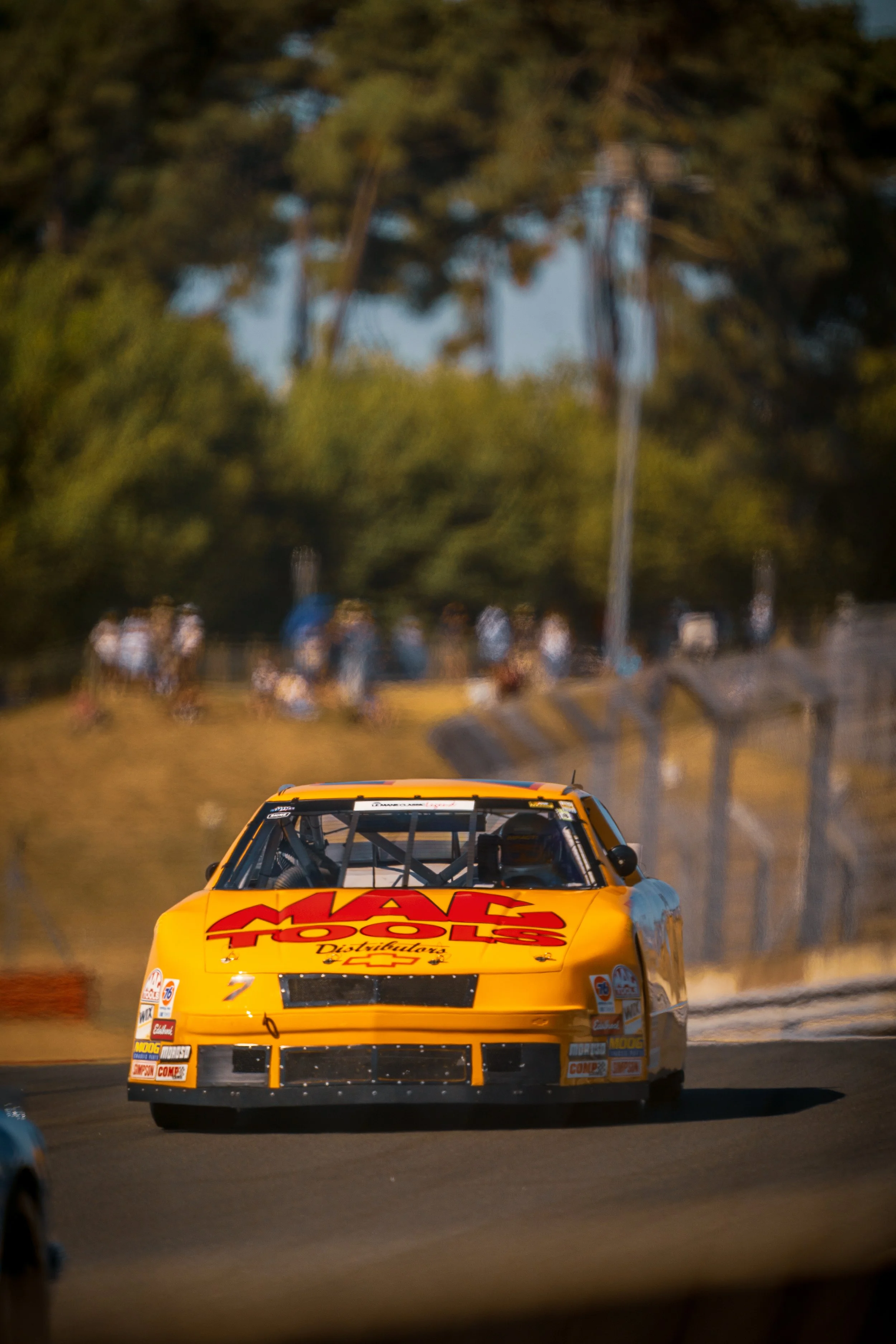
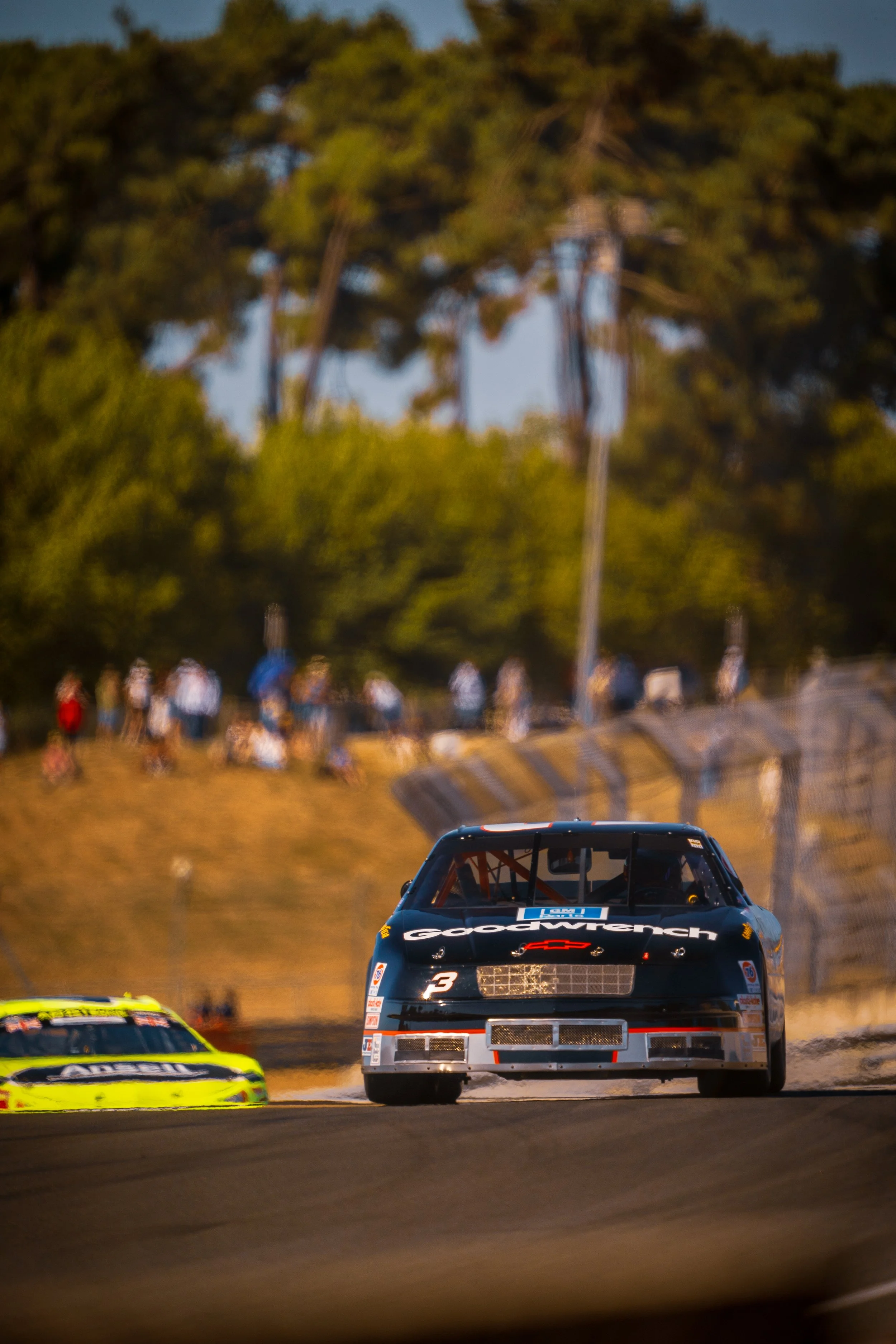
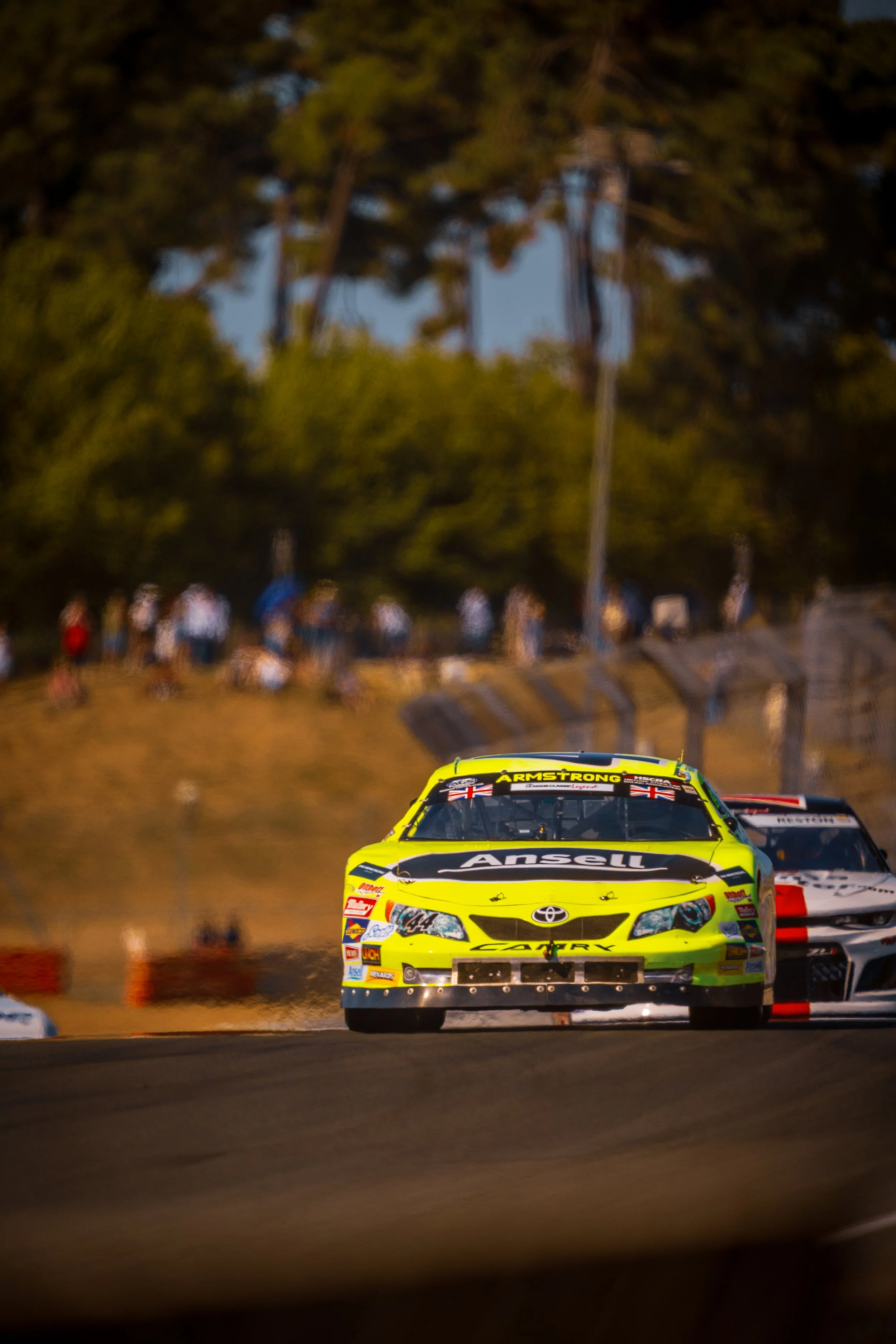
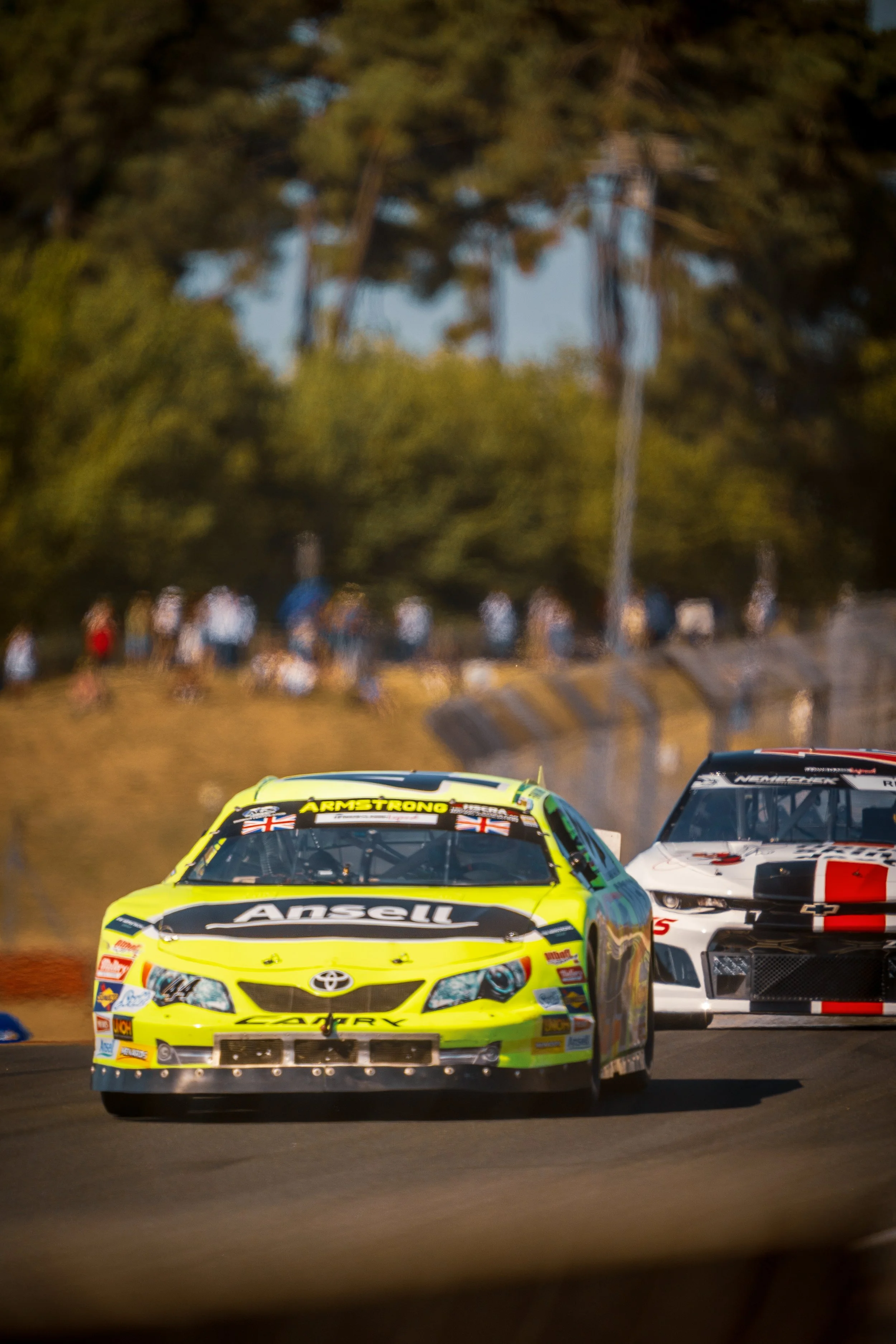
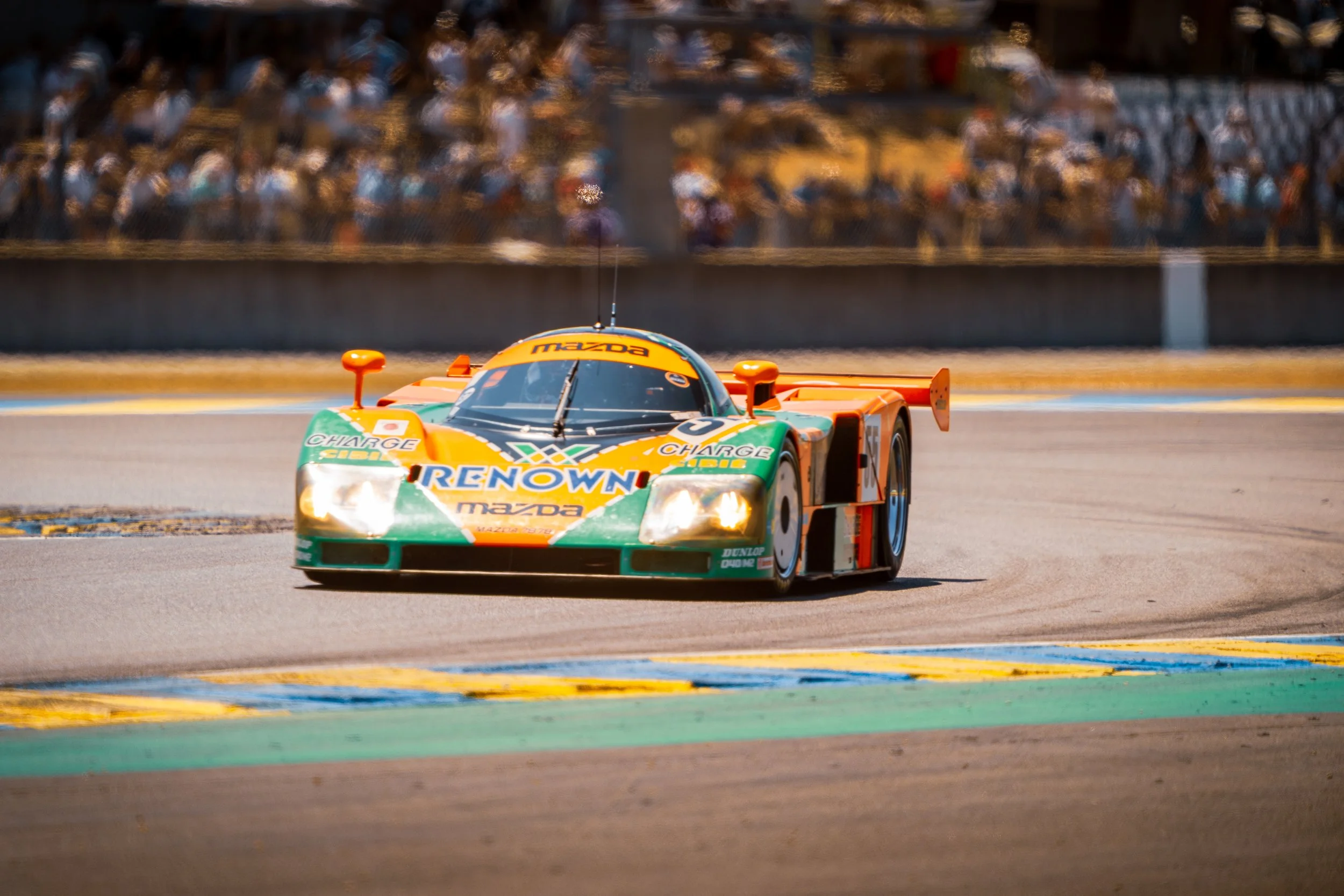
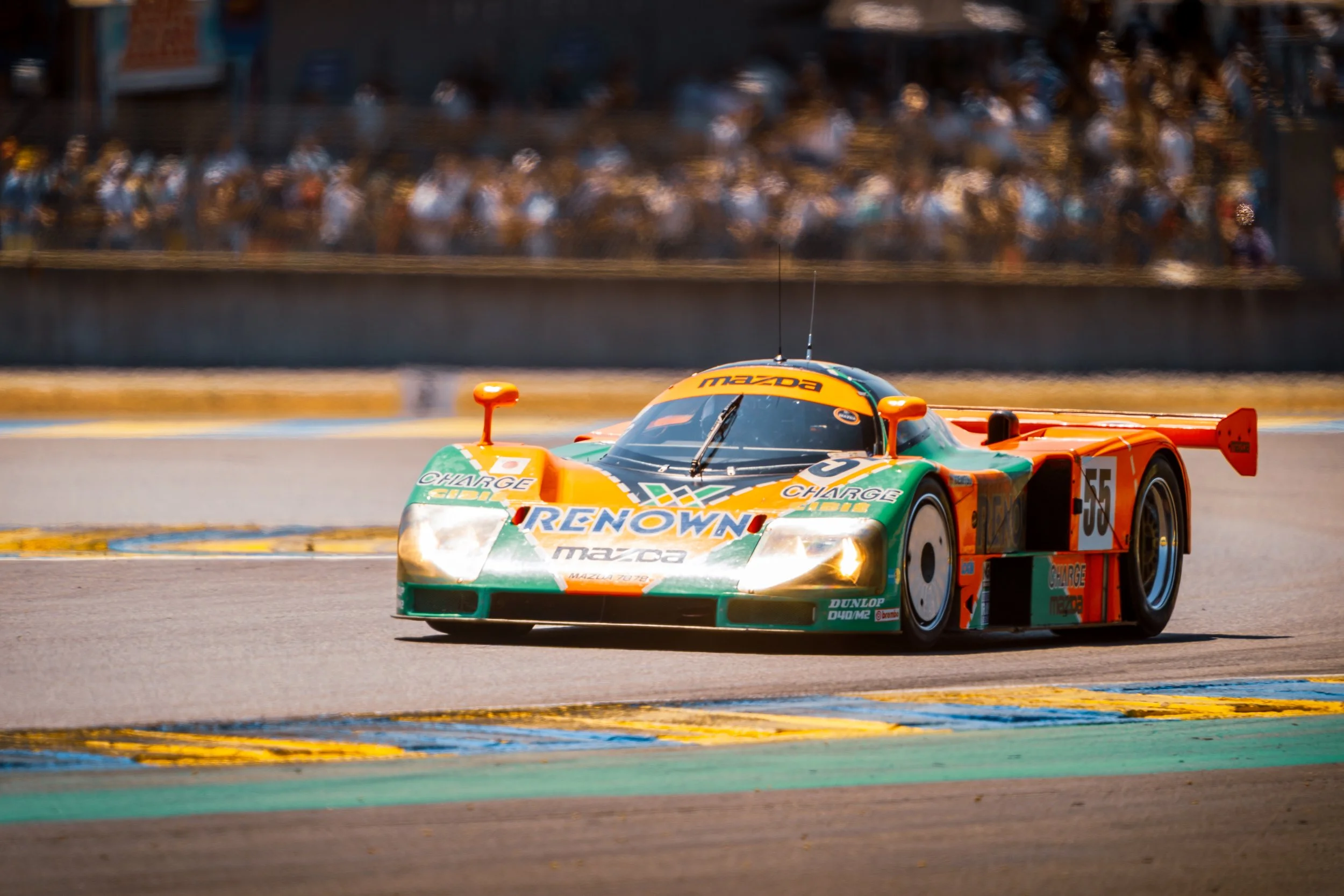
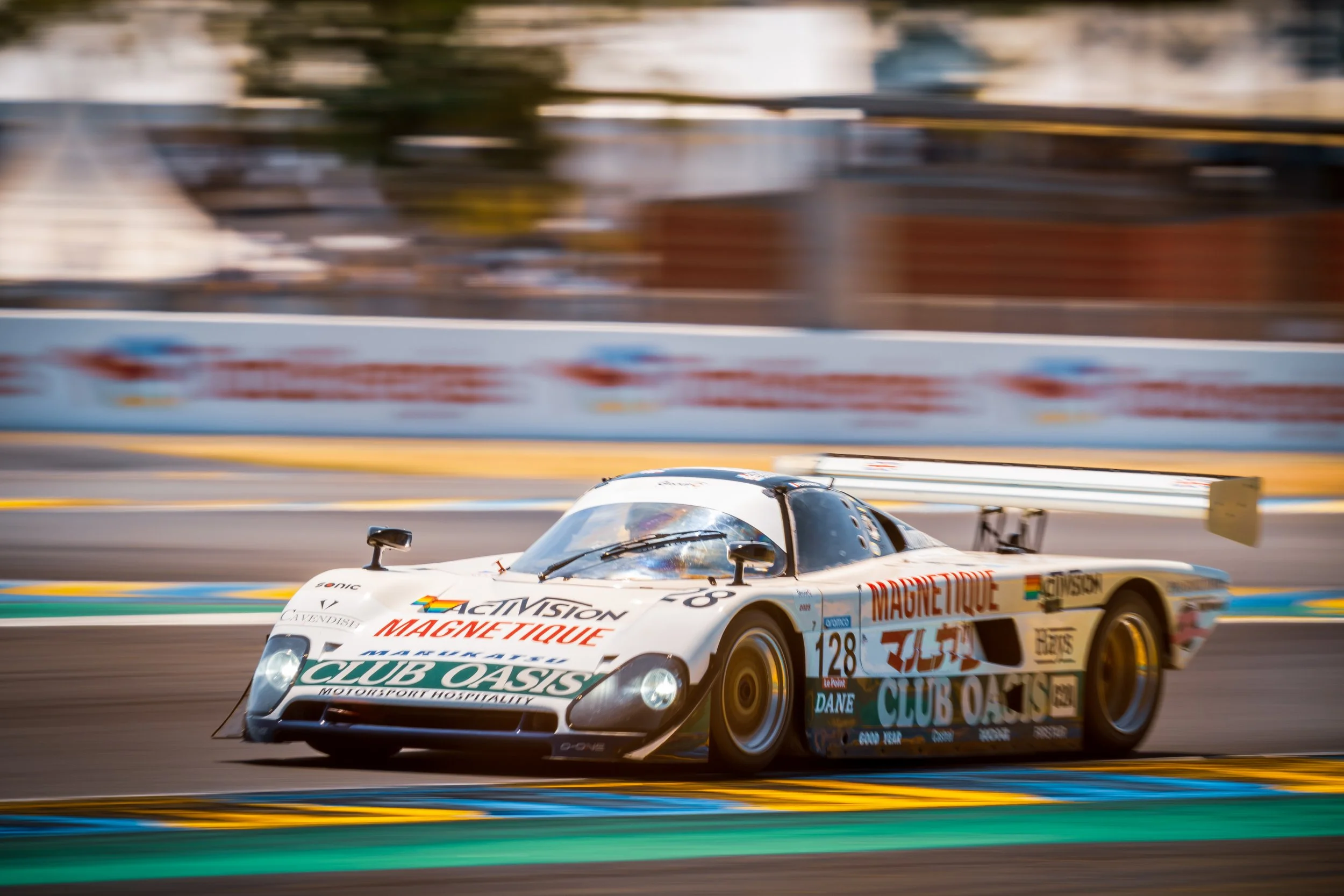
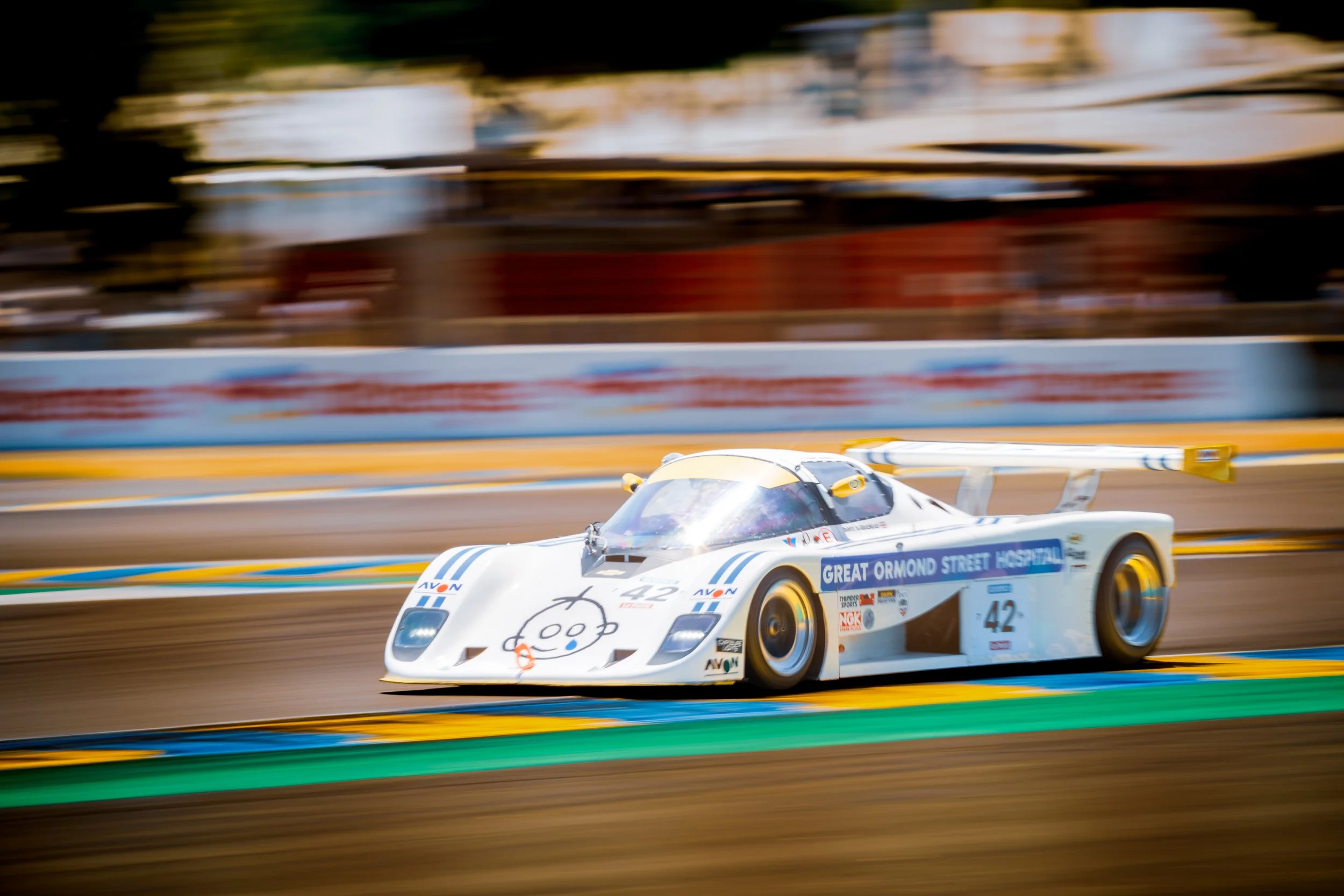
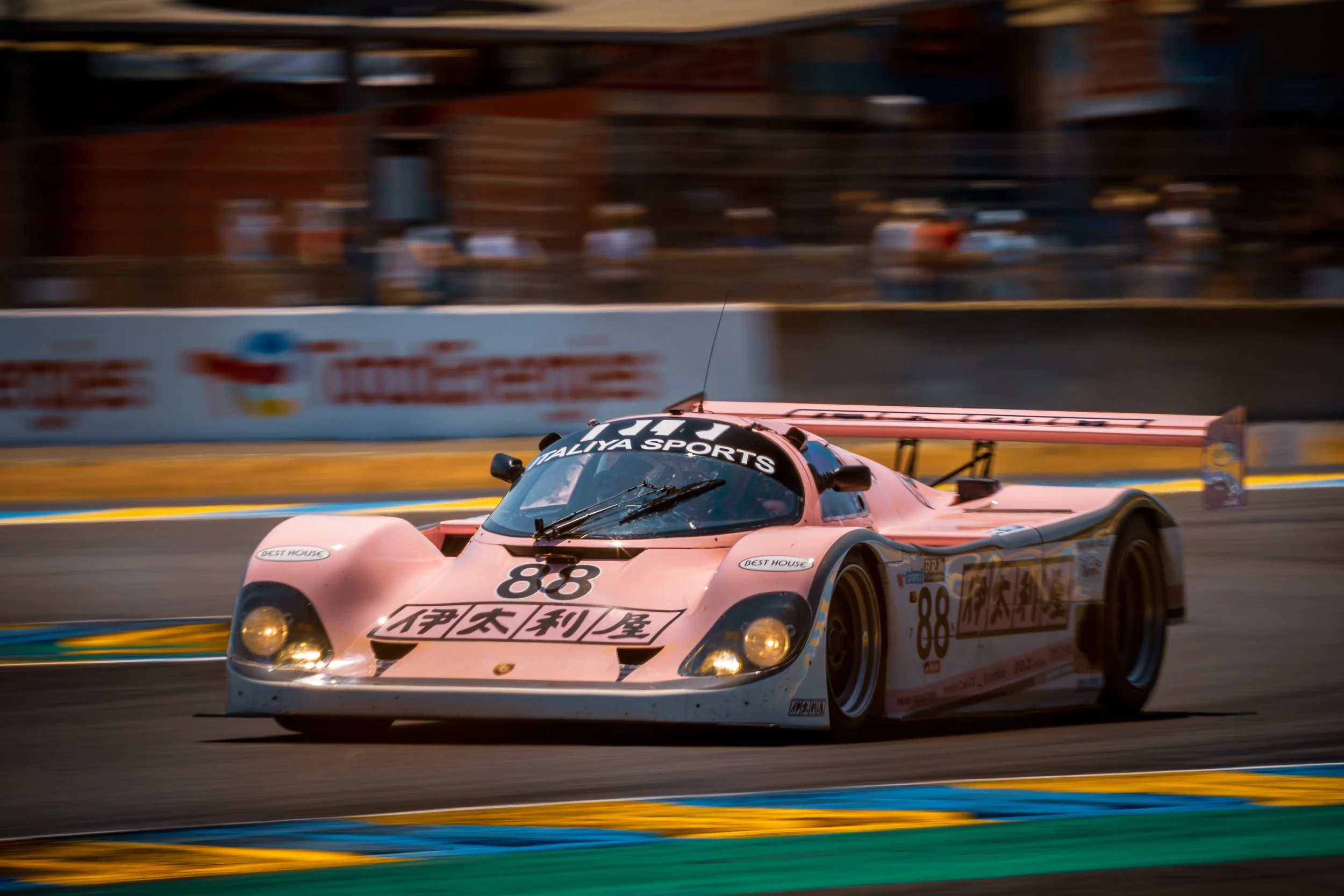
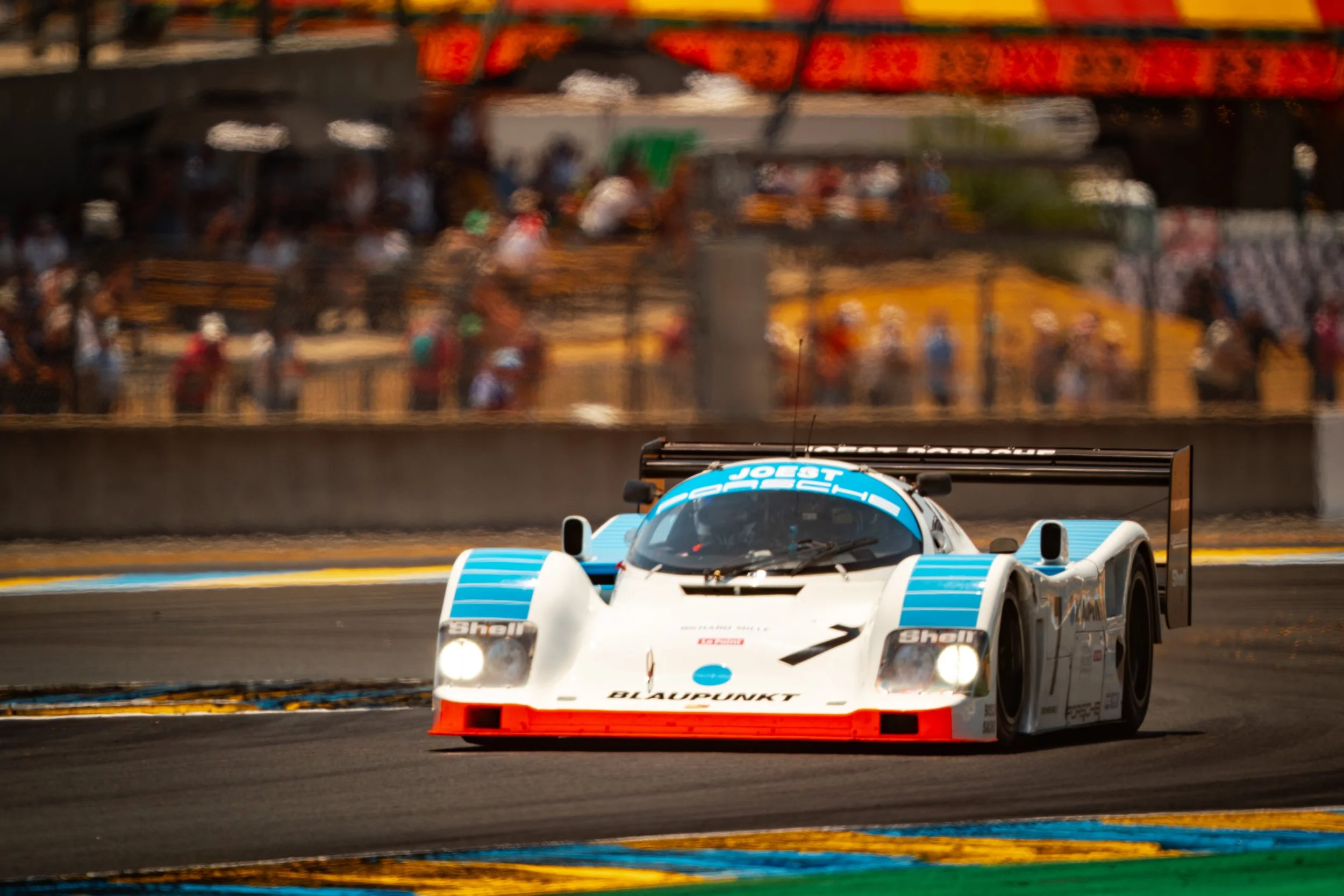
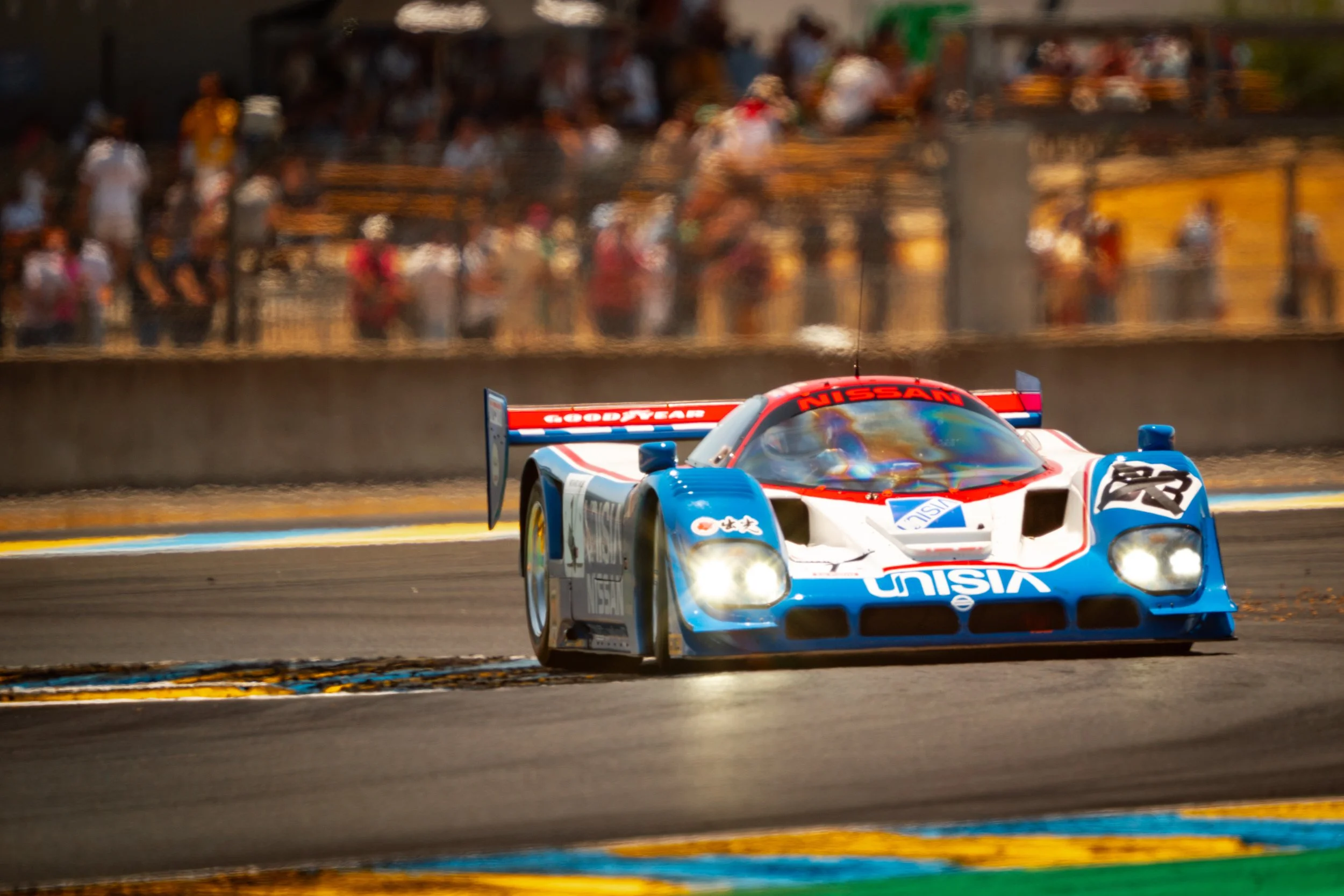
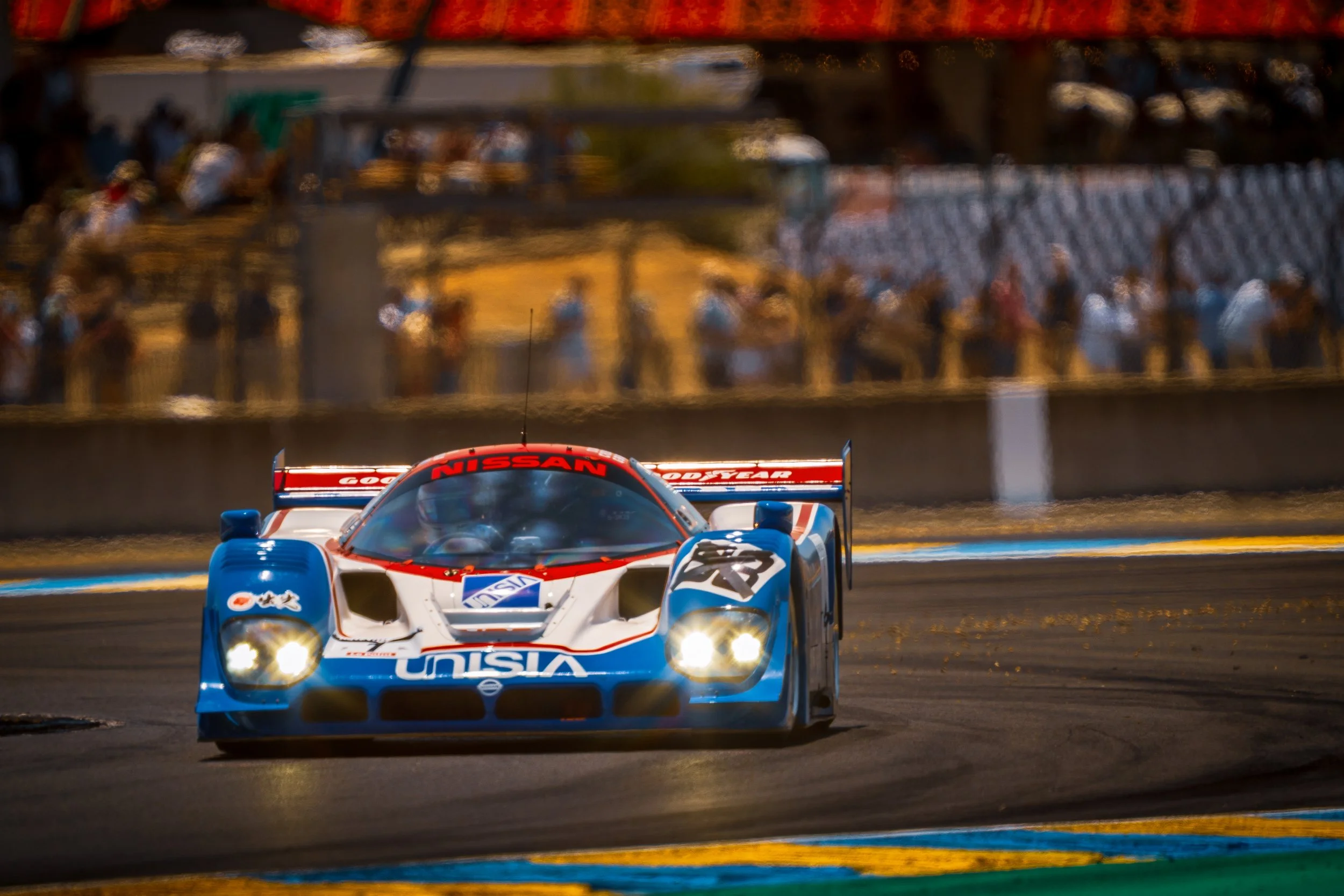
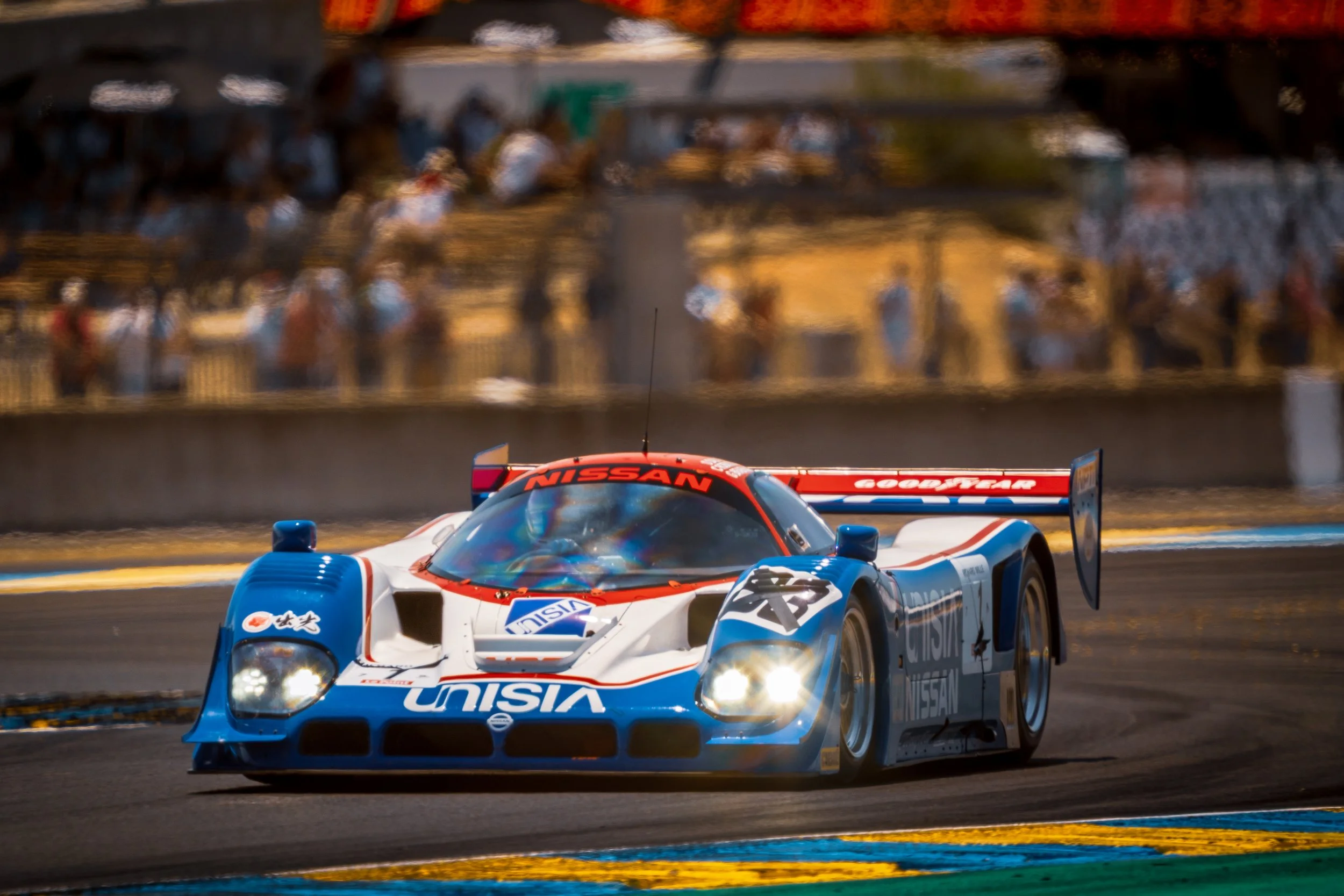
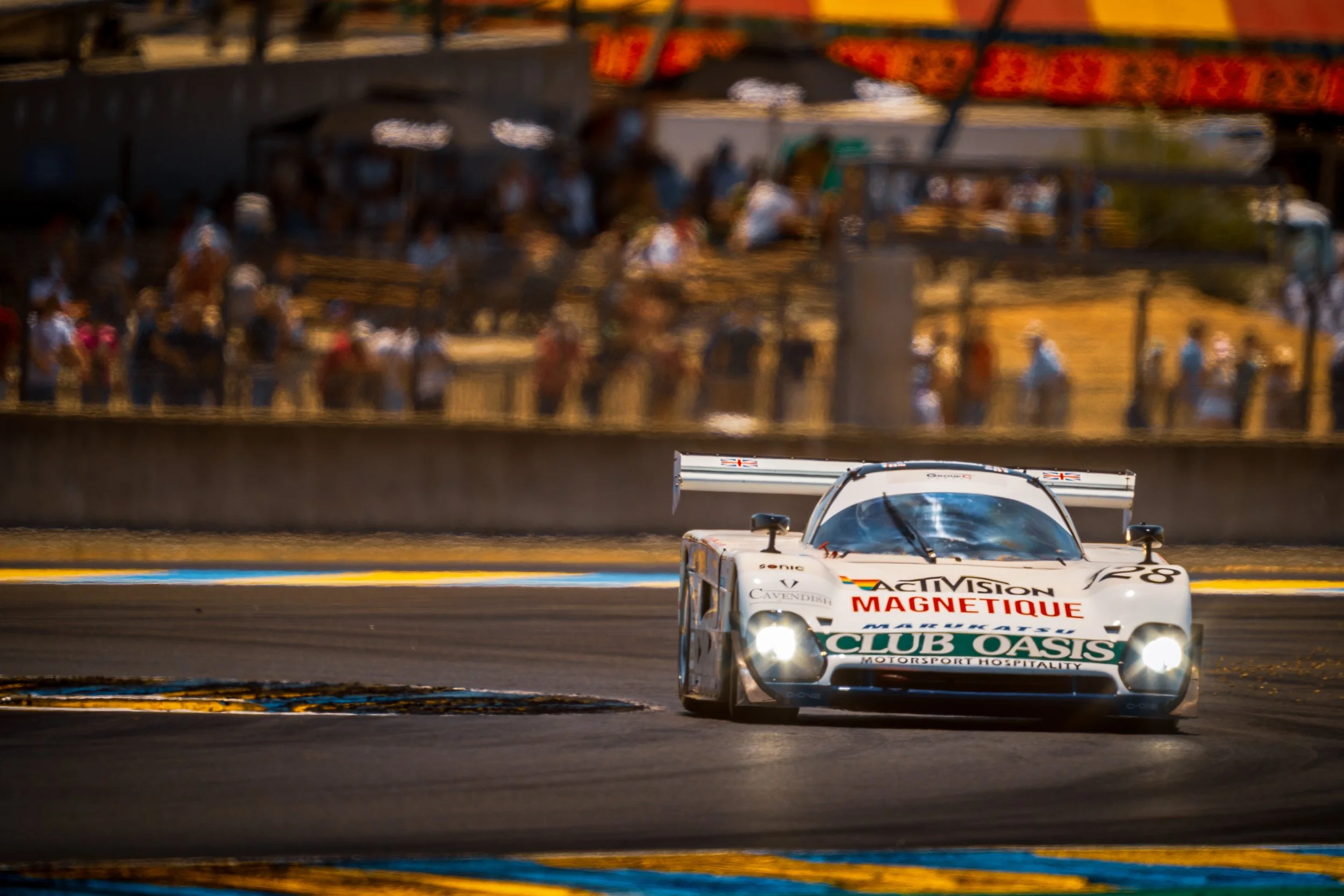
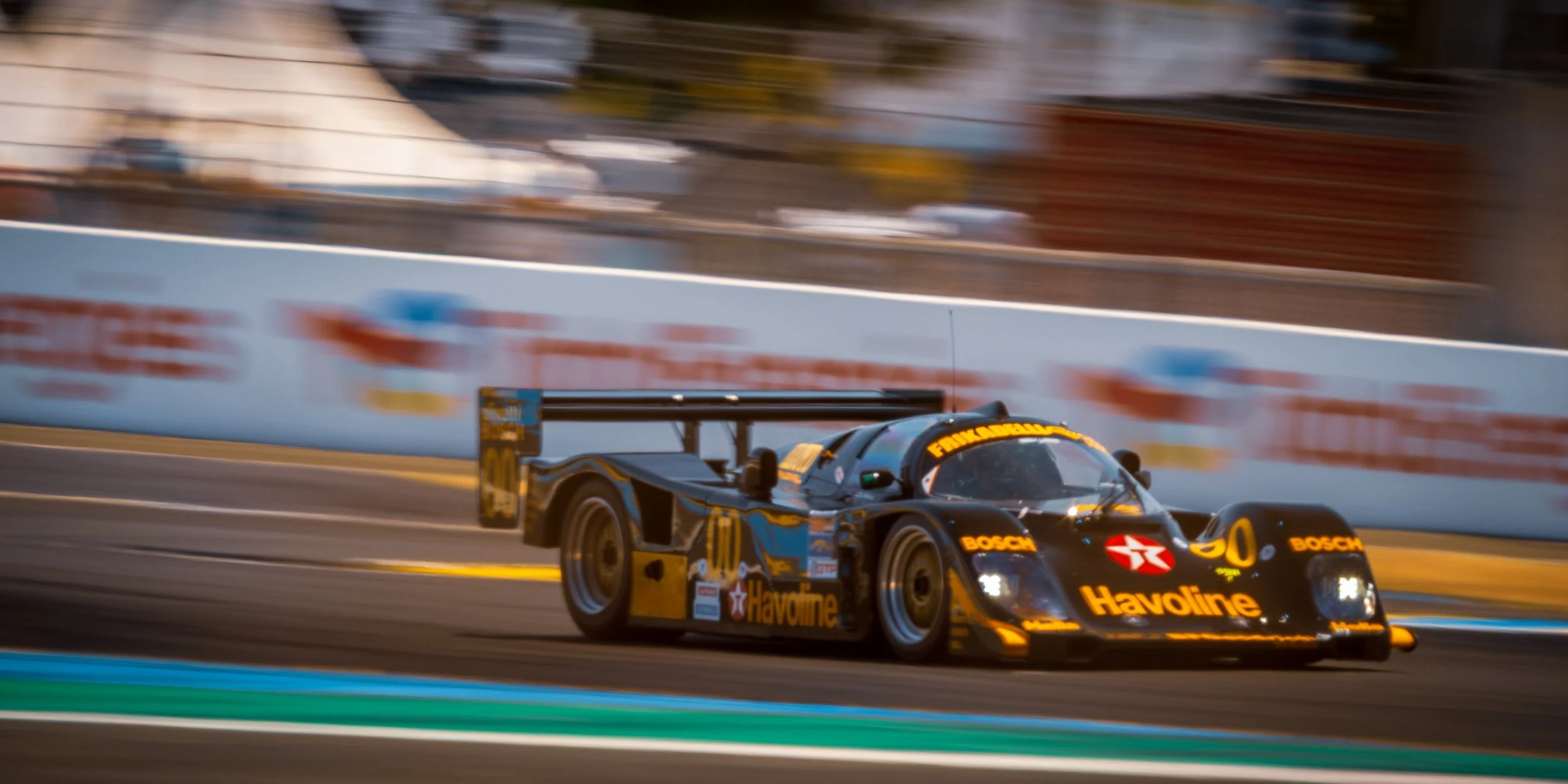
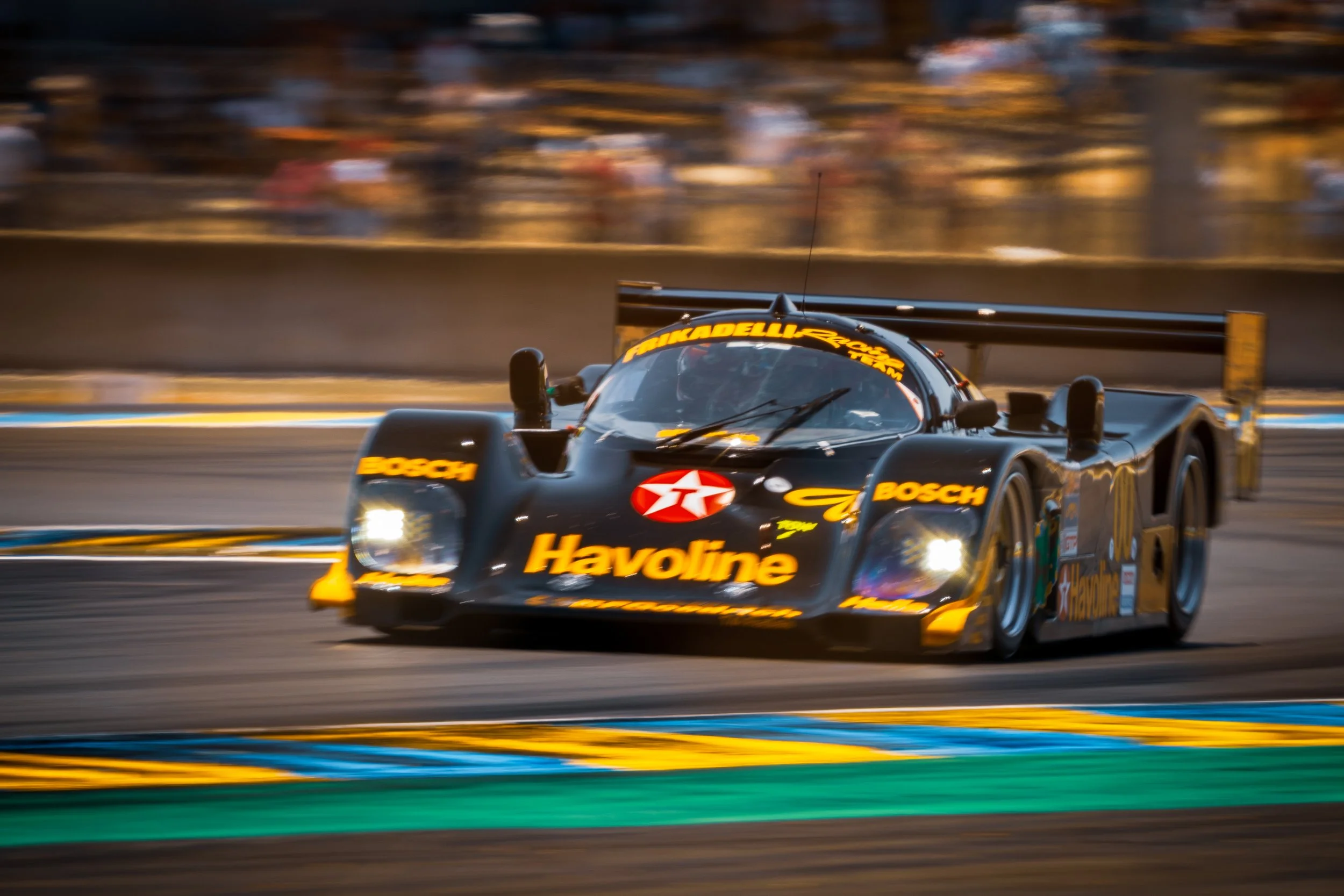
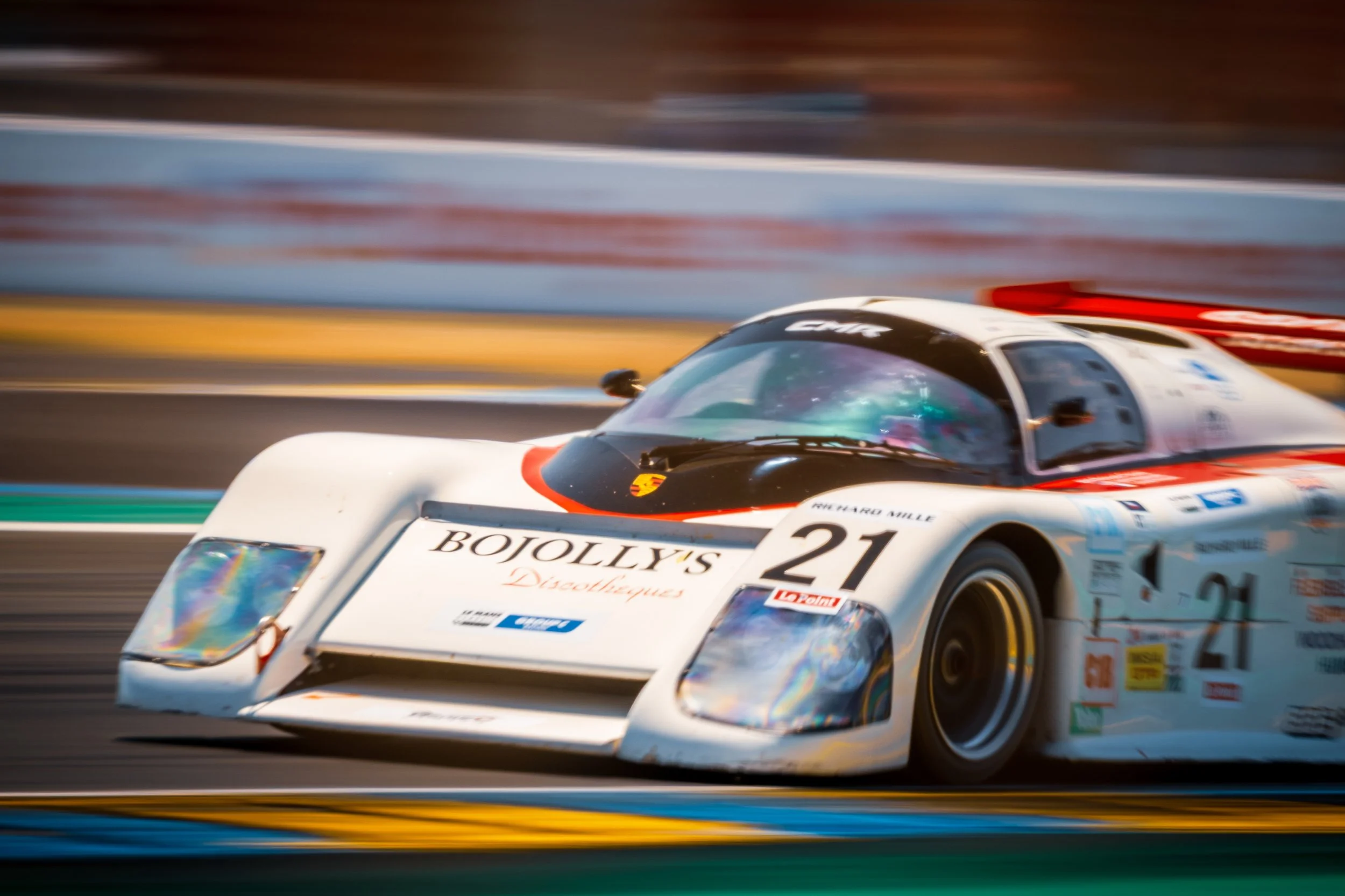
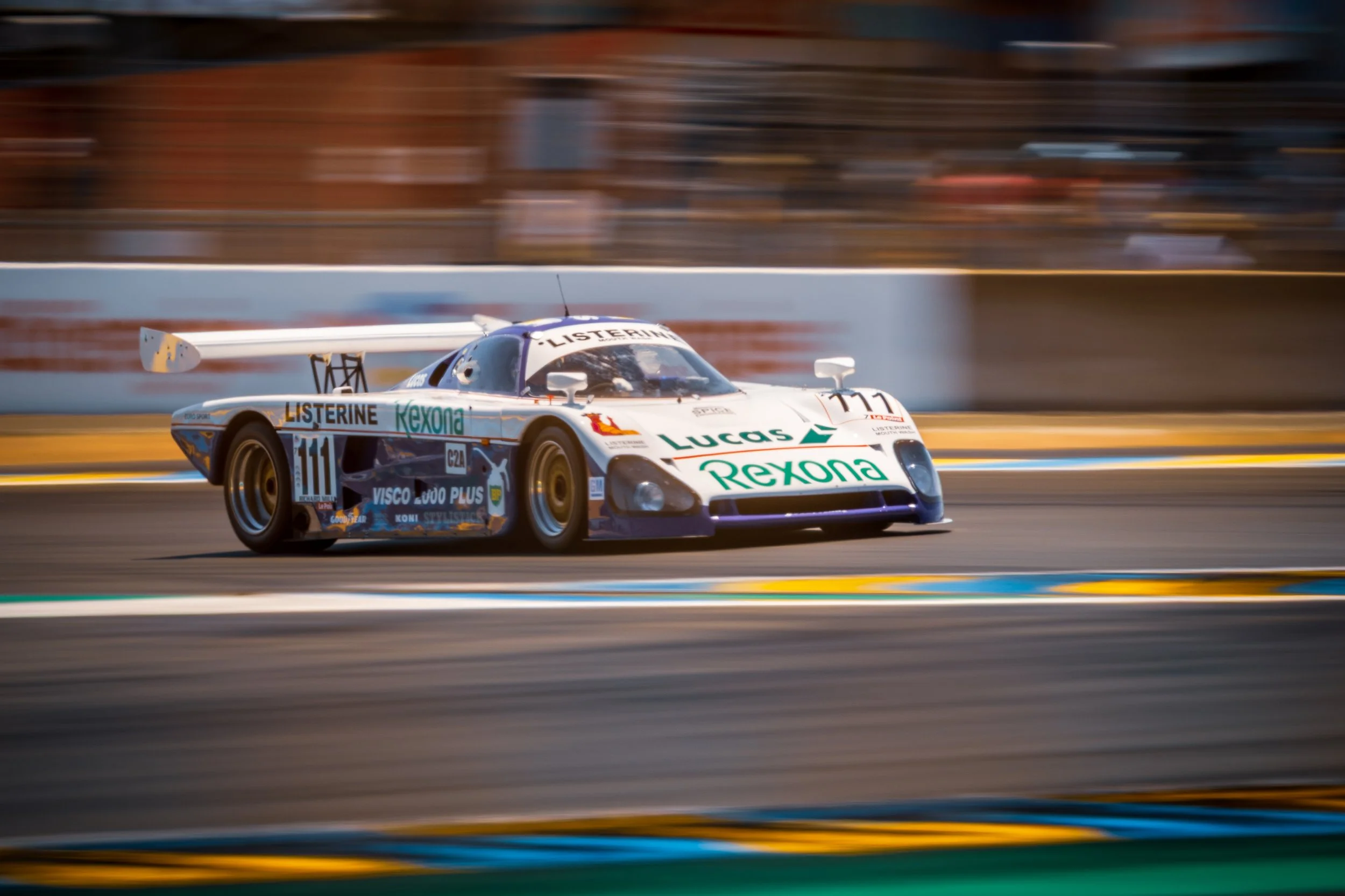
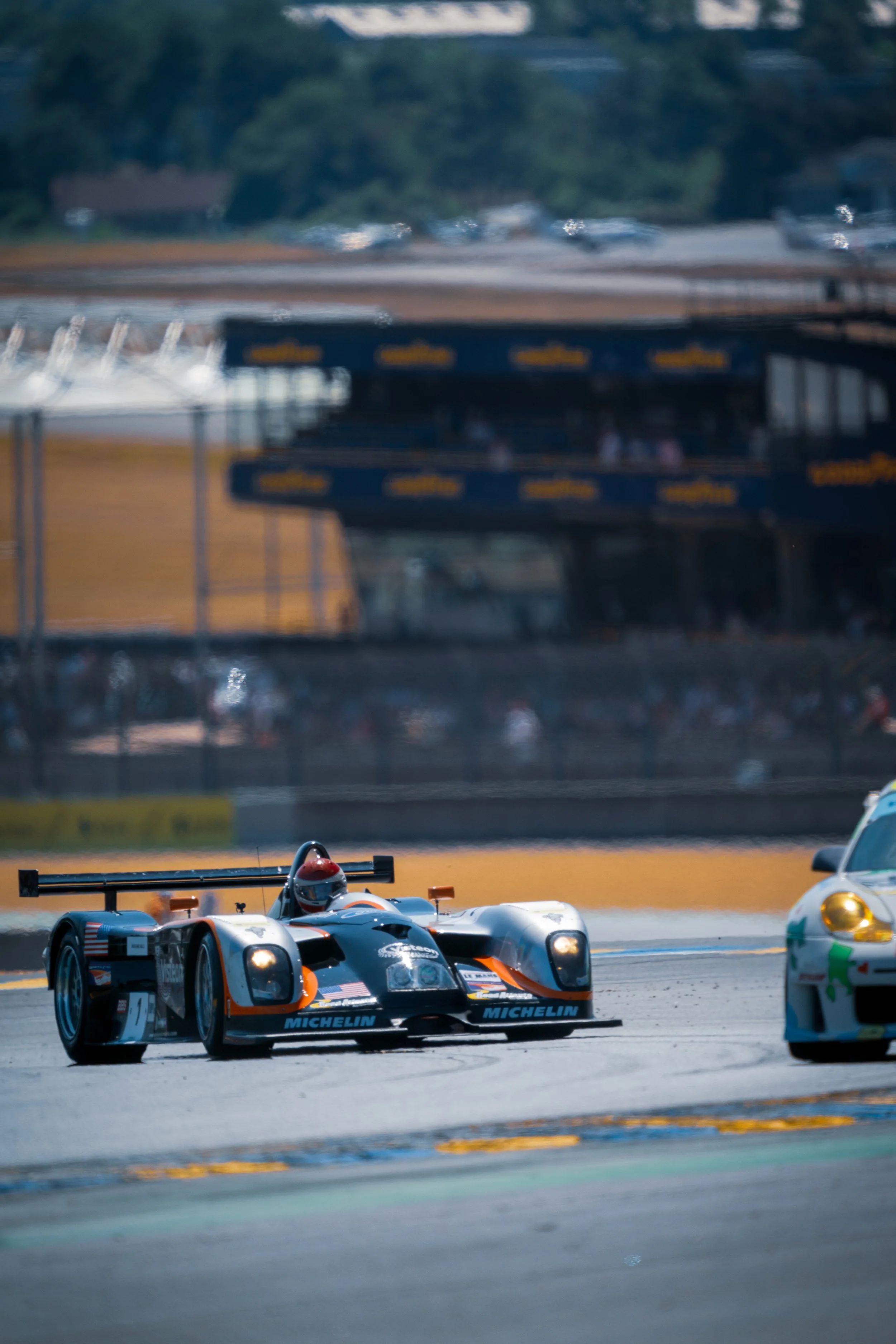
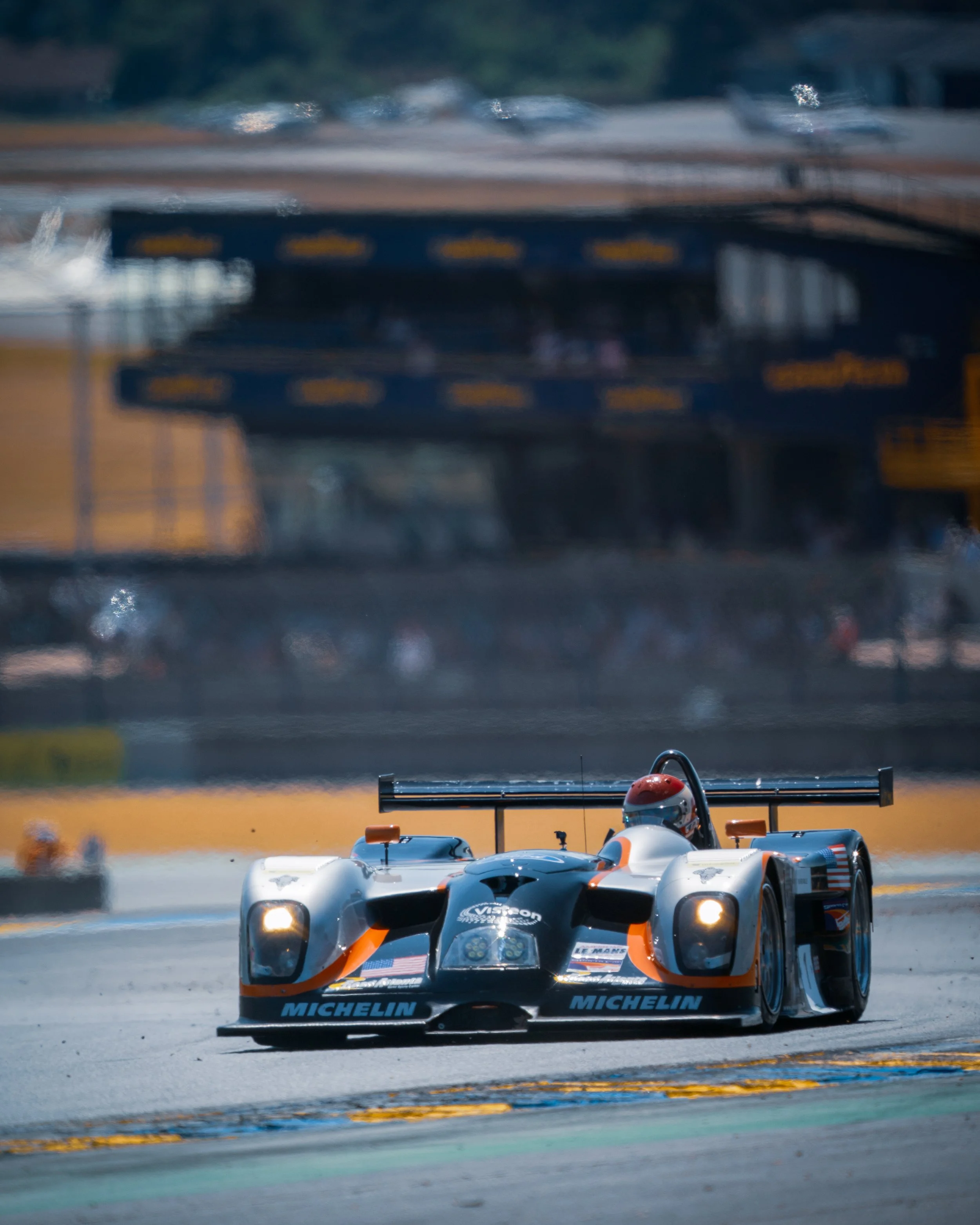
The event is divided into “grids,” each representing a distinct era of Le Mans history. The result is a time‑bending spectacle: pre‑war Bentleys sharing the weekend with Group C legends, all taking to the full 13.6‑kilometre circuit.
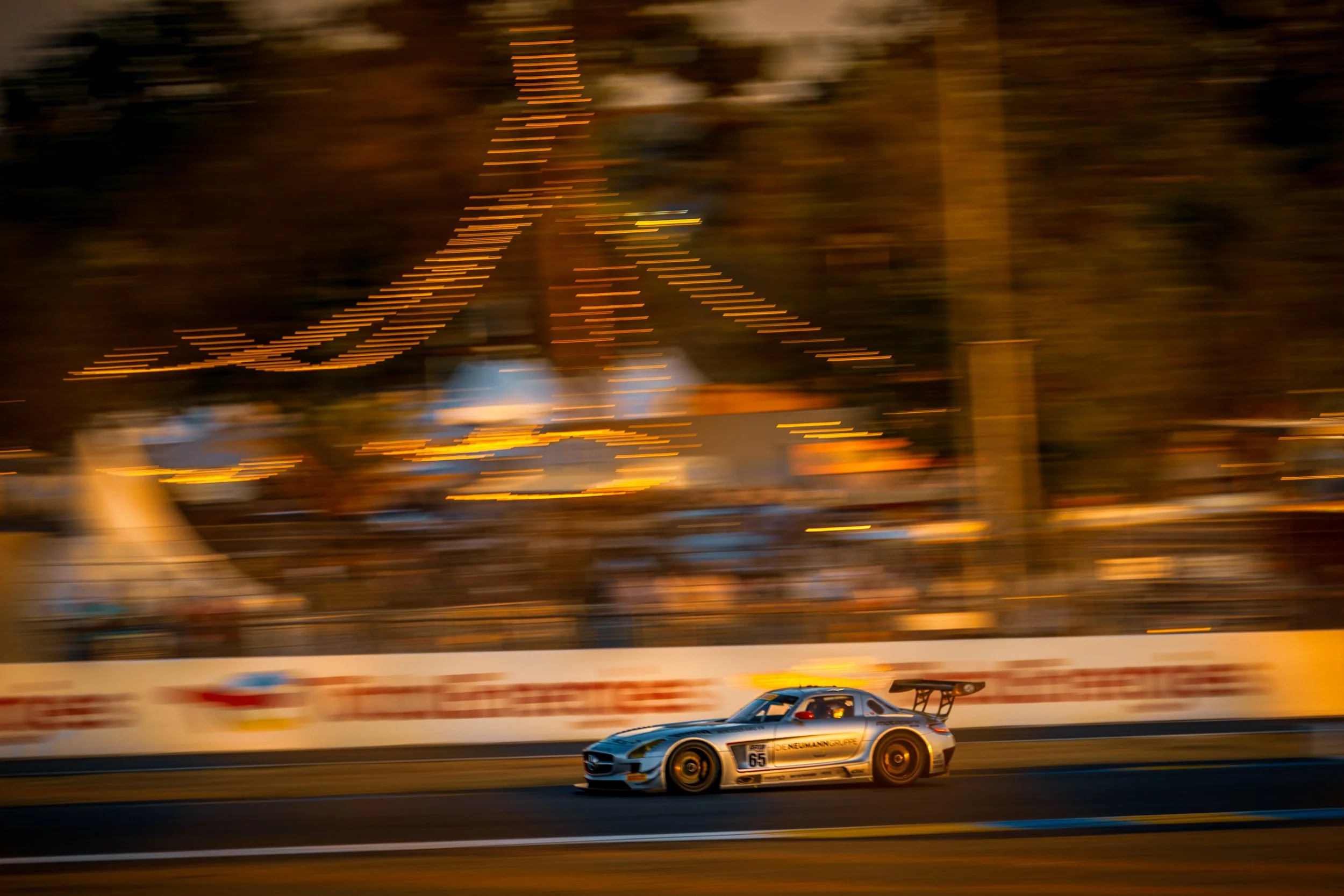
Nightfall is where the magic deepens. Headlights pierce the darkness, engines echo across the forest, and for a moment, spectators feel transported—watching not a reenactment, but a resurrection.
Why It Matters
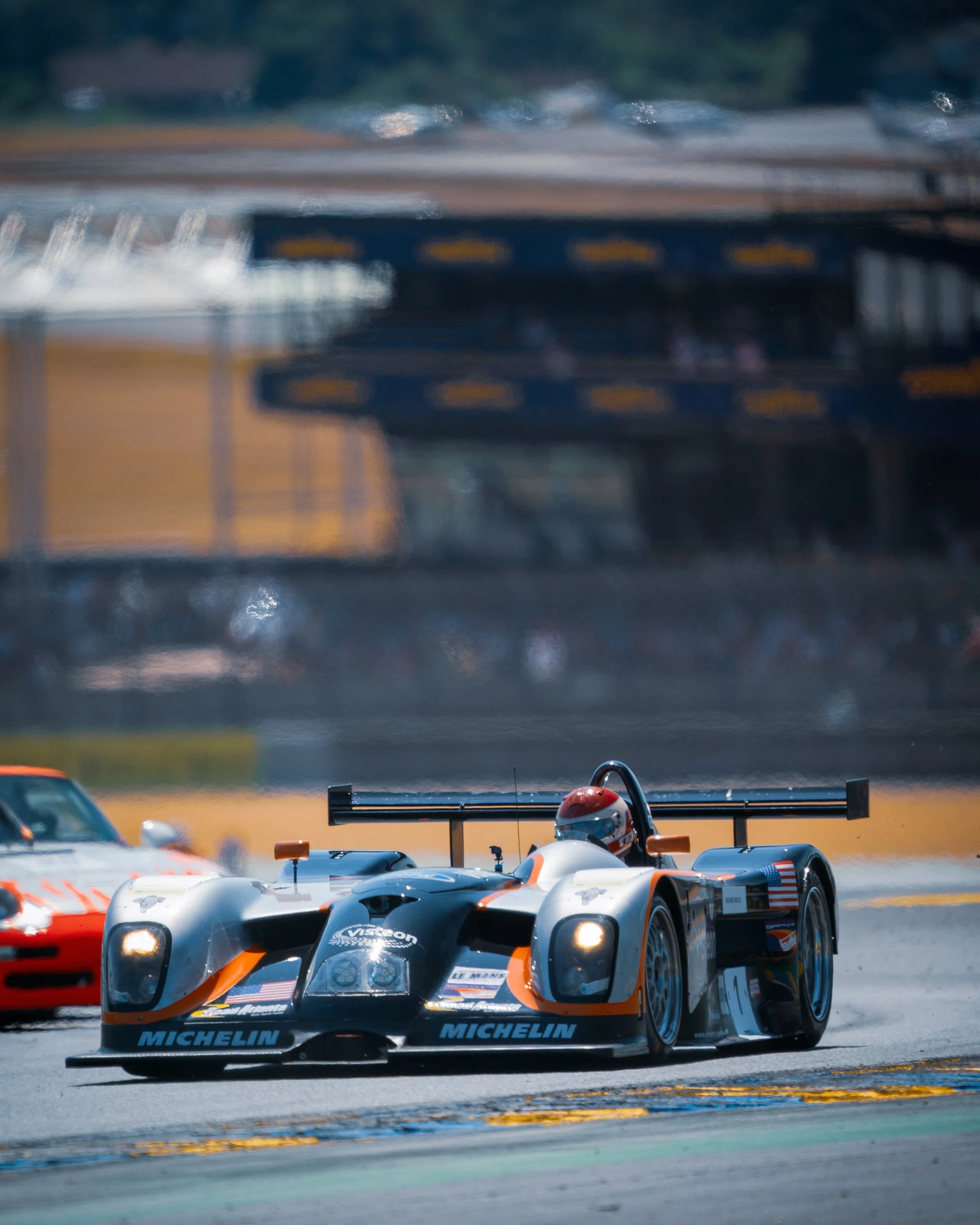
In an era where racing is increasingly digital, data‑driven, and aerodynamic, Le Mans Classic reminds us of the sport’s soul. These cars demand mechanical sympathy, bravery, and a connection between driver and machine that modern racing often obscures.
The event preserves not just vehicles, but the culture surrounding them—the craftsmanship, the camaraderie, the stories passed down through generations.